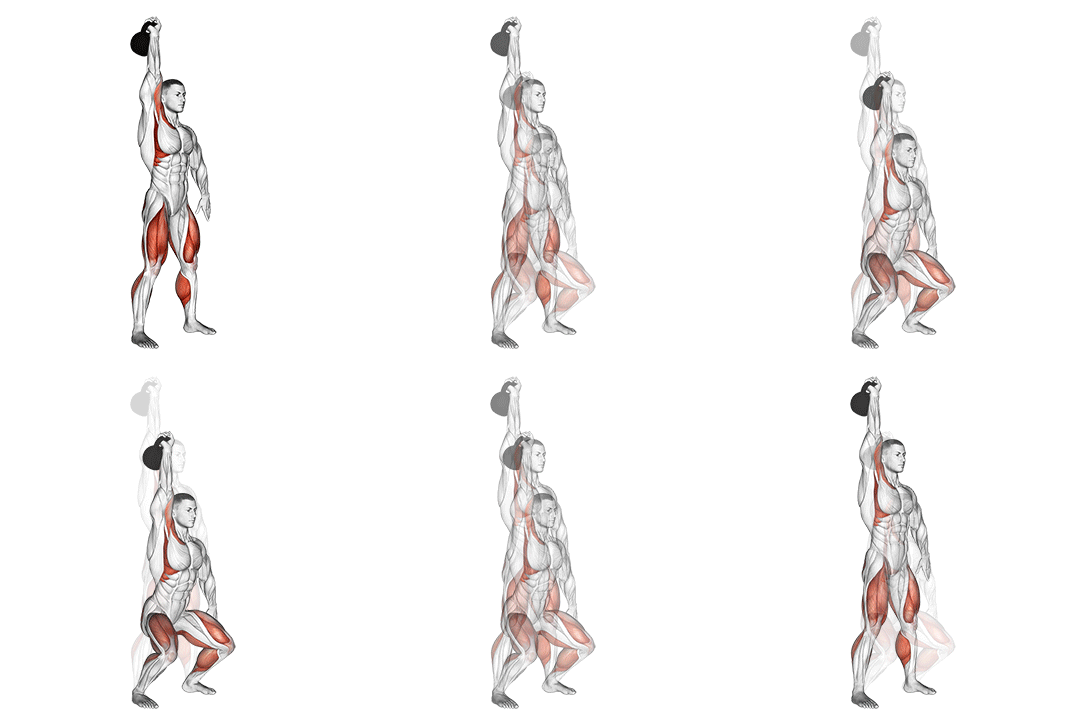
The Kettlebell One Arm Jerk is a full-body exercise that primarily targets the shoulders, legs, and core muscles. It involves an explosive movement that combines a lower body drive with an overhead press. The exercise builds strength, power, and cardiovascular endurance. It also enhances stability, coordination, and overall athletic performance. ## Instructions 1. Start by holding a kettlebell in one hand, with your palm facing inward towards your body. Stand with your feet shoulder-width apart. 2. Bend your knees slightly and hinge at the hips, preparing to generate power for the upward movement. 3. Initiate the jerk by explosively extending your legs and hips, driving the kettlebell upwards. 4. As the kettlebell rises, quickly drop underneath it by bending your knees and sinking into a partial squat position. 5. Simultaneously, press the kettlebell overhead, extending your arm fully and locking out your elbow. 6. Reverse the movement by lowering the kettlebell back to the starting position under control. 7. Repeat the exercise for the desired number of repetitions on one side before switching to the other arm. ## Variations - Double Kettlebell Jerk: If you have access to two kettlebells, you can perform the exercise with one kettlebell in each hand. This variation increases the load and challenges your upper body and core strength. - Split Jerk: Instead of performing the jerk with your feet shoulder-width apart, you can incorporate a split stance. Step one foot forward and the other foot back, allowing your front knee to bend and your back knee to drop towards the ground. This variation adds stability demands and engages the legs more. ## Muscles Worked - Shoulders (deltoids) - Legs (quadriceps, hamstrings) - Glutes - Core muscles for stability and bracing ## Common Mistakes - Lack of proper hip drive: Ensure you generate power from your legs and hips by explosively extending them. This will provide the force needed to propel the kettlebell upwards. - Failing to stabilize the core: Engage your core muscles throughout the movement to maintain stability and protect your lower back. - Overextending the back: Avoid excessive arching or leaning back during the press phase. Maintain a neutral spine alignment to prevent strain. ## Safety Precautions - Choose a kettlebell weight that is appropriate for your strength and skill level. - Practice proper grip on the kettlebell to prevent accidental drops. - Warm up your muscles before attempting the exercise to reduce the risk of injury. - Maintain proper form and technique throughout the movement to avoid unnecessary strain on joints and muscles. - Start with lighter weights and gradually increase the load as you become comfortable with the exercise. - If you experience any pain or discomfort during the exercise, stop immediately and consult with a fitness professional or healthcare provider.
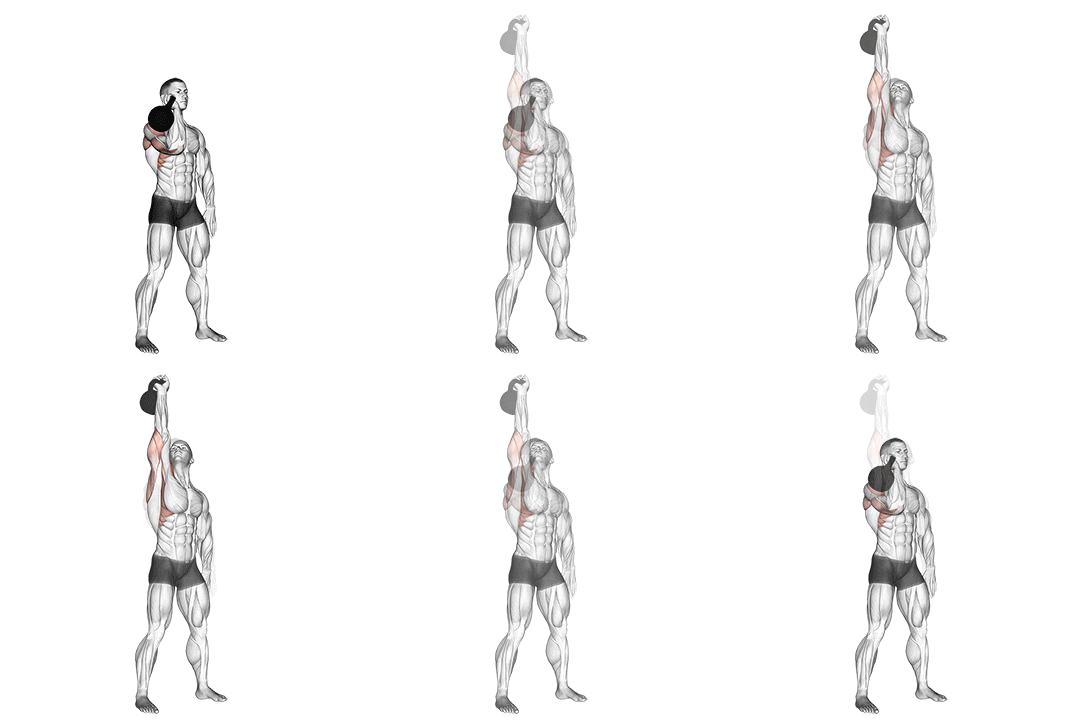
The Kettlebell One Arm Military Press to the Side is an exercise that primarily targets the shoulders, specifically the deltoid muscles. It also engages the triceps, upper back, and core muscles. This exercise helps to develop shoulder strength, stability, and muscular endurance. It also improves overhead pressing abilities and enhances functional upper body strength. ## Instructions 1. Start by standing with your feet shoulder-width apart, holding a kettlebell in one hand at shoulder height. Your palm should be facing inward towards your body, and your elbow should be bent. 2. Brace your core and maintain a stable base by slightly bending your knees and engaging your glutes. 3. Press the kettlebell directly upwards and slightly to the side, fully extending your arm while keeping your elbow close to your body. 4. Once your arm is fully extended, pause for a moment and focus on squeezing your shoulder muscles. 5. Slowly lower the kettlebell back to the starting position in a controlled manner. 6. Repeat the exercise for the desired number of repetitions on one side before switching to the other arm. ## Variations - Seated One Arm Military Press: Perform the exercise while seated on a bench or chair. This variation provides additional stability and isolates the shoulder muscles. - Half-Kneeling One Arm Military Press: Kneel on one knee with the opposite foot flat on the ground, and perform the military press in this position. This variation challenges balance and stability, engaging the core and lower body muscles. ## Muscles Worked - Shoulders (deltoids) - Triceps - Upper back muscles (rhomboids, trapezius) - Core muscles for stability ## Common Mistakes - Arching the lower back: Maintain proper posture throughout the exercise and avoid excessive arching of the lower back. Engage your core muscles to stabilize your spine. - Raising the shoulder: Avoid shrugging your shoulder towards your ear. Keep your shoulder down and away from the ear throughout the movement. - Using momentum: Focus on using controlled movements and avoid using momentum to lift the kettlebell. This ensures proper muscle engagement and reduces the risk of injury. ## Safety Precautions - Choose a kettlebell weight that is appropriate for your strength and skill level. - Warm up your muscles before attempting the exercise to reduce the risk of injury. - Maintain proper form and technique throughout the movement to avoid strain on joints and muscles. - If you experience any pain or discomfort during the exercise, stop immediately and consult with a fitness professional or healthcare provider. - Gradually increase the load or repetitions as your strength and proficiency improve.
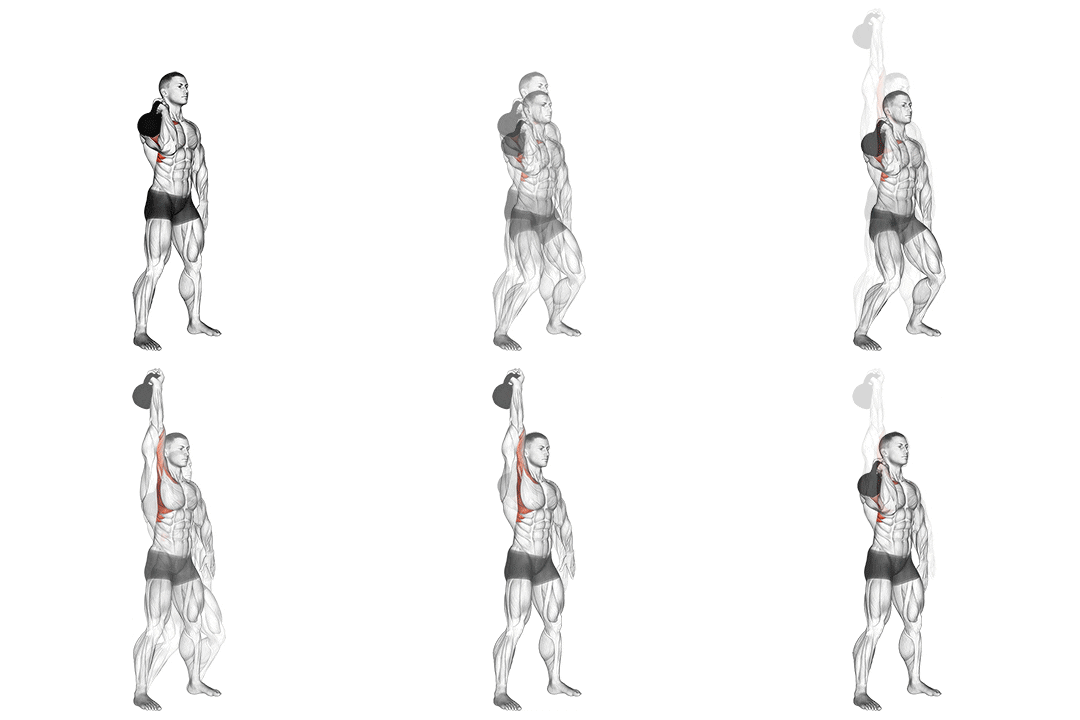
The Kettlebell One Arm Push Press is a dynamic exercise that targets the shoulders, triceps, and legs. It involves using the legs to generate power and momentum to assist in pressing the kettlebell overhead. This exercise helps to develop upper body strength, explosive power, and stability. It also improves coordination and muscular endurance. ## Instructions 1. Start by holding a kettlebell in one hand at shoulder height. Stand with your feet shoulder-width apart. 2. Brace your core and slightly bend your knees, preparing to generate power for the upward movement. 3. Dip at the knees and hips, then explosively drive through your legs and extend your hips, generating upward momentum. 4. Simultaneously, press the kettlebell overhead, fully extending your arm and locking out your elbow. 5. Lower the kettlebell back to the starting position by bending your elbow and controlling the descent. 6. Repeat the exercise for the desired number of repetitions on one side before switching to the other arm. ## Variations - Double Kettlebell Push Press: If you have access to two kettlebells, you can perform the exercise with one kettlebell in each hand. This variation increases the load and challenges your upper body and core strength. - Split Stance Push Press: Instead of performing the exercise with both feet shoulder-width apart, you can use a split stance. Step one foot forward and the other foot back, allowing your front knee to bend and your back knee to drop towards the ground. This variation adds stability demands and engages the legs more. ## Muscles Worked - Shoulders (deltoids) - Triceps - Legs (quadriceps, hamstrings) - Core muscles for stability and bracing ## Common Mistakes - Lack of proper hip drive: Ensure you generate power from your legs and hips by explosively extending them. This will provide the force needed to assist in pressing the kettlebell overhead. - Relying too much on the arm: Although the arm is involved, the primary power should come from the legs. Avoid using excessive arm strength and focus on coordinating the leg drive with the pressing motion. - Arching the lower back: Maintain a neutral spine throughout the exercise. Avoid excessive arching or leaning back, as it can strain the lower back. ## Safety Precautions - Choose a kettlebell weight that is appropriate for your strength and skill level. - Practice proper grip on the kettlebell to prevent accidental drops. - Warm up your muscles before attempting the exercise to reduce the risk of injury. - Maintain proper form and technique throughout the movement to avoid strain on joints and muscles. - Start with lighter weights and gradually increase the load as you become comfortable with the exercise. - If you experience any pain or discomfort during the exercise, stop immediately and consult with a fitness professional or healthcare provider.
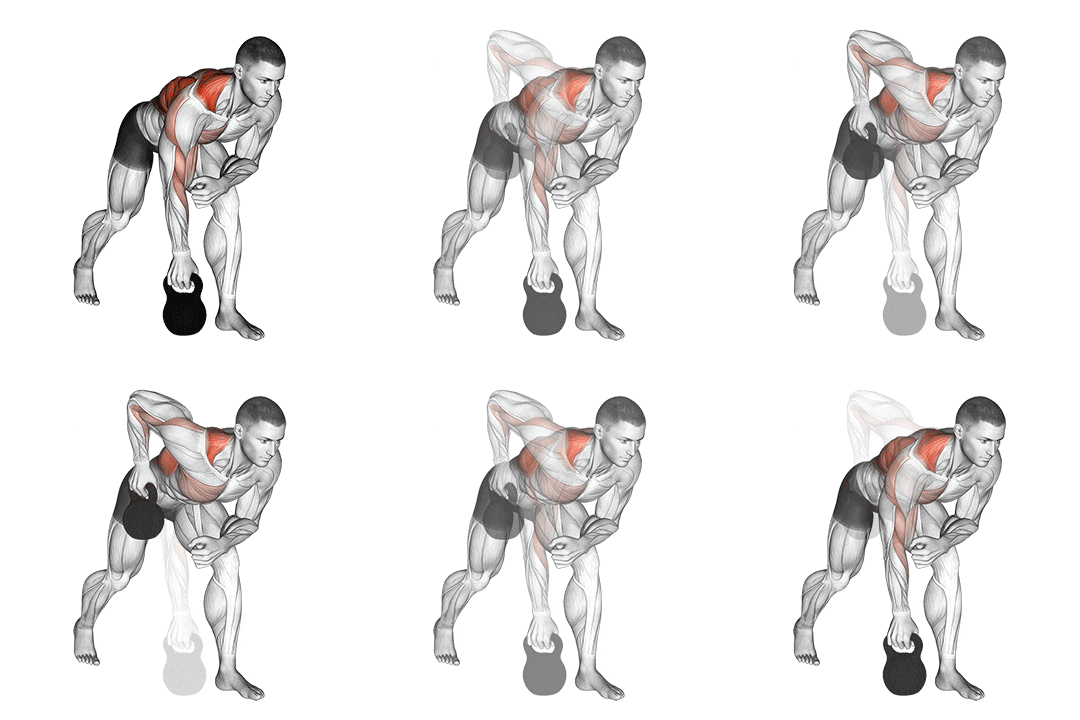
The Kettlebell One Arm Row is an exercise that primarily targets the muscles of the upper back, including the rhomboids, trapezius, and latissimus dorsi. It also engages the biceps, rear deltoids, and core muscles. This exercise helps to improve posture, strengthen the back muscles, and develop a balanced upper body. It also enhances grip strength and stability. ## Instructions 1. Begin by placing a kettlebell on the floor beside your feet. Stand with your feet hip-width apart, knees slightly bent, and hinge forward at the hips. 2. Reach down with one hand and grab the kettlebell handle. Keep your back straight and core engaged. 3. Pull the kettlebell upwards in a rowing motion, driving your elbow straight back and keeping it close to your body. 4. Squeeze your shoulder blades together at the top of the movement, emphasizing the contraction in your upper back. 5. Lower the kettlebell back down to the starting position in a controlled manner, fully extending your arm. 6. Repeat the exercise for the desired number of repetitions on one side before switching to the other arm. ## Variations - Kettlebell Renegade Row: Assume a push-up position with your hands gripping two kettlebells. Perform rows by pulling one kettlebell up towards your chest while keeping your body stable. This variation adds an element of core stability and engages multiple muscle groups simultaneously. - Single-Arm Bent-Over Row: Perform the row exercise using a dumbbell or barbell instead of a kettlebell. This allows for variation in grip and may be more accessible in certain gym settings. ## Muscles Worked - Upper back muscles (rhomboids, trapezius) - Latissimus dorsi - Biceps - Rear deltoids - Core muscles for stability ## Common Mistakes - Rounded back: Maintain a flat back and avoid rounding your shoulders or hunching forward. This ensures proper muscle engagement and reduces the risk of injury. - Using momentum: Avoid using momentum to lift the kettlebell. Focus on a controlled and deliberate movement, emphasizing the contraction in the back muscles. - Jerking the weight: Pull the kettlebell smoothly and avoid using jerky movements. This allows for better muscle recruitment and reduces strain on the joints. ## Safety Precautions - Choose a kettlebell weight that is appropriate for your strength and skill level. - Engage your core and maintain proper posture throughout the exercise to protect your lower back. - Warm up your muscles before attempting the exercise to reduce the risk of injury. - Use a stable stance and grip the kettlebell securely to prevent accidental drops. - If you experience any pain or discomfort during the exercise, stop immediately and consult with a fitness professional or healthcare provider. - Gradually increase the load or repetitions as your strength and proficiency improve.
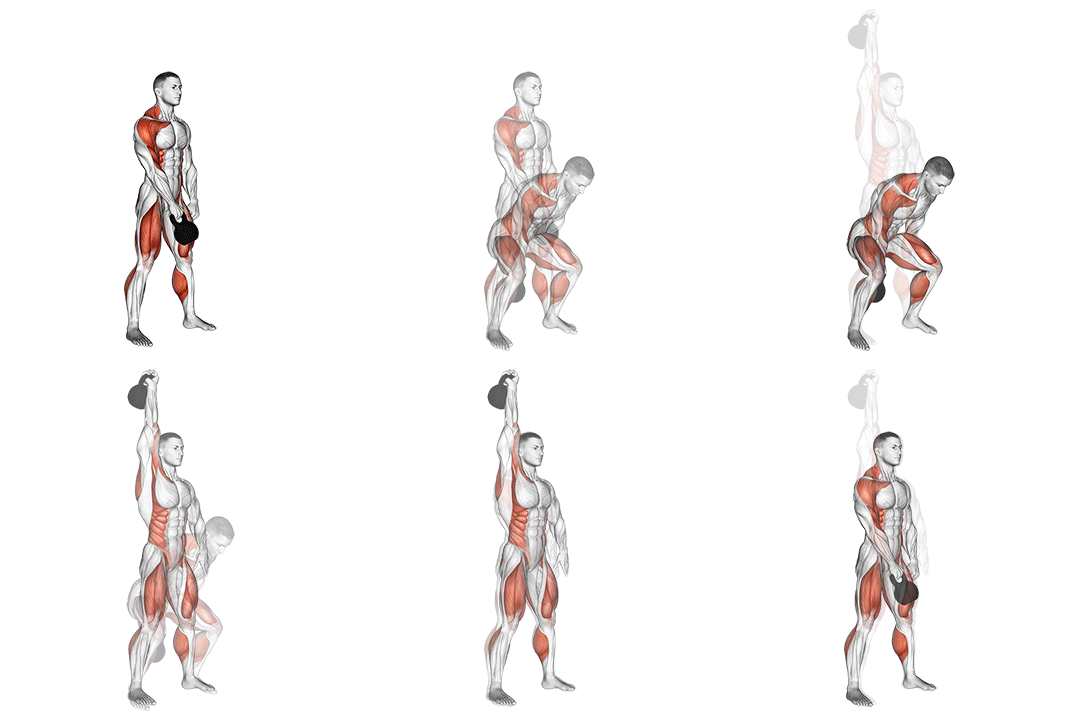
The Kettlebell One Arm Snatch is a dynamic and explosive exercise that targets multiple muscle groups, including the hips, glutes, shoulders, and core. It involves a powerful hip hinge and a rapid movement to bring the kettlebell from a hanging position between the legs to an overhead position in one fluid motion. This exercise improves total body strength, power, and conditioning. It also enhances coordination and explosiveness. ## Instructions 1. Begin by standing with your feet shoulder-width apart, holding a kettlebell in one hand between your legs with an overhand grip. 2. Bend your knees and hinge forward at the hips, maintaining a flat back and engaged core. The kettlebell should hang between your legs. 3. Explosively extend your hips and swing the kettlebell upwards, simultaneously pulling it towards your shoulder with a high pull motion. 4. As the kettlebell reaches its peak, quickly rotate your hand, flipping your palm forward and pushing the kettlebell overhead. 5. Lock out your arm at the top, fully extending your elbow, and stabilize the kettlebell overhead. 6. Slowly lower the kettlebell back down between your legs by hinging at the hips and bending your knees. 7. Repeat the exercise for the desired number of repetitions on one side before switching to the other arm. ## Variations - Kettlebell Single Arm Swing: Master the hip hinge and kettlebell swing technique before progressing to the snatch. The single arm swing focuses on the explosive hip drive and develops a strong foundation for the snatch. - Kettlebell Alternating Snatch: Perform the snatch exercise with alternating arms, switching between sides with each repetition. This variation adds a coordination element and increases cardiovascular demand. ## Muscles Worked - Hips (glutes, hip flexors) - Shoulders (deltoids) - Core muscles (abdominals, obliques) - Upper back muscles (rhomboids, trapezius) ## Common Mistakes - Rounding the back: Maintain a flat back throughout the movement and avoid rounding your shoulders or hunching forward. This ensures proper form and reduces the risk of injury. - Using excessive arm strength: The power for the snatch should come primarily from the hips and glutes. Avoid relying solely on your arms to lift the kettlebell and focus on generating force through the hip drive. - Lack of control: Maintain control throughout the movement and avoid letting the kettlebell swing out of control. Practice the exercise with lighter weights until you can execute it with proper form and stability. ## Safety Precautions - Choose a kettlebell weight that is appropriate for your strength and skill level. - Warm up your muscles before attempting the exercise to reduce the risk of injury. - Maintain proper form and technique throughout the movement to avoid strain on joints and muscles. - Engage your core and keep your shoulder stable during the overhead portion of the movement. - Practice the exercise in a clear space with sufficient overhead clearance to avoid any obstacles. - If you experience any pain or discomfort during the exercise, stop immediately and consult with a fitness professional or healthcare provider. - Gradually increase the load or repetitions as your strength and proficiency improve.
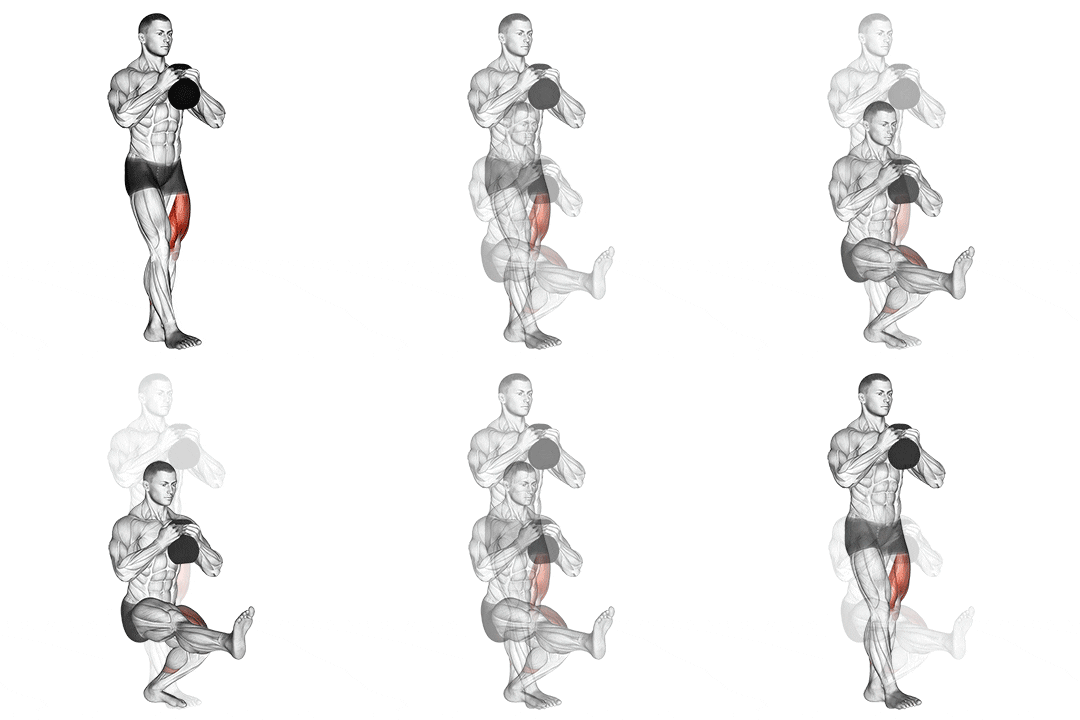
The Kettlebell Pistol Squat is a challenging lower body exercise that targets the muscles of the legs, particularly the quadriceps, hamstrings, and glutes. It also engages the core muscles for stability and balance. This exercise requires strength, flexibility, and coordination. It helps to improve lower body strength, stability, and mobility. ## Instructions 1. Begin by standing tall with your feet shoulder-width apart and hold a kettlebell in front of your chest with both hands, close to your body. 2. Shift your weight onto one leg and extend the opposite leg forward, keeping it parallel to the ground. 3. Lower your body into a squat position, keeping your weight on the heel of the supporting leg and maintaining a straight back. 4. As you lower down, extend your arms forward to counterbalance the movement. 5. Descend as far as you can while maintaining good form and control. 6. Push through the heel of the supporting leg and engage the muscles of the leg and glutes to rise back up to the starting position. 7. Repeat the exercise for the desired number of repetitions on one leg before switching to the other leg. ## Variations - Assisted Pistol Squat: Perform the pistol squat using a support, such as a TRX suspension trainer, a door frame, or a sturdy pole. This provides assistance and helps to build strength and balance. - Kettlebell Goblet Pistol Squat: Hold the kettlebell by the horns (the sides of the handle) in front of your chest during the pistol squat. This variation adds an additional challenge to the core and upper body stability. ## Muscles Worked - Quadriceps - Hamstrings - Glutes - Calves - Core muscles (abdominals, obliques) - Hip flexors ## Common Mistakes - Leaning too far forward: Keep your torso upright and avoid leaning too far forward during the squat. Maintain a balanced position to engage the targeted muscles effectively. - Lack of control: Maintain control throughout the movement and avoid descending too quickly or losing balance. Focus on stability and control during both the lowering and rising phases of the exercise. - Insufficient flexibility: If you struggle to perform the full range of motion, work on improving your flexibility and mobility in the hips, ankles, and calves. Gradually progress to the full pistol squat as your range of motion improves. ## Safety Precautions - Start with a kettlebell weight that is appropriate for your strength and skill level. - Prioritize good form and control over depth. Begin with a partial range of motion and gradually increase the depth as your strength and mobility improve. - Warm up your muscles before attempting the exercise to reduce the risk of injury. - If you have any knee or hip issues, consult with a fitness professional or healthcare provider before attempting the pistol squat. - Practice the exercise on a stable surface and ensure there are no obstacles or hazards in your workout area. - Listen to your body and avoid pushing through any sharp or severe pain. Discontinue the exercise if you experience discomfort or pain and seek professional advice. - If you are a beginner, it may be helpful to have a spotter or trainer to assist you until you are comfortable with the movement.
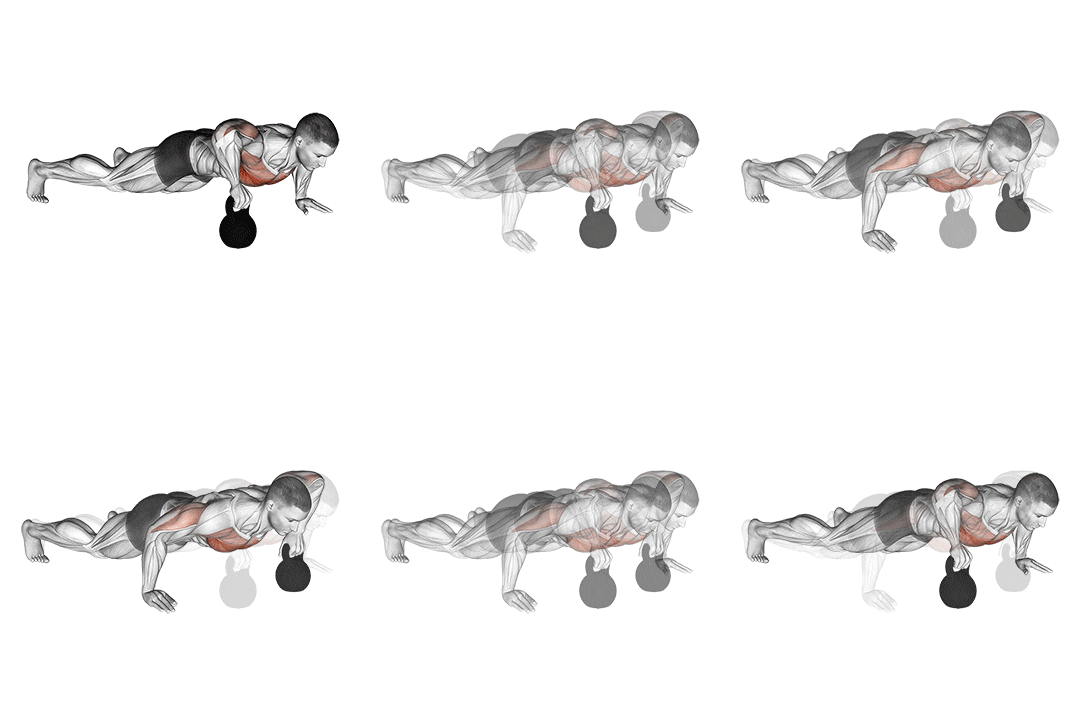
The kettlebell plyo push-up is an advanced variation of the traditional push-up exercise. It combines the benefits of plyometric training and upper body strength development. This exercise targets the chest, shoulders, triceps, and core muscles while also improving explosive power and stability. ## Instructions 1. Start in a push-up position with your hands slightly wider than shoulder-width apart, and place two kettlebells on the floor, one on each side. 2. Grip the handles of the kettlebells firmly with your palms facing down. 3. Engage your core and maintain a straight line from your head to your heels. 4. Lower your body down towards the floor, bending your elbows and keeping them tucked close to your sides. 5. As you push yourself up explosively, simultaneously lift your hands off the kettlebells and land softly on the kettlebell handles. 6. After landing, immediately lower yourself back into a push-up position, making sure to maintain proper form. 7. Repeat the movement for the desired number of repetitions. ## Variations - Modified Kettlebell Plyo Push-Up: Perform the exercise with your hands on the floor instead of using kettlebells. This variation reduces the difficulty and allows for a gradual progression. - Elevated Kettlebell Plyo Push-Up: Place your hands on elevated surfaces such as boxes or aerobic steps to increase the challenge and range of motion. - Single-arm Kettlebell Plyo Push-Up: Perform the exercise with one hand on a kettlebell while keeping the other hand on the floor. This variation further targets stability and core strength. ## Muscles Worked - Chest (pectoralis major) - Shoulders (deltoids) - Triceps (triceps brachii) - Core muscles (abdominals, obliques) ## Common Mistakes - Arching the back: Maintain a straight line from your head to your heels throughout the exercise. Avoid sagging or arching your back. - Flaring the elbows: Keep your elbows tucked close to your sides to effectively engage the chest and triceps muscles. - Lack of control: Maintain control and stability during the explosive push-off and landing phase. Avoid flopping or collapsing onto the kettlebells. ## Safety Precautions - Choose an appropriate kettlebell weight that allows you to maintain proper form and control throughout the exercise. - Ensure that the kettlebells are stable and secure before performing the exercise to prevent them from rolling or sliding. - If you are new to plyometric exercises or have any pre-existing shoulder or wrist issues, consult with a fitness professional before attempting this exercise. - Start with a gradual progression, focusing on mastering the basic push-up form before attempting the kettlebell plyo push-up.
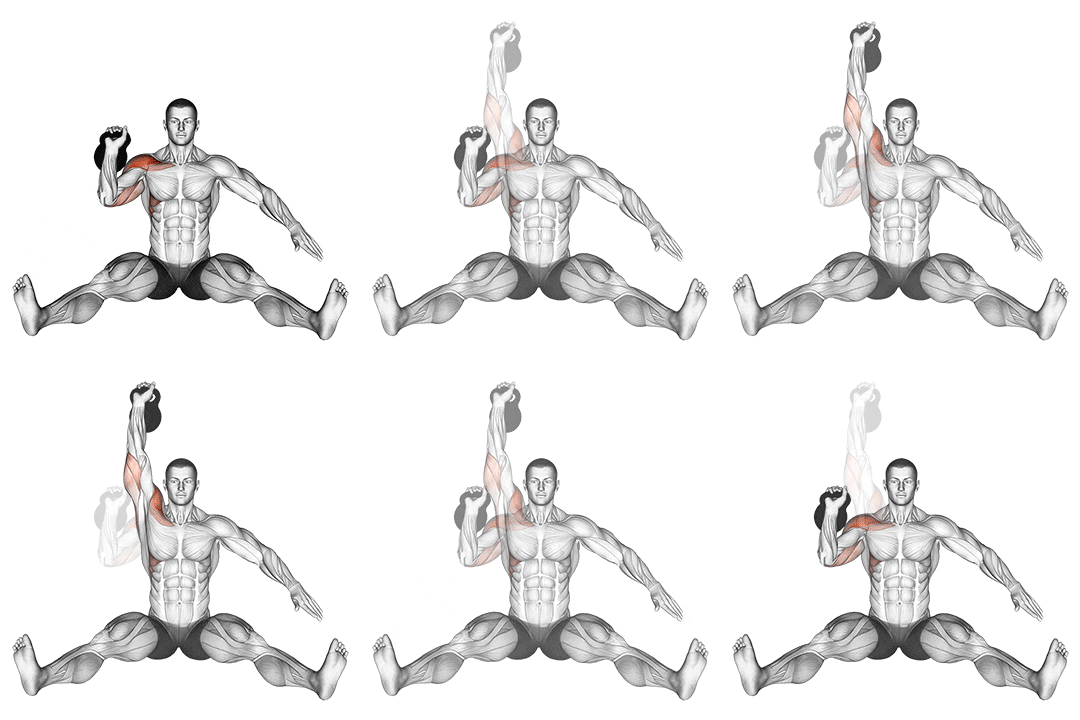
The kettlebell seated press is an exercise that primarily targets the shoulder muscles while also engaging the triceps and core. It involves pressing the kettlebell overhead from a seated position, challenging upper body strength, stability, and shoulder mobility. ## Instructions 1. Start by sitting on a bench or chair with your feet firmly planted on the ground and your back straight. 2. Hold a kettlebell in one hand with an overhand grip, resting it on your shoulder. 3. Engage your core and maintain a stable seated position throughout the exercise. 4. Press the kettlebell upward by extending your arm overhead while keeping your palm facing forward. 5. As you press the kettlebell, exhale and fully extend your arm without locking out your elbow. 6. Hold the position briefly at the top and then slowly lower the kettlebell back down to the starting position. 7. Repeat for the desired number of repetitions and then switch to the other side. ## Variations - Alternating Seated Press: Perform the exercise by alternating arms with each repetition, pressing one kettlebell at a time. - Seated Arnold Press: Instead of a traditional press, rotate the kettlebell as you press it upward, bringing your palm from a facing-forward position to a facing-inward position at the top. - Seated Press with Resistance Band: Attach a resistance band to the kettlebell handle and secure the other end under your feet. This variation adds resistance throughout the entire range of motion. ## Muscles Worked - Shoulders (deltoids) - Triceps (triceps brachii) - Core muscles (abdominals, obliques) ## Common Mistakes - Arching the back: Maintain proper posture throughout the exercise by avoiding excessive arching of the back. Keep your core engaged and your spine neutral. - Lack of control: Avoid using momentum or jerking motions to lift the kettlebell. Focus on smooth and controlled movements throughout the exercise. - Overextending the neck: Keep your neck aligned with your spine and avoid straining or overextending it during the movement. ## Safety Precautions - Choose an appropriate kettlebell weight that allows you to maintain proper form and control. - Ensure that the bench or chair you're sitting on is stable and secure. - If you have any pre-existing shoulder or back issues, consult with a fitness professional before attempting this exercise. - Start with lighter weights and gradually increase the load as you become comfortable with the movement and your strength improves. - If you experience any pain or discomfort during the exercise, stop immediately and seek guidance from a qualified professional.
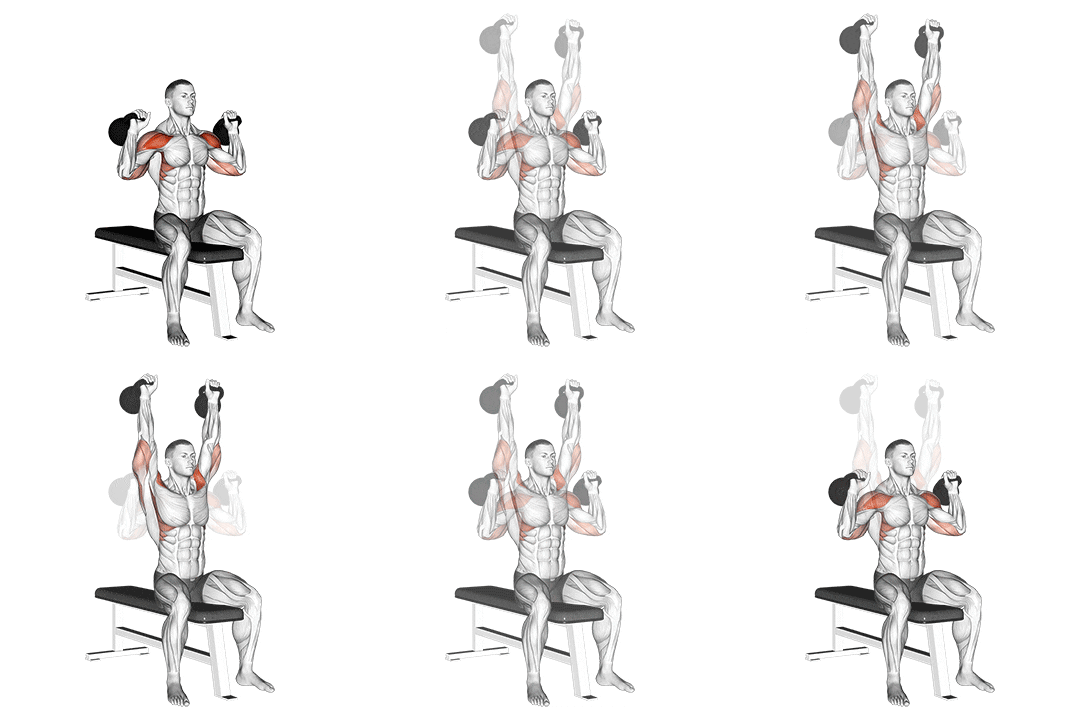
The kettlebell seated two arm military press is a compound exercise that targets the shoulders, triceps, and core muscles. It involves pressing two kettlebells overhead from a seated position, promoting upper body strength, shoulder stability, and muscular development. ## Instructions 1. Start by sitting on a bench or chair with your feet flat on the floor, shoulder-width apart. 2. Hold a kettlebell in each hand with an overhand grip, resting them on your shoulders. 3. Engage your core and maintain a stable seated position throughout the exercise. 4. Press the kettlebells upward simultaneously by extending your arms overhead. 5. Exhale as you press the kettlebells, fully extending your arms without locking out your elbows. 6. Hold the position briefly at the top and then slowly lower the kettlebells back down to the starting position. 7. Repeat for the desired number of repetitions. ## Variations - Alternating Seated Two Arm Military Press: Perform the exercise by alternating arms with each repetition, pressing one kettlebell at a time. - Seated Arnold Press: Instead of a traditional press, rotate the kettlebells as you press them upward, bringing your palms from a facing-forward position to a facing-inward position at the top. - Seated Push Press: Incorporate a slight dip and drive from your legs to help generate momentum and press the kettlebells overhead. This variation allows you to lift heavier weights and work on explosive power. ## Muscles Worked - Shoulders (deltoids) - Triceps (triceps brachii) - Core muscles (abdominals, obliques) ## Common Mistakes - Arching the back: Maintain proper posture throughout the exercise by avoiding excessive arching of the back. Keep your core engaged and your spine neutral. - Lack of control: Avoid using momentum or jerking motions to lift the kettlebells. Focus on smooth and controlled movements throughout the exercise. - Overextending the neck: Keep your neck aligned with your spine and avoid straining or overextending it during the movement. ## Safety Precautions - Choose kettlebell weights that allow you to maintain proper form and control. - Ensure that the bench or chair you're sitting on is stable and secure. - If you have any pre-existing shoulder or back issues, consult with a fitness professional before attempting this exercise. - Start with lighter weights and gradually increase the load as you become comfortable with the movement and your strength improves. - If you experience any pain or discomfort during the exercise, stop immediately and seek guidance from a qualified professional.