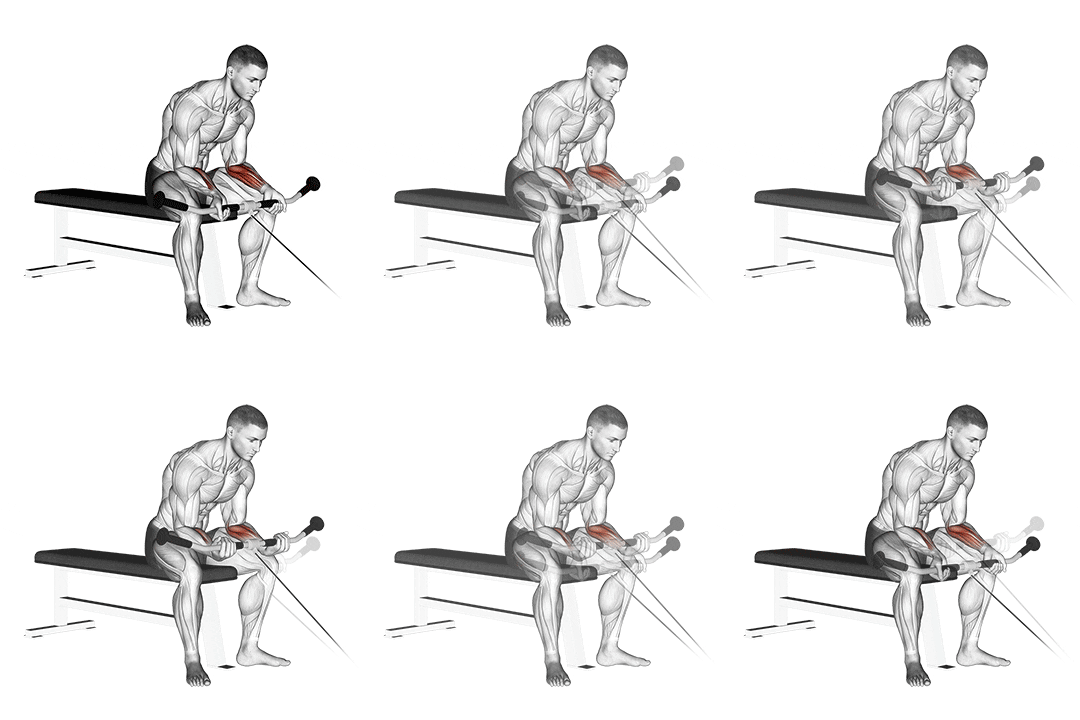
The cable wrist curl is an exercise that targets the muscles of the forearms, specifically the wrist flexors. It helps to strengthen the muscles responsible for wrist flexion, which can improve grip strength and forearm stability. ##Instructions 1. Start by sitting on a bench or chair facing a cable machine with a low pulley attachment. 2. Attach a wrist curl bar or a straight bar to the cable machine. 3. Sit down and rest your forearms on your thighs, with your palms facing up and your wrists extended slightly beyond your knees. 4. Grasp the bar with an underhand grip (palms facing up) and allow your wrists to hang down, maintaining a slight bend in your elbows. 5. Keep your forearms stable and exhale as you flex your wrists, curling the bar upward. 6. Continue curling until your knuckles are fully flexed and the bar is close to your forearms. 7. Hold the contracted position for a brief moment, squeezing your wrist flexor muscles. 8. Inhale as you slowly lower the bar back down to the starting position, extending your wrists. 9. Repeat for the desired number of repetitions. ##Variations - One-arm cable wrist curl: Perform the exercise one arm at a time by using a single handle or attachment. This allows you to focus on each forearm individually and may help address any muscle imbalances. - Reverse grip wrist curl: Instead of using an underhand grip, use an overhand grip (palms facing down) to target the wrist extensor muscles on the back of the forearms. ##Muscles Worked - Wrist flexors (flexor carpi radialis, flexor carpi ulnaris, palmaris longus) - Forearm muscles (brachioradialis, pronator teres) as synergists ##Common Mistakes - Using excessive weight: Start with a light weight and gradually increase the resistance as you become comfortable with the movement. Using too much weight can lead to poor form and strain on the wrists. - Allowing the elbows to move: Keep your forearms stable on your thighs throughout the exercise. Avoid using your elbows or upper arms to assist in the movement. - Not fully extending the wrists: Make sure to fully extend your wrists at the bottom of the movement. This allows for a complete range of motion and engagement of the target muscles. - Using momentum: Perform the exercise in a slow and controlled manner. Avoid swinging or jerking the weight, as it reduces the effectiveness of the exercise. ##Safety Precautions - Start with a lighter weight and gradually increase as you become more comfortable and proficient with the exercise. - If you have any pre-existing wrist or forearm injuries or conditions, consult with a qualified fitness professional or healthcare provider before attempting this exercise. - Maintain proper breathing throughout the exercise, exhaling during the curling phase and inhaling during the lowering phase. - If you experience any pain or discomfort in your wrists or forearms during the exercise, stop immediately and consult a healthcare professional.
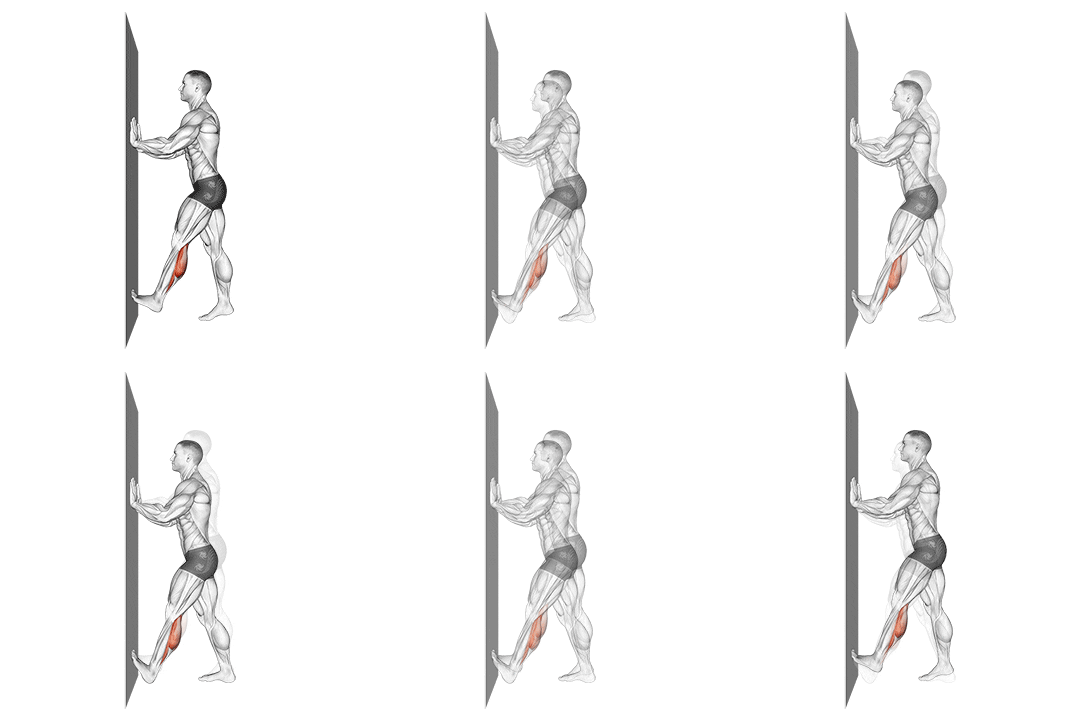
The calf push stretch with hands against the wall is an exercise that targets the calf muscles, specifically the gastrocnemius and soleus. It helps improve flexibility, increase ankle range of motion, and prevent or alleviate calf tightness and discomfort. ##Instructions 1. Stand facing a wall with your feet hip-width apart. 2. Place your hands on the wall at shoulder height, slightly wider than shoulder-width apart. 3. Take a step back with one foot, keeping the heel of the back foot on the ground. 4. Keep your back leg straight and your front leg slightly bent. 5. Lean forward, allowing your body weight to shift onto the front leg. 6. You should feel a stretch in your back calf. 7. Hold the stretch for 20-30 seconds, or longer if desired. 8. Release the stretch and switch to the other leg. 9. Repeat the stretch on the opposite leg, following the same steps. ##Variations - Stair or elevated surface: Perform the same stretch on a stair or an elevated surface. Position your toes on the edge of the step and let your heels drop down, creating a deeper stretch. - Bent knee stretch: To target the soleus muscle more specifically, perform the calf push stretch with a slightly bent knee. This variation places a greater emphasis on the deeper calf muscle. ##Muscles Worked - Gastrocnemius (upper calf muscle) - Soleus (lower calf muscle) ##Common Mistakes - Arching the back: Maintain a neutral spine position throughout the exercise. Avoid arching the back or leaning too far forward, as it may reduce the effectiveness of the stretch. - Lifting the heel: Keep the heel of the back foot grounded throughout the stretch. Lifting the heel reduces the stretch and engagement of the calf muscles. - Holding the breath: Remember to breathe deeply and naturally during the stretch. Avoid holding your breath, as it can lead to muscle tension. - Not performing a proper warm-up: Before stretching the calf muscles, it's essential to warm up the body and increase blood flow to the muscles. Perform light cardiovascular exercises or dynamic stretches to warm up the muscles beforehand. ##Safety Precautions - Start with a gentle stretch and gradually increase the intensity over time. Avoid forcing the stretch or bouncing, as it can lead to muscle strain or injury. - If you have any pre-existing calf or ankle injuries or conditions, consult with a qualified fitness professional or healthcare provider before attempting this stretch. - If you experience any pain or discomfort during the stretch, stop immediately and consult a healthcare professional. - Avoid pushing the stretch beyond your comfort level. The stretch should be challenging but not painful. - If you have balance issues, perform the stretch near a stable object or have someone nearby to provide support if needed.
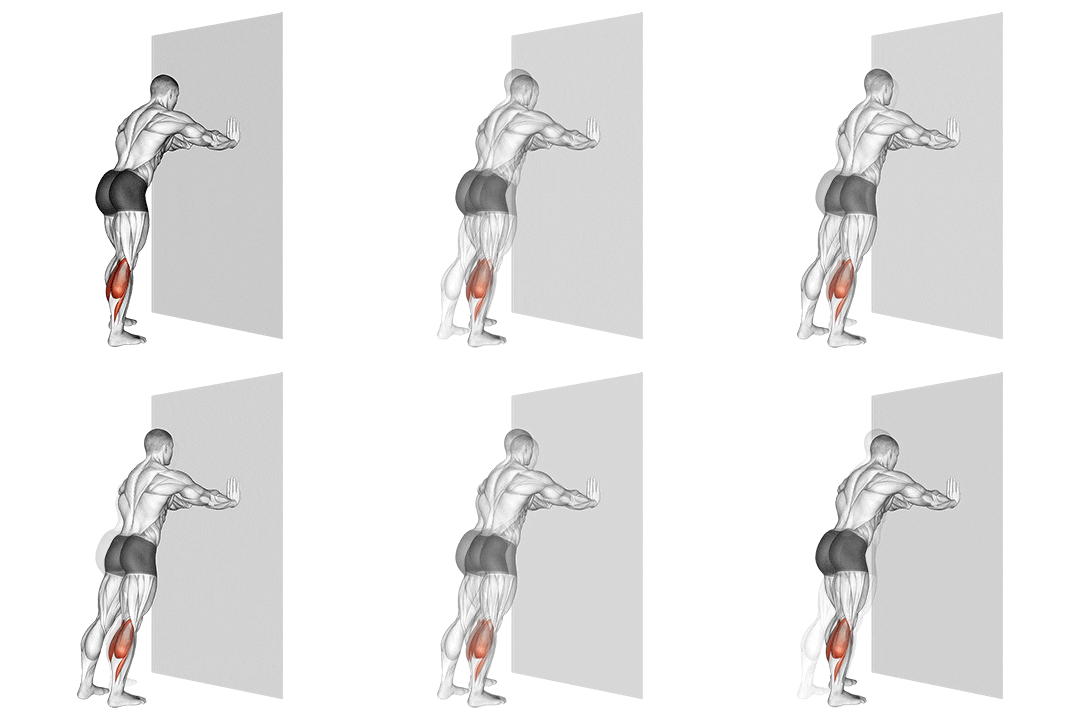
The calf stretch with hands against the wall is an exercise that targets the calf muscles, specifically the gastrocnemius and soleus. It helps improve flexibility, increase ankle range of motion, and relieve calf tightness or discomfort. ##Instructions 1. Stand facing a wall with your feet hip-width apart. 2. Place your hands on the wall at shoulder height, slightly wider than shoulder-width apart. 3. Take a step back with one foot, keeping the heel of the back foot on the ground. 4. Keep your back leg straight and your front leg slightly bent. 5. Lean forward, shifting your weight onto the front leg. 6. You should feel a stretch in your back calf. 7. Hold the stretch for 20-30 seconds, or longer if desired. 8. Release the stretch and switch to the other leg. 9. Repeat the stretch on the opposite leg, following the same steps. ##Variations - Stair or elevated surface: Perform the same stretch on a stair or an elevated surface. Position your toes on the edge of the step and let your heels drop down, creating a deeper stretch. - Bent knee stretch: To target the soleus muscle more specifically, perform the calf stretch with a slightly bent knee. This variation places a greater emphasis on the deeper calf muscle. ##Muscles Worked - Gastrocnemius (upper calf muscle) - Soleus (lower calf muscle) ##Common Mistakes - Arching the back: Maintain a neutral spine position throughout the exercise. Avoid arching the back or leaning too far forward, as it may reduce the effectiveness of the stretch. - Lifting the heel: Keep the heel of the back foot grounded throughout the stretch. Lifting the heel reduces the stretch and engagement of the calf muscles. - Holding the breath: Remember to breathe deeply and naturally during the stretch. Avoid holding your breath, as it can lead to muscle tension. - Not performing a proper warm-up: Before stretching the calf muscles, it's essential to warm up the body and increase blood flow to the muscles. Perform light cardiovascular exercises or dynamic stretches to warm up the muscles beforehand. ##Safety Precautions - Start with a gentle stretch and gradually increase the intensity over time. Avoid forcing the stretch or bouncing, as it can lead to muscle strain or injury. - If you have any pre-existing calf or ankle injuries or conditions, consult with a qualified fitness professional or healthcare provider before attempting this stretch. - If you experience any pain or discomfort during the stretch, stop immediately and consult a healthcare professional. - Avoid pushing the stretch beyond your comfort level. The stretch should be challenging but not painful. - If you have balance issues, perform the stretch near a stable object or have someone nearby to provide support if needed.
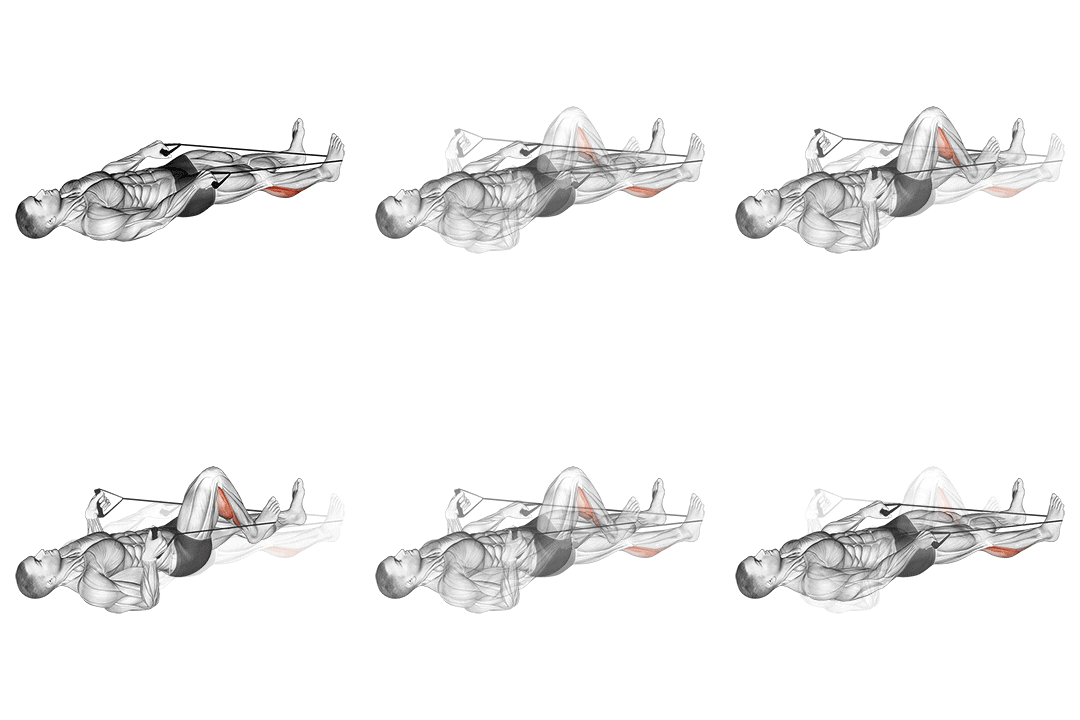
The calf stretch with a rope is an exercise that targets the calf muscles, specifically the gastrocnemius and soleus. It helps improve flexibility, increase ankle range of motion, and alleviate calf tightness or discomfort. ##Instructions 1. Begin by placing a rope or resistance band on the floor in a straight line. 2. Stand facing the rope with your feet hip-width apart. 3. Step onto the middle of the rope with both feet, ensuring it is securely positioned under the arches of your feet. 4. Hold the ends of the rope in each hand, allowing some slack. 5. Keep your legs straight and your upper body tall. 6. Slowly lean forward, shifting your weight onto the balls of your feet. 7. You should feel a stretch in your calves. 8. Hold the stretch for 20-30 seconds, or longer if desired. 9. Return to the starting position by gently leaning back and releasing tension in the calves. 10. Repeat the stretch for the desired number of repetitions. ##Variations - Single-leg calf stretch: Perform the stretch with one leg at a time by lifting the opposite leg off the ground. This variation allows for a deeper stretch and can help address any muscle imbalances. - Elevated surface: Place the ball of your foot on an elevated surface, such as a step or curb, and perform the stretch. This increases the stretch intensity and range of motion. ##Muscles Worked - Gastrocnemius (upper calf muscle) - Soleus (lower calf muscle) ##Common Mistakes - Rounding the back: Maintain proper posture throughout the stretch, keeping your back straight and shoulders relaxed. Avoid rounding the back, as it may reduce the effectiveness of the stretch. - Excessive tension on the rope: Use a rope or resistance band that provides enough tension to stretch the calf muscles, but not so much that it causes discomfort or pain. - Not maintaining a straight leg: Keep your leg straight throughout the stretch to target the calf muscles effectively. Avoid bending the knee, as it shifts the focus away from the calves. - Holding the breath: Remember to breathe deeply and naturally during the stretch. Avoid holding your breath, as it can lead to muscle tension. ##Safety Precautions - Start with a gentle stretch and gradually increase the intensity over time. Avoid forcing the stretch or bouncing, as it can lead to muscle strain or injury. - If you have any pre-existing calf or ankle injuries or conditions, consult with a qualified fitness professional or healthcare provider before attempting this stretch. - If you experience any pain or discomfort during the stretch, stop immediately and consult a healthcare professional. - Avoid pushing the stretch beyond your comfort level. The stretch should be challenging but not painful. - Ensure that the rope or resistance band is secure and does not slip during the exercise. - If you have balance issues, perform the stretch near a stable object or have someone nearby to provide support if needed.
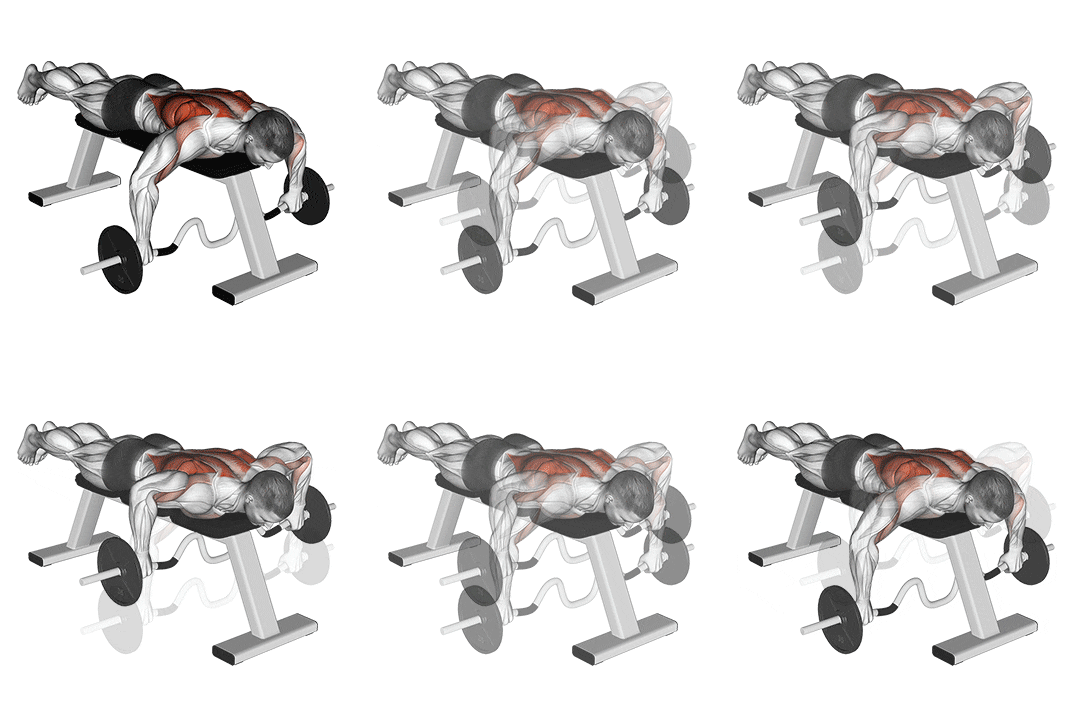
The cambered bar lying row is an exercise that targets the muscles of the back, specifically the latissimus dorsi (lats), rhomboids, and rear deltoids. This exercise helps strengthen the upper body, improve posture, and develop a well-rounded back. ## Instructions 1. Start by lying face down on a flat bench with your chest and stomach against the bench. 2. Grab the cambered bar with an overhand grip, hands slightly wider than shoulder-width apart. 3. Extend your arms fully and let them hang down towards the floor. 4. Engage your core, squeeze your shoulder blades together, and retract them. 5. Keeping your elbows close to your body, pull the bar up towards your lower chest, leading with your elbows. 6. Pause briefly at the top of the movement, squeezing your back muscles. 7. Slowly lower the bar back to the starting position, maintaining control and tension in your back muscles. 8. Repeat for the desired number of repetitions. ## Variations - Wide-grip row: Perform the lying row with a wider grip on the cambered bar to target the outer lats and emphasize width development. - Close-grip row: Use a narrower grip on the cambered bar to target the inner lats and focus on thickness development. - Single-arm row: Perform the exercise one arm at a time using a single cambered handle. This variation allows for greater focus on each side of the back and helps address muscle imbalances. ## Muscles Worked - Latissimus dorsi (lats) - Rhomboids - Rear deltoids ## Common Mistakes - Using excessive momentum: Avoid using momentum or swinging your body to lift the weight. Focus on controlled and deliberate movements. - Arching the back: Maintain a neutral spine position throughout the exercise. Avoid excessive arching of the back, as it may strain the lower back. - Pulling with the arms instead of the back: Concentrate on initiating the movement with your back muscles rather than relying solely on arm strength. Imagine squeezing your shoulder blades together. - Not fully extending or contracting: Ensure you fully extend your arms at the bottom of the movement and squeeze your back muscles at the top to get the maximum benefit from the exercise. ## Safety Precautions - Use a weight that allows you to maintain proper form and control throughout the exercise. - If you have any pre-existing back or shoulder injuries or conditions, consult with a qualified fitness professional or healthcare provider before attempting this exercise. - Keep your neck in a neutral position and avoid excessive strain on the neck muscles. - If you experience any pain or discomfort during the exercise, stop immediately and consult a healthcare professional. - Always warm up your back muscles before performing this exercise by doing some light cardiovascular activity or dynamic stretches. - Focus on proper breathing, exhaling during the pulling phase and inhaling during the lowering phase.
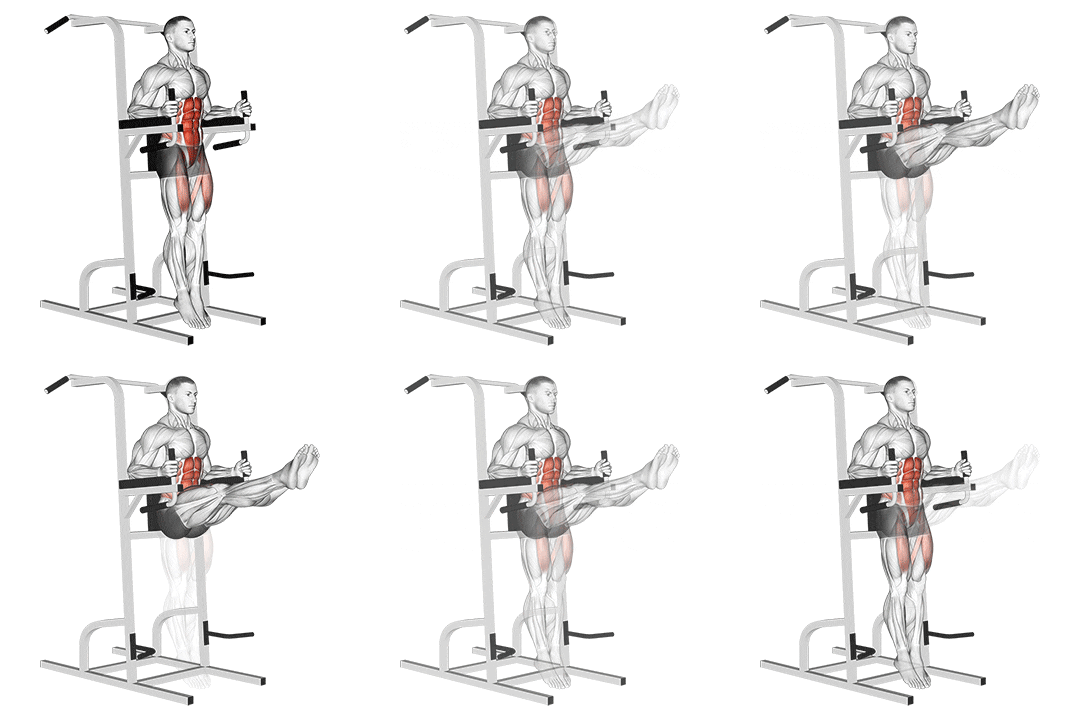
The captain's chair straight leg raise is an exercise that primarily targets the muscles of the lower abdominal region, including the rectus abdominis. It also engages the hip flexors and the obliques to a lesser extent. This exercise helps strengthen and tone the abdominal muscles, improve core stability, and enhance overall core strength. ## Instructions 1. Position yourself on the captain's chair, which typically consists of a padded backrest and armrests with handles. 2. Place your forearms on the armrests and grip the handles for stability. 3. Keep your upper body straight, and allow your legs to hang freely. 4. Engage your core muscles by drawing your navel towards your spine. 5. Maintaining a straight back, exhale and slowly raise your legs until they are parallel to the floor or slightly higher. 6. Pause briefly at the top of the movement, squeezing your abdominal muscles. 7. Inhale and slowly lower your legs back to the starting position, avoiding any swinging or jerking motions. 8. Repeat for the desired number of repetitions. ## Variations - Bent knee raise: If you find the straight leg raise too challenging, you can perform the exercise with bent knees. Instead of extending your legs fully, bring your knees towards your chest while engaging your core. - Weighted leg raise: To increase the intensity, you can hold a dumbbell or ankle weights between your feet while performing the leg raise. - Oblique twist: Instead of raising your legs straight up, twist your hips to one side as you lift your legs, engaging the oblique muscles. Alternate sides with each repetition. ## Muscles Worked - Rectus abdominis (lower abs) - Hip flexors - Obliques (secondary) ## Common Mistakes - Swinging or using momentum: Avoid swinging your legs or using momentum to lift them. Focus on controlled movements, using your core muscles to raise and lower your legs. - Arching the back: Maintain proper form by keeping your back straight throughout the exercise. Avoid arching your back excessively, as it can strain the lower back. - Raising the legs too high: Lift your legs until they are parallel to the floor or slightly higher. Raising them too high can shift the focus away from the abdominal muscles and place unnecessary stress on the lower back. - Holding your breath: Remember to breathe throughout the exercise. Exhale as you raise your legs and inhale as you lower them. ## Safety Precautions - If you have any pre-existing back or abdominal injuries or conditions, consult with a qualified fitness professional or healthcare provider before attempting this exercise. - Start with a comfortable range of motion and gradually increase the difficulty over time. - Perform the exercise in a controlled manner to minimize the risk of injury. - Avoid excessive strain on the neck by keeping it in a neutral position. - If you experience any pain or discomfort during the exercise, stop immediately and consult a healthcare professional. - Engage your core muscles throughout the exercise to maintain stability and protect your lower back. - Use proper grip and stability on the captain's chair to ensure your safety and balance.
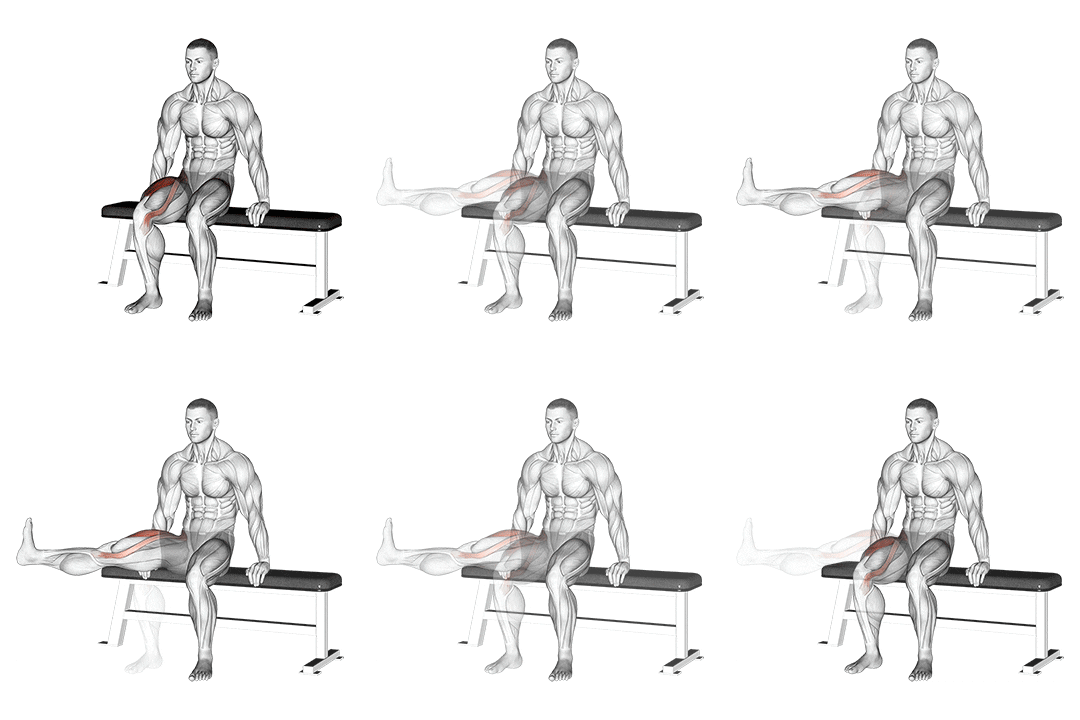
The chair leg extended stretch is an exercise that targets the muscles of the hamstrings, specifically the muscles at the back of the thigh. This stretch helps improve flexibility and mobility in the hamstrings, enhances lower body range of motion, and can assist in relieving tightness or discomfort in the hamstring muscles. ## Instructions 1. Begin by sitting on the edge of a sturdy chair or bench with your back straight and feet flat on the floor. 2. Extend one leg straight out in front of you, keeping your heel on the ground and toes pointing upward. 3. Flex your foot by pulling your toes toward your body, engaging the muscles of the calf and shin. 4. Keeping your back straight, hinge forward at the hips, leaning your torso gently toward your extended leg. 5. Maintain a slight bend in your knee to avoid hyperextension, but try to keep the leg as straight as possible. 6. You should feel a gentle stretch in the back of your thigh (hamstring). Hold the stretch for 20-30 seconds, or as long as comfortable. 7. Slowly return to the starting position and repeat the stretch with the other leg. 8. Repeat the stretch for each leg 2-3 times. ## Variations - Seated hamstring stretch: If sitting on the edge of a chair is uncomfortable, you can perform the same stretch while seated on the floor. Extend one leg straight out in front of you, bend the other leg with the foot flat on the floor, and lean forward to stretch the hamstring. - Towel-assisted stretch: To deepen the stretch, you can loop a towel or resistance band around the ball of your foot and gently pull on the towel while performing the stretch. ## Muscles Worked - Hamstrings (muscles at the back of the thigh) ## Common Mistakes - Rounding the back: Maintain a straight back throughout the stretch to target the hamstrings effectively. Avoid rounding or hunching the back. - Overstretching: Do not force yourself into a deep stretch or push beyond your comfort level. Stretch to a point of mild tension, not pain. - Locking the knee: Keep a slight bend in your knee to prevent hyperextension and excessive stress on the knee joint. - Bouncing or jerking: Perform the stretch in a controlled manner without any bouncing or jerking movements. Gradually ease into the stretch and maintain a steady position. ## Safety Precautions - If you have any pre-existing injuries or conditions, such as hamstring strains or knee problems, consult with a qualified healthcare professional or physical therapist before attempting this stretch. - Avoid the stretch if you feel sharp or severe pain in the hamstrings or any other discomfort that worsens during the stretch. - Perform the stretch on a stable chair or bench to ensure safety and balance. - Remember to breathe deeply and relax into the stretch, allowing the muscles to gradually release and lengthen. - If you experience any pain or discomfort, stop the stretch immediately and seek medical advice.
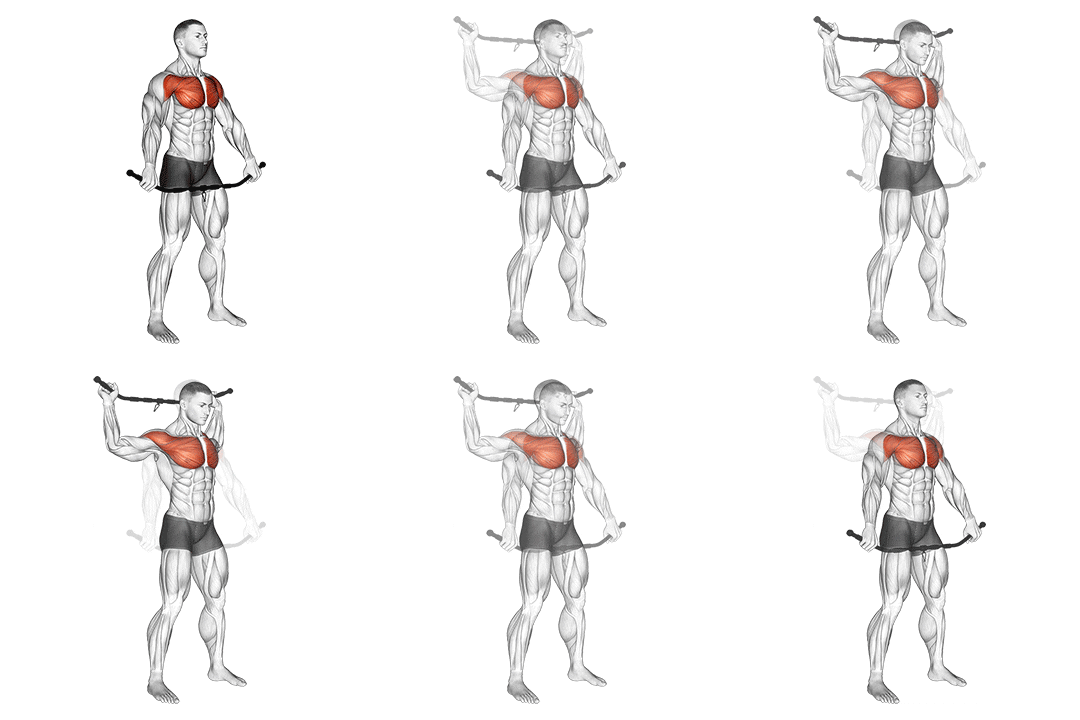
The chest and front of shoulder stretch is an exercise that targets the muscles in the chest and the front of the shoulders. It helps to improve flexibility, relieve tension in the upper body, and counteract the effects of poor posture. ## Instructions 1. Stand tall with your feet hip-width apart. 2. Interlace your fingers behind your back, with your palms facing inward. 3. Straighten your arms and gently lift them away from your body. 4. While keeping your arms straight, slowly lift them upward until you feel a stretch in your chest and shoulders. 5. Hold the stretch for 20-30 seconds while breathing deeply. 6. Relax your arms and release the interlaced fingers. 7. Repeat the stretch for 2-3 sets. ## Variations - Standing Wall Stretch: Stand facing a wall and place your palms flat against the wall at shoulder height. Lean forward, keeping your arms straight, until you feel a stretch in your chest and shoulders. - Seated Chest Opener: Sit on the edge of a chair and interlace your fingers behind your back. Press your chest forward and gently lift your arms, feeling a stretch in your chest and shoulders. ## Muscles Worked - Pectoralis major (chest muscles) - Anterior deltoid (front of the shoulder) ## Common Mistakes - Arching the back: Avoid overarching the lower back while performing the stretch. Maintain a neutral spine position. - Shrugging the shoulders: Keep your shoulders relaxed and down throughout the stretch. Avoid tensing or lifting them up. - Straining the neck: Ensure that you keep your neck relaxed and avoid straining or tilting it backward. ## Safety Precautions - If you have any shoulder or neck injuries, consult with a healthcare professional before attempting this stretch. - Start with gentle movements and gradually increase the intensity of the stretch. - Do not force the stretch beyond your comfort level. Stop if you experience any pain. - Breathe deeply and maintain relaxed breathing throughout the exercise. - If you feel dizzy or lightheaded, stop the stretch and rest.
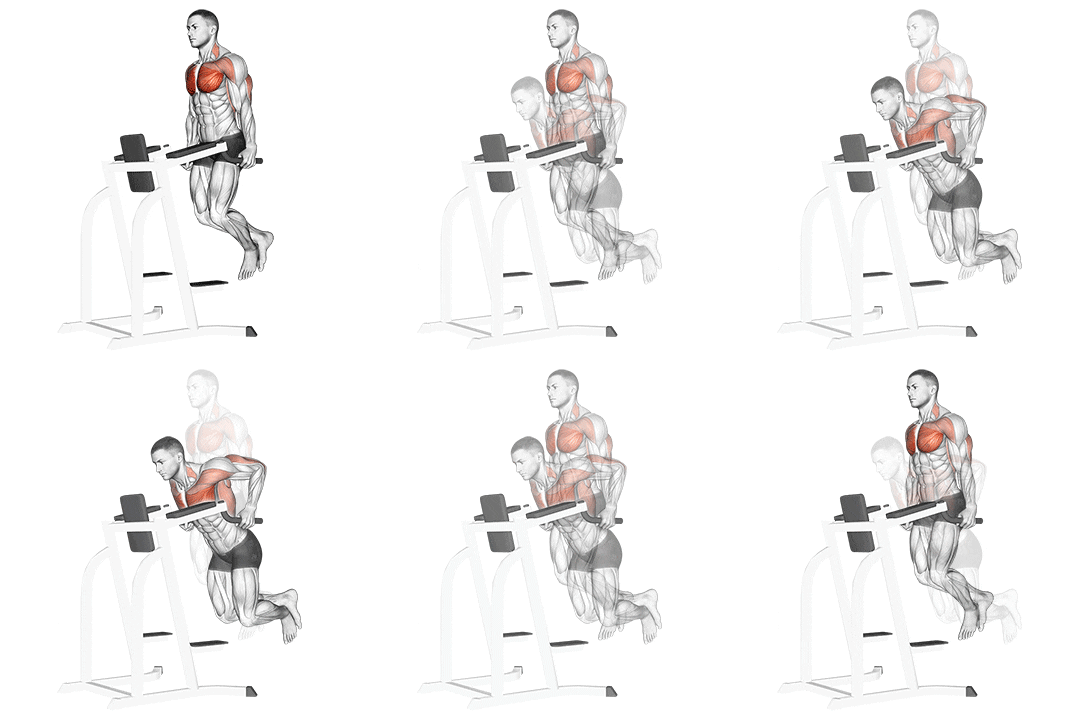
The chest dip is an exercise that primarily targets the muscles in the chest, triceps, and shoulders. It is a compound exercise that helps strengthen and tone the upper body, particularly the chest muscles. ## Instructions 1. Position yourself between a set of parallel bars, such as dip bars or two sturdy platforms. Ensure that the bars are stable and can support your body weight. 2. Grab the bars with an overhand grip, slightly wider than shoulder-width apart. Straighten your arms and lift yourself up, so your arms are fully extended. This is your starting position. 3. Bend your elbows and lower your body slowly while leaning forward slightly. Keep your chest up and your torso straight. 4. Continue lowering yourself until your shoulders are below your elbows or you feel a stretch in your chest. 5. Pause for a moment at the bottom of the movement, then push through your hands and extend your elbows to raise your body back to the starting position. 6. Repeat the exercise for the desired number of repetitions. ## Variations - Assisted Chest Dip: If you find the exercise too challenging, you can use an assisted dip machine or resistance bands to support some of your body weight. - Bench Dip: Instead of using parallel bars, you can perform dips using a bench. Sit on the edge of a bench with your hands next to your hips, fingers facing forward. Extend your legs and slide your hips forward off the bench. Lower your body by bending your elbows, then push back up to the starting position. ## Muscles Worked - Pectoralis major (chest muscles) - Triceps brachii (back of the upper arm) - Anterior deltoid (front of the shoulder) - Rhomboids and lower traps (back muscles, to stabilize the shoulders) ## Common Mistakes - Dropping the shoulders: Avoid letting your shoulders shrug or hunch up toward your ears. Keep them down and stable throughout the exercise. - Leaning too far forward: Maintain a slight forward lean but avoid excessive leaning, as it shifts the emphasis away from the chest and places more stress on the shoulders. - Locking the elbows at the top: Do not fully lock out your elbows at the top of the movement. Keep a slight bend to maintain tension in the muscles. ## Safety Precautions - Ensure that the dip bars or platforms are secure and can safely support your body weight. - Start with a manageable level of difficulty and gradually increase intensity as you get stronger. - Keep your core engaged and maintain proper form throughout the exercise. - If you have any shoulder, elbow, or wrist injuries or conditions, consult with a healthcare professional before attempting this exercise. - Listen to your body and avoid any movement that causes pain or discomfort.