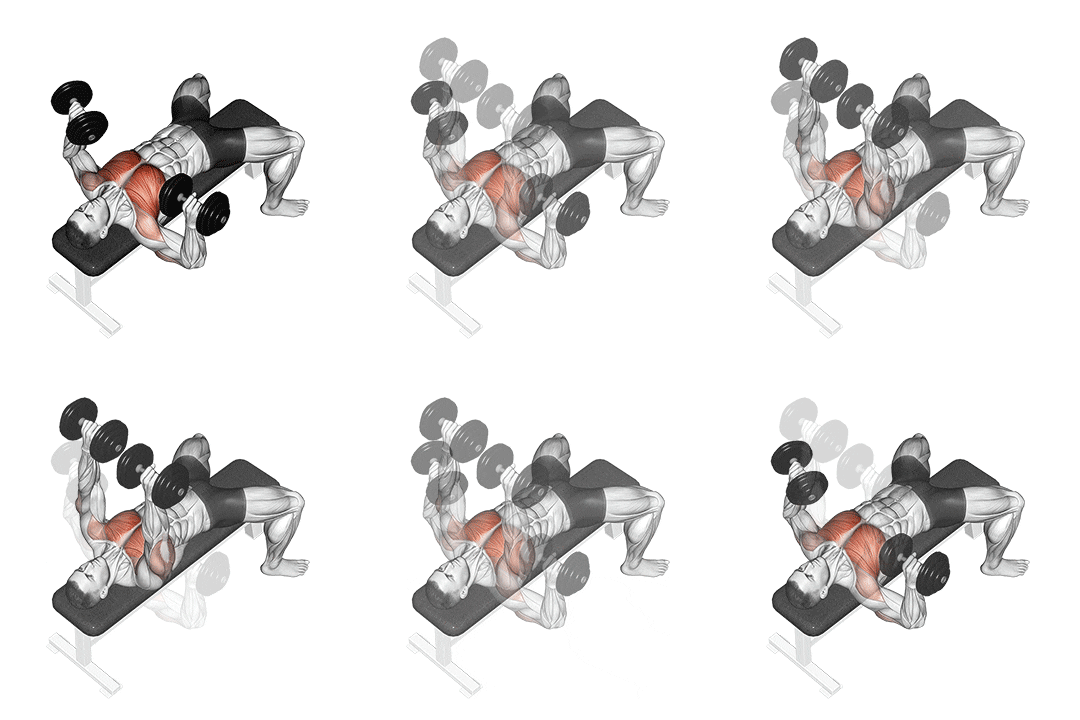
The dumbbell bench press is a popular strength training exercise that targets the muscles of the chest, triceps, and shoulders. It is performed lying on a bench, using dumbbells instead of a barbell. This exercise helps build upper body strength, muscle mass, and overall pushing power. It also engages the stabilizer muscles to a greater extent compared to the barbell bench press. ## Instructions 1. Begin by sitting on a flat bench with a dumbbell in each hand. Place your feet firmly on the floor and ensure your back is well-supported. 2. Carefully lie back on the bench and position the dumbbells at shoulder level, with your palms facing forward. 3. Engage your core and firmly grip the dumbbells, maintaining a slight bend in your elbows. 4. Take a deep breath, and as you exhale, push the dumbbells upward while straightening your arms. The dumbbells should move vertically, avoiding any lateral or twisting movements. 5. Extend your arms fully but do not lock your elbows at the top of the movement. 6. Inhale as you slowly lower the dumbbells back to the starting position, maintaining control and keeping your elbows slightly below shoulder level. 7. Repeat the exercise for the desired number of repetitions. ## Variations - Incline Dumbbell Bench Press: Perform the dumbbell bench press on an incline bench set at an angle between 30-45 degrees. This variation targets the upper chest muscles to a greater extent. - Decline Dumbbell Bench Press: Perform the exercise on a decline bench set at an angle between 15-30 degrees. This variation emphasizes the lower chest muscles. - Neutral Grip Dumbbell Bench Press: Instead of a palms-forward grip, use dumbbells with a neutral grip (palms facing each other). This variation can reduce stress on the shoulders and emphasize the triceps. - Alternating Dumbbell Bench Press: Perform the exercise by pressing one dumbbell at a time while keeping the other arm in the starting position. This variation improves stability and addresses muscle imbalances. ## Muscles Worked - Primary Muscles: Pectoralis Major (Chest), Anterior Deltoids (Shoulders) - Secondary Muscles: Triceps Brachii (Triceps), Serratus Anterior (Stabilizer Muscles) ## Common Mistakes - Flaring Elbows: Avoid excessively flaring your elbows out to the sides. Keep them at a 45-degree angle to your torso throughout the movement to protect the shoulders and maximize chest activation. - Overarching the Lower Back: Maintain a natural arch in your lower back and avoid excessive arching or lifting your hips off the bench. This helps maintain proper form and prevents lower back strain. - Bouncing the Weights: Maintain control and avoid bouncing the dumbbells off your chest. Use a slow and controlled tempo to ensure the muscles are engaged throughout the exercise. - Using Excessive Weight: Choose an appropriate weight that allows you to maintain proper form and complete the desired number of repetitions with control. Using weights that are too heavy can compromise your form and increase the risk of injury. ## Safety Precautions - Warm up your chest, shoulders, and triceps with dynamic stretches or light cardio before performing the exercise. - Use a spotter when handling heavy weights, especially if you're new to the exercise or pushing yourself to failure. - Ensure that the bench you're using is stable and secure to avoid any accidents or injuries. - If you have any pre-existing shoulder, wrist, or lower back issues, consult with a fitness professional or healthcare provider before attempting this exercise. - Focus on proper breathing throughout the exercise. Exh
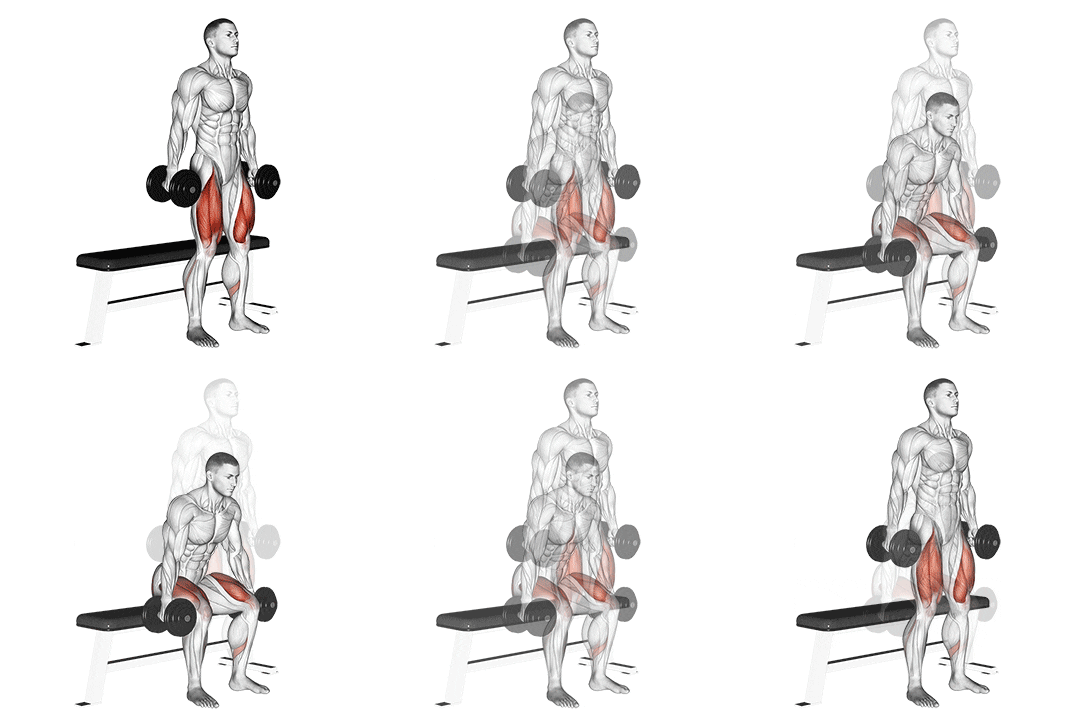
The dumbbell bench squat is a compound exercise that targets the muscles of the lower body, including the quadriceps, hamstrings, glutes, and calves. It is a variation of the traditional squat exercise that uses a bench for support and stability. This exercise helps improve lower body strength, build muscle mass, and enhance overall lower body function. ## Instructions 1. Begin by standing in front of a bench with your feet shoulder-width apart. Hold a dumbbell in each hand, allowing them to hang at your sides. 2. Engage your core, maintain an upright posture, and take a deep breath. 3. Start the movement by bending your knees and pushing your hips back as if you were going to sit on the bench. 4. Continue lowering your body until your glutes touch or come close to touching the bench. Your thighs should be parallel to the floor or slightly below. 5. Pause briefly in the bottom position, then drive through your heels and extend your knees and hips to stand back up. 6. Maintain control throughout the movement, keeping your chest lifted and your spine neutral. 7. Repeat the exercise for the desired number of repetitions. ## Variations - Goblet Dumbbell Bench Squat: Hold a single dumbbell vertically against your chest, gripping it with both hands. This variation places greater emphasis on the core muscles and upper back. - Dumbbell Front Squat: Hold the dumbbells in a racked position, with your palms facing upward and the dumbbells resting on your shoulders. This variation targets the quadriceps and core muscles to a greater extent. - Bulgarian Split Squat: Place one foot on a bench behind you and perform a squat with the other leg. This variation targets each leg individually and improves balance and stability. ## Muscles Worked - Primary Muscles: Quadriceps, Hamstrings, Glutes - Secondary Muscles: Calves, Core Muscles ## Common Mistakes - Leaning Too Far Forward: Avoid leaning excessively forward during the squat. Keep your chest lifted and maintain an upright posture throughout the movement. - Allowing Knees to Cave Inward: Be mindful of your knee alignment and prevent them from collapsing inward. Keep your knees in line with your toes during the squat. - Not Lowering to Proper Depth: Aim to lower your body until your thighs are parallel to the floor or slightly below. Failing to reach this depth limits the effectiveness of the exercise. - Rounding the Lower Back: Maintain a neutral spine throughout the squat. Avoid rounding or arching your lower back, as it can lead to discomfort or injury. ## Safety Precautions - Use a bench that is sturdy and secure to provide stability during the exercise. - Start with lighter weights or bodyweight squats if you are new to the exercise or have any mobility limitations. - Focus on proper form and technique rather than the amount of weight lifted. Gradually increase the resistance as your strength and technique improve. - If you have any pre-existing knee or lower back issues, consult with a fitness professional or healthcare provider before attempting this exercise. - Listen to your body and stop the exercise if you experience pain or discomfort.
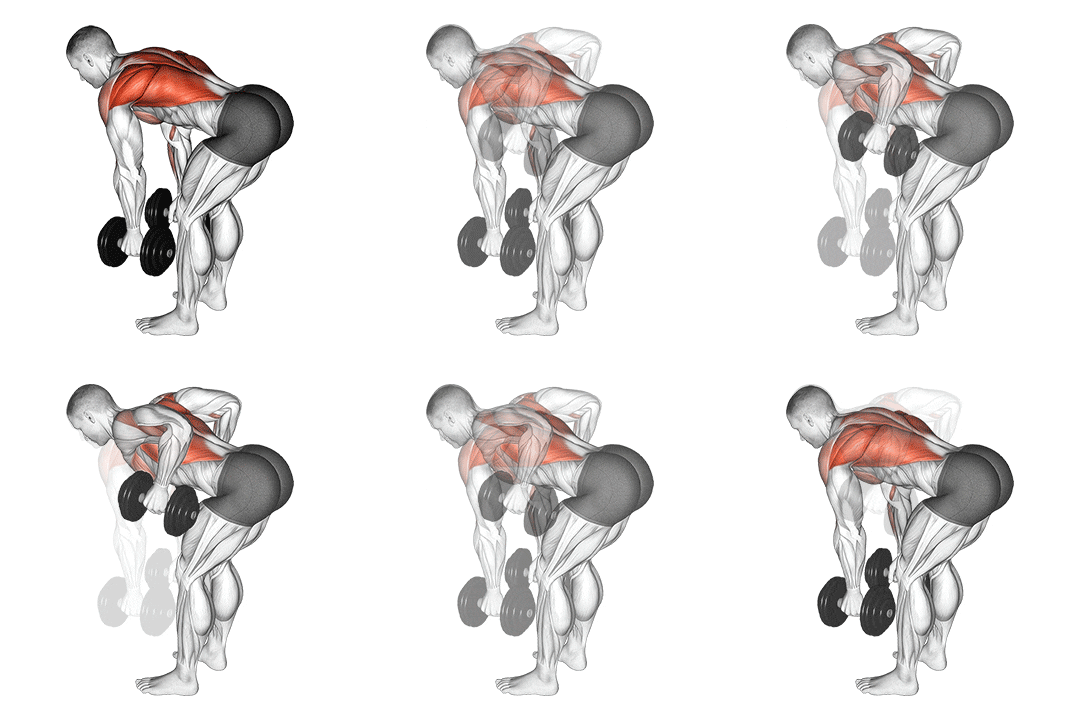
The dumbbell bent over row is a compound exercise that primarily targets the muscles of the upper back, including the latissimus dorsi (lats), rhomboids, and trapezius. It also engages the biceps and forearms, making it an effective exercise for developing upper body strength and improving posture. ## Instructions 1. Begin by standing with your feet shoulder-width apart, holding a dumbbell in each hand with an overhand grip (palms facing your body). 2. Hinge forward at the hips while maintaining a slight bend in your knees. Keep your back straight, chest up, and core engaged. 3. Allow your arms to hang down naturally, fully extended, with the dumbbells in front of your thighs. 4. Initiate the movement by pulling the dumbbells upward towards your ribcage, leading with your elbows. Keep your arms close to your body throughout the exercise. 5. Squeeze your shoulder blades together at the top of the movement and hold for a brief pause. 6. Lower the dumbbells back down to the starting position in a controlled manner, fully extending your arms. 7. Repeat the exercise for the desired number of repetitions. ## Variations - Single-Arm Dumbbell Bent Over Row: Perform the exercise one arm at a time while bracing yourself with the opposite hand on a bench or other support. This variation helps improve balance and targets each side of the back individually. - Wide Grip Dumbbell Bent Over Row: Hold the dumbbells with a wider grip, placing your hands outside of shoulder-width. This variation emphasizes the outer back muscles and can help develop a broader back. - Underhand Grip Dumbbell Bent Over Row: Hold the dumbbells with an underhand grip (palms facing away from your body). This variation shifts some of the emphasis to the biceps and forearms while still targeting the back muscles. ## Muscles Worked - Primary Muscles: Latissimus Dorsi (Lats), Rhomboids, Trapezius (Upper and Middle Fibers) - Secondary Muscles: Biceps Brachii, Brachialis, Brachioradialis, Forearm Muscles ## Common Mistakes - Rounded or Arched Back: Maintain a neutral spine throughout the exercise and avoid rounding or arching your back. Engage your core and keep your back straight to protect your spine and maintain proper form. - Using Momentum: Avoid using momentum to lift the dumbbells. Focus on controlled movements and a slow, controlled tempo to effectively engage the targeted muscles. - Raising Shoulders: Keep your shoulders down and relaxed throughout the exercise. Avoid shrugging your shoulders up towards your ears, as this can limit the involvement of the back muscles. - Pulling with the Arms: Instead of primarily relying on your arm strength, focus on initiating the movement from your back muscles. Visualize pulling your elbows back and squeezing your shoulder blades together. ## Safety Precautions - Use a weight that allows you to maintain proper form throughout the exercise. Start with lighter weights and gradually increase the resistance as your strength and technique improve. - Keep your core engaged and maintain a stable base of support by bracing your abs and using a shoulder-width stance. - If you have any pre-existing back or shoulder issues, consult with a fitness professional or healthcare provider before attempting this exercise. - Warm up your back and shoulders with dynamic stretches or light cardio before performing the exercise. - Listen to your body and avoid any exercise that causes pain or discomfort.
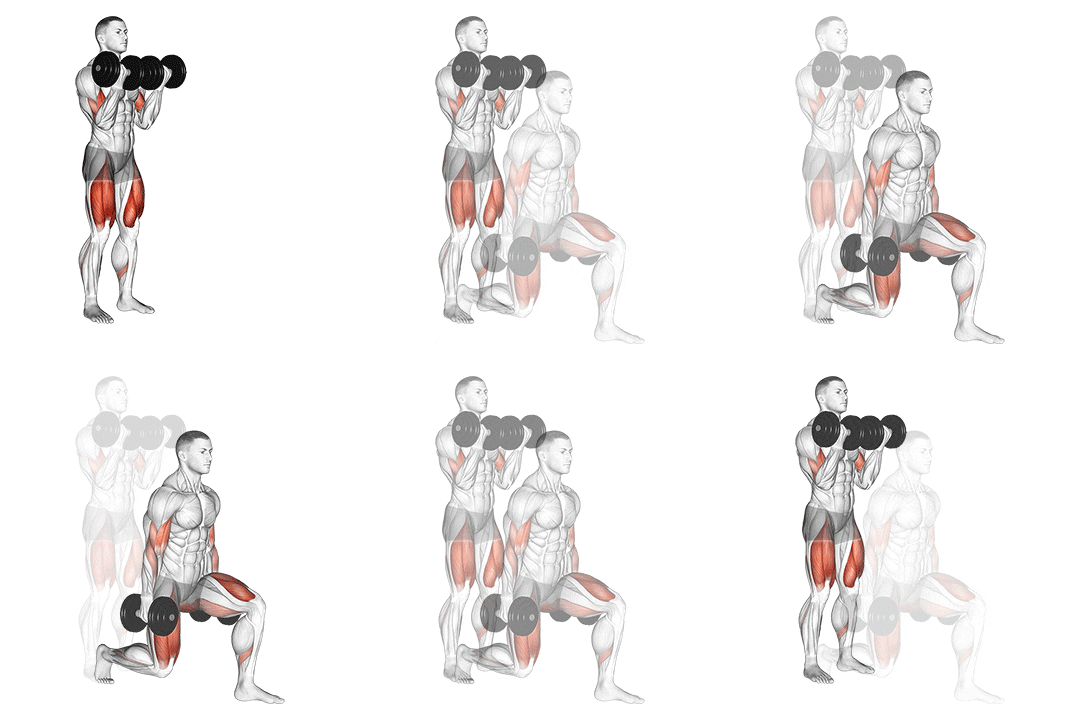
The dumbbell bicep curl lunge with bowling motion is a dynamic exercise that combines the bicep curl, lunge, and bowling motion to target multiple muscle groups simultaneously. This exercise primarily targets the biceps, quadriceps, and glutes, while also engaging the core muscles and improving coordination and balance. ## Instructions 1. Start by standing with your feet shoulder-width apart, holding a dumbbell in each hand, palms facing forward. 2. Take a step forward with your right foot into a lunge position. Ensure that your knee is directly above your ankle and your back knee is slightly bent. 3. As you lower into the lunge, simultaneously perform a bicep curl by bending your elbows and bringing the dumbbells towards your shoulders. Keep your elbows close to your sides. 4. From the lunge position, push off with your right foot, straighten your leg, and simultaneously extend your arms forward, as if performing a bowling motion. Imagine releasing the dumbbells toward a target. 5. Return to the starting position by stepping your right foot back and lowering the dumbbells back down to the starting position. 6. Repeat the exercise on the other side by stepping forward with your left foot into a lunge and performing the bicep curl and bowling motion. 7. Continue alternating sides for the desired number of repetitions. ## Variations - Bodyweight Bicep Curl Lunge: Perform the exercise without using dumbbells, focusing on bodyweight resistance. This variation is suitable for beginners or individuals who want to focus on improving their form and coordination. - Single-Arm Bicep Curl Lunge with Bowling Motion: Hold a single dumbbell in one hand while performing the exercise. This variation increases the stability challenge and allows for greater focus on one side of the body at a time. - Dumbbell Hammer Curl Lunge with Bowling Motion: Instead of a traditional bicep curl with palms facing forward, perform a hammer curl with palms facing inward. This variation targets the brachialis muscle more prominently. ## Muscles Worked - Primary Muscles: Biceps, Quadriceps, Glutes - Secondary Muscles: Hamstrings, Calves, Core Muscles (Abdominals, Obliques) ## Common Mistakes - Lifting Too Heavy: Select dumbbells that allow you to maintain proper form throughout the exercise. Avoid using weights that compromise your balance or cause excessive strain on the joints. - Leaning Forward: Keep your torso upright and avoid leaning excessively forward during the lunge. This ensures proper alignment and engages the targeted muscle groups effectively. - Allowing the Knee to Extend Beyond the Toe: When lunging, ensure that your front knee does not extend beyond your toes to protect your knee joint. Maintain proper alignment by tracking the knee directly above the ankle. - Lack of Control: Maintain control throughout the exercise and avoid swinging the dumbbells or rushing through the movements. Focus on smooth and controlled motions to engage the muscles effectively. ## Safety Precautions - Warm up your muscles with light cardio or dynamic stretches before performing the exercise. - Choose a weight that challenges you but allows you to maintain proper form and control throughout the exercise. - If you have any knee or joint issues, consult with a fitness professional or healthcare provider before attempting this exercise. - Engage your core muscles throughout the exercise to maintain stability and protect your lower back. - Listen to your body and avoid any exercise that causes pain or discomfort.
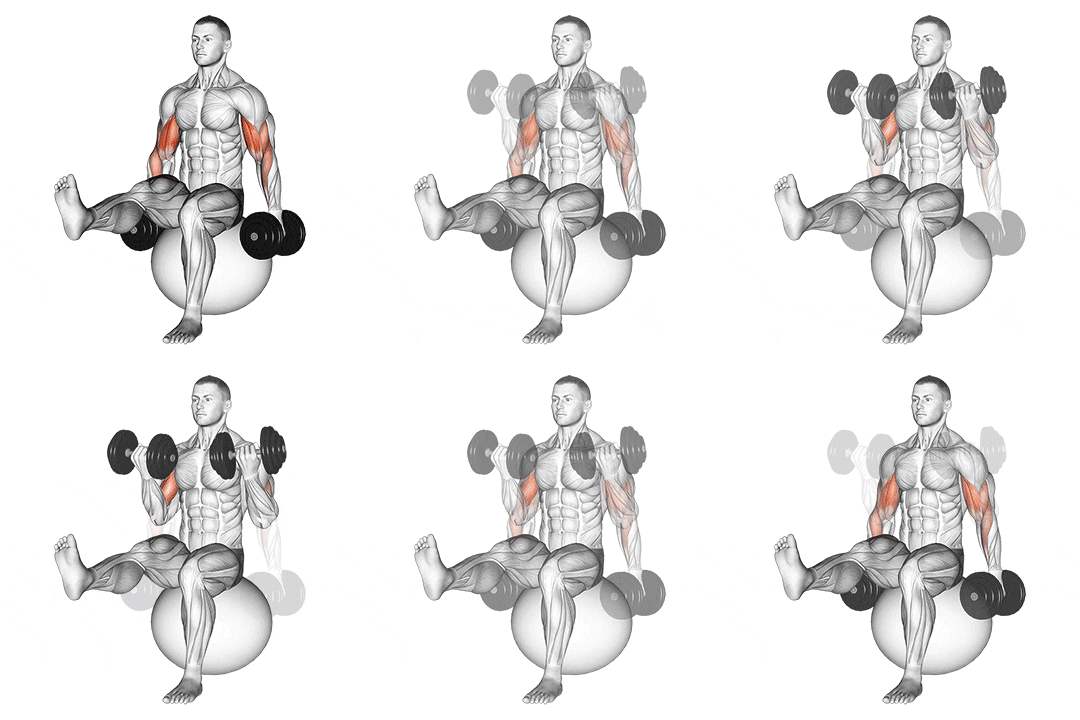
The dumbbell bicep curl on an exercise ball with the leg raised is a challenging exercise that targets the biceps, as well as engages the core muscles and enhances stability and balance. By performing the bicep curl on an unstable surface while raising one leg, this exercise activates additional muscles for stabilization and coordination. ## Instructions 1. Start by sitting on an exercise ball with your feet flat on the floor and a dumbbell in each hand, palms facing forward. 2. Slowly roll your body forward, walking your feet out until your lower back is supported on the exercise ball. Your knees should be bent at a 90-degree angle with your thighs parallel to the floor. Keep your core engaged for stability. 3. Lift your right foot a few inches off the ground, maintaining balance on your left foot. 4. With your arms fully extended and palms facing forward, perform a bicep curl by bending your elbows and bringing the dumbbells toward your shoulders. Keep your elbows close to your sides. 5. Hold the contracted position for a brief pause, feeling the tension in your biceps. 6. Slowly lower the dumbbells back to the starting position, fully extending your arms. 7. Repeat the exercise for the desired number of repetitions with the right foot raised, then switch legs and perform the exercise with the left foot raised. ## Variations - Single Dumbbell Bicep Curl on Exercise Ball: Perform the exercise using a single dumbbell held with both hands. This variation challenges your core stability further and allows for better control of the weight. - Dumbbell Hammer Curl on Exercise Ball with Leg Raised: Instead of a traditional bicep curl, perform a hammer curl with palms facing inward. This variation targets the brachialis muscle and provides a different stimulus to the biceps. - Progression: Once you have mastered the exercise with one leg raised, you can increase the difficulty by raising both legs off the ground, maintaining your balance solely on the exercise ball. ## Muscles Worked - Primary Muscles: Biceps - Secondary Muscles: Core Muscles (Abdominals, Obliques), Shoulder Stabilizers ## Common Mistakes - Using Excessive Momentum: Avoid swinging the dumbbells or using momentum to lift the weights. Focus on controlled movements, engaging the biceps throughout the exercise. - Arching or Rounding the Lower Back: Maintain a stable and neutral spine throughout the exercise. Avoid arching or rounding your lower back, as it can strain the muscles and compromise your balance. - Not Engaging the Core: Keep your core muscles engaged throughout the exercise to enhance stability and control. Imagine drawing your belly button in towards your spine. - Holding Your Breath: Remember to breathe continuously throughout the exercise. Inhale during the eccentric (lowering) phase and exhale during the concentric (lifting) phase. ## Safety Precautions - Ensure that the exercise ball is properly inflated and stable before use. Adjust the size of the ball according to your height to maintain proper form. - Start with lighter dumbbells and gradually increase the weight as your strength and stability improve. - If you have any balance or stability issues, perform this exercise near a wall or with a spotter for support. - Use controlled movements and maintain awareness of your body position to prevent falls or injury. - If you experience any pain or discomfort in your lower back or other areas, discontinue the exercise and consult with a fitness professional or healthcare provider.
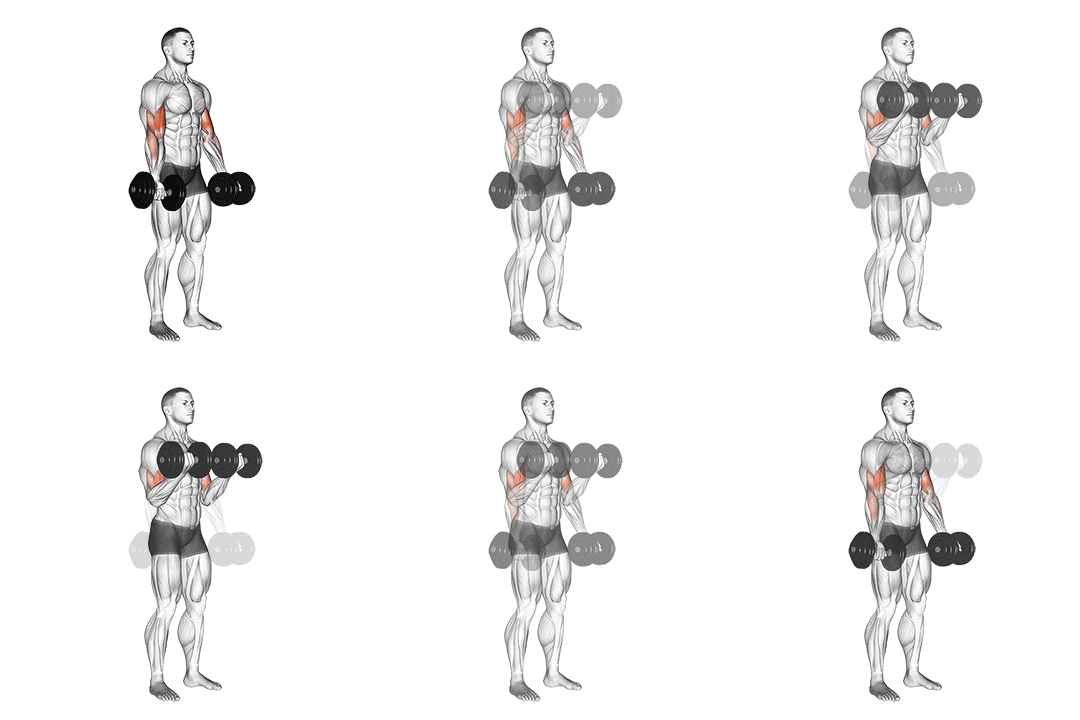
The dumbbell biceps curl is an exercise that primarily targets the biceps brachii muscles, located in the upper arm. It involves flexing the elbow joint to lift the dumbbells while keeping the upper arms stationary. This exercise helps to strengthen and tone the biceps, improving arm strength and aesthetics. ## Instructions 1. Stand up straight with a dumbbell in each hand, palms facing forward. Keep your feet shoulder-width apart. 2. Relax your shoulders and maintain a neutral spine throughout the exercise. 3. Engage your core muscles for stability. 4. Start with your arms fully extended, allowing the dumbbells to hang by your sides. 5. Keeping your upper arms stationary, exhale and slowly curl the dumbbells towards your shoulders by flexing your elbows. Focus on contracting your biceps. 6. Continue the movement until the dumbbells are at shoulder level or until you can no longer maintain proper form. 7. Hold the contracted position for a brief pause, squeezing your biceps. 8. Inhale and gradually lower the dumbbells back to the starting position while maintaining control. 9. Repeat the desired number of repetitions. ## Variations - Alternating Dumbbell Biceps Curl: Perform the exercise one arm at a time instead of using both arms simultaneously. This variation allows you to focus on each arm individually and can help improve muscle balance. - Hammer Curl: Hold the dumbbells with your palms facing your body throughout the movement. This variation targets not only the biceps but also the brachialis muscle, which lies underneath the biceps. - Seated Dumbbell Biceps Curl: Sit on a bench or chair while performing the exercise. This variation stabilizes the upper body and isolates the biceps. ## Muscles Worked The main muscles targeted during the dumbbell biceps curl are: - Biceps brachii (brachialis and brachioradialis to a lesser extent) - Forearm muscles (especially during grip and stabilization) ## Common Mistakes - Using momentum: Avoid swinging or using excessive body movement to lift the dumbbells. Maintain strict control throughout the exercise. - Rounding the back: Keep your back straight and avoid hunching or rounding your shoulders during the movement. - Lifting too heavy: Start with a weight that allows you to maintain proper form and gradually increase the weight as you become stronger. - Allowing the elbows to move forward: Keep your upper arms stationary and only use your elbows to flex and extend during the exercise. ## Safety Precautions - Start with a proper warm-up to prepare your muscles for the exercise. - Use an appropriate weight that challenges your muscles but allows you to maintain proper form. - If you have any pre-existing conditions or injuries, consult with a healthcare professional before attempting this exercise. - If you experience pain or discomfort, stop the exercise and seek guidance from a fitness professional. - Maintain control throughout the movement and avoid jerking or sudden movements that can strain your muscles or joints. - Stay hydrated and breathe naturally throughout the exercise.
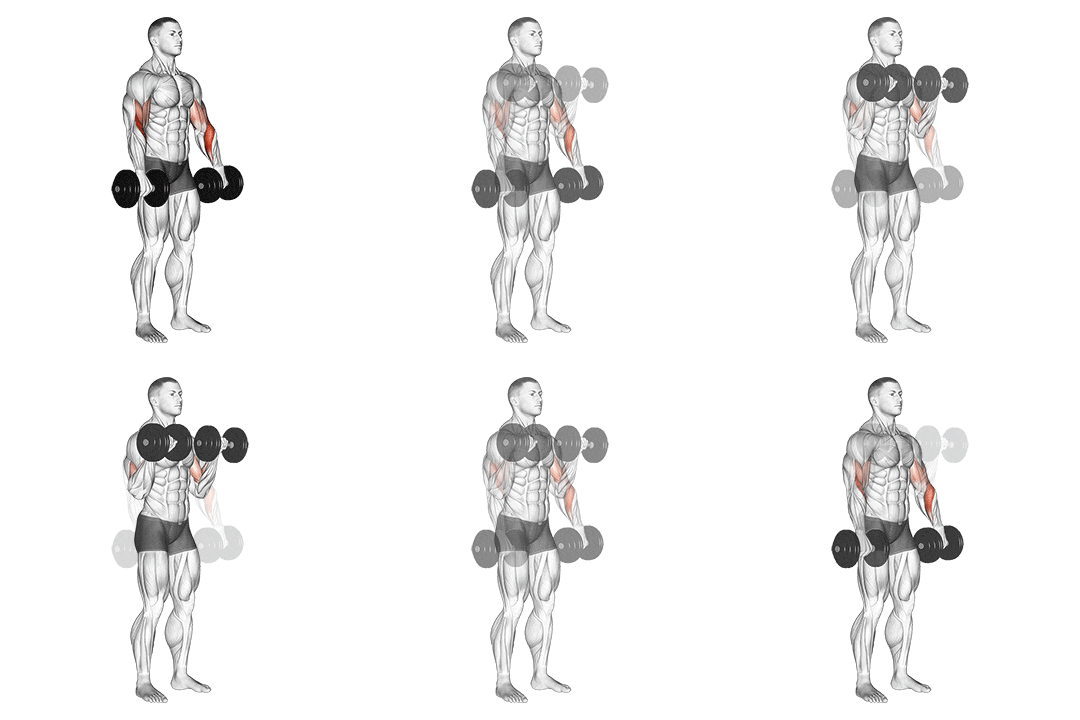
The dumbbell reverse biceps curl is an exercise that targets the brachialis and brachioradialis muscles in the forearms, as well as the biceps brachii muscles. This exercise involves flexing the elbows while holding the dumbbells with an overhand grip, which places more emphasis on the forearm muscles compared to the traditional biceps curl. It helps to develop overall arm strength and size while targeting the brachialis for a fuller appearance. ## Instructions 1. Stand up straight with a dumbbell in each hand, palms facing downward (overhand grip). 2. Keep your feet shoulder-width apart and maintain proper posture with a neutral spine. 3. Relax your shoulders and engage your core for stability. 4. Begin with your arms fully extended and the dumbbells resting against the front of your thighs. 5. Keeping your upper arms stationary, exhale and slowly curl the dumbbells towards your shoulders by flexing your elbows. 6. Focus on squeezing your forearms and biceps throughout the movement. 7. Continue the curl until the dumbbells reach shoulder level or until you can no longer maintain proper form. 8. Hold the contracted position for a brief pause, emphasizing the tension in your forearms and biceps. 9. Inhale and gradually lower the dumbbells back to the starting position while maintaining control. 10. Repeat the desired number of repetitions. ## Variations - Alternating Dumbbell Reverse Biceps Curl: Perform the exercise one arm at a time instead of using both arms simultaneously. This variation allows you to focus on each arm individually and can help improve muscle balance. - Hammer Grip Reverse Curl: Hold the dumbbells with a neutral grip (palms facing each other) instead of an overhand grip. This variation places more emphasis on the brachialis and brachioradialis muscles in the forearms. - Seated Dumbbell Reverse Biceps Curl: Sit on a bench or chair while performing the exercise. This variation stabilizes the upper body and isolates the biceps and forearms. ## Muscles Worked The main muscles targeted during the dumbbell reverse biceps curl are: - Brachialis - Brachioradialis - Biceps brachii - Forearm muscles (especially during grip and stabilization) ## Common Mistakes - Using momentum: Avoid swinging or using your body to lift the dumbbells. Keep the movement controlled and focus on the muscles being worked. - Rounding the back: Maintain proper posture throughout the exercise, keeping your back straight and shoulders relaxed. - Lifting too heavy: Begin with a weight that allows you to maintain proper form and gradually increase the weight as you become stronger. - Allowing the elbows to move forward: Keep your upper arms stationary and only use your elbows to flex and extend during the exercise. ## Safety Precautions - Warm up properly before starting the exercise to prepare your muscles for the workout. - Use a weight that challenges your muscles without compromising your form. - If you have any pre-existing conditions or injuries, consult with a healthcare professional before attempting this exercise. - If you experience pain or discomfort, stop the exercise and seek guidance from a fitness professional. - Control the movement throughout and avoid sudden or jerky motions that can strain your muscles or joints. - Stay hydrated and breathe naturally throughout the exercise.
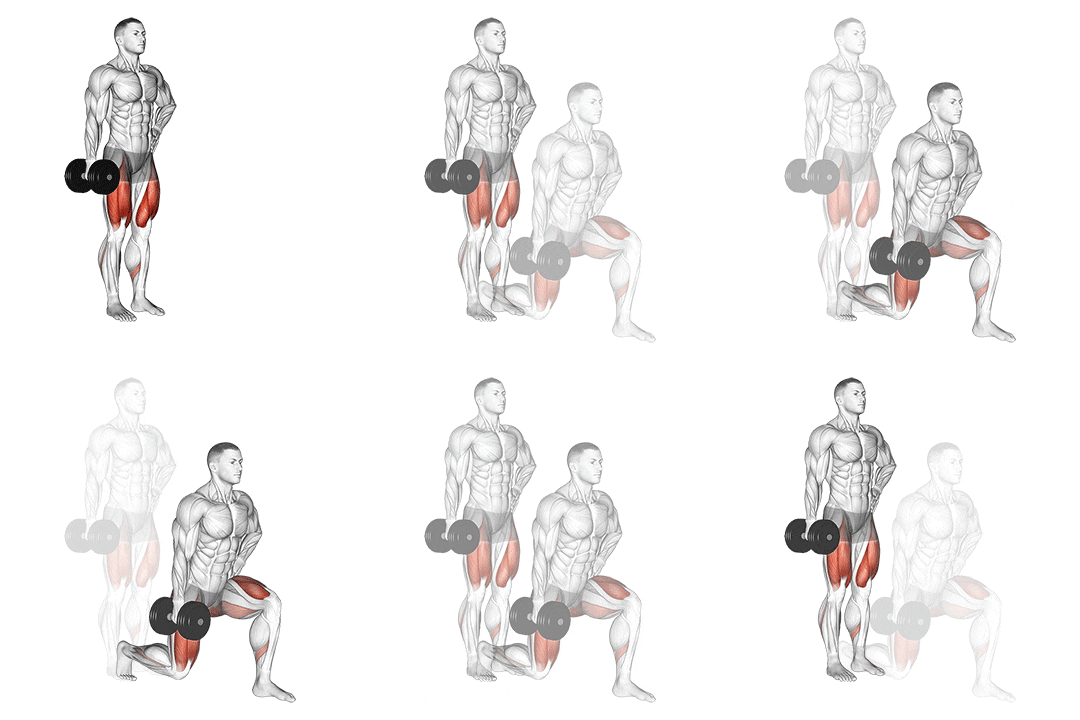
The dumbbell contralateral forward lunge is a lower body exercise that targets multiple muscle groups, including the quadriceps, glutes, hamstrings, and calves. It also engages the core muscles for stability and balance. This exercise involves stepping forward with one leg while simultaneously holding a dumbbell in the opposite hand, creating an asymmetrical load that adds an additional challenge to the movement. It helps improve lower body strength, stability, and coordination. ## Instructions 1. Stand tall with your feet hip-width apart and hold a dumbbell in your right hand at your side. 2. Take a controlled step forward with your left leg, ensuring you have enough space to lunge forward comfortably. 3. As you step forward, simultaneously lower your body by bending both knees. Keep your torso upright and maintain a straight back throughout the movement. 4. Continue descending until your front thigh is parallel to the ground, and your back knee is hovering just above the floor. 5. Pause for a moment in the bottom position, then push through your front heel to return to the starting position. 6. Repeat the movement for the desired number of repetitions, then switch sides by holding the dumbbell in your left hand and stepping forward with your right leg. ## Variations - Bodyweight Contralateral Forward Lunge: If you're new to lunges or don't have access to dumbbells, you can perform the exercise without weights. Follow the same instructions but without holding any dumbbells. - Barbell Contralateral Forward Lunge: For advanced weightlifters, you can use a barbell instead of dumbbells. Hold the barbell on your upper back with one hand as you perform the contralateral forward lunge. - Goblet Contralateral Forward Lunge: Instead of holding a dumbbell at your side, hold a dumbbell vertically in front of your chest, close to your body. This variation increases the demand on the core muscles. ## Muscles Worked - Quadriceps (front of the thigh) - Glutes (buttocks) - Hamstrings (back of the thigh) - Calves - Core muscles (abdominals, obliques) ## Common Mistakes - Allowing the front knee to extend beyond the toes: Make sure to step forward with a long enough stride to maintain a 90-degree angle at the front knee when descending into the lunge. - Collapsing the torso forward: Keep your torso upright throughout the movement and avoid leaning too far forward. - Not engaging the core: Activate your core muscles by maintaining a tight and stable midsection throughout the exercise. - Lack of control and balance: Focus on performing the movement slowly and with control to maintain balance and stability. ## Safety Precautions - Choose an appropriate dumbbell weight that allows you to maintain proper form and control throughout the exercise. - Prioritize stability and balance. Perform the exercise on a stable surface and ensure you have enough space around you to perform the lunges safely. - If you have any knee or lower back issues, consult with a healthcare professional or fitness trainer before attempting this exercise to determine if it's suitable for you. - Start with lighter weights or bodyweight lunges if you're new to the exercise and gradually increase the load as you become more comfortable and stronger. - If you experience pain or discomfort during the exercise, stop immediately and seek guidance from a qualified professional.
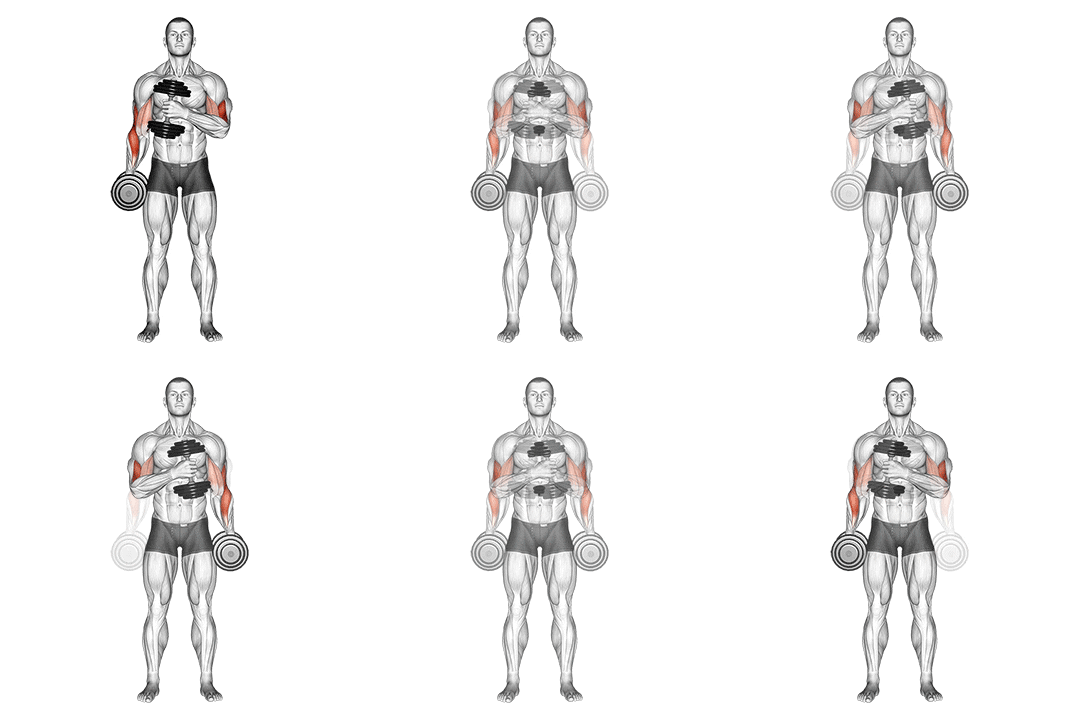
The dumbbell cross body hammer curl is an upper body exercise that primarily targets the biceps muscles. It involves curling the dumbbells in a cross-body motion, emphasizing the brachialis and brachioradialis muscles in addition to the biceps. This exercise helps build strength and size in the arms while also improving grip strength. ## Instructions 1. Stand tall with your feet shoulder-width apart and hold a dumbbell in each hand, palms facing your body. Keep your arms fully extended by your sides. 2. Initiate the movement by flexing your right elbow and curling the dumbbell upward across your body towards your left shoulder. Keep your palm facing your body throughout the motion. 3. Maintain a controlled movement and avoid using excessive momentum. 4. Continue curling until the dumbbell reaches shoulder level or slightly higher, then squeeze your biceps at the top of the movement. 5. Slowly lower the dumbbell back to the starting position while maintaining control. 6. Repeat the same movement with your left arm, curling the dumbbell across your body towards your right shoulder. 7. Alternate the arm movements, performing an equal number of repetitions on each side. ## Variations - Single-Arm Cross Body Hammer Curl: If you prefer to focus on one arm at a time, you can perform the exercise with a single dumbbell. Simply hold the dumbbell in one hand and perform the cross body hammer curl, then switch to the other arm. - Seated Cross Body Hammer Curl: Instead of standing, you can perform the exercise while seated on a bench or chair. This variation helps isolate the biceps and minimizes the involvement of other muscles for stabilization. - Resistance Band Cross Body Hammer Curl: If you don't have access to dumbbells, you can use resistance bands to perform the cross body hammer curl. Anchor the band under your feet and hold the handles, then follow the same motion as with dumbbells. ## Muscles Worked - Biceps brachii (main focus) - Brachialis - Brachioradialis ## Common Mistakes - Using excessive swinging or momentum: Keep the movement controlled and avoid swinging your body or using momentum to lift the weights. This ensures that the biceps are properly targeted. - Allowing the elbows to flare out: Keep your elbows close to your body throughout the movement to engage the biceps effectively and prevent unnecessary strain on the shoulders. - Curling the dumbbells too high: Avoid lifting the dumbbells higher than shoulder level, as this may shift the emphasis away from the biceps. - Not maintaining proper form: Keep a straight back, engage your core, and avoid arching or rounding your spine during the exercise. ## Safety Precautions - Start with lighter dumbbells and gradually increase the weight as you become stronger and more comfortable with the exercise. - Maintain a neutral wrist position throughout the movement to prevent strain or discomfort in the wrists. - If you have any pre-existing shoulder or elbow injuries, consult with a healthcare professional or fitness trainer before attempting this exercise. - Focus on proper breathing. Inhale during the eccentric (lowering) phase and exhale during the concentric (lifting) phase of the movement. - If you experience any pain or discomfort during the exercise, stop immediately and seek guidance from a qualified professional.