
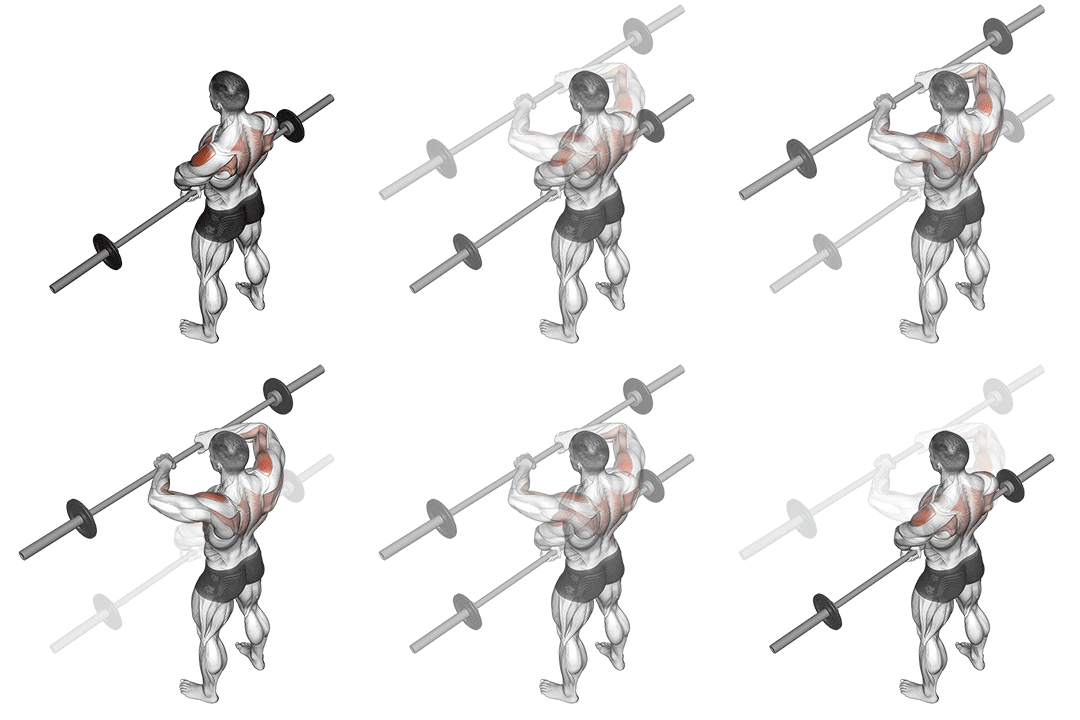
The barbell upright row is a compound exercise that primarily targets the muscles of the shoulders, specifically the deltoids (anterior and lateral heads), as well as the muscles of the upper back, including the trapezius and rhomboids. It involves lifting a barbell in a vertical motion close to the body, simulating the action of pulling a rope upward. The upright row is an effective exercise for developing shoulder strength, improving posture, and enhancing upper body aesthetics. ## Instructions 1. Begin by standing with your feet shoulder-width apart, holding a barbell in front of your thighs with an overhand grip. Your hands should be positioned slightly narrower than shoulder-width apart. 2. Engage your core muscles, keep your back straight, and maintain a neutral spine throughout the exercise. 3. Lift the barbell by pulling it straight up toward your chin, keeping it close to your body. Your elbows should be raised and out to the sides, leading the movement. 4. As you lift the barbell, focus on squeezing your shoulder blades together and driving your elbows upward. Keep the barbell close to your body throughout the movement. 5. Continue the upward motion until the barbell reaches chin height or slightly lower, while keeping your elbows above your forearms. 6. Hold the top position for a brief moment, focusing on the contraction of the shoulder muscles. 7. Slowly lower the barbell back down to the starting position in a controlled manner, allowing your arms to fully extend. 8. Repeat the movement for the desired number of repetitions. ## Variations - Dumbbell Upright Row: Perform the exercise using dumbbells instead of a barbell. This variation allows for greater freedom of movement and can provide an opportunity for unilateral training. - Cable Upright Row: Attach a straight bar or handle to a cable machine and perform the upright row motion. This variation provides constant tension throughout the movement. - Smith Machine Upright Row: Use a Smith machine instead of a barbell for added stability and control. ## Muscles Worked - Primary Muscles: Deltoids (Anterior, Lateral), Trapezius, Rhomboids - Secondary Muscles: Biceps, Forearms ## Common Mistakes - Using excessive weight: Avoid using a weight that compromises your form and causes excessive stress on your joints. Start with a manageable weight and gradually increase as you gain strength and maintain proper form. - Shrugging the shoulders: Maintain a relaxed and stable neck position throughout the exercise. Avoid shrugging your shoulders toward your ears, as it can cause unnecessary tension and strain. - Elbows too high or too low: Raise your elbows out to the sides in a controlled manner, keeping them slightly higher than your forearms. Avoid excessively raising them above shoulder height or allowing them to drop too low. - Using momentum: Avoid using momentum or swinging the weight to lift it. Focus on controlled and deliberate movements to engage the targeted muscles effectively. - Gripping the bar too wide or narrow: Find a grip width that feels comfortable and allows for a natural movement pattern. Avoid gripping the barbell too wide or narrow, as it can strain the wrists and shoulders. ## Safety Precautions - Warm up your shoulders and upper back with dynamic stretches or lighter exercises before performing the barbell upright row. - Ensure that you have proper shoulder mobility and flexibility before attempting this exercise. If you have any shoulder issues or limitations, consult with a healthcare professional or fitness trainer. - Use an appropriate weight that allows you to maintain proper form and technique throughout the movement. - Avoid jerking or using excessive force during the exercise. Focus on controlled movements and engage the target muscles. - If you experience any
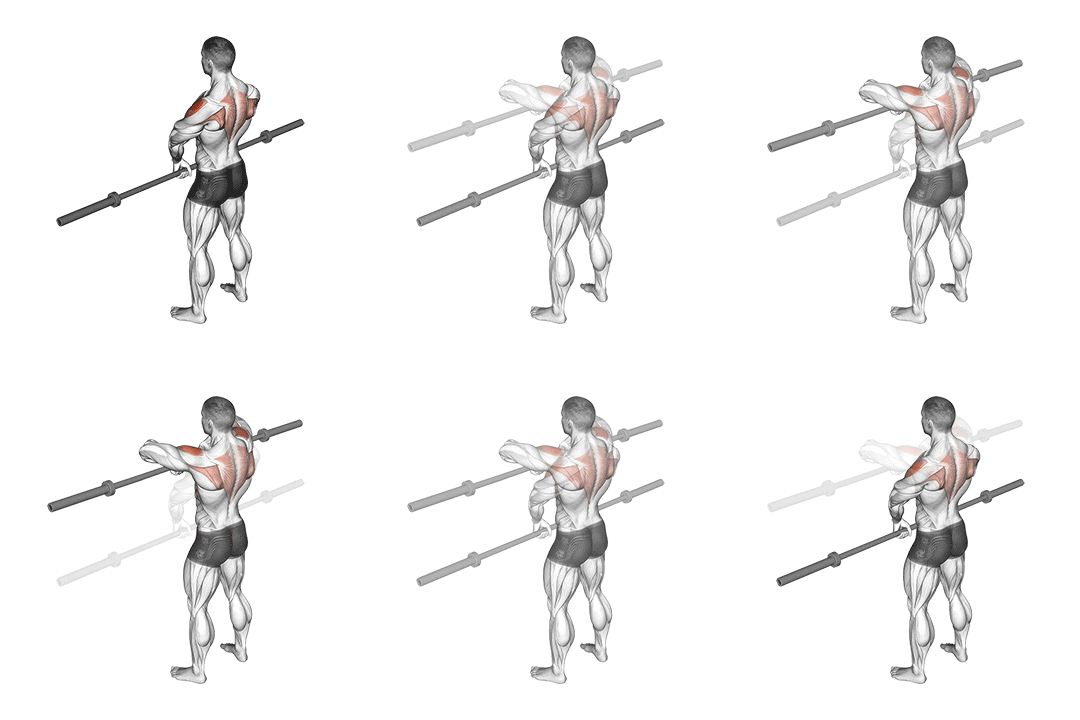
The barbell upright row is a compound exercise that primarily targets the muscles of the shoulders, including the deltoids (anterior and lateral heads), as well as the upper back muscles, such as the trapezius and rhomboids. This exercise involves lifting a barbell in a vertical motion close to the body, simulating the action of pulling a rope upward. The barbell upright row helps to develop shoulder strength, improve posture, and enhance upper body aesthetics. ## Instructions 1. Start by standing with your feet shoulder-width apart, holding a barbell with an overhand grip. Your hands should be positioned slightly narrower than shoulder-width apart. 2. Engage your core muscles and maintain an upright posture with your chest lifted and shoulders relaxed. 3. Allow the barbell to hang in front of your thighs, arms fully extended. 4. Initiate the movement by pulling the barbell straight up toward your chin. Keep the barbell close to your body throughout the entire motion. 5. As you lift the barbell, focus on driving your elbows up and out to the sides. Your elbows should be higher than your forearms. 6. Continue pulling until the barbell reaches chest height or just below your chin, maintaining tension in your shoulder muscles. 7. Pause briefly at the top of the movement, feeling the contraction in your shoulders and upper back. 8. Slowly lower the barbell back down to the starting position in a controlled manner, fully extending your arms. 9. Repeat the movement for the desired number of repetitions. ## Variations - Dumbbell Upright Row: Instead of using a barbell, you can perform the upright row with dumbbells. This variation allows for greater range of motion and can help improve muscle balance. - Cable Upright Row: Attach a straight bar or handle to a cable machine and perform the upright row motion. This variation provides constant tension throughout the exercise. - Smith Machine Upright Row: Utilize a Smith machine for added stability and control during the movement. ## Muscles Worked - Primary Muscles: Deltoids (Anterior, Lateral), Trapezius, Rhomboids - Secondary Muscles: Biceps, Forearms ## Common Mistakes - Using excessive weight: It's important to use a weight that allows you to maintain proper form and control throughout the exercise. Avoid using too much weight, as it can compromise your technique and increase the risk of injury. - Rounding the back: Keep your back straight and avoid rounding or hunching your shoulders forward during the movement. Engage your core muscles to maintain stability and proper alignment. - Elevating the shoulders: Avoid shrugging your shoulders upward towards your ears. Keep your shoulders relaxed and focus on driving the elbows up and out to the sides. - Swinging the barbell: Maintain a controlled and deliberate motion throughout the exercise. Avoid using momentum or swinging the barbell to lift it. The focus should be on the muscles' contraction and control. - Grip width: Find a grip width that feels comfortable for you. Avoid gripping the barbell too wide or narrow, as it may put unnecessary strain on your wrists and shoulders. ## Safety Precautions - Warm up your shoulders and upper body with dynamic stretches or lighter exercises before performing the barbell upright row. - Ensure that you have proper shoulder mobility and flexibility before attempting this exercise. If you have any pre-existing shoulder issues or limitations, consult with a healthcare professional or a qualified fitness trainer. - Use an appropriate weight that allows you to maintain proper form and technique throughout the movement. - Focus on a controlled and deliberate motion rather than jerking or using excessive force. This will help prevent injury and maximize
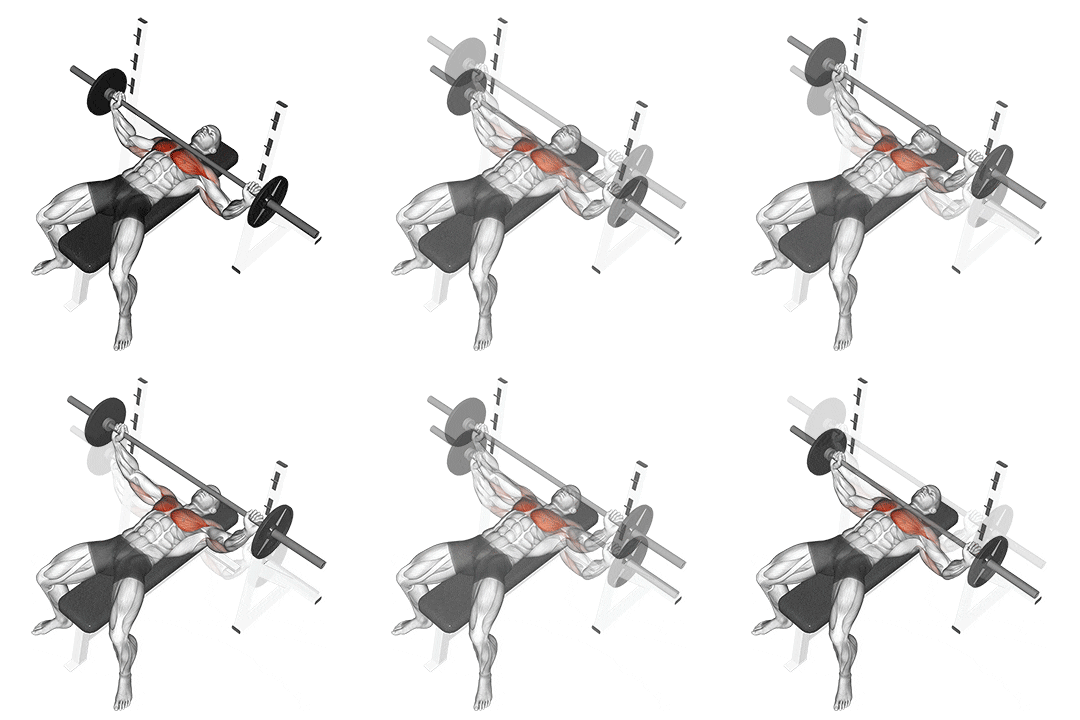
The barbell wide bench press is a compound exercise that primarily targets the chest muscles (pectoralis major), along with the shoulders (anterior deltoids) and triceps. This exercise involves pressing a barbell away from your chest while lying on a bench, with a wider grip than the traditional bench press. The wider grip places more emphasis on the outer portion of the chest muscles. ## Instructions 1. Start by lying flat on a bench with your feet firmly planted on the ground and your back pressed against the bench. 2. Position yourself in a way that the barbell is directly above your eyes when you're lying down. 3. Reach up and grip the barbell with a wide grip, slightly wider than shoulder-width apart. Your palms should be facing away from you (overhand grip). 4. Lift the barbell off the rack and hold it directly above your chest with your arms extended. 5. Inhale and slowly lower the barbell down towards your chest while keeping your elbows at around a 45-degree angle. 6. Once the barbell lightly touches your chest, exhale and push it back up to the starting position by extending your arms. 7. Repeat the movement for the desired number of repetitions. ## Variations - Incline Wide Bench Press: Perform the exercise on an inclined bench to target the upper portion of the chest more intensely. - Dumbbell Wide Bench Press: Instead of a barbell, use dumbbells to perform the exercise, allowing for a greater range of motion and independent arm movement. - Resistance Bands Wide Bench Press: Attach resistance bands to the barbell or the bench to increase the difficulty of the exercise. ## Muscles Worked - Primary muscles: Pectoralis major (chest muscles) - Secondary muscles: Anterior deltoids (shoulders), triceps ## Common Mistakes 1. Flaring elbows out too much: Keep your elbows at around a 45-degree angle to avoid excessive strain on the shoulder joints. 2. Arching the back excessively: Maintain a natural arch in your lower back and avoid excessive arching, as it can lead to lower back strain or injury. 3. Bouncing the barbell off the chest: Control the movement throughout the exercise and avoid bouncing the barbell off your chest, as it reduces the effectiveness and can cause discomfort or injury. 4. Using too much weight: Start with a weight that allows you to perform the exercise with proper form. Using excessive weight can compromise your technique and increase the risk of injury. ## Safety Precautions 1. Warm up adequately before performing the exercise to prepare your muscles and joints. 2. Use a spotter, especially when lifting heavy weights, to ensure your safety and help with any possible failed attempts. 3. Maintain proper form throughout the exercise to prevent strain or injury. 4. If you have any pre-existing shoulder or chest injuries, consult with a healthcare professional before attempting the exercise. 5. Start with a weight that is appropriate for your fitness level and gradually increase it as you become stronger and more comfortable with the movement.
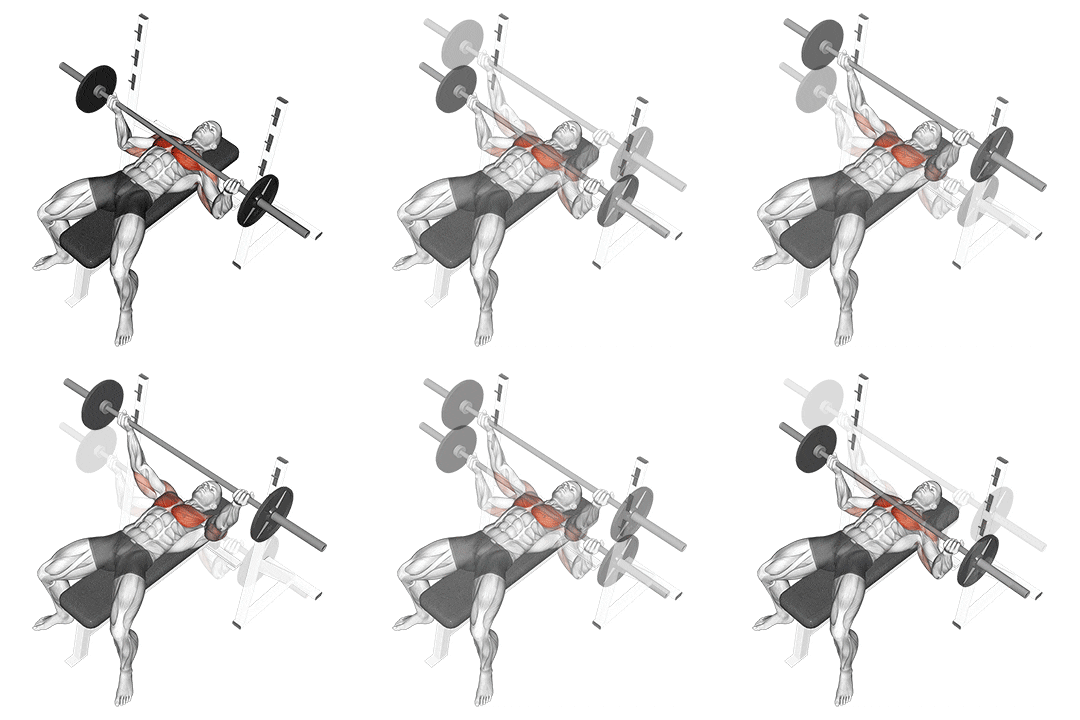
The barbell wide reverse grip bench press is a variation of the traditional bench press exercise that targets the chest muscles (particularly the lower portion), along with the shoulders and triceps. In this exercise, you use a reverse grip (palms facing towards you) on the barbell, which places more emphasis on the lower pectoralis major muscles. ## Instructions 1. Start by lying flat on a bench with your feet firmly planted on the ground and your back pressed against the bench. 2. Position yourself so that the barbell is directly above your eyes when you're lying down. 3. Reach up and grip the barbell with a wide grip, slightly wider than shoulder-width apart. Your palms should be facing towards you (underhand grip). 4. Lift the barbell off the rack and hold it directly above your chest with your arms extended. 5. Inhale and slowly lower the barbell down towards your chest while keeping your elbows at around a 45-degree angle. 6. Once the barbell lightly touches your chest, exhale and push it back up to the starting position by extending your arms. 7. Repeat the movement for the desired number of repetitions. ## Variations - Incline Wide Reverse Grip Bench Press: Perform the exercise on an inclined bench to target the upper portion of the chest more intensely. - Dumbbell Wide Reverse Grip Bench Press: Instead of a barbell, use dumbbells to perform the exercise, allowing for a greater range of motion and independent arm movement. ## Muscles Worked - Primary muscles: Pectoralis major (lower chest muscles) - Secondary muscles: Anterior deltoids (shoulders), triceps ## Common Mistakes 1. Flaring elbows out too much: Keep your elbows at around a 45-degree angle to avoid excessive strain on the shoulder joints. 2. Arching the back excessively: Maintain a natural arch in your lower back and avoid excessive arching, as it can lead to lower back strain or injury. 3. Bouncing the barbell off the chest: Control the movement throughout the exercise and avoid bouncing the barbell off your chest, as it reduces the effectiveness and can cause discomfort or injury. 4. Using too much weight: Start with a weight that allows you to perform the exercise with proper form. Using excessive weight can compromise your technique and increase the risk of injury. ## Safety Precautions 1. Warm up adequately before performing the exercise to prepare your muscles and joints. 2. Use a spotter, especially when lifting heavy weights, to ensure your safety and help with any possible failed attempts. 3. Maintain proper form throughout the exercise to prevent strain or injury. 4. If you have any pre-existing shoulder or chest injuries, consult with a healthcare professional before attempting the exercise. 5. Start with a weight that is appropriate for your fitness level and gradually increase it as you become stronger and more comfortable with the movement.
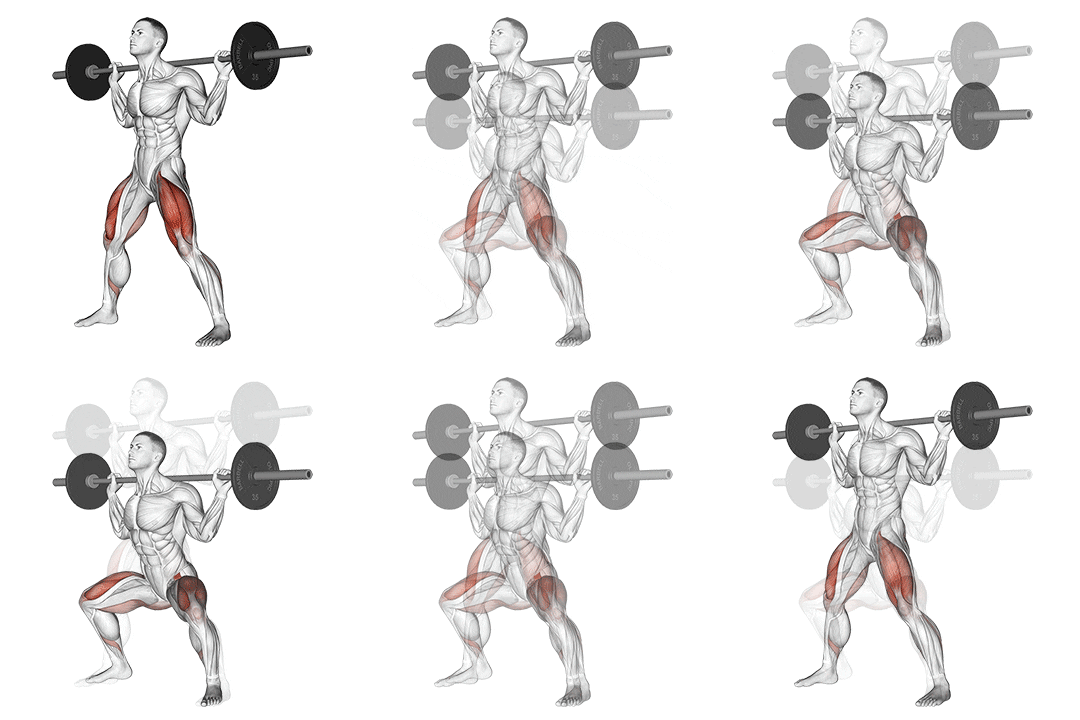
The barbell wide squat is a compound exercise that primarily targets the muscles of the lower body, including the quadriceps, hamstrings, glutes, and calves. This exercise involves squatting down with a barbell placed across your upper back, emphasizing the leg muscles while also engaging the core and lower back. ## Instructions 1. Start by standing with your feet slightly wider than shoulder-width apart. Position the barbell on a squat rack at an appropriate height, ensuring it is securely in place. 2. Step underneath the barbell and position it across your upper back, resting it on the fleshy part of your trapezius muscles. Grip the barbell with your hands slightly wider than shoulder-width apart. 3. Lift the barbell off the rack by straightening your legs and stepping back to clear the rack. 4. Maintain a straight back, brace your core, and keep your chest lifted throughout the exercise. 5. Inhale and initiate the squat by bending your knees and hips, lowering your body down. Keep your weight on your heels as you descend. 6. Continue lowering until your thighs are parallel to the ground or slightly below, ensuring that your knees stay aligned with your toes. 7. Exhale and push through your heels to extend your knees and hips, returning to the starting position. 8. Repeat the movement for the desired number of repetitions. ## Variations - Front Barbell Squat: Instead of placing the barbell on your upper back, position it in front of your shoulders, resting on the front deltoids. This variation shifts the emphasis more towards the quadriceps. - Overhead Barbell Squat: Hold the barbell overhead with a wide grip while performing the squat. This variation further engages the shoulders and core muscles. - Goblet Squat: Hold a dumbbell or kettlebell close to your chest as you squat down, allowing for a more upright position and emphasizing the quadriceps. ## Muscles Worked - Primary muscles: Quadriceps (front of the thighs), hamstrings (back of the thighs), glutes (buttocks) - Secondary muscles: Calves, core muscles, lower back ## Common Mistakes 1. Leaning too far forward: Maintain an upright posture throughout the squat and avoid leaning too far forward, as it can put excessive strain on the lower back. Keep your chest lifted and focus on sitting back into the squat. 2. Allowing knees to cave in: Ensure that your knees are aligned with your toes throughout the movement. Avoid letting them collapse inward, as it can cause instability and potential knee strain. Engage your glutes and push your knees out slightly. 3. Insufficient depth: Aim to squat down until your thighs are parallel to the ground or slightly below. Avoid only performing partial squats, as it limits the engagement of the targeted muscles. 4. Using excessive weight: Start with a weight that allows you to maintain proper form and gradually increase the load as you become stronger and more comfortable with the movement. ## Safety Precautions 1. Warm up adequately before performing the exercise to prepare your muscles and joints. 2. Use collars on the barbell to ensure the weights stay in place during the exercise. 3. If you're new to squatting, consider working with a fitness professional to learn proper form and technique. 4. Use a spotter or squat rack with safety bars, especially when lifting heavy weights. 5. Keep your knees aligned with your toes throughout the squat to prevent knee strain. 6. If you have any pre-existing knee, back, or hip issues, consult with a healthcare professional before attempting the exercise.
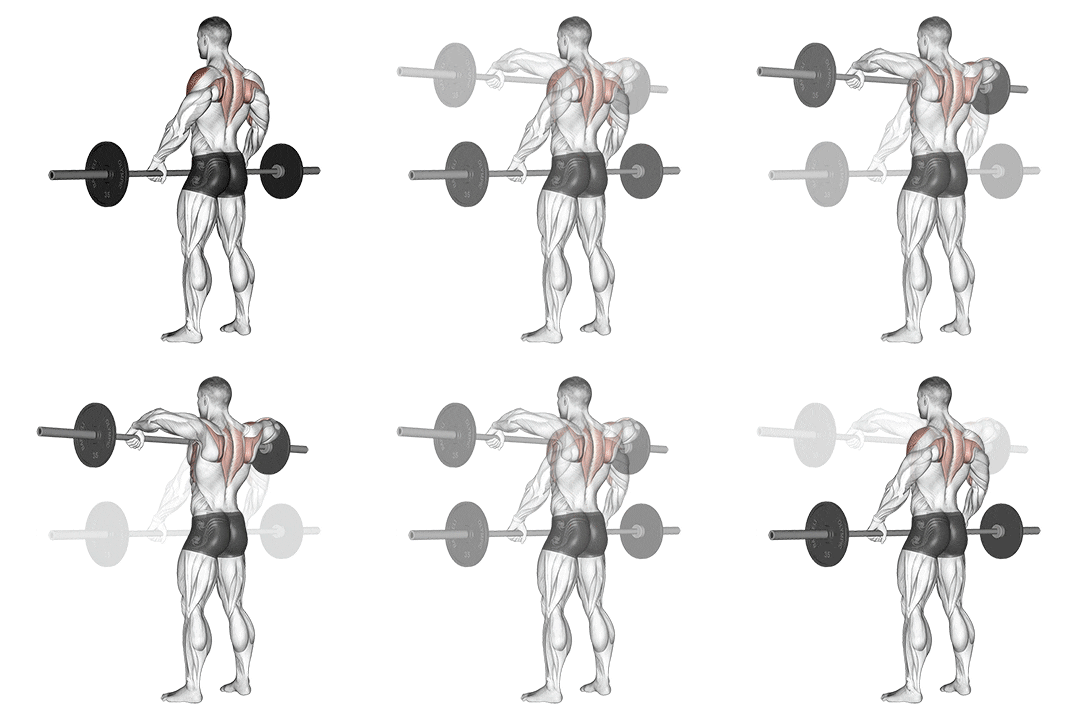
The barbell wide-grip upright row is an exercise that primarily targets the muscles of the shoulders (deltoids) and upper back (trapezius), while also engaging the biceps and forearms. This exercise involves pulling a barbell vertically towards your chin while keeping a wide grip on the bar. ## Instructions 1. Begin by standing with your feet shoulder-width apart and holding a barbell with a wide overhand grip, slightly wider than shoulder-width apart. 2. Allow the barbell to rest against your thighs, with your arms fully extended and the palms facing down. 3. Keep your back straight, chest lifted, and engage your core muscles for stability. 4. Inhale and lift the barbell towards your chin by leading with your elbows, pulling it straight up along your body. 5. As you lift, keep the barbell close to your body and maintain the wide grip. 6. Continue lifting until the barbell is just below your chin, or until your elbows are slightly higher than shoulder level. 7. Pause for a moment at the top, squeezing your shoulder muscles. 8. Exhale and slowly lower the barbell back down to the starting position, maintaining control throughout the descent. 9. Repeat the movement for the desired number of repetitions. ## Variations - Dumbbell Wide-Grip Upright Row: Perform the exercise using dumbbells instead of a barbell, allowing for greater range of motion and independent arm movement. - Cable Wide-Grip Upright Row: Attach a straight bar or handle to a cable machine and perform the exercise by pulling the cable towards your chin with a wide grip. ## Muscles Worked - Primary muscles: Deltoids (shoulders), trapezius (upper back) - Secondary muscles: Biceps, forearms ## Common Mistakes 1. Using excessive weight: Start with a weight that allows you to maintain proper form and control throughout the exercise. Using too much weight can compromise your technique and increase the risk of injury. 2. Raising the bar too high: Avoid lifting the barbell above shoulder level, as it can place excessive strain on the shoulder joints. Stop the upward motion when the barbell is just below your chin or when your elbows are slightly higher than shoulder level. 3. Leaning back excessively: Keep an upright posture throughout the exercise and avoid leaning back as you lift the barbell. Maintain a straight back and engage your core muscles for stability. 4. Using a grip that is too wide: The width of the grip should be slightly wider than shoulder-width apart. Avoid gripping the barbell too wide, as it can place excessive stress on the shoulder joints. ## Safety Precautions 1. Warm up adequately before performing the exercise to prepare your muscles and joints. 2. Use collars on the barbell to ensure the weights stay in place during the exercise. 3. If you have any pre-existing shoulder or back injuries, consult with a healthcare professional before attempting the exercise. 4. Avoid using a weight that is too heavy, as it can compromise your form and increase the risk of injury. 5. If you experience any pain or discomfort during the exercise, stop and consult with a fitness professional or healthcare provider.
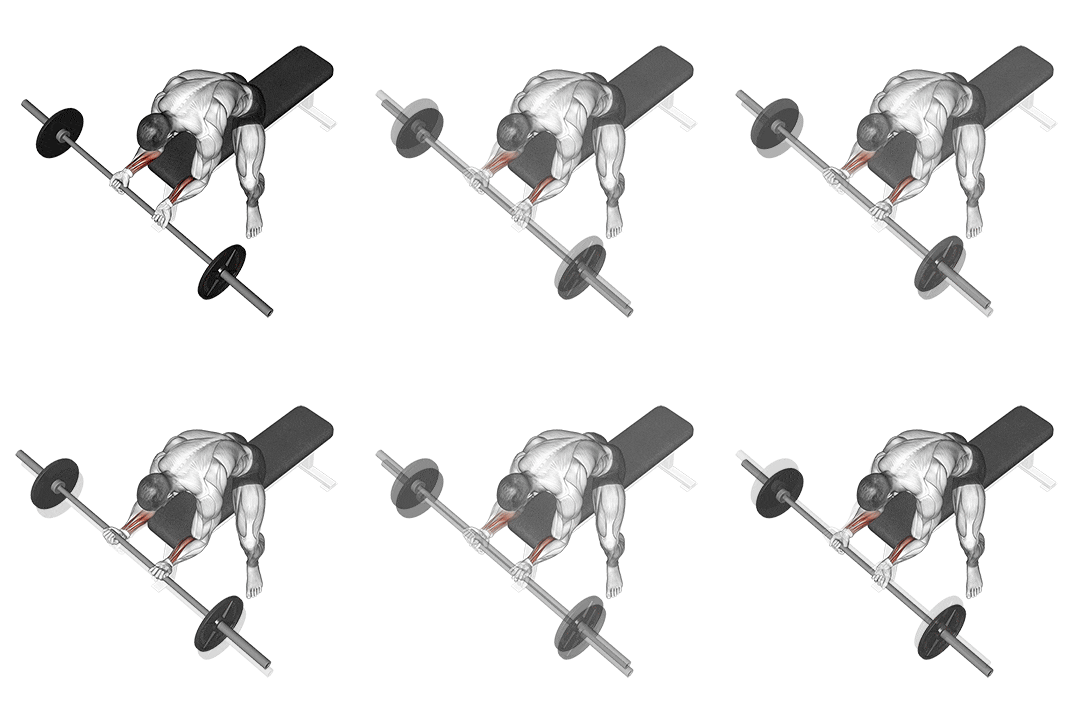
The barbell wrist curl is an exercise that targets the muscles of the forearm, specifically the wrist flexors. This exercise involves flexing the wrist to lift a barbell upward, primarily working the muscles responsible for wrist flexion. ## Instructions 1. Sit on a bench or stand with your feet shoulder-width apart and your knees slightly bent. 2. Hold a barbell with an underhand grip (palms facing up) at shoulder-width or slightly narrower. 3. Rest your forearms on your thighs or on a bench, allowing your wrists and hands to hang off the edge. 4. Inhale and slowly lower the barbell by extending your wrists, allowing it to roll down to your fingertips. 5. Exhale and curl your wrists upward, lifting the barbell towards your forearms as far as comfortably possible. 6. Hold the contracted position for a brief pause, squeezing your forearm muscles. 7. Inhale and slowly lower the barbell back down to the starting position. 8. Repeat the movement for the desired number of repetitions. ## Variations - Dumbbell Wrist Curl: Perform the exercise using dumbbells instead of a barbell, allowing for more independent movement of each wrist. - Reverse Barbell Wrist Curl: Grip the barbell with an overhand grip (palms facing down) and perform the wrist curl by flexing your wrists upward. ## Muscles Worked - Primary muscles: Wrist flexors (muscles responsible for wrist flexion), such as the flexor carpi radialis, flexor carpi ulnaris, and palmaris longus. ## Common Mistakes 1. Using excessive weight: Start with a weight that allows you to maintain proper form and control throughout the exercise. Using too much weight can strain your wrists and compromise your technique. 2. Allowing the wrists to bend backward: Maintain a neutral wrist position throughout the exercise and avoid bending your wrists backward. Keep your wrists straight and focus on flexing them upward. 3. Relying on momentum: Avoid using momentum to lift the weight. Perform the movement slowly and with control, focusing on contracting the wrist flexor muscles. 4. Gripping the bar too tightly: Hold the barbell with a firm but comfortable grip. Avoid gripping it too tightly, as it can cause unnecessary tension in the forearms. ## Safety Precautions 1. Warm up your wrists and forearms before performing the exercise to prepare the muscles and joints. 2. If you have any pre-existing wrist or forearm injuries, consult with a healthcare professional before attempting the exercise. 3. Start with lighter weights and gradually increase the load as you become stronger and more comfortable with the movement. 4. Maintain proper form throughout the exercise and avoid any jerky or sudden movements. 5. If you experience any pain or discomfort during the exercise, stop and consult with a fitness professional or healthcare provider.
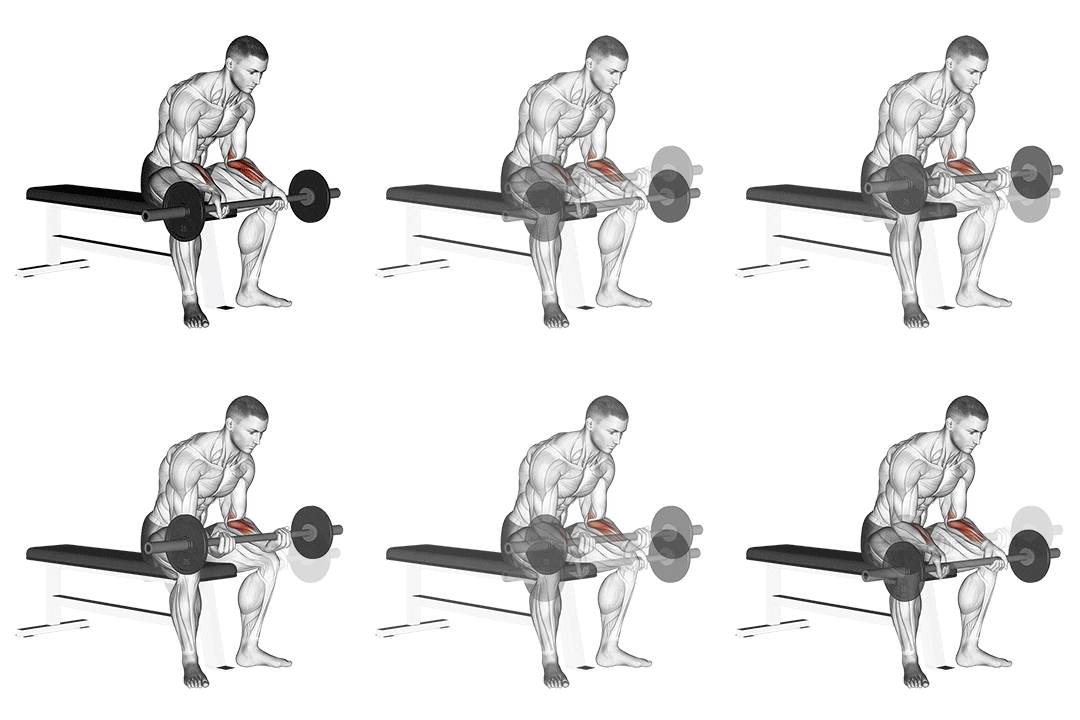
The barbell wrist curl v.2 is an exercise that primarily targets the muscles of the forearm, specifically the wrist extensors. This exercise involves extending the wrist against resistance to strengthen and develop the muscles responsible for wrist extension. ## Instructions 1. Sit on a bench or stand with your feet shoulder-width apart and your knees slightly bent. 2. Hold a barbell with an overhand grip (palms facing down) at shoulder-width or slightly wider. 3. Rest your forearms on your thighs or on a bench, allowing your wrists and hands to hang off the edge. 4. Inhale and slowly lower the barbell by flexing your wrists, allowing it to roll down to your fingertips. 5. Exhale and extend your wrists upward, lifting the barbell towards your forearms as far as comfortably possible. 6. Hold the contracted position for a brief pause, squeezing your forearm muscles. 7. Inhale and slowly lower the barbell back down to the starting position. 8. Repeat the movement for the desired number of repetitions. ## Variations - Dumbbell Wrist Curl v.2: Perform the exercise using dumbbells instead of a barbell, allowing for more independent movement of each wrist. - Reverse Barbell Wrist Curl: Grip the barbell with an underhand grip (palms facing up) and perform the wrist curl by extending your wrists upward. ## Muscles Worked - Primary muscles: Wrist extensors (muscles responsible for wrist extension), such as the extensor carpi radialis longus, extensor carpi radialis brevis, and extensor carpi ulnaris. ## Common Mistakes 1. Using excessive weight: Start with a weight that allows you to maintain proper form and control throughout the exercise. Using too much weight can strain your wrists and compromise your technique. 2. Allowing the wrists to bend forward: Maintain a neutral wrist position throughout the exercise and avoid bending your wrists forward. Keep your wrists straight and focus on extending them upward. 3. Relying on momentum: Avoid using momentum to lift the weight. Perform the movement slowly and with control, focusing on contracting the wrist extensor muscles. 4. Gripping the bar too tightly: Hold the barbell with a firm but comfortable grip. Avoid gripping it too tightly, as it can cause unnecessary tension in the forearms. ## Safety Precautions 1. Warm up your wrists and forearms before performing the exercise to prepare the muscles and joints. 2. If you have any pre-existing wrist or forearm injuries, consult with a healthcare professional before attempting the exercise. 3. Start with lighter weights and gradually increase the load as you become stronger and more comfortable with the movement. 4. Maintain proper form throughout the exercise and avoid any jerky or sudden movements. 5. If you experience any pain or discomfort during the exercise, stop and consult with a fitness professional or healthcare provider.
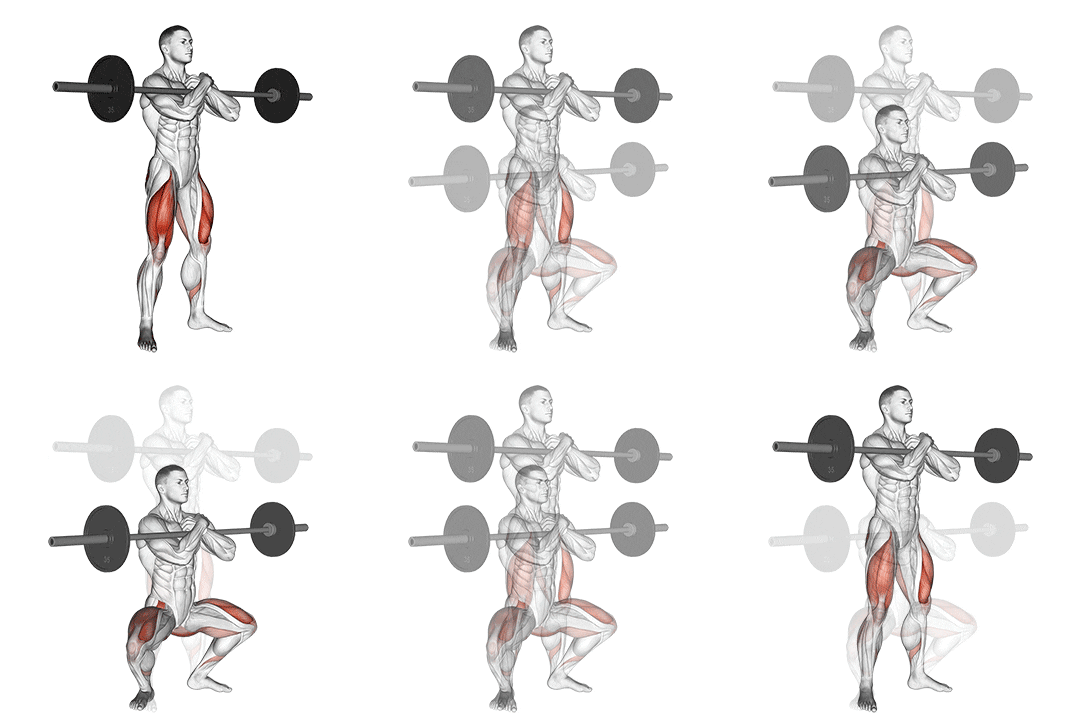
The barbell Zercher squat is a variation of the squat exercise that targets multiple muscle groups, including the quadriceps, glutes, hamstrings, and core muscles. In this exercise, the barbell is held in the crooks of the elbows, which places additional emphasis on the upper back and core stability. ## Instructions 1. Set up a barbell on a squat rack at a height that allows you to easily step under it. 2. Stand facing the barbell and position your feet shoulder-width apart. 3. Squat down and grasp the barbell with an underhand grip, allowing it to rest in the crooks of your elbows. 4. Lift the barbell slightly to unhook it from the squat rack, and step back to clear the rack. 5. Position your feet firmly on the ground, toes pointing slightly outward. 6. Keep your chest up, back straight, and engage your core muscles. 7. Inhale and initiate the squat by bending at your hips and knees, lowering your body toward the ground. 8. Continue descending until your thighs are parallel to the ground or slightly below, maintaining proper form and balance. 9. Exhale and push through your heels to extend your hips and knees, returning to the starting position. 10. Repeat the movement for the desired number of repetitions. ## Variations - Zercher Deadlift: Instead of performing a squat, you can perform a Zercher deadlift by starting with the barbell on the ground and lifting it using the same grip and position in the crooks of the elbows. - Zercher Good Morning: This variation involves bending forward at the hips with the barbell in the Zercher position, targeting the glutes, hamstrings, and lower back. ## Muscles Worked - Primary muscles: Quadriceps, glutes, hamstrings, erector spinae (lower back), core muscles (abdominals, obliques) - Secondary muscles: Calves, upper back, shoulders ## Common Mistakes 1. Rounding the back: Maintain a neutral spine throughout the exercise and avoid rounding your back. Keep your chest up and your core engaged to protect your spine. 2. Allowing the knees to cave in: Keep your knees in line with your toes throughout the movement. Avoid letting them collapse inward, as it can strain the knee joints. Focus on pushing your knees outward. 3. Lifting the heels: Keep your feet flat on the ground throughout the exercise. Lifting the heels can shift the weight forward and compromise your balance and form. If necessary, use weightlifting shoes or place small weight plates under the heels for support. 4. Leaning too far forward: Maintain an upright posture and avoid leaning too far forward. Keep your chest lifted and your torso in a vertical position as you perform the squat. ## Safety Precautions 1. Prioritize safety by starting with lighter weights until you are comfortable with the movement. 2. Warm up adequately before performing the exercise to prepare your muscles and joints. 3. Ensure that the barbell is securely positioned in the crooks of your elbows and well-balanced before starting the exercise. 4. Use a squat rack or have a spotter nearby to assist you if needed. 5. If you have any pre-existing knee or back injuries, consult with a healthcare professional before attempting the exercise. 6. If you experience any pain or discomfort during the exercise, stop and consult with a fitness professional or healthcare provider.