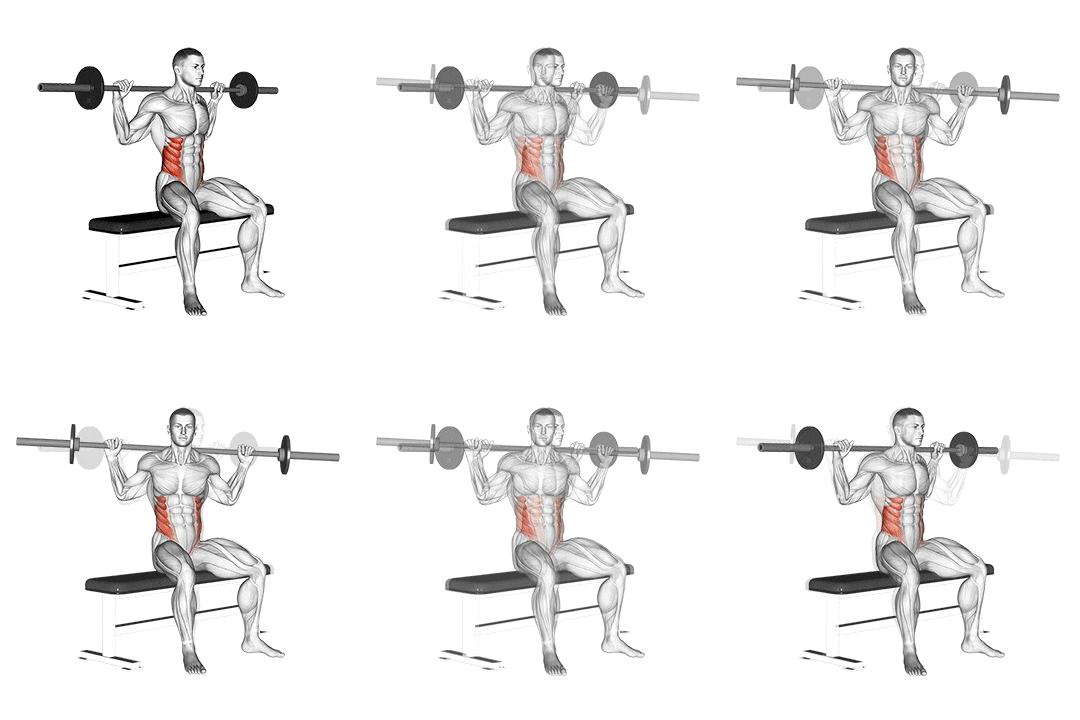
The barbell seated twist is an exercise that targets the muscles of the core, specifically the obliques. It involves twisting the torso while holding a barbell, which helps improve core strength, stability, and rotational power. This exercise can contribute to overall core development and assist in functional movements that require twisting or rotating the torso. ## Instructions 1. Start by sitting on a bench with back support. Place your feet firmly on the ground, slightly wider than shoulder-width apart. 2. Hold a barbell horizontally across your upper back, resting it on your traps or behind your neck. Grasp the barbell with an overhand grip, hands wider than shoulder-width apart. 3. Engage your core muscles and maintain an upright posture throughout the exercise. 4. Slowly rotate your torso to one side, allowing your upper body to follow the movement while keeping your lower body stable. 5. Pause briefly at the end of the range of motion, feeling the contraction in your oblique muscles. 6. Slowly rotate your torso back to the starting position, maintaining control and engaging the core muscles. 7. Repeat the movement to the other side, alternating sides with each repetition. ## Variations - Weighted Seated Twist: Increase the difficulty by holding a weight plate, dumbbell, or medicine ball in front of your chest while performing the twist. - Seated Russian Twist: Instead of using a barbell, you can perform the exercise with your hands clasped together or holding a weight plate in front of your chest. Lean back slightly, engage your core, and twist your torso from side to side. - Cable Seated Twist: Attach a handle or rope to a cable machine at chest height. Sit facing the machine and grasp the handle or rope with both hands. Perform the twisting movement by rotating your torso while keeping your arms extended. ## Muscles Worked - Primary muscles: Obliques (internal and external) - Secondary muscles: Core muscles (rectus abdominis, transverse abdominis), lower back muscles (erector spinae), and hip muscles (iliopsoas) as stabilizers. ## Common Mistakes - Twisting with the arms: Avoid using your arms to generate the twisting motion. Focus on initiating the movement from your core and keeping the arms and barbell stable. - Using excessive momentum: Perform the exercise in a controlled manner, avoiding sudden jerky movements or relying on momentum to twist. Maintain proper form and engage the targeted muscles. - Arching or rounding the back: Keep your back straight and avoid excessive arching or rounding of the spine throughout the movement. Engage your core muscles to maintain a stable and neutral spine position. - Twisting too far or too quickly: Do not over-twist or force the movement beyond your comfortable range. Gradually increase the range of motion as you build strength and flexibility. ## Safety Precautions - Start with a lighter weight or no weight at all until you become comfortable with the movement. - Maintain a neutral spine and avoid any excessive strain on your back. - If you have any pre-existing back or spinal conditions, consult with a fitness professional or healthcare provider before performing this exercise. - If you experience any pain or discomfort during the exercise, stop immediately and seek guidance from a qualified professional.
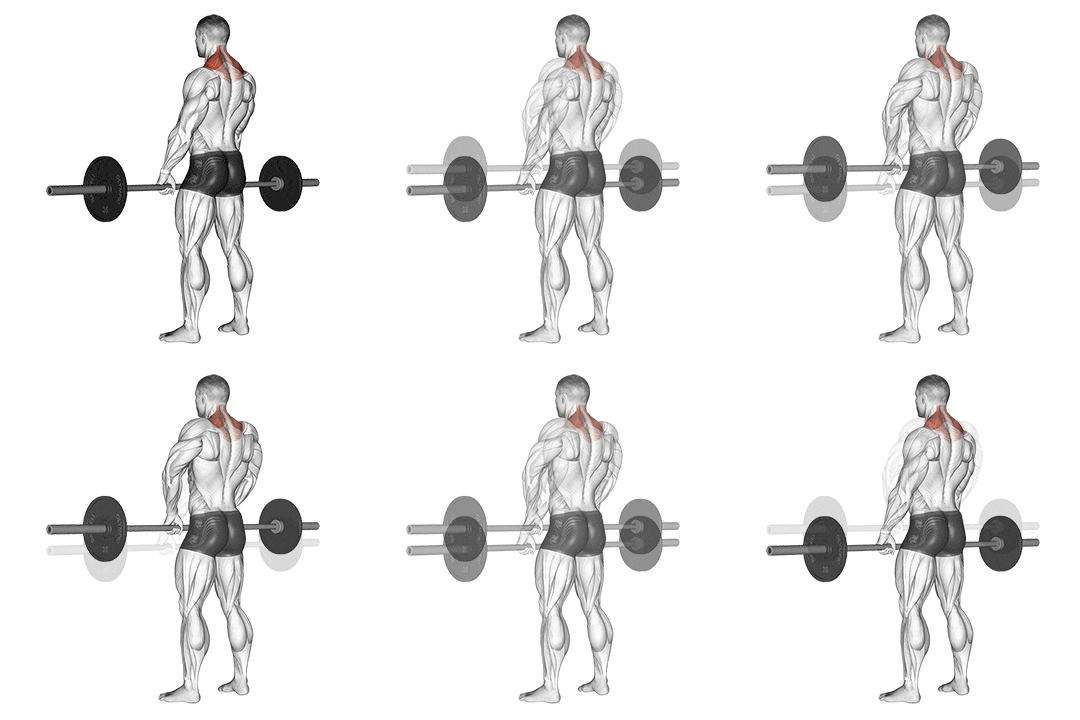
The barbell shrug is an exercise that primarily targets the muscles of the upper back, specifically the trapezius muscles. It involves lifting and squeezing the shoulders upward, mimicking a shrugging motion. The barbell shrug helps develop strength and size in the upper trapezius, improving shoulder stability and posture. ## Instructions 1. Stand upright with your feet about shoulder-width apart, holding a barbell in front of you with an overhand grip. Your hands should be slightly wider than shoulder-width apart. 2. Let your arms fully extend downward, keeping a slight bend in your elbows. 3. Engage your core muscles and maintain a neutral spine throughout the exercise. 4. Lift your shoulders straight upward as if you are trying to touch your ears with your shoulders. Keep your arms straight and avoid rolling them forward or backward. 5. Squeeze your shoulder blades together at the top of the movement, emphasizing the contraction in the upper back muscles. 6. Pause briefly at the top of the movement, then lower your shoulders back down in a controlled manner. 7. Repeat the movement for the desired number of repetitions. ## Variations - Dumbbell Shrug: Perform the exercise using dumbbells instead of a barbell, holding one in each hand. This allows for greater range of motion and can help improve muscle balance. - Behind-the-Back Barbell Shrug: Instead of holding the barbell in front of you, hold it behind your body with an overhand grip. Perform the shrug movement by lifting your shoulders upward and squeezing your shoulder blades together. - Smith Machine Shrug: Use a Smith machine to perform the shrug exercise. The Smith machine provides a guided vertical path, which can be beneficial for individuals who have difficulty maintaining balance or stability. ## Muscles Worked - Primary muscles: Upper trapezius - Secondary muscles: Middle and lower trapezius, rhomboids, levator scapulae, and deltoids (to a lesser extent). ## Common Mistakes - Rolling the shoulders forward or backward: Keep your shoulders in line with your body throughout the movement. Avoid rolling them forward or backward, as it can lead to improper form and reduced effectiveness. - Using excessive weight: Choose a weight that allows you to maintain proper form and control. Avoid using momentum or jerking motions to lift the weight. - Shrugging the neck instead of the shoulders: Focus on lifting your shoulders toward your ears, not lifting your neck. Keep your neck relaxed and avoid tensing the muscles in the neck region. - Neglecting the full range of motion: Lift your shoulders as high as possible without compromising form or causing discomfort. Strive for a full contraction at the top of the movement. ## Safety Precautions - Start with a lighter weight and gradually increase the load as you become comfortable with the exercise. - Avoid excessive neck strain by keeping your head aligned with your spine throughout the movement. - If you have any pre-existing shoulder or neck conditions, consult with a fitness professional or healthcare provider before performing this exercise. - If you experience any pain or discomfort during the exercise, stop immediately and seek guidance from a qualified professional.
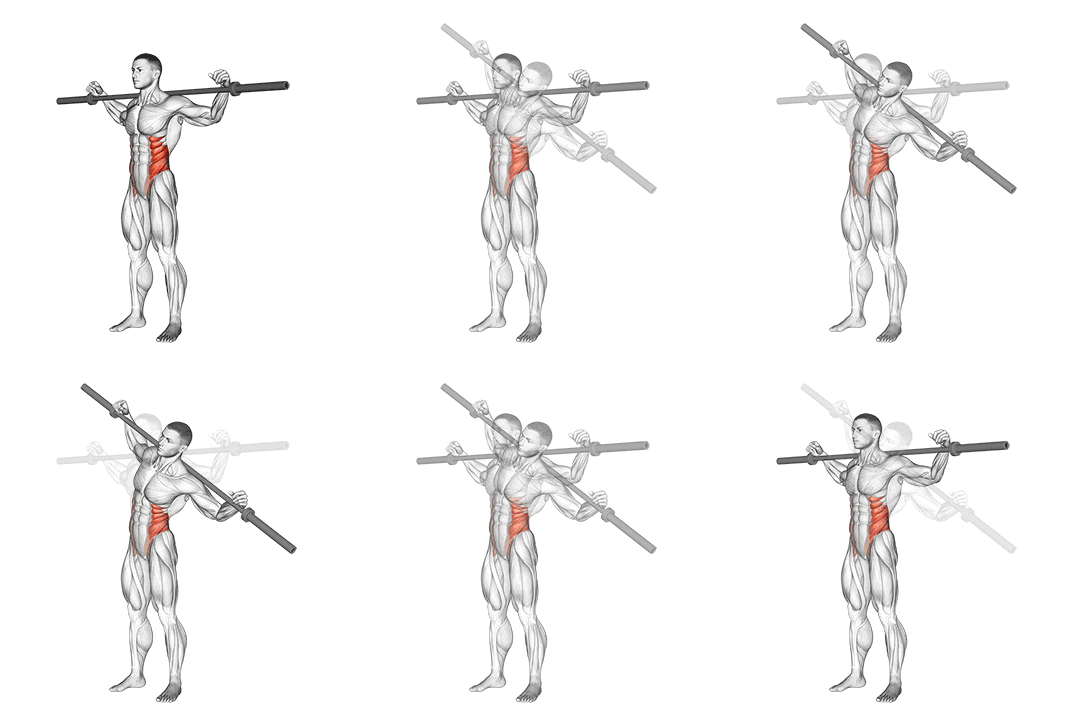
The barbell side bend is an exercise that primarily targets the muscles of the lateral (side) core, specifically the obliques. It involves bending to the side while holding a barbell, which helps strengthen and tone the oblique muscles. The barbell side bend can improve core stability, enhance waistline definition, and contribute to overall functional movement. ## Instructions 1. Stand upright with your feet shoulder-width apart, holding a barbell with an overhand grip. Your hands should be positioned wider than shoulder-width apart. 2. Position the barbell across your upper back, resting it on your traps or behind your neck. Keep your elbows pointed down and maintain a neutral spine. 3. Engage your core muscles and maintain an upright posture throughout the exercise. 4. Slowly bend your torso to one side, maintaining a straight line from your head to your hips. Avoid leaning forward or backward. 5. Lower the barbell by bending laterally at the waist, feeling a stretch along the opposite side of the obliques. 6. Pause briefly at the end of the range of motion, feeling the contraction in the oblique muscles. 7. Slowly return to the starting position by straightening your torso and repeating the movement to the other side. 8. Alternate sides with each repetition. ## Variations - Dumbbell Side Bend: Perform the exercise with dumbbells instead of a barbell, holding one dumbbell in each hand. This allows for greater range of motion and can help improve muscle balance. - Cable Side Bend: Attach a handle or rope to a cable machine at low height. Stand sideways to the machine and grasp the handle with one hand. Perform the side bending motion by lowering the handle toward the side opposite the hand holding the cable. - Seated Side Bend: Sit on a bench or chair with your feet flat on the ground. Hold a barbell or dumbbell with both hands and perform the side bending motion while seated. ## Muscles Worked - Primary muscles: Obliques (internal and external) - Secondary muscles: Core muscles (rectus abdominis, transverse abdominis), lower back muscles (erector spinae), and hip muscles (iliopsoas) as stabilizers. ## Common Mistakes - Bending too far or too quickly: Avoid excessive bending or jerking motions, as it can strain the muscles or compromise your balance. Perform the movement in a controlled manner and focus on the quality of the contraction. - Leaning forward or backward: Keep your torso in a straight line and avoid leaning forward or backward during the exercise. Maintain proper alignment and engage your core for stability. - Using excessive weight: Choose a weight that allows you to maintain proper form and control. Avoid using momentum or swinging motions to lift the weight. - Not engaging the core: Focus on actively contracting your core muscles throughout the exercise. This helps stabilize your spine and enhances the effectiveness of the movement. ## Safety Precautions - Start with a lighter weight or no weight at all until you become comfortable with the movement and can maintain proper form. - Avoid excessive twisting or bending of the spine. Focus on lateral bending while keeping your spine in a neutral position. - If you have any pre-existing back or spinal conditions, consult with a fitness professional or healthcare provider before performing this exercise. - If you experience any pain or discomfort during the exercise, stop immediately and seek guidance from a qualified professional.
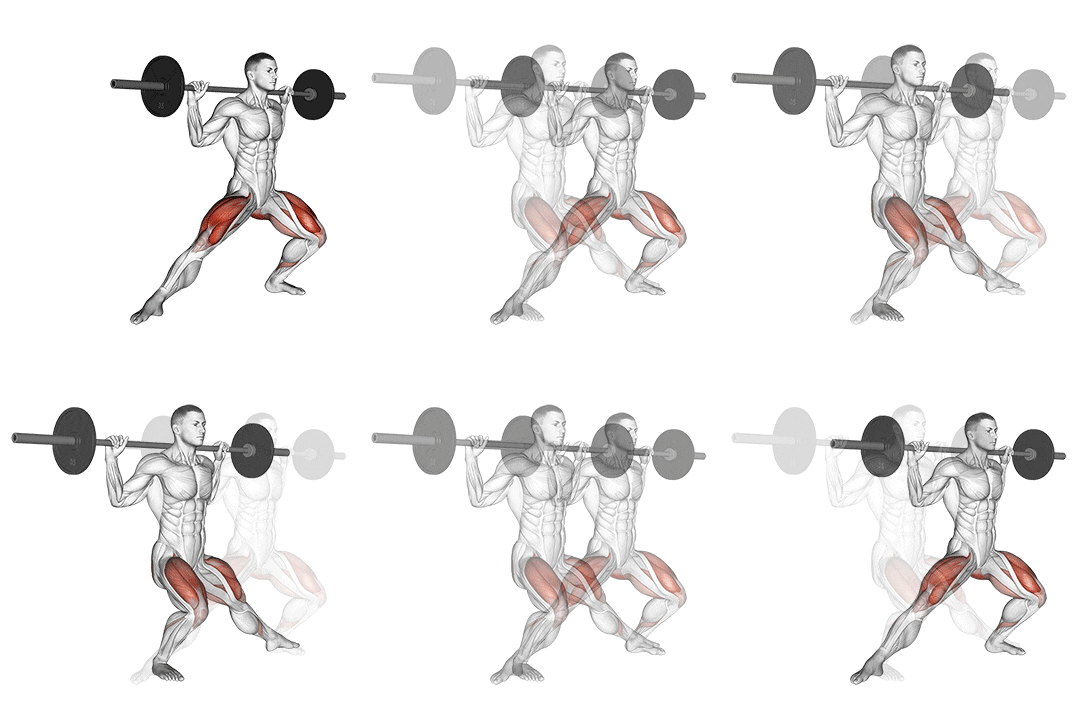
The barbell side split squat, also known as the lateral lunge or lateral split squat, is an exercise that targets the muscles of the lower body, including the quadriceps, hamstrings, glutes, and adductors. It involves a lateral lunge movement, focusing on one leg at a time. The barbell side split squat helps improve leg strength, stability, and flexibility. ## Instructions 1. Start by standing upright with your feet wider than shoulder-width apart. Hold a barbell across your upper back, resting it on your traps or behind your neck. Keep your elbows pointed down and maintain a neutral spine. 2. Take a wide step to the side with your right foot, toes pointing forward or slightly outward. Shift your body weight to the right leg, keeping your left leg straight and foot firmly on the ground. 3. Lower your body by bending your right knee and pushing your hips back. Keep your chest up and back straight throughout the movement. 4. Continue descending until your right thigh is parallel to the ground, or as low as your flexibility allows. Avoid letting your knee extend beyond your toes. 5. Pause briefly at the bottom of the movement, then push through your right foot to return to the starting position. 6. Repeat the movement on the opposite side, stepping out to the left and performing the same lunge motion. 7. Continue alternating sides with each repetition. ## Variations - Dumbbell Side Split Squat: Instead of using a barbell, hold a dumbbell in each hand by your sides. Perform the side split squat by stepping to the side and lunging, one leg at a time. - Bulgarian Split Squat: Elevate your back foot on a bench or step behind you. Perform a split squat by bending the front knee and lowering your body until the back knee nearly touches the ground. - Bodyweight Side Split Squat: Perform the side split squat without any added weight. Focus on proper form and gradually increase the range of motion as you gain strength and flexibility. ## Muscles Worked - Primary muscles: Quadriceps, hamstrings, glutes, and adductors (inner thigh muscles). - Secondary muscles: Calves, hip abductors, core muscles (rectus abdominis, transverse abdominis), and lower back muscles (erector spinae) for stability. ## Common Mistakes - Allowing the knee to cave inward: Keep your knee aligned with your toes throughout the movement. Avoid letting the knee collapse inward, as it can put stress on the joint. Engage your hip and glute muscles to maintain proper alignment. - Leaning the torso forward: Keep your torso upright and avoid excessive forward lean. This helps target the desired muscles and maintains balance and stability. - Descending too low: While flexibility may vary, do not lower your body beyond what is comfortable or safe for your joints. Aim for a range of motion that allows your thigh to be parallel to the ground. - Using excessive weight: Start with lighter weights or no weight at all until you become comfortable with the movement and can maintain proper form. ## Safety Precautions - Start with a lighter weight or no weight at all until you become comfortable with the movement and can maintain proper form. - Maintain proper form and control throughout the exercise to avoid knee or joint strain. - If you have any pre-existing knee or hip conditions, consult with a fitness professional or healthcare provider before performing this exercise. - If you experience any pain or discomfort during the exercise, stop immediately and seek guidance from a qualified professional.
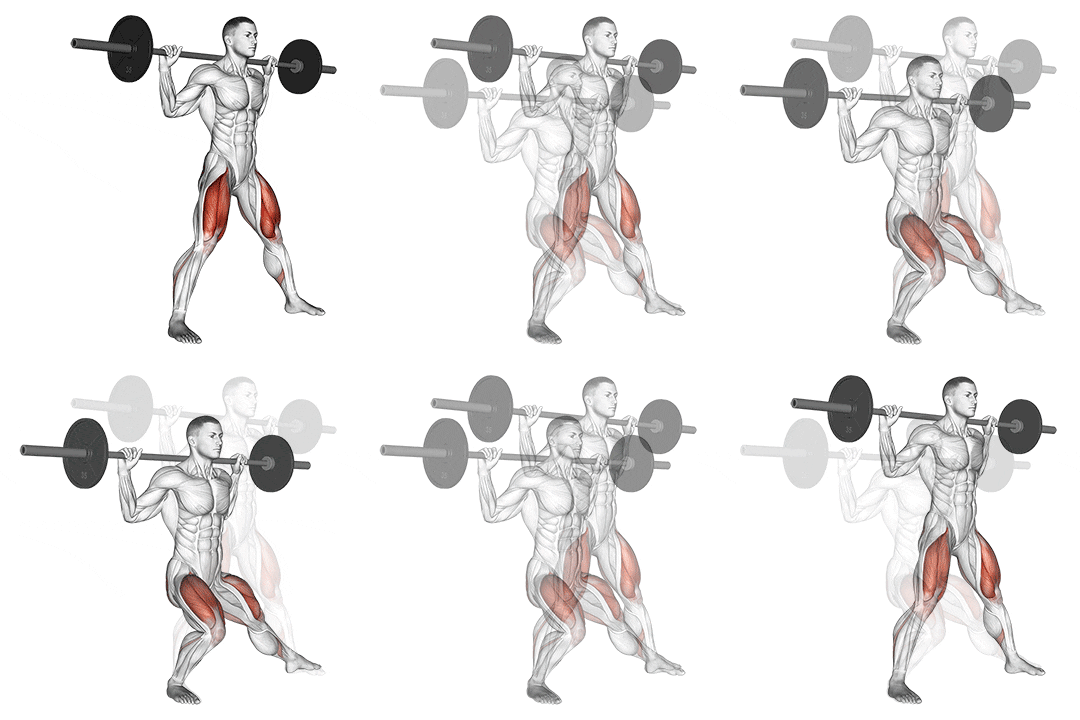
The barbell side split squat, also known as the lateral lunge or side lunge, is a compound exercise that targets the muscles of the lower body, including the quadriceps, hamstrings, glutes, and adductors. It involves stepping to the side and lowering your body into a lunge position, emphasizing one leg at a time. The barbell side split squat helps improve lower body strength, stability, and balance. ## Instructions 1. Start by standing with your feet slightly wider than shoulder-width apart. Hold a barbell across your upper back, resting it on your traps or behind your neck. Maintain a tight grip on the barbell with your hands. 2. Take a wide step to the right side, turning your right foot slightly outward. Keep your left foot firmly planted on the ground, toes pointing forward. 3. Begin the movement by bending your right knee and pushing your hips back. Lower your body until your right thigh is parallel to the ground, or as low as your flexibility allows. Keep your chest up and your back straight throughout the exercise. 4. Pause briefly at the bottom of the movement, then push through your right foot to return to the starting position. 5. Repeat the movement on the left side by stepping out to the left and performing the same lunge motion. 6. Continue alternating sides with each repetition. ## Variations - Dumbbell Side Split Squat: Instead of using a barbell, hold a dumbbell in each hand by your sides. Perform the side split squat by stepping to the side and lunging, one leg at a time. - Bodyweight Side Split Squat: Perform the side split squat without any added weight. This variation is suitable for beginners or individuals focusing on bodyweight exercises. - Bulgarian Split Squat: Elevate your back foot on a bench or step behind you. Perform a split squat by bending the front knee and lowering your body until the back knee nearly touches the ground. ## Muscles Worked - Primary muscles: Quadriceps, hamstrings, glutes, and adductors (inner thigh muscles). - Secondary muscles: Calves, hip abductors, core muscles (rectus abdominis, transverse abdominis), and lower back muscles (erector spinae) for stability. ## Common Mistakes - Collapsing the knee inward: Keep your knee aligned with your toes throughout the movement. Avoid letting the knee cave inward, as it can put stress on the joint. Engage your hip and glute muscles to maintain proper alignment. - Leaning the torso forward excessively: Maintain an upright torso throughout the exercise. Avoid excessive forward lean, as it can compromise form and balance. Keep your chest lifted and your back straight. - Descending too deeply: While flexibility may vary, avoid descending too low if it compromises your form or causes discomfort. Aim for a range of motion that allows your thigh to be parallel to the ground. - Using excessive weight: Start with lighter weights or no weight at all until you become comfortable with the movement and can maintain proper form. ## Safety Precautions - Begin with a proper warm-up to prepare your muscles for the exercise. - Start with a lighter weight or no weight at all until you become comfortable with the movement and can maintain proper form. - Maintain control and balance throughout the exercise to avoid potential injuries. - If you have any pre-existing knee, hip, or lower back conditions, consult with a fitness professional or healthcare provider before performing this exercise. - If you experience pain or discomfort during the exercise, stop immediately and seek guidance from a qualified professional.
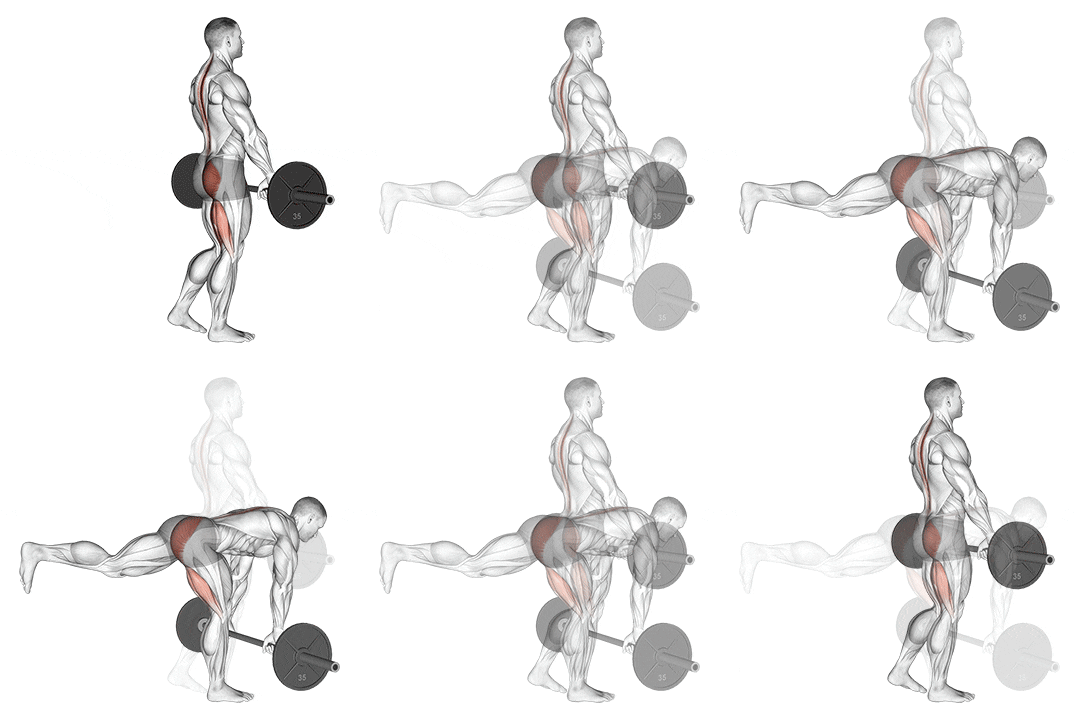
The barbell single leg deadlift is a challenging exercise that targets the muscles of the posterior chain, including the hamstrings, glutes, and lower back. It also engages the core muscles for stability and balance. This exercise involves balancing on one leg while hinging at the hips to lower the barbell towards the ground, mimicking the movement pattern of a traditional deadlift. The barbell single leg deadlift helps improve lower body strength, stability, balance, and functional movement. ## Instructions 1. Start by standing with your feet hip-width apart, holding a barbell in front of your thighs with an overhand grip. Engage your core and maintain a neutral spine throughout the exercise. 2. Shift your weight onto one leg and slightly lift the other leg off the ground, keeping it extended behind you. 3. Begin the movement by hinging at the hips and slowly lowering the barbell towards the ground while simultaneously lifting your back leg behind you for balance. 4. Continue lowering the barbell until you feel a stretch in your hamstrings or until your torso is parallel to the ground, maintaining a straight line from head to toe. 5. Pause briefly in the lowered position, then engage your glutes and hamstrings to raise your torso back up to the starting position. 6. Repeat the movement for the desired number of repetitions, then switch legs and perform the exercise with the other leg. ## Variations - Dumbbell Single Leg Deadlift: Instead of using a barbell, hold a dumbbell in each hand by your sides. Perform the single leg deadlift using the same movement pattern. - Bodyweight Single Leg Deadlift: Perform the exercise without any external weights. Focus on balance and proper form, gradually increasing the range of motion as you become more proficient. - Romanian Deadlift: This variation involves performing the movement with both legs on the ground while holding a barbell or dumbbells. It emphasizes the same muscles but with both legs working together. ## Muscles Worked - Primary muscles: Hamstrings, glutes (particularly the gluteus maximus), and lower back (erector spinae). - Secondary muscles: Core muscles (abdominals, obliques), quadriceps, calves, and hip stabilizers. ## Common Mistakes - Rounded back: Maintain a neutral spine throughout the exercise. Avoid rounding your back, as it puts excessive stress on the lower back. Focus on keeping your core engaged and your back straight. - Lifting the back leg too high: Lift your back leg only as high as necessary for balance. Avoid excessive leg elevation, as it may compromise stability and proper form. - Hinging from the knee: The movement should primarily occur at the hip joint, not the knee. Hinge from the hips, pushing them backward, while keeping a slight bend in your knee. - Lack of control: Focus on maintaining control throughout the movement. Avoid rushing or using momentum to lift the barbell. Emphasize a slow and controlled eccentric and concentric phase. ## Safety Precautions - Start with a lighter weight or no weight at all until you become comfortable with the movement and can maintain proper form. - Ensure that you have good balance and stability before attempting the exercise. It may be helpful to practice balancing on one leg without weights first. - Maintain proper form and control throughout the exercise to avoid straining your lower back or hamstrings. - If you have any pre-existing lower back or balance issues, consult with a fitness professional or healthcare provider before performing this exercise. - If you experience pain or discomfort during the exercise, stop immediately and seek guidance from a qualified professional.
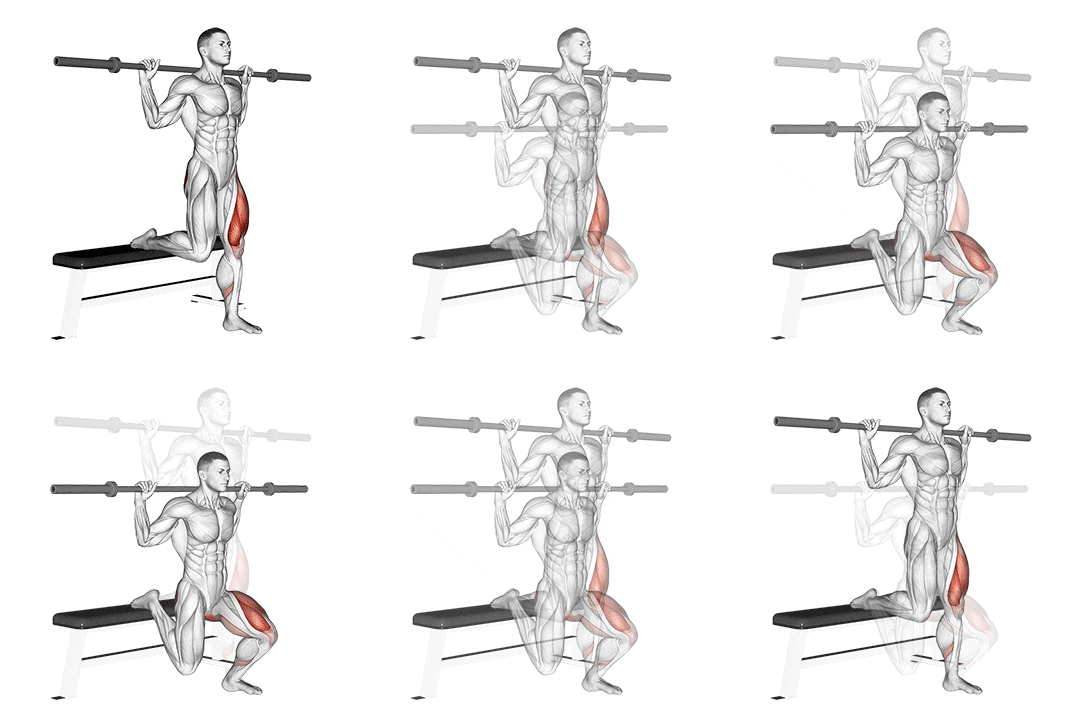
The barbell single leg split squat, also known as the Bulgarian split squat or rear foot elevated split squat, is a compound exercise that targets the muscles of the lower body, including the quadriceps, hamstrings, glutes, and calves. It involves stepping forward and elevating the back foot on a bench or platform, emphasizing one leg at a time. The barbell single leg split squat helps improve lower body strength, balance, stability, and unilateral leg development. ## Instructions 1. Start by standing a few feet in front of a bench or platform with a barbell across your upper back, resting it on your traps or behind your neck. Maintain a tight grip on the barbell with your hands. 2. Extend one leg backward and place the top of your foot on the bench or platform, laces down. This will be your back leg. 3. Position your front leg so that your knee is directly above your ankle and your thigh is parallel to the ground, or slightly lower. Your front foot should be far enough forward to maintain balance and stability. 4. Keep your torso upright, chest lifted, and core engaged. 5. Lower your body by bending your front knee and pushing your hips back and down. Descend until your front thigh is parallel to the ground or slightly lower, while maintaining a straight line from your knee to your ankle. 6. Pause briefly at the bottom of the movement, then push through your front foot to return to the starting position. Fully extend your front leg, but avoid locking out the knee. 7. Repeat the movement for the desired number of repetitions, then switch legs and perform the exercise with the other leg as the front leg. ## Variations - Dumbbell Single Leg Split Squat: Instead of using a barbell, hold a dumbbell in each hand by your sides. Perform the single leg split squat using the same movement pattern. - Bodyweight Single Leg Split Squat: Perform the exercise without any added weight. This variation is suitable for beginners or individuals focusing on bodyweight exercises. - Smith Machine Single Leg Split Squat: Utilize a Smith machine for added stability and control. This modification can be beneficial for those with balance or stability concerns. ## Muscles Worked - Primary muscles: Quadriceps, hamstrings, glutes, and calves. - Secondary muscles: Core muscles (rectus abdominis, transverse abdominis), hip stabilizers, and lower back muscles (erector spinae) for stability. ## Common Mistakes - Leaning too far forward: Maintain an upright torso throughout the exercise. Avoid excessive forward lean, as it can compromise form, balance, and place unnecessary stress on the front knee. Keep your chest lifted and your back straight. - Allowing the front knee to cave inward: Keep your knee aligned with your toes throughout the movement. Avoid letting the knee collapse inward, as it can strain the knee joint. Engage your hip and glute muscles to maintain proper alignment. - Not achieving full range of motion: Aim to descend until your front thigh is parallel to the ground or slightly lower. Going too shallow limits the engagement of the targeted muscles. However, avoid descending excessively low if it compromises your form or causes discomfort. - Neglecting stability and balance: Prioritize balance and stability during the exercise. Maintain control and avoid rushing through the movement. Engage your core and focus on maintaining proper alignment throughout. ## Safety Precautions - Begin with a proper warm-up to prepare your muscles for the exercise. - Start with a lighter weight or no weight at all until you become comfortable with the movement and can maintain proper form. - Ensure that the bench or platform used for elevating the back foot is stable and secure
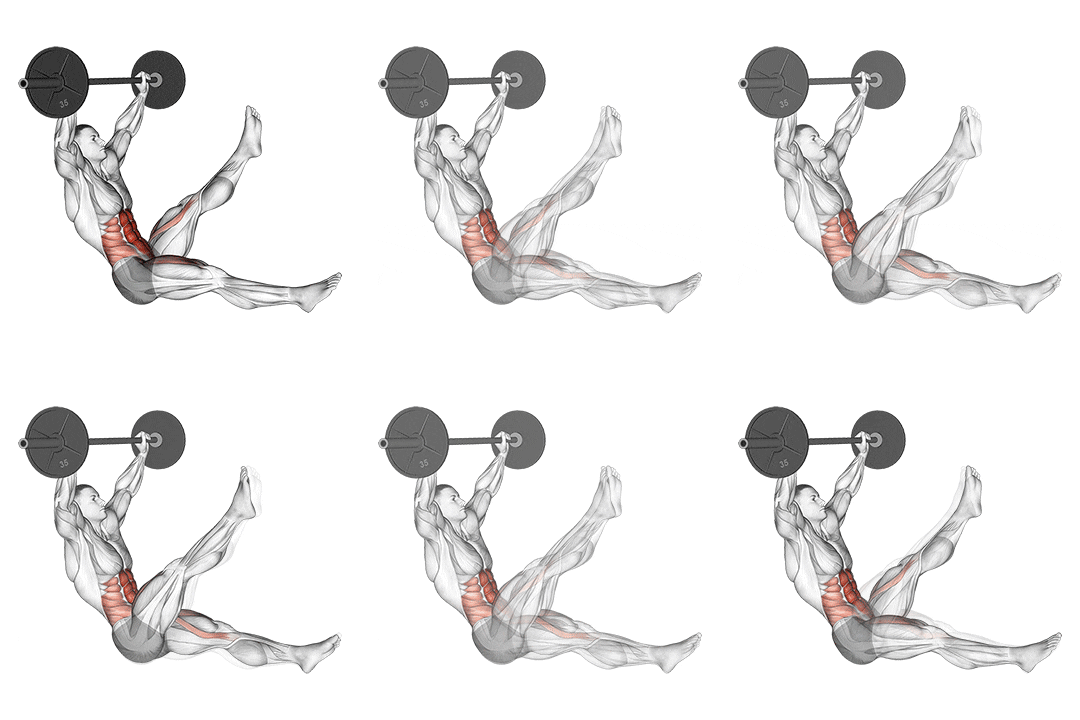
The barbell seated alternate leg raise is an exercise that targets the muscles of the lower abdominals, hip flexors, and quadriceps. It involves sitting on the edge of a bench or seat and lifting one leg at a time in an alternating fashion. This exercise helps strengthen the core, improve hip mobility, and enhance balance and stability. ## Instructions 1. Sit on the edge of a bench or seat with a barbell placed across your upper thighs. Grip the sides of the bench or place your hands beside you for support. 2. Extend your legs in front of you with your heels hovering just above the ground. This will be your starting position. 3. Lift one leg off the ground, keeping it straight, and raise it as high as comfortably possible while maintaining control. 4. Slowly lower the raised leg back down to the starting position. 5. Repeat the movement with the opposite leg, lifting it off the ground and raising it as high as comfortably possible. 6. Continue alternating legs for the desired number of repetitions. ## Variations - Bodyweight Seated Alternate Leg Raise: Perform the exercise without using a barbell. Place your hands on the bench or seat beside you for support. - Weighted Seated Alternate Leg Raise: Hold a dumbbell or weight plate on your thighs while performing the exercise to increase the intensity. - Hanging Alternate Leg Raise: Hang from a pull-up bar or use a captain's chair apparatus to perform the leg raise exercise in a hanging position, targeting the same muscle groups. ## Muscles Worked - Primary muscles: Lower abdominals, hip flexors (iliopsoas), and quadriceps. - Secondary muscles: Core muscles (rectus abdominis, transverse abdominis, obliques), hip stabilizers, and lower back muscles (erector spinae) for stability. ## Common Mistakes - Using momentum: Avoid swinging your legs or using momentum to lift them. Focus on controlled movements and engage the targeted muscles throughout the exercise. - Not maintaining a straight posture: Keep your back straight and avoid slouching or rounding your shoulders. Maintain an upright posture throughout the exercise. - Lifting the legs too high: Lift your legs as high as you comfortably can while maintaining control. Avoid overextending or hyperextending the lower back. - Holding your breath: Remember to breathe naturally throughout the exercise. Inhale during the lowering phase and exhale during the lifting phase. ## Safety Precautions - If you have any pre-existing lower back or hip issues, consult with a fitness professional or healthcare provider before performing this exercise. - Start with a lighter weight or no weight at all until you become comfortable with the movement and can maintain proper form. - Focus on maintaining stability and balance during the exercise. If needed, place your hands on the bench or seat beside you for support. - If you experience pain or discomfort during the exercise, stop immediately and seek guidance from a qualified professional.
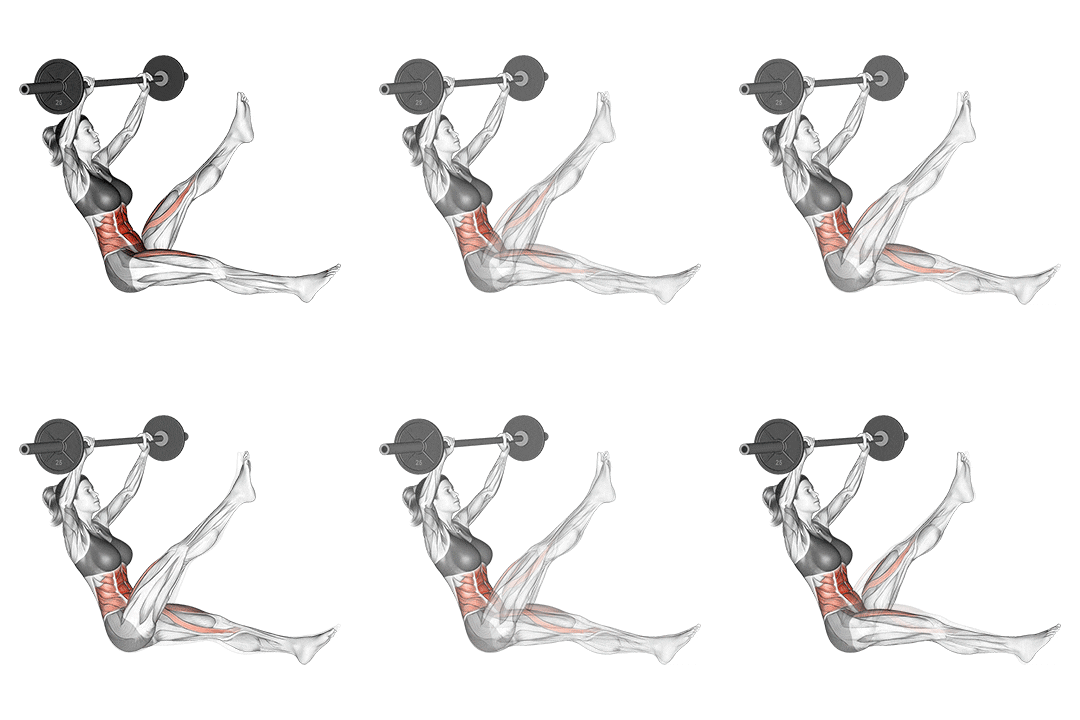
The barbell seated alternate leg raise is an exercise that primarily targets the abdominal muscles, particularly the lower abs. It also engages the hip flexors and thigh muscles. This exercise helps strengthen the core, improves stability, and enhances overall lower body strength. ## Instructions 1. Start by sitting on a flat bench with your legs extended in front of you and a barbell resting across your upper thighs. 2. Grasp the sides of the bench for support, keeping your torso upright and your back straight. 3. Begin the movement by lifting one leg off the ground while keeping the other leg grounded. 4. Slowly raise your lifted leg as high as you comfortably can, focusing on engaging your lower abs. 5. Pause briefly at the top of the movement, then lower your leg back down in a controlled manner. 6. Alternate legs and repeat the movement for the desired number of repetitions. ## Variations - If you're a beginner or find the exercise challenging, you can perform the movement without using a barbell. Simply rest your hands on your thighs for added support. - To increase the difficulty, you can add ankle weights or use a weighted barbell. - Another variation is to perform the exercise on a decline bench, which increases the challenge for the lower abs. ## Muscles Worked - Primary muscles: Lower abdominals - Secondary muscles: Hip flexors, quadriceps (thigh muscles) ## Common Mistakes - Using momentum: Avoid swinging your legs or using momentum to lift them. Focus on controlled movements and engage your abdominal muscles throughout. - Rounding the back: Keep your back straight and avoid rounding or arching it during the exercise. Maintain good posture throughout. - Lifting the legs too high: Lift your leg as high as you comfortably can without straining your lower back. Excessive lifting can lead to discomfort or injury. ## Safety Precautions - Start with a light weight or no weight at all, especially if you're new to the exercise, and gradually increase the load as you become more comfortable and proficient. - If you have any lower back or abdominal issues, it's advisable to consult with a healthcare professional before attempting this exercise. - Maintain proper form and avoid any jerky movements to prevent strain or injury. - If you experience any pain or discomfort during the exercise, stop immediately and seek medical advice if necessary.