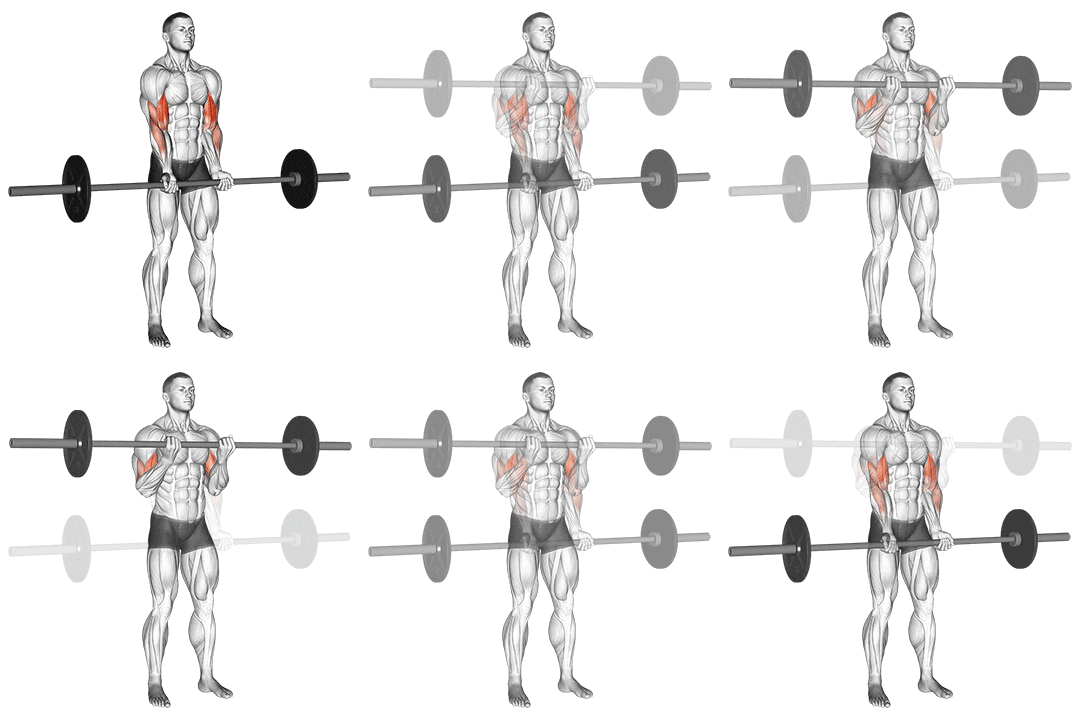
The barbell standing close grip curl is an exercise that primarily targets the biceps brachii, with secondary engagement of the brachialis and brachioradialis muscles. This exercise helps to develop and strengthen the muscles of the upper arm, leading to improved arm strength and aesthetics. ## Instructions 1. Stand upright with your feet shoulder-width apart and grasp a barbell with an underhand grip (palms facing up) at a distance slightly narrower than shoulder-width apart. Your hands should be close together, allowing the inner parts of your forearms to touch the sides of your torso. 2. Hold the barbell with your arms fully extended, allowing it to hang in front of your thighs. This is your starting position. 3. Keeping your upper arms stationary, exhale and curl the barbell upward while contracting your biceps. Focus on using only your forearms to move the weight. 4. Continue the curling motion until the barbell is at shoulder level, while squeezing your biceps at the top of the movement. 5. Inhale and slowly lower the barbell back to the starting position in a controlled manner, allowing your biceps to fully stretch. 6. Repeat the movement for the desired number of repetitions. ## Variations - Dumbbell Standing Close Grip Curl: Perform the same curling motion with dumbbells instead of a barbell. - EZ Bar Standing Close Grip Curl: Use an EZ bar (a barbell with zigzag or wavy grips) instead of a straight barbell for a slightly different grip and forearm position. - Seated Close Grip Curl: Perform the exercise while sitting on a bench or chair to minimize involvement of the lower back and focus more on the biceps. ## Muscles Worked - Primary muscles: Biceps brachii - Secondary muscles: Brachialis, brachioradialis ## Common Mistakes - Using momentum: Avoid using excessive swinging or momentum to lift the weight. Keep your upper arms stationary throughout the movement and focus on contracting your biceps. - Allowing the elbows to move forward: Keep your elbows close to your sides and prevent them from moving forward. This helps to isolate the biceps and reduces involvement of the shoulders. - Gripping too wide: Make sure to keep your hands close together, allowing the inner parts of your forearms to touch the sides of your torso. Gripping too wide reduces the effectiveness of the exercise. ## Safety Precautions - Use an appropriate weight that allows you to maintain proper form throughout the exercise. Using excessive weight can lead to poor technique and increased risk of injury. - Warm up your muscles before starting the exercise to reduce the risk of strains or pulls. - If you have any pre-existing conditions or injuries, consult with a healthcare professional or fitness trainer before attempting this exercise. - Pay attention to your body's signals. If you experience any pain or discomfort, stop the exercise and seek guidance from a professional.
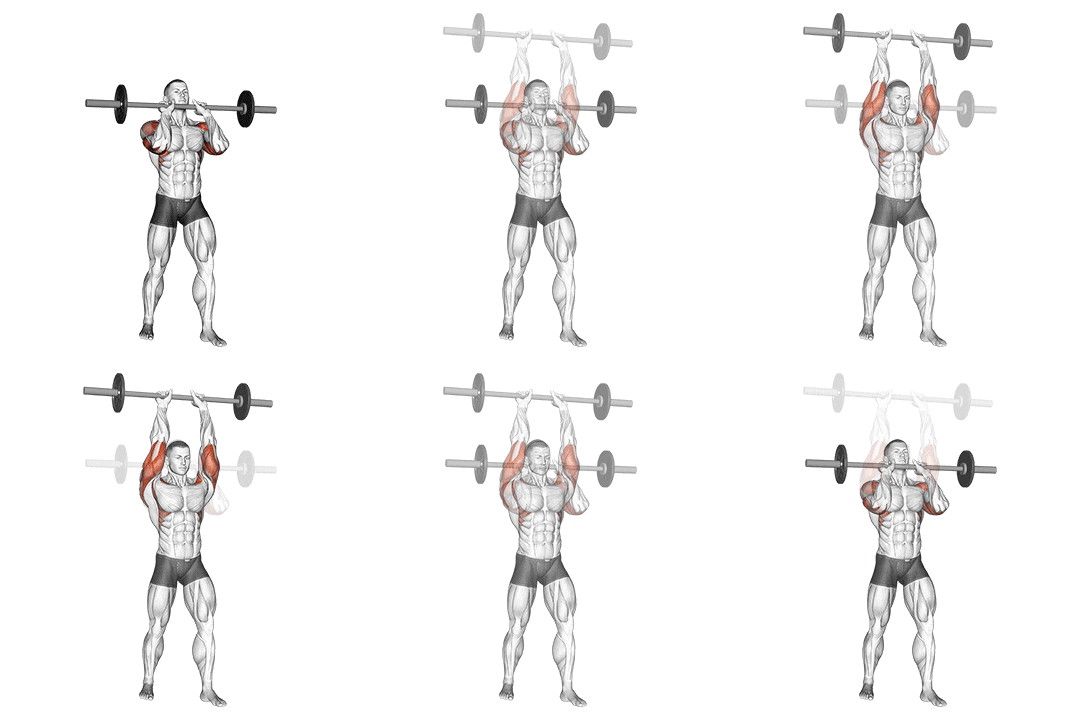
The barbell standing close grip military press is a compound exercise that primarily targets the deltoid muscles of the shoulders, along with secondary engagement of the triceps, upper back, and core muscles. This exercise is effective for developing overall shoulder strength and stability, as well as improving upper body muscular development. ## Instructions 1. Begin by standing with your feet shoulder-width apart and grasp a barbell with an overhand grip slightly narrower than shoulder-width apart. Your palms should be facing forward, and the barbell should be resting on the front of your shoulders, just below your chin. This is your starting position. 2. Take a deep breath and brace your core. 3. Exhale and press the barbell overhead by extending your arms straight upward. Maintain a tight grip on the barbell and keep it balanced throughout the movement. 4. Continue pressing the barbell until your arms are fully extended overhead, without locking out your elbows. 5. Inhale and slowly lower the barbell back to the starting position, controlling the descent. 6. Repeat the movement for the desired number of repetitions. ## Variations - Dumbbell Standing Close Grip Military Press: Perform the same pressing motion using dumbbells instead of a barbell. - Seated Close Grip Military Press: Perform the exercise while seated on a bench or chair, providing stability and reducing involvement of the lower body. - Arnold Press: Start with the dumbbells in a neutral grip (palms facing your body), then rotate your palms forward as you press the weights overhead. This variation adds additional recruitment of the shoulder muscles. ## Muscles Worked - Primary muscles: Deltoids (Anterior, Lateral, Posterior) - Secondary muscles: Triceps, upper back muscles, core muscles for stabilization ## Common Mistakes - Arching the back: Avoid excessive arching or leaning backward during the press. Maintain a neutral spine and engage your core muscles to stabilize your body. - Locking out the elbows: Do not fully lock out your elbows at the top of the movement. Keep a slight bend in your elbows to maintain tension on the muscles and reduce stress on the joints. - Using excessive momentum: Avoid using momentum or jerking motions to lift the weight. Focus on controlled, smooth movements throughout the exercise. - Gripping too wide: Keep your grip slightly narrower than shoulder-width apart. Gripping too wide can put excessive stress on the shoulders and limit your range of motion. ## Safety Precautions - Use an appropriate weight that allows you to maintain proper form and control throughout the exercise. - Warm up your muscles before starting the exercise to reduce the risk of strains or injuries. - If you have any pre-existing shoulder or back issues, consult with a healthcare professional or fitness trainer before attempting this exercise. - Maintain proper posture throughout the movement, keeping your chest up, shoulders back, and core engaged. - Start with lighter weights and gradually increase the load as you become comfortable and proficient with the exercise.
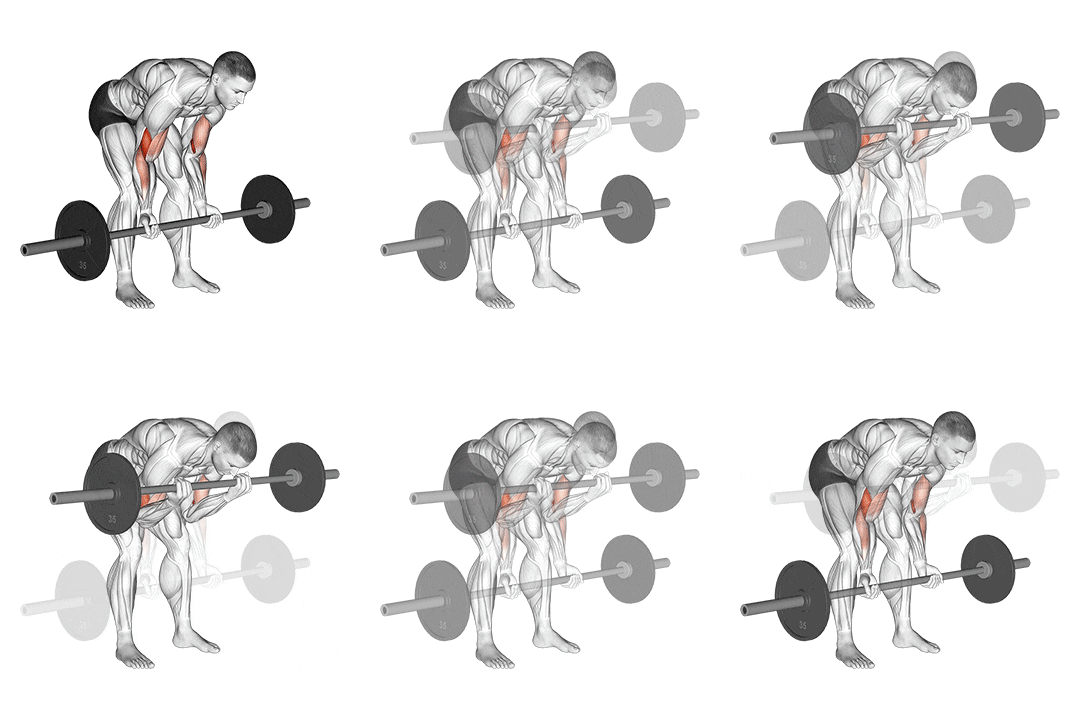
The barbell standing concentration curl is an isolation exercise that primarily targets the biceps brachii muscle. This exercise allows for a focused and intense contraction of the biceps, leading to improved arm strength, size, and definition. ## Instructions 1. Stand with your feet shoulder-width apart and hold a barbell with an underhand grip (palms facing up). Your hands should be shoulder-width apart, allowing the barbell to hang in front of your thighs. This is your starting position. 2. Take a deep breath and brace your core. 3. While keeping your upper arm stationary, exhale and curl the barbell upward by flexing your elbow. Focus on using your biceps to lift the weight. 4. Continue the curling motion until your forearm touches your biceps or you feel a strong contraction in your biceps. 5. Hold the contracted position for a brief moment while squeezing your biceps. 6. Inhale and slowly lower the barbell back to the starting position in a controlled manner, allowing your biceps to fully stretch. 7. Repeat the movement for the desired number of repetitions. ## Variations - Dumbbell Standing Concentration Curl: Perform the exercise with dumbbells instead of a barbell, allowing for a greater range of motion and individual arm movement. - Seated Concentration Curl: Sit on a bench or chair while performing the exercise, providing support and stability for better isolation of the biceps. - Alternating Concentration Curl: Perform the exercise one arm at a time, alternating between the left and right arms with each repetition. ## Muscles Worked - Primary muscle: Biceps brachii ## Common Mistakes - Using excessive momentum: Avoid swinging or using momentum to lift the weight. Focus on controlled and deliberate movements to fully engage the biceps. - Allowing the upper arm to move: Keep your upper arm stationary throughout the exercise. The movement should occur only at the elbow joint. - Leaning forward or backward: Maintain an upright posture without leaning forward or backward. This ensures proper alignment and isolates the biceps effectively. - Gripping too wide: Keep your hands shoulder-width apart on the barbell. Gripping too wide can shift the focus away from the biceps and engage other muscles unnecessarily. ## Safety Precautions - Use an appropriate weight that allows you to maintain proper form and control throughout the exercise. - Warm up your muscles before starting the exercise to reduce the risk of strains or injuries. - If you have any pre-existing conditions or injuries, consult with a healthcare professional or fitness trainer before attempting this exercise. - Pay attention to your body's signals. If you experience any pain or discomfort, stop the exercise and seek guidance from a professional. - Start with lighter weights and gradually increase the load as you become comfortable and proficient with the exercise.
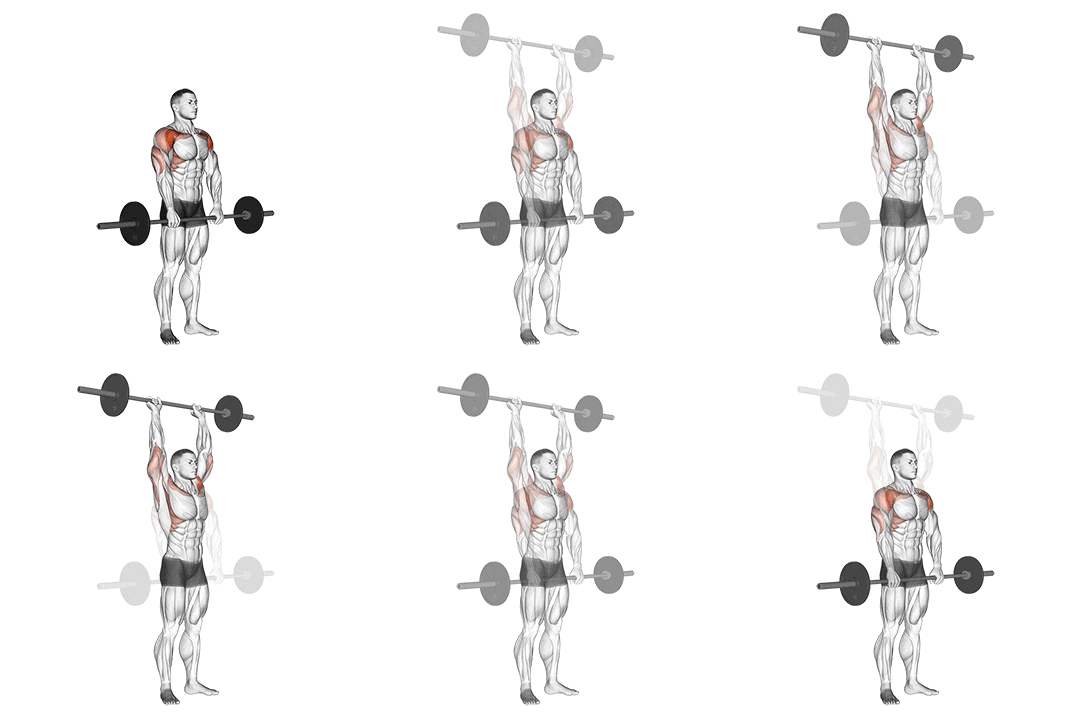
The barbell standing front raise overhead is an exercise that targets the anterior deltoids (front shoulders) and engages the muscles of the upper body, including the trapezius and triceps. This exercise helps to develop shoulder strength and stability while improving the appearance of the front shoulder muscles. ## Instructions 1. Begin by standing with your feet shoulder-width apart and hold a barbell with an overhand grip (palms facing down). Rest the barbell on the front of your thighs, with your arms fully extended. This is your starting position. 2. Take a deep breath and brace your core. 3. Exhale and raise the barbell in front of you, keeping your arms straight and extending them forward until the barbell reaches shoulder height. 4. Pause briefly at the top of the movement, focusing on the contraction in your front shoulders. 5. Inhale and slowly lower the barbell back down to the starting position, controlling the descent. 6. Repeat the movement for the desired number of repetitions. ## Variations - Dumbbell Standing Front Raise Overhead: Perform the same raising motion using dumbbells instead of a barbell, allowing for more independent movement of each arm. - Alternating Standing Front Raise Overhead: Perform the exercise one arm at a time, alternating between the left and right arms with each repetition. - Seated Front Raise Overhead: Sit on a bench or chair while performing the exercise to provide stability and focus solely on the front shoulder muscles. ## Muscles Worked - Primary muscles: Anterior deltoids (front shoulders) - Secondary muscles: Trapezius, triceps ## Common Mistakes - Using excessive momentum: Avoid swinging or using momentum to lift the weight. Control the movement and focus on using the front shoulder muscles to raise the barbell. - Raising the barbell too high: Raise the barbell until your arms are parallel to the ground, shoulder height. Avoid lifting it higher, as it can put unnecessary stress on the shoulder joint. - Leaning backward: Maintain an upright posture throughout the exercise. Avoid leaning backward or arching your back, as it can strain your lower back. - Gripping the barbell too wide: Keep your hands shoulder-width apart on the barbell. Gripping too wide or too narrow can affect the range of motion and engagement of the target muscles. ## Safety Precautions - Use an appropriate weight that allows you to maintain proper form and control throughout the exercise. - Warm up your muscles before starting the exercise to reduce the risk of strains or injuries. - If you have any pre-existing shoulder or back issues, consult with a healthcare professional or fitness trainer before attempting this exercise. - Maintain a neutral spine and engage your core for stability during the movement. - Start with lighter weights and gradually increase the load as you become comfortable and proficient with the exercise.
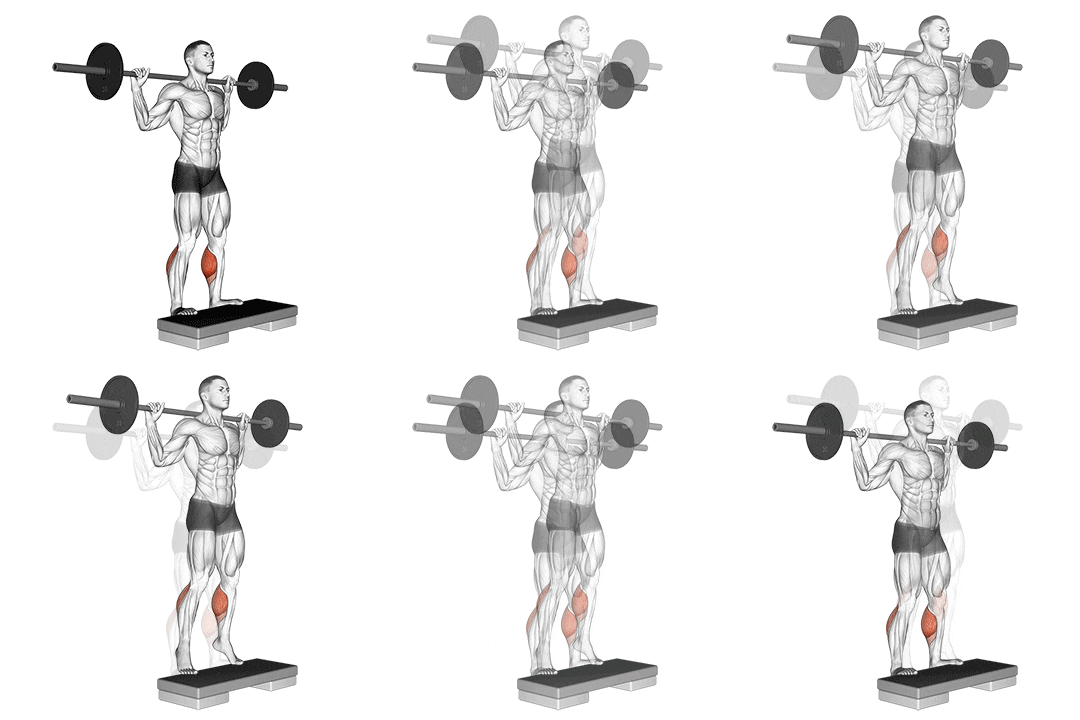
The barbell standing leg calf raise is an exercise that primarily targets the calf muscles, specifically the gastrocnemius and soleus. This exercise helps to develop strength, size, and definition in the calves, contributing to improved lower body aesthetics and functional performance. ## Instructions 1. Begin by standing with your feet shoulder-width apart and position a barbell across your upper back, resting it on your trapezius muscles. Hold the barbell with an overhand grip slightly wider than shoulder-width apart. This is your starting position. 2. Take a deep breath and brace your core. 3. Exhale and rise up onto the balls of your feet, lifting your heels as high as possible. Keep your legs straight throughout the movement. 4. Pause briefly at the top of the movement, squeezing your calf muscles. 5. Inhale and slowly lower your heels back down, allowing your calves to stretch. 6. Repeat the movement for the desired number of repetitions. ## Variations - Dumbbell Standing Leg Calf Raise: Perform the exercise using dumbbells held in your hands instead of a barbell. - Smith Machine Standing Leg Calf Raise: Use a Smith machine by placing the barbell on the machine's rack at an appropriate height. This provides stability and eliminates the need to balance the barbell. - Seated Leg Calf Raise: Perform the exercise while seated on a calf raise machine or bench, with your knees bent at 90 degrees. This variation specifically targets the soleus muscle. ## Muscles Worked - Primary muscles: Gastrocnemius (calf muscles) - Secondary muscles: Soleus ## Common Mistakes - Bouncing or using momentum: Avoid bouncing at the bottom of the movement or using momentum to raise your heels. Focus on controlled and deliberate movements to fully engage the calf muscles. - Allowing the knees to bend: Keep your legs straight throughout the exercise. Avoid bending your knees, as this reduces the emphasis on the calves and shifts the focus to other muscles. - Raising too high or too low: Lift your heels as high as possible without compromising proper form or balance. Avoid going beyond a comfortable range of motion that may cause strain or discomfort. - Neglecting the full stretch: Lower your heels until you feel a gentle stretch in your calves. Fully stretching the muscles allows for a greater range of motion and better muscle activation during the exercise. ## Safety Precautions - Use an appropriate weight or resistance that allows you to maintain proper form and control throughout the exercise. - Start with lighter weights and gradually increase the load as you become comfortable and proficient with the exercise. - Warm up your calf muscles before starting the exercise to reduce the risk of strains or injuries. - If you have any pre-existing conditions or injuries, consult with a healthcare professional or fitness trainer before attempting this exercise. - Maintain a neutral spine and engage your core for stability during the movement. - Pay attention to your body's signals. If you experience any pain or discomfort, stop the exercise and seek guidance from a professional.
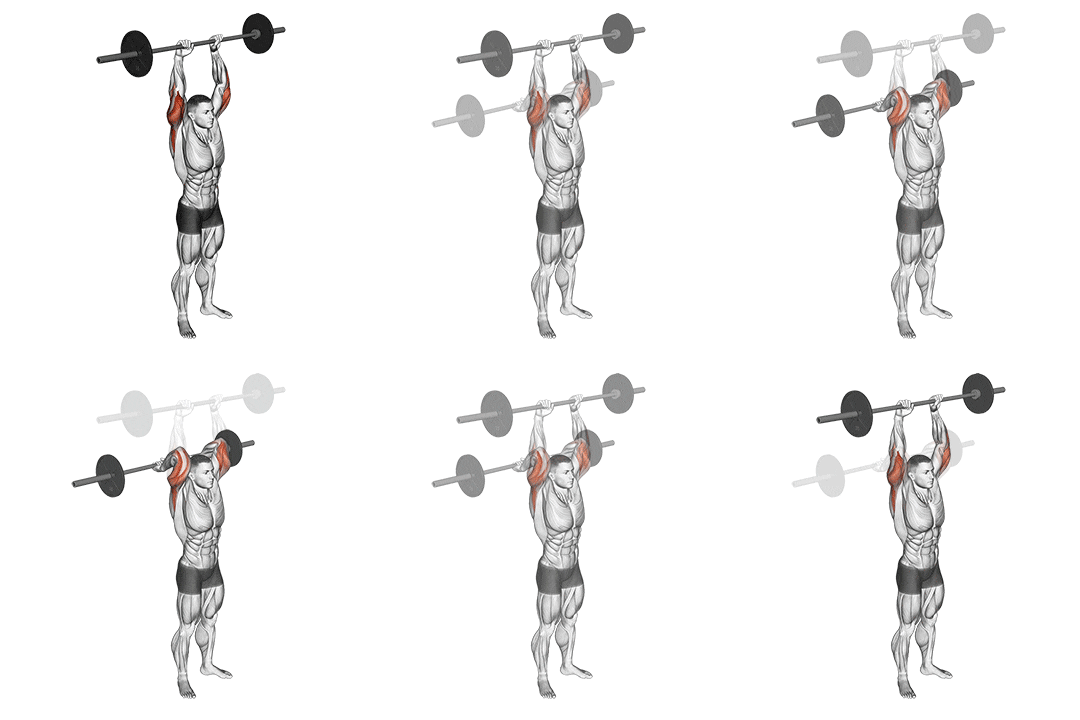
The barbell standing overhead triceps extension, also known as the French press or skull crusher, is an exercise that primarily targets the triceps muscles located at the back of the upper arms. This exercise helps to develop strength, size, and definition in the triceps, contributing to improved arm aesthetics and overall upper body strength. ## Instructions 1. Begin by standing with your feet shoulder-width apart and hold a barbell with an overhand grip (palms facing down), with your hands slightly narrower than shoulder-width apart. Lift the barbell overhead and fully extend your arms, keeping your elbows close to your head. This is your starting position. 2. Take a deep breath and brace your core. 3. While keeping your upper arms stationary and perpendicular to the floor, exhale and slowly lower the barbell behind your head by bending your elbows. Keep your elbows pointing forward and maintain control throughout the movement. 4. Continue lowering the barbell until your forearms are parallel to the floor or you feel a deep stretch in your triceps. 5. Pause briefly at the bottom of the movement, feeling the contraction in your triceps. 6. Inhale and extend your arms, raising the barbell back to the starting position. 7. Repeat the movement for the desired number of repetitions. ## Variations - EZ-Bar Standing Overhead Triceps Extension: Use an EZ-bar (curved bar) instead of a straight barbell for added comfort and variety. - Dumbbell Standing Overhead Triceps Extension: Perform the exercise with dumbbells instead of a barbell, allowing for a greater range of motion and individual arm movement. - Seated Overhead Triceps Extension: Sit on a bench or chair while performing the exercise, providing stability and isolating the triceps muscles. ## Muscles Worked - Primary muscle: Triceps brachii ## Common Mistakes - Flaring the elbows: Keep your elbows pointing forward and close to your head throughout the exercise. Avoid allowing your elbows to flare out to the sides, as it reduces the emphasis on the triceps and can strain the shoulder joint. - Using excessive weight: Start with a weight that allows you to maintain proper form and control. Avoid using excessive weight that leads to swinging or compensatory movements. - Allowing the upper arms to move: Keep your upper arms stationary throughout the exercise. The movement should occur only at the elbow joint. - Not fully extending the arms: Ensure that you fully extend your arms at the top of the movement, without locking your elbows. This helps to fully engage the triceps muscles. ## Safety Precautions - Use an appropriate weight that allows you to maintain proper form and control throughout the exercise. - Warm up your triceps and shoulders before starting the exercise to reduce the risk of strains or injuries. - If you have any pre-existing conditions or injuries, consult with a healthcare professional or fitness trainer before attempting this exercise. - Pay attention to your body's signals. If you experience any pain or discomfort, stop the exercise and seek guidance from a professional. - Engage your core and maintain a stable and upright posture throughout the movement. - Start with lighter weights and gradually increase the load as you become comfortable and proficient with the exercise.
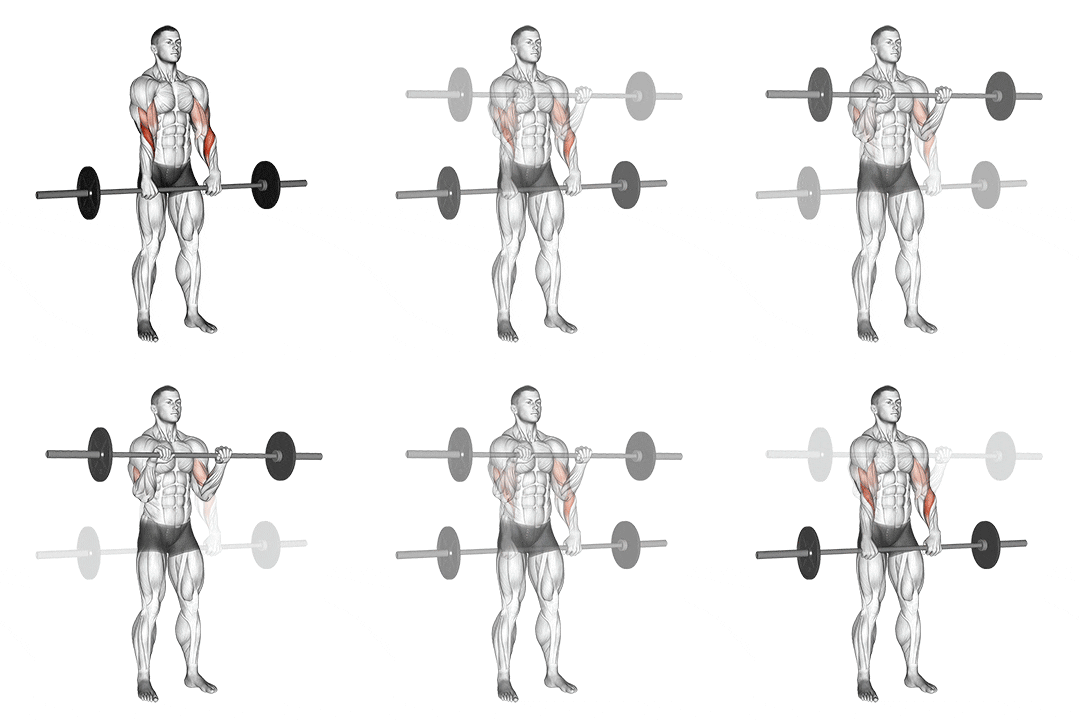
The barbell standing reverse grip curl is an exercise that targets the biceps muscles located at the front of the upper arms. By using an underhand grip (palms facing up), this exercise places more emphasis on the brachialis and brachioradialis muscles in addition to the biceps. It helps to develop strength, size, and definition in the upper arms, contributing to improved arm aesthetics and functional strength. ## Instructions 1. Begin by standing with your feet shoulder-width apart and hold a barbell with an underhand grip, with your hands slightly wider than shoulder-width apart. Allow the barbell to hang in front of your thighs with your arms fully extended. This is your starting position. 2. Take a deep breath and brace your core. 3. Exhale and slowly curl the barbell toward your shoulders, keeping your elbows close to your sides and your upper arms stationary. Focus on contracting your biceps and squeezing them at the top of the movement. 4. Continue curling the barbell until your forearms are fully contracted and the barbell is at shoulder level. 5. Pause briefly at the top of the movement, squeezing your biceps. 6. Inhale and slowly lower the barbell back down to the starting position, fully extending your arms. 7. Repeat the movement for the desired number of repetitions. ## Variations - Dumbbell Standing Reverse Grip Curl: Perform the exercise using dumbbells instead of a barbell, allowing for a greater range of motion and individual arm movement. - Cable Standing Reverse Grip Curl: Use a cable machine with an attached straight bar and perform the exercise with an underhand grip. This variation provides constant tension throughout the movement. - Hammer Curl: Hold the barbell with a neutral grip (palms facing each other) instead of an underhand grip. This targets the brachialis and brachioradialis muscles in addition to the biceps. ## Muscles Worked - Primary muscle: Biceps brachii - Secondary muscles: Brachialis, brachioradialis ## Common Mistakes - Using excessive momentum: Avoid swinging or using momentum to lift the weight. Control the movement and focus on using the biceps to curl the barbell. - Allowing the elbows to move forward: Keep your elbows stationary and close to your sides throughout the exercise. Avoid allowing your elbows to move forward, as it reduces the emphasis on the biceps. - Not fully extending the arms: Ensure that you fully extend your arms at the bottom of the movement, allowing for a full range of motion and muscle activation. - Gripping the barbell too tightly: Maintain a firm but relaxed grip on the barbell. Avoid gripping it too tightly, as it can create unnecessary tension in the forearms and limit the contraction of the biceps. ## Safety Precautions - Use an appropriate weight that allows you to maintain proper form and control throughout the exercise. - Warm up your biceps and forearms before starting the exercise to reduce the risk of strains or injuries. - If you have any pre-existing conditions or injuries, consult with a healthcare professional or fitness trainer before attempting this exercise. - Engage your core and maintain a stable and upright posture throughout the movement. - Pay attention to your body's signals. If you experience any pain or discomfort, stop the exercise and seek guidance from a professional. - Start with lighter weights and gradually increase the load as you become comfortable and proficient with the exercise.
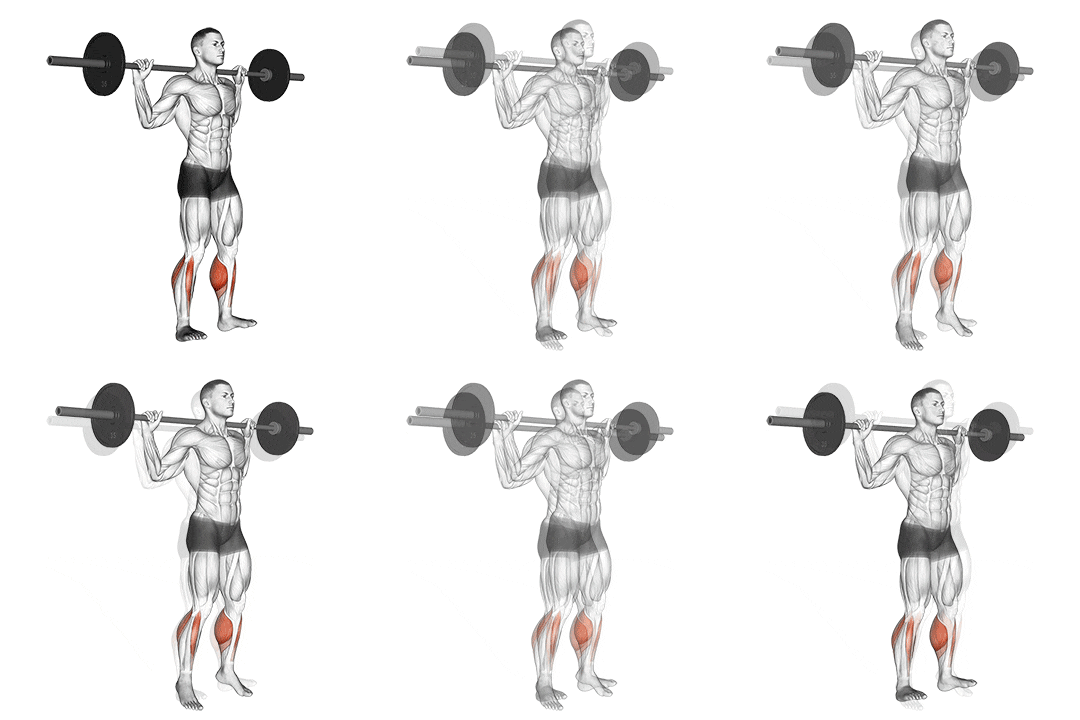
The barbell standing rocking leg calf raise is an exercise that primarily targets the calf muscles, specifically the gastrocnemius and soleus. This exercise involves a rocking motion, which adds an element of instability, challenging the muscles in the lower legs. It helps to develop strength, stability, and balance in the calves, contributing to improved lower body function and athletic performance. ## Instructions 1. Begin by standing with your feet shoulder-width apart and position a barbell across your upper back, resting it on your trapezius muscles. Hold the barbell with an overhand grip slightly wider than shoulder-width apart. This is your starting position. 2. Take a deep breath and brace your core. 3. Raise your heels as high as possible, lifting your body onto the balls of your feet. 4. From this position, shift your weight forward, allowing the balls of your feet to come off the ground and rock onto your toes. 5. Hold the forward position briefly, feeling the stretch in your calves. 6. Shift your weight backward, rocking onto your heels, and lowering your toes toward the ground. 7. Pause briefly in the backward position, feeling the contraction in your calves. 8. Repeat the rocking motion for the desired number of repetitions. ## Variations - Smith Machine Standing Rocking Leg Calf Raise: Use a Smith machine by placing the barbell on the machine's rack at an appropriate height. This provides stability and eliminates the need to balance the barbell, allowing you to focus on the rocking motion. - Single-Leg Standing Rocking Leg Calf Raise: Perform the exercise using one leg at a time, while keeping the other leg off the ground. This variation increases the challenge and places greater emphasis on each calf individually. ## Muscles Worked - Primary muscles: Gastrocnemius (calf muscles) - Secondary muscles: Soleus ## Common Mistakes - Not maintaining balance: Focus on maintaining proper balance and stability throughout the exercise. Keep your core engaged and your body centered. - Rushing the movement: Perform the rocking motion in a controlled and deliberate manner. Avoid rushing through the exercise, as it reduces the effectiveness and increases the risk of injury. - Using excessive weight: Start with a weight that allows you to maintain proper form and control. Avoid using excessive weight that compromises your balance or prevents a full range of motion. - Neglecting the full stretch and contraction: Ensure that you fully stretch your calves at the forward position and fully contract them at the backward position. Emphasize the full range of motion to maximize the benefits of the exercise. ## Safety Precautions - Use an appropriate weight or resistance that allows you to maintain proper form and control throughout the exercise. - Start with lighter weights and gradually increase the load as you become comfortable and proficient with the exercise. - Warm up your calf muscles before starting the exercise to reduce the risk of strains or injuries. - If you have any pre-existing conditions or injuries, consult with a healthcare professional or fitness trainer before attempting this exercise. - Maintain a neutral spine and engage your core for stability during the movement. - Pay attention to your body's signals. If you experience any pain or discomfort, stop the exercise and seek guidance from a professional.
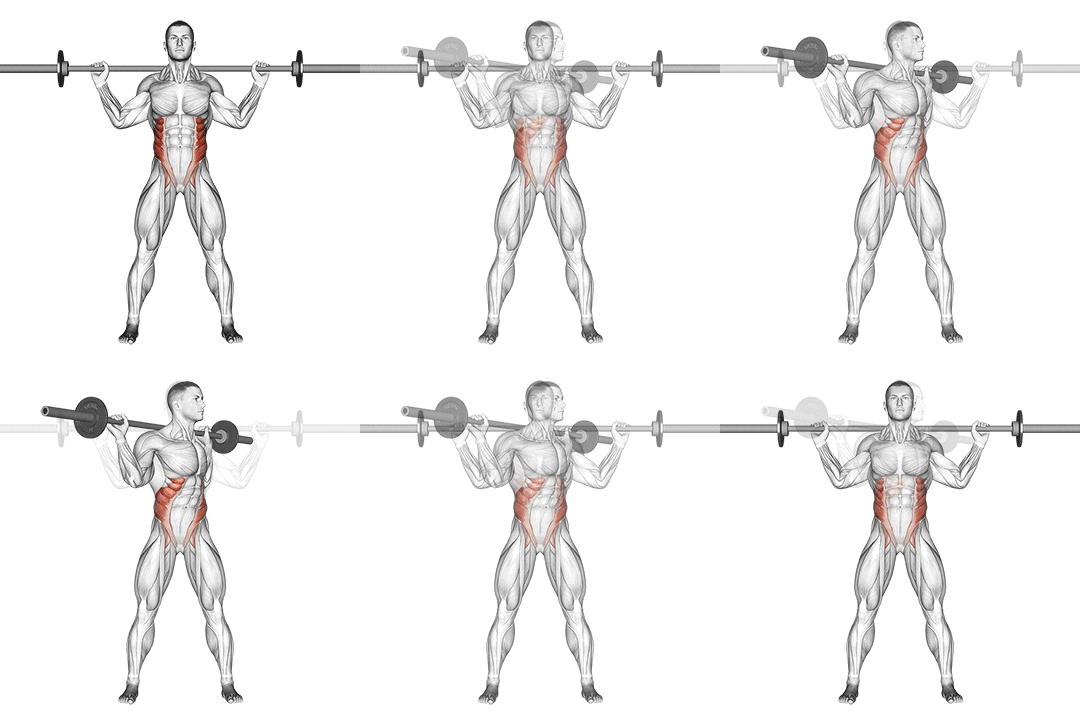
The barbell standing twist is an exercise that targets the oblique muscles, which are located on the sides of the abdomen. This exercise involves rotational movement, which helps to strengthen and tone the obliques, improve core stability, and enhance overall functional fitness. It also engages other muscles in the core and lower back to support the twisting motion. ## Instructions 1. Begin by standing with your feet shoulder-width apart and hold a barbell with both hands, positioning it across your upper back and shoulders. Your hands should be slightly wider than shoulder-width apart. This is your starting position. 2. Take a deep breath and brace your core. 3. Initiate the movement by rotating your torso to the right side, keeping your feet planted and facing forward. 4. Rotate as far as comfortable, aiming to turn your upper body parallel to the right side. 5. Pause briefly at the end of the range of motion, feeling the contraction in your oblique muscles. 6. Slowly return to the starting position by rotating your torso back to the center. 7. Repeat the movement, this time rotating your torso to the left side. 8. Continue alternating sides for the desired number of repetitions. ## Variations - Dumbbell Standing Twist: Perform the exercise using dumbbells instead of a barbell. Hold one dumbbell in each hand and perform the twisting motion as described. - Russian Twist: Sit on the ground with your knees bent and feet lifted off the floor. Hold a weight, such as a dumbbell or medicine ball, in front of your chest and rotate your torso from side to side, touching the weight to the ground on each side. - Cable Standing Twist: Attach a rope handle to a cable machine and set it at chest height. Hold the rope with both hands and perform the twisting motion, maintaining tension throughout the movement. ## Muscles Worked - Primary muscles: Obliques (external and internal) - Secondary muscles: Rectus abdominis (six-pack muscles), transverse abdominis, erector spinae (lower back muscles) ## Common Mistakes - Using excessive weight: Start with a weight that allows you to maintain proper form and control throughout the exercise. Avoid using excessive weight that compromises your technique and places unnecessary strain on your lower back. - Over-rotating the hips: Focus on rotating your torso while keeping your hips stable and facing forward. Avoid excessive movement or rotation in the hips, as it reduces the effectiveness of the exercise. - Relying solely on momentum: Perform the exercise in a slow and controlled manner. Avoid relying on momentum to generate the twisting motion. Instead, engage your core muscles and initiate the movement from your obliques. - Neglecting proper breathing: Remember to breathe throughout the exercise. Inhale before initiating the twist and exhale as you rotate your torso. ## Safety Precautions - Use an appropriate weight that allows you to maintain proper form and control. - Warm up your core and back muscles before starting the exercise to reduce the risk of strains or injuries. - If you have any pre-existing conditions or injuries, consult with a healthcare professional or fitness trainer before attempting this exercise. - Engage your core muscles and maintain proper posture throughout the movement. - Avoid excessive twisting or jerking motions, as they can strain the lower back. - Pay attention to your body's signals. If you experience any pain or discomfort, stop the exercise and seek guidance from a professional. - Start with lighter weights and gradually increase the load as you become comfortable and proficient with the exercise.