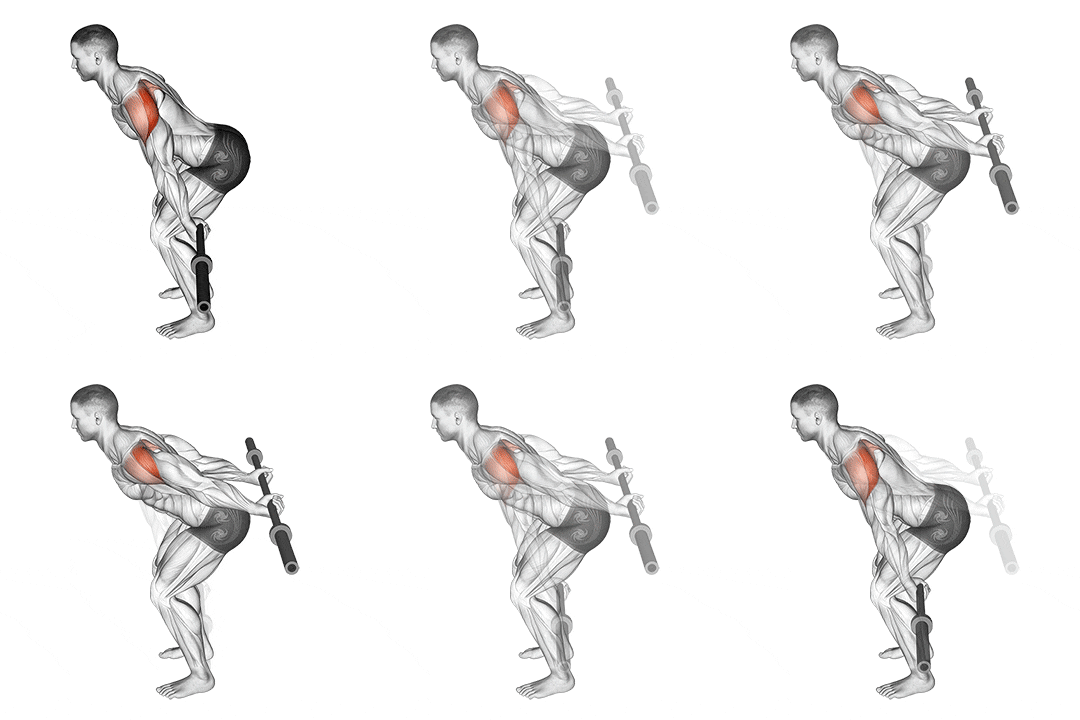
The barbell skier exercise is a full-body compound movement that targets multiple muscle groups. It mimics the motion of a skier, engaging the lower body, core, and upper body simultaneously. This exercise helps develop strength, power, and coordination while enhancing cardiovascular fitness. ## Instructions 1. Begin by standing with your feet shoulder-width apart, holding a barbell with an overhand grip. The barbell should be resting on your thighs. 2. Keep your chest up, shoulders back, and core engaged throughout the exercise. 3. Lower your body into a squat position by bending your knees and pushing your hips back. Maintain a neutral spine. 4. In one fluid motion, explosively extend your legs, driving through your heels, and simultaneously pull the barbell up toward your chin, bringing your elbows high and wide. 5. At the top of the movement, your body should resemble the position of a skier leaning forward with arms extended. 6. Lower the barbell back down to the starting position by reversing the movement, bending your knees, and returning to a squat position. 7. Repeat the exercise for the desired number of repetitions. ## Variations - Beginners or individuals with limited mobility can perform the exercise without using a barbell. Instead, use bodyweight or dumbbells to simulate the skier motion. - To increase the challenge, you can add weight plates to the barbell or use a heavier barbell. - Another variation is to perform the exercise with a staggered stance, with one foot slightly forward and the other foot slightly back. This can engage the muscles in a slightly different way. ## Muscles Worked - Primary muscles: Quadriceps, glutes, hamstrings, calves, core muscles (including abdominals and lower back) - Secondary muscles: Deltoids (shoulders), trapezius, biceps, triceps ## Common Mistakes - Rounding the back: Maintain a neutral spine throughout the exercise and avoid rounding your back. Engage your core and focus on good posture. - Using excessive weight: It's essential to use a weight that allows you to maintain proper form and perform the exercise with control. Avoid using too much weight, which may compromise your technique. - Lack of control: The exercise should be performed in a controlled manner, avoiding any jerky or unsteady movements. Focus on smooth and controlled motions. ## Safety Precautions - Warm up adequately before attempting the barbell skier exercise to prepare your muscles and joints for the movement. - Start with a lighter weight to master the technique before progressing to heavier loads. - If you have any existing knee or back issues, it's advisable to consult with a healthcare professional before performing this exercise. - Pay attention to your surroundings and ensure you have enough space to perform the exercise safely. - If you experience any pain or discomfort, particularly in your joints, stop the exercise and seek advice from a qualified professional.
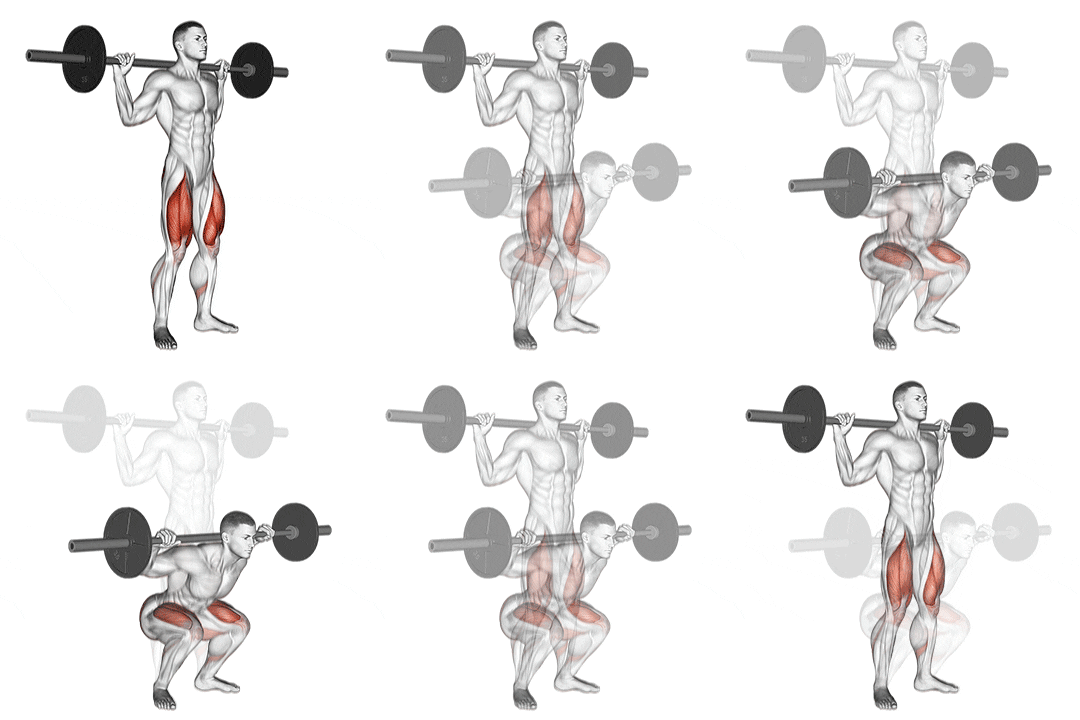
The barbell speed squat is a lower-body exercise that focuses on developing explosive power and speed. It primarily targets the muscles of the lower body, including the quadriceps, hamstrings, glutes, and calves. This exercise is beneficial for athletes involved in sports that require quick and explosive movements, as well as individuals looking to improve lower body strength and power. ## Instructions 1. Start by setting up a barbell on a squat rack at about chest height. Load the barbell with an appropriate weight based on your fitness level and goals. 2. Stand facing the barbell with your feet slightly wider than shoulder-width apart. Position the barbell across your upper back, resting it comfortably on your trapezius muscles. 3. Engage your core, keep your chest up, and maintain a straight back throughout the exercise. 4. Begin the movement by pushing your hips back and bending your knees, initiating the squat. 5. Descend into the squat position by lowering your body, keeping your heels grounded, and aiming to bring your thighs parallel to the floor. Maintain good form and avoid rounding your back. 6. Once you reach the bottom position, explode upward by driving through your heels and extending your hips and knees simultaneously. The goal is to perform the upward movement with maximum speed and power. 7. As you ascend, focus on maintaining control and speed throughout the entire range of motion. 8. Repeat the exercise for the desired number of repetitions, ensuring each repetition is performed explosively. ## Variations - If you're a beginner or have limited mobility, you can perform the exercise with a box or bench placed behind you. Descend onto the box or bench until your glutes lightly touch it, then explode upward. - For advanced individuals or athletes, you can incorporate bands or chains to provide accommodating resistance. These additional tools increase the difficulty of the exercise and target the muscles differently. - Another variation is the pause squat, where you pause at the bottom position for a few seconds before exploding upward. This helps develop strength out of the hole and improves explosive power. ## Muscles Worked - Primary muscles: Quadriceps, glutes, hamstrings, calves - Secondary muscles: Core muscles (including abdominals and lower back) ## Common Mistakes - Poor form: Avoid rounding the back, collapsing the knees inward, or allowing the heels to lift off the ground. Focus on maintaining good posture and proper alignment throughout the movement. - Lack of explosiveness: The key to the exercise is performing the upward phase with maximum speed and power. Make sure to generate force through your legs and push explosively from the bottom position. - Overloading with excessive weight: It's crucial to use a weight that allows you to maintain proper form and perform the exercise with speed. Avoid sacrificing technique by using too much weight. ## Safety Precautions - Prioritize warm-up exercises to prepare your muscles and joints for the squatting movement. - Start with lighter weights to master the technique and gradually increase the load as your form and strength improve. - Always use a spotter or perform the exercise within a squat rack for added safety. - If you have any pre-existing knee or back issues, it's advisable to consult with a healthcare professional before attempting this exercise. - Listen to your body and avoid pushing through any sharp or intense pain. If you experience discomfort, stop the exercise and seek guidance from a qualified professional.
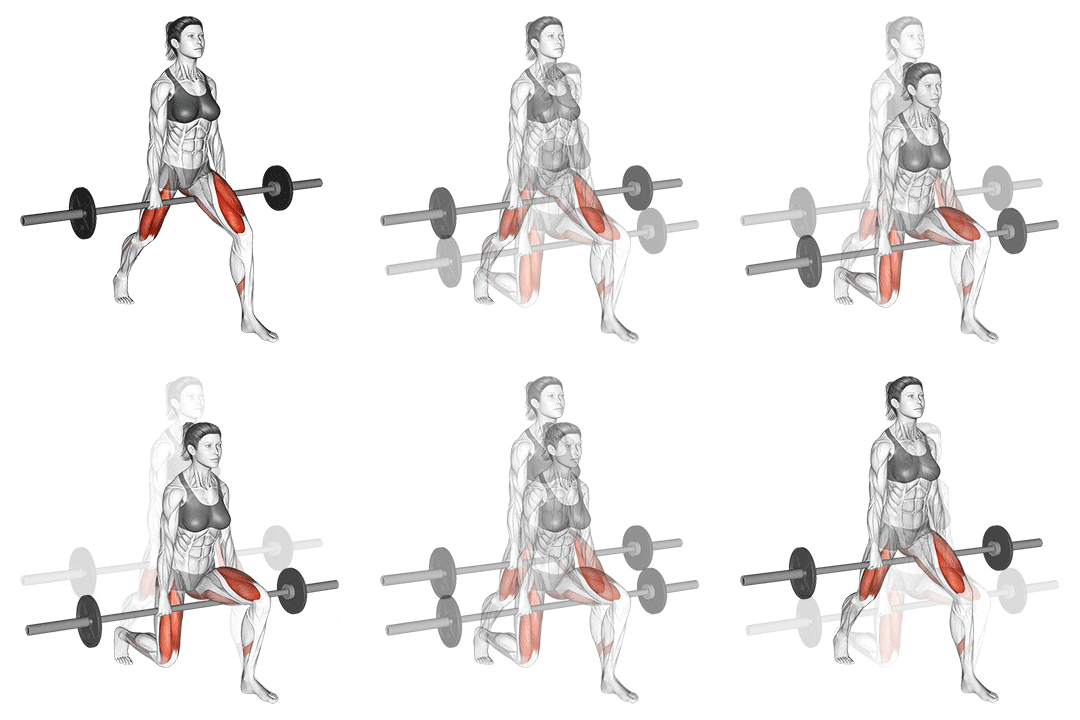
The barbell split squat, also known as the barbell lunge, is a lower-body exercise that primarily targets the quadriceps, hamstrings, glutes, and calves. It also engages the core muscles for stability and balance. This exercise helps improve lower body strength, balance, and flexibility. ## Instructions 1. Start by standing with your feet hip-width apart, holding a barbell across your upper back, resting it comfortably on your trapezius muscles. 2. Take a big step forward with one foot, approximately 2-3 feet in front of the other foot. The front foot should be positioned flat on the ground, while the back foot rests on the ball of the foot with the heel lifted. 3. Engage your core, keep your chest up, and maintain a straight back throughout the exercise. 4. Lower your body by bending both knees, simultaneously descending straight down towards the floor. Keep the front knee in line with the toes, and the back knee should be pointing down towards the floor. 5. Continue lowering your body until the back knee is a few inches above the ground or nearly touches the ground. 6. Push through the front heel and raise your body back up to the starting position, extending the front knee and hip. 7. Repeat the movement for the desired number of repetitions on one leg before switching to the other leg. 8. Alternate legs and continue the exercise, maintaining proper form and control throughout. ## Variations - To increase the difficulty, you can perform the exercise with dumbbells or a weighted vest instead of a barbell. - If you're a beginner or have difficulty with balance, you can perform the split squat by holding onto a stable object, such as a railing or squat rack, for support. - For added challenge and variation, you can perform walking lunges or reverse lunges instead of static split squats. ## Muscles Worked - Primary muscles: Quadriceps, glutes, hamstrings, calves - Secondary muscles: Core muscles (including abdominals and lower back) ## Common Mistakes - Leaning too far forward: Maintain an upright torso throughout the exercise. Avoid excessive leaning forward, as it can put stress on the knees and compromise proper form. - Letting the front knee collapse inward: Keep the front knee in line with the toes and prevent it from caving inward. This helps maintain proper alignment and reduces the risk of knee strain. - Insufficient depth: Aim to lower your body until the back knee is a few inches above the ground or nearly touches the ground. Going through a full range of motion helps maximize the benefits of the exercise. ## Safety Precautions - Prioritize warm-up exercises to prepare your muscles and joints for the split squat movement. - Start with lighter weights or bodyweight to master the technique and gradually increase the load as your form and strength improve. - Maintain proper form and avoid excessive forward momentum or jerking motions during the exercise. - If you have any knee or hip issues, it's advisable to consult with a healthcare professional before attempting this exercise. - Listen to your body and avoid pushing through any sharp or intense pain. If you experience discomfort, stop the exercise and seek guidance from a qualified professional.
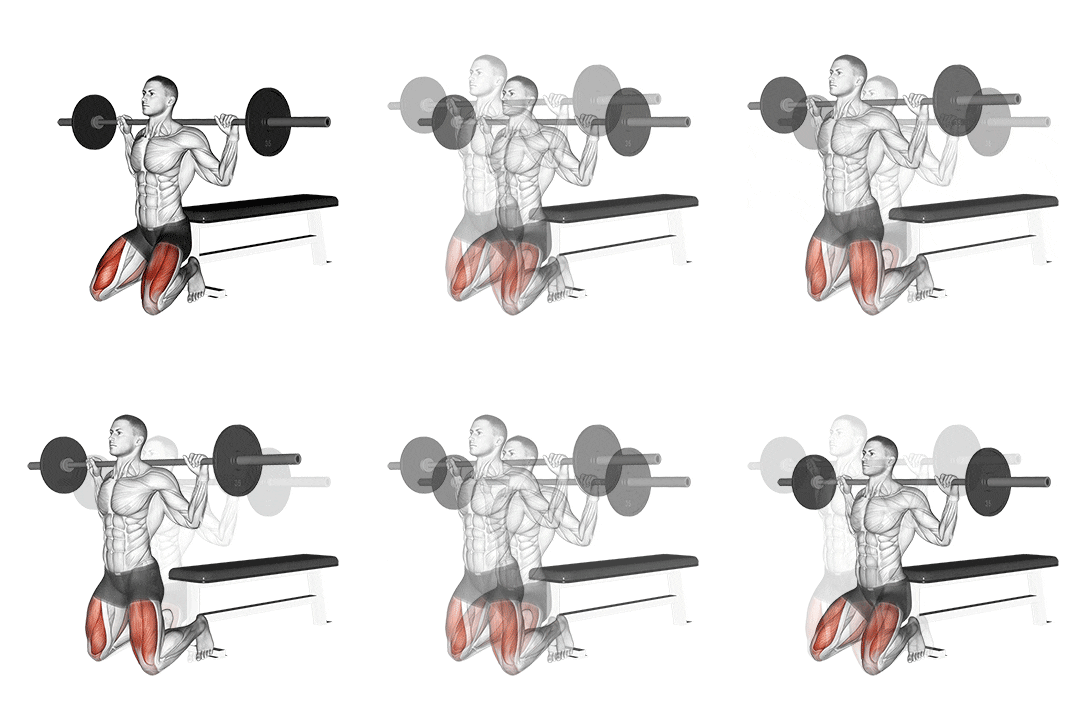
The barbell squat on knees is an advanced lower-body exercise that targets the quadriceps, hamstrings, and glutes. It involves kneeling on a padded surface while holding a barbell and performing a squatting motion. This exercise challenges the lower body muscles and can help improve leg strength, stability, and muscular endurance. ## Instructions 1. Start by placing a padded mat or a folded exercise mat on the floor. Kneel on the mat with your knees hip-width apart. 2. Position a barbell behind you and grasp it with an overhand grip, slightly wider than shoulder-width apart. Make sure your wrists are straight and aligned with your forearms. 3. Engage your core, keep your chest up, and maintain a neutral spine throughout the exercise. 4. Begin the movement by pushing your hips back and bending your knees, descending into a squatting position. Lower your body until your thighs are parallel to the floor or slightly below, maintaining control and good form. 5. Pause briefly at the bottom of the squat, then push through your feet and extend your knees and hips to rise back up to the starting position. 6. Repeat the movement for the desired number of repetitions, maintaining proper form and control throughout. ## Variations - If you're new to the exercise or find it challenging, you can perform the squat on knees without using a barbell. Simply place your hands on your hips or hold onto a stable object for balance and support. - To increase the difficulty, you can add weight plates to the barbell or use a heavier barbell. - Another variation is to perform the squat on knees using a Smith machine. This can provide additional stability and control during the movement. ## Muscles Worked - Primary muscles: Quadriceps, hamstrings, glutes - Secondary muscles: Core muscles (including abdominals and lower back) ## Common Mistakes - Rounding the back: Maintain a neutral spine throughout the exercise and avoid rounding your back. Engage your core and focus on good posture. - Allowing the knees to cave inward: Keep your knees in line with your toes and avoid letting them collapse inward. This helps maintain proper alignment and reduces the risk of knee strain. - Descending too quickly: Control the descent and avoid rushing through the movement. Focus on maintaining proper form and performing the exercise with control. ## Safety Precautions - Warm up adequately before attempting the barbell squat on knees to prepare your muscles and joints for the exercise. - Start with a lighter weight or no weight at all, especially if you're new to the exercise, and gradually increase the load as you become more comfortable and proficient. - Use knee pads or additional padding to protect your knees and provide comfort during the exercise. - If you have any knee or joint issues, it's advisable to consult with a healthcare professional before attempting this exercise. - Listen to your body and avoid pushing through any sharp or intense pain. If you experience discomfort, stop the exercise and seek guidance from a qualified professional.
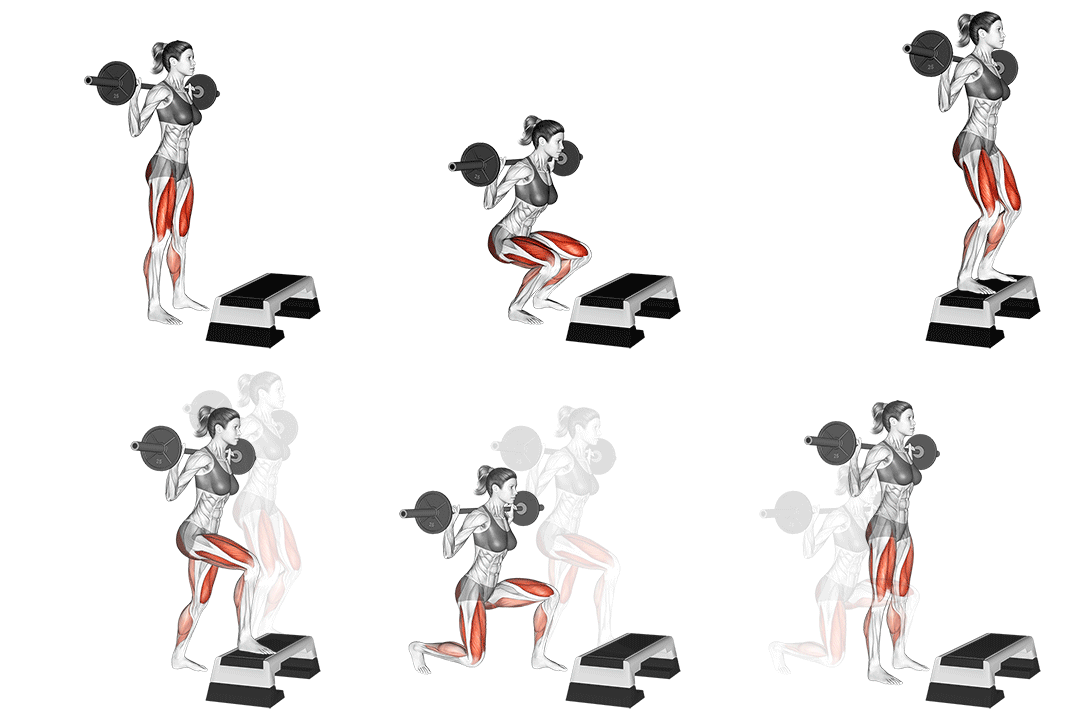
The barbell squat jump step rear lunge is an advanced lower-body exercise that combines the explosive power of squat jumps with the stability and strength-building benefits of step rear lunges. This exercise targets the quadriceps, hamstrings, glutes, and calves, while also engaging the core muscles. It helps improve lower body strength, power, balance, and coordination. ## Instructions 1. Begin by standing with your feet shoulder-width apart, holding a barbell across your upper back, resting it comfortably on your trapezius muscles. 2. Lower your body into a squat position by bending your knees and pushing your hips back. Keep your chest up, core engaged, and maintain proper form. 3. Explosively jump upward, pushing through your feet and extending your hips, knees, and ankles simultaneously. 4. While in the air, perform a quick and controlled step backward with one leg, descending into a reverse lunge position. The back knee should almost touch the ground, and the front knee should be at a 90-degree angle, aligning with the ankle. 5. Push through the front heel and extend your knee and hip to rise back up from the lunge position. 6. Immediately repeat the jump, returning to the squat position. 7. Alternate legs and perform the exercise in a continuous, fluid motion, alternating between squat jumps and step rear lunges. ## Variations - If you're new to the exercise or find it challenging, you can modify it by performing bodyweight squat jumps and reverse lunges without the barbell. - To increase the difficulty, you can add weight plates to the barbell or use a heavier barbell. - Another variation is to perform the exercise with dumbbells or kettlebells held at your sides instead of using a barbell. ## Muscles Worked - Primary muscles: Quadriceps, hamstrings, glutes, calves - Secondary muscles: Core muscles (including abdominals and lower back) ## Common Mistakes - Poor form: Maintain proper form throughout the exercise. Avoid rounding your back, collapsing your knees inward, or letting your heels lift off the ground. Focus on maintaining good posture and alignment. - Lack of explosiveness: The squat jump is meant to be performed with maximum power and speed. Make sure to generate force through your legs and explode upward. - Inadequate depth in lunges: Aim to descend into a full reverse lunge position, with the back knee nearly touching the ground. This ensures proper engagement of the muscles and maximizes the benefits of the exercise. ## Safety Precautions - Warm up adequately before attempting the barbell squat jump step rear lunge to prepare your muscles and joints for the exercise. - Start with a lighter weight or no weight at all, especially if you're new to the exercise, and gradually increase the load as you become more comfortable and proficient. - Use proper footwear with good support to protect your feet and ankles during the exercise. - If you have any knee or joint issues, it's advisable to consult with a healthcare professional before attempting this exercise. - Listen to your body and avoid pushing through any sharp or intense pain. If you experience discomfort, stop the exercise and seek guidance from a qualified professional.
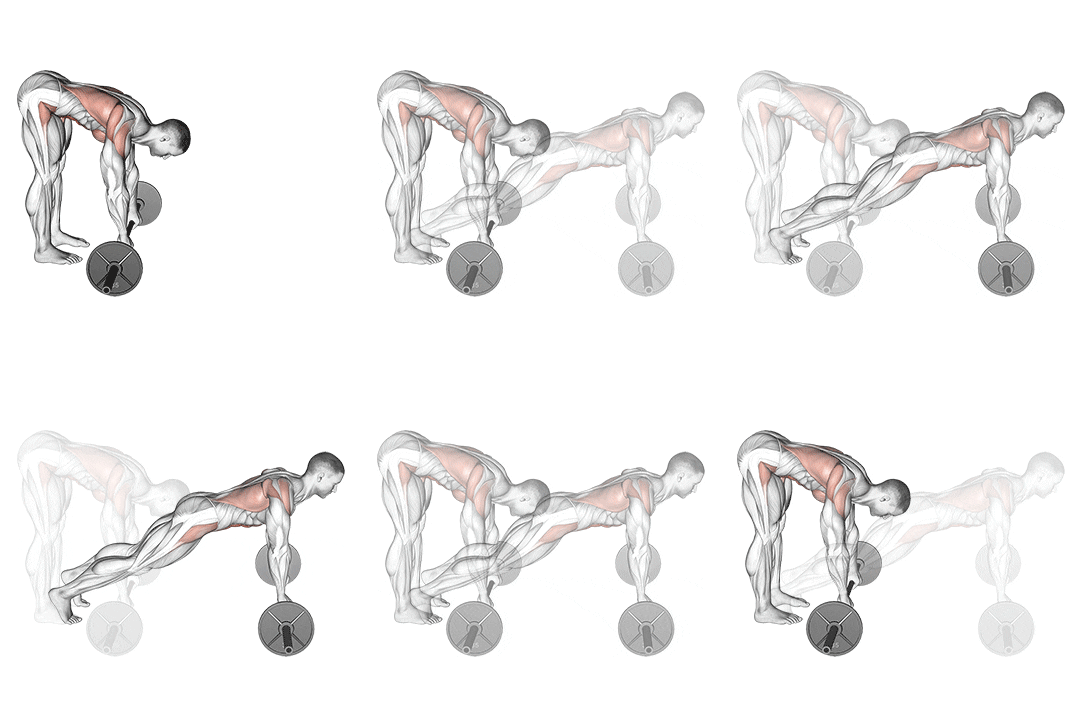
The barbell standing ab rollerout is an advanced core exercise that targets the abdominal muscles, particularly the rectus abdominis (six-pack muscles), along with the muscles of the shoulders and arms. This exercise requires stability, strength, and control to roll the barbell forward while maintaining a straight body position. It helps develop core strength, stability, and abdominal definition. ## Instructions 1. Begin by standing upright with your feet shoulder-width apart. Hold a barbell with an overhand grip, hands slightly wider than shoulder-width apart. 2. Engage your core muscles and maintain a straight and stable body position throughout the exercise. 3. Start the movement by bracing your core and rolling the barbell forward along the floor, keeping your arms straight and extended. 4. Continue rolling the barbell forward, maintaining control and avoiding excessive arching or sagging of the back. 5. Roll the barbell out as far as you can while maintaining good form and control. Your body should be in a straight line from head to heels. 6. Pause briefly at the end position, then engage your core muscles to roll the barbell back toward your body, returning to the starting position. 7. Repeat the movement for the desired number of repetitions, focusing on maintaining proper form and control throughout. ## Variations - If you're new to the exercise or find it challenging, you can perform the ab rollerout using an ab wheel instead of a barbell. The ab wheel allows for a greater range of motion and can provide better control for beginners. - To increase the difficulty, you can add weight plates to the barbell or use a heavier barbell. - Another variation is to perform the exercise from a kneeling position instead of standing. This can help reduce the stability requirement and focus more on core strength. ## Muscles Worked - Primary muscles: Rectus abdominis (six-pack muscles), obliques - Secondary muscles: Shoulders, arms, hip flexors ## Common Mistakes - Arching or sagging the back: Maintain a straight and stable body position throughout the exercise. Avoid excessive arching or sagging of the back, which can put strain on the lower back. - Allowing the hips to drop: Keep your hips in line with your body and avoid letting them drop or lift too high. This helps maintain proper alignment and engages the core effectively. - Insufficient core engagement: Focus on engaging your core muscles throughout the entire movement. Keep your abs tight and actively brace your core to maintain stability and control. ## Safety Precautions - Prioritize warm-up exercises to prepare your core muscles for the ab rollerout movement. - Start with a lighter weight or no weight at all, especially if you're new to the exercise, and gradually increase the load as you become more comfortable and proficient. - Ensure that the floor surface is smooth and free of obstacles to allow smooth rolling of the barbell. - If you have any back or shoulder issues, it's advisable to consult with a healthcare professional before attempting this exercise. - Listen to your body and avoid pushing through any sharp or intense pain. If you experience discomfort, stop the exercise and seek guidance from a qualified professional.
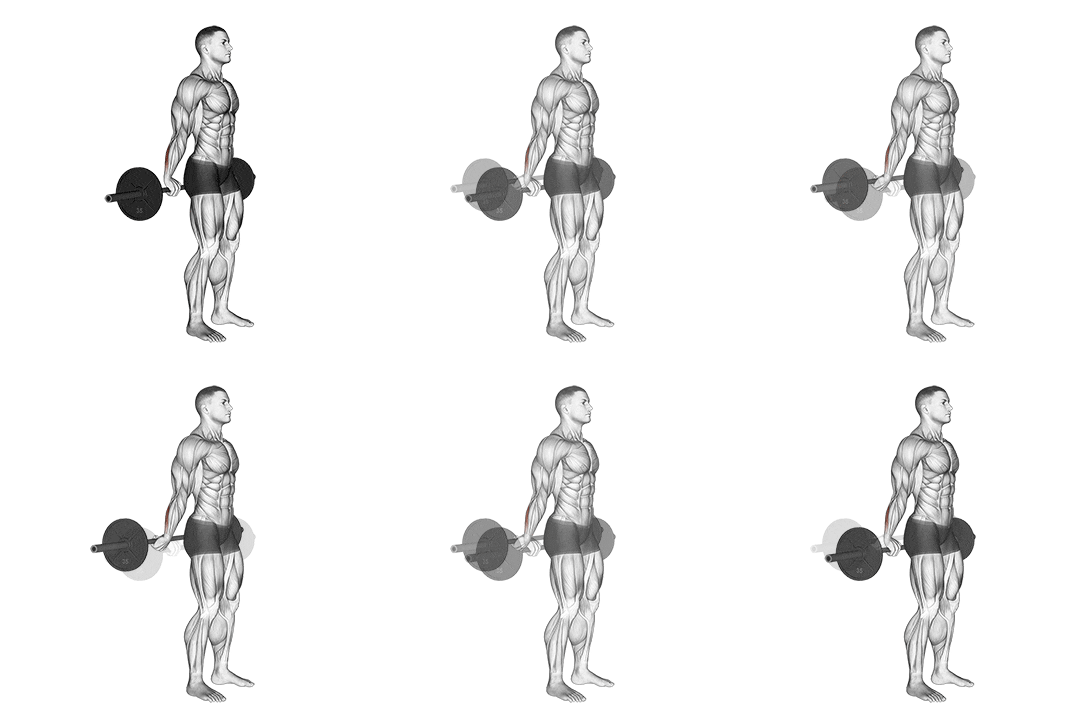
The barbell standing back wrist curl is an exercise that targets the muscles of the forearms, specifically the extensor muscles located on the back of the forearm. This exercise helps strengthen the wrist extensors, improves grip strength, and enhances forearm muscular development. ## Instructions 1. Start by standing upright with your feet shoulder-width apart. 2. Hold a barbell with an overhand grip, hands shoulder-width apart or slightly wider. 3. Allow your arms to hang down in front of your body, with the barbell resting on top of your thighs. 4. Keeping your upper arms stationary, exhale and slowly raise the barbell by curling your wrists backward, away from your body. Focus on contracting the muscles on the back of your forearms. 5. Hold the contracted position for a brief moment, squeezing your forearms. 6. Inhale and slowly lower the barbell by curling your wrists back toward your body until your wrists are fully flexed. 7. Repeat the movement for the desired number of repetitions, maintaining control and focusing on the contraction of the wrist extensor muscles. ## Variations - If you're new to the exercise or find it challenging, you can start with a lighter weight or use a dumbbell instead of a barbell. - To increase the difficulty, you can use a heavier barbell or add weight plates to the barbell. - Another variation is to perform the exercise with a pronated (palms facing downward) or neutral grip (palms facing each other) instead of an overhand grip. ## Muscles Worked - Primary muscles: Wrist extensors (muscles on the back of the forearms) - Secondary muscles: Forearm muscles, grip muscles ## Common Mistakes - Using momentum: Avoid swinging or using momentum to lift the weight. Focus on a slow and controlled movement, allowing the wrist extensors to do the work. - Allowing the elbows to move: Keep your upper arms stationary throughout the exercise. The movement should occur solely at the wrists. - Gripping the bar too tightly: Maintain a firm grip on the barbell, but avoid excessive tension in your grip. This helps isolate the wrist extensors and prevents unnecessary strain on the forearms. ## Safety Precautions - Prioritize warming up your wrists and forearms with some light stretching and mobility exercises before starting the exercise. - Start with a lighter weight or no weight at all, especially if you're new to the exercise, and gradually increase the load as you become more comfortable and proficient. - Use wrist wraps or other supportive equipment if needed, especially if you have weak wrists or a history of wrist injuries. - If you experience any pain or discomfort in your wrists or forearms during the exercise, stop immediately and consult with a healthcare professional. - Listen to your body and avoid pushing through any sharp or intense pain. If you experience discomfort, stop the exercise and seek guidance from a qualified professional.
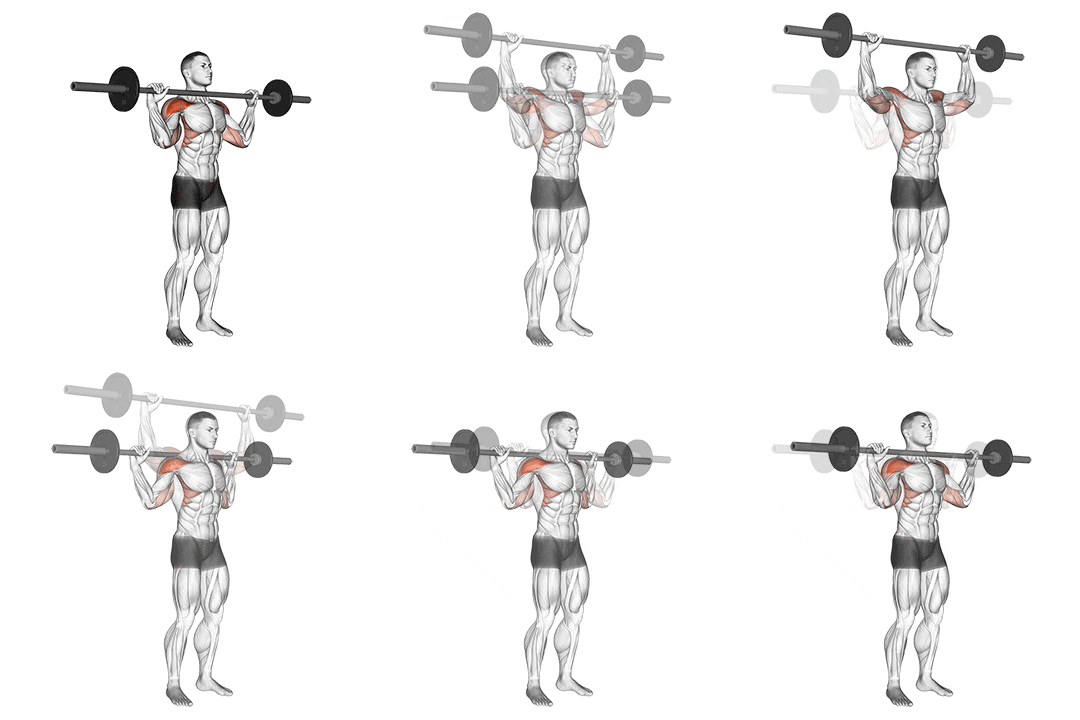
The barbell standing Bradford press is a shoulder exercise that targets the deltoid muscles, particularly the front deltoids (anterior delts). This exercise involves a combination of pressing and overhead rotational movements, providing a unique stimulus to the shoulder muscles. It helps improve shoulder strength, stability, and muscular development. ## Instructions 1. Start by standing with your feet shoulder-width apart and hold a barbell at shoulder level with a pronated (overhand) grip. Your hands should be slightly wider than shoulder-width apart. 2. Press the barbell overhead to a fully extended arm position. 3. Once the barbell is overhead, rotate your shoulders by moving the barbell back behind your head. Keep your elbows slightly bent throughout the movement. 4. Lower the barbell behind your head until your upper arms are parallel to the floor or until you feel a comfortable stretch in your shoulders. 5. Reverse the movement by rotating your shoulders forward and pressing the barbell back to the starting position. 6. Repeat the movement for the desired number of repetitions, maintaining control and focusing on the contraction of the front deltoids. ## Variations - If you're new to the exercise or find it challenging, you can start with a lighter weight or use dumbbells instead of a barbell. Dumbbells offer greater freedom of movement and may be more suitable for some individuals. - Another variation is to perform the exercise while seated on a bench with back support. This can provide additional stability and reduce the involvement of other muscle groups. - You can also vary the grip width on the barbell (e.g., wider or narrower grip) to target the shoulders from different angles. ## Muscles Worked - Primary muscles: Front deltoids (anterior delts) - Secondary muscles: Side deltoids (lateral delts), triceps, upper back muscles (rhomboids, trapezius) ## Common Mistakes - Arching the lower back: Maintain a neutral spine throughout the exercise and avoid excessive arching or leaning backward. Engage your core muscles to maintain proper posture and stability. - Allowing the elbows to flare out: Keep your elbows slightly in front of your body and avoid excessive outward flare. This helps engage the front deltoids more effectively. - Using momentum: Focus on a controlled movement and avoid using momentum to lift the weight. Maintain tension in the shoulder muscles throughout the exercise. ## Safety Precautions - Prioritize warming up your shoulder joints and performing dynamic stretches to prepare for the exercise. - Start with a lighter weight or no weight at all, especially if you're new to the exercise, and gradually increase the load as you become more comfortable and proficient. - If you have any pre-existing shoulder issues or injuries, it's advisable to consult with a healthcare professional before attempting this exercise. - Maintain proper form and control throughout the movement to avoid strain or injury to the shoulders and back. - If you experience any pain or discomfort in your shoulders during the exercise, stop immediately and seek guidance from a qualified professional.
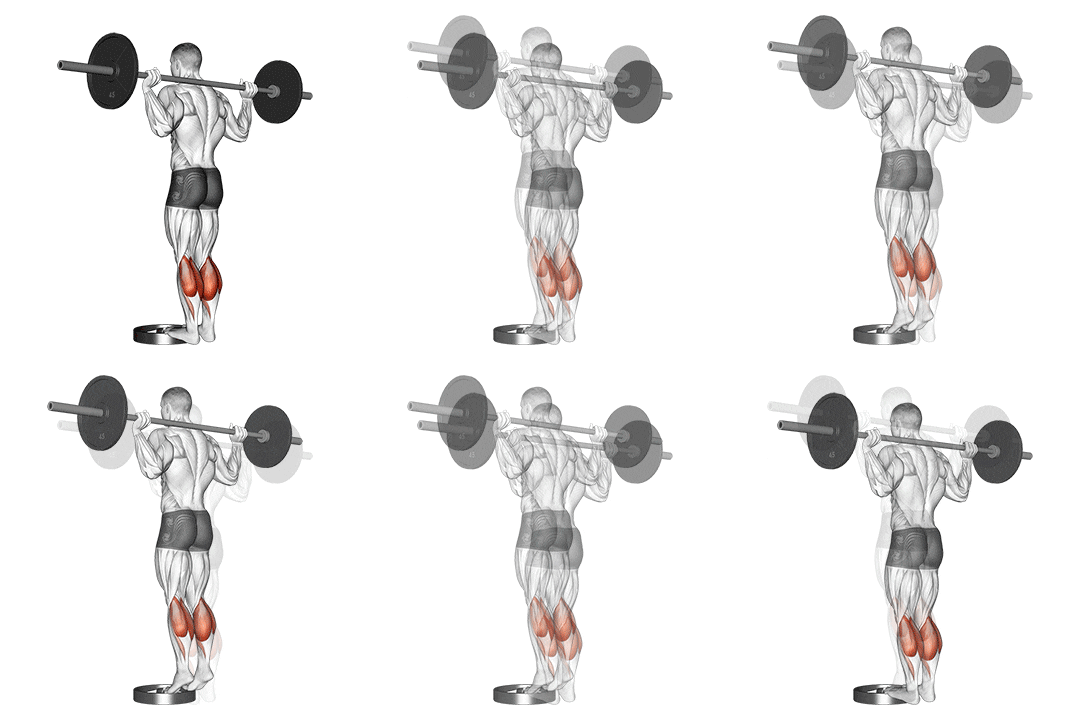
The barbell standing calf raise is an exercise that targets the calf muscles, specifically the gastrocnemius and soleus muscles. This exercise involves raising your body onto your toes against resistance, helping to develop strength and size in the calf muscles. It is a popular exercise for improving calf aesthetics, ankle stability, and lower body performance. ## Instructions 1. Start by placing a barbell on your upper back across your trapezius muscles. Position your feet hip-width apart with your toes pointing forward. You can also use a Smith machine or a squat rack with safety pins for added stability. 2. Engage your core and maintain a straight posture throughout the exercise. 3. Slowly raise your heels off the ground by extending your ankles as high as possible. 4. Hold the top position for a brief moment, squeezing your calf muscles. 5. Lower your heels back down to the starting position, allowing a gentle stretch in your calf muscles. 6. Repeat the movement for the desired number of repetitions, maintaining control and focusing on the contraction of the calf muscles. ## Variations - If you're new to the exercise or find it challenging, you can perform the exercise with just your body weight or hold onto a sturdy object for balance and support. - To increase the difficulty, you can use a barbell with additional weight plates or use a calf raise machine if available at your gym. - Another variation is to perform the exercise on a raised platform, such as a step or calf raise block, to increase the range of motion and deepen the stretch in the calves. ## Muscles Worked - Primary muscles: Gastrocnemius (calf muscle), Soleus (lower calf muscle) - Secondary muscles: Tibialis anterior (front of the lower leg) ## Common Mistakes - Rounding the back: Maintain proper posture and avoid rounding your back throughout the exercise. Keep your chest up and shoulders back. - Using momentum: Avoid using momentum or bouncing to lift the weight. Focus on a slow and controlled movement to maximize the engagement of the calf muscles. - Not fully extending the ankles: Make sure to fully extend your ankles at the top of the movement to achieve a full contraction of the calf muscles. ## Safety Precautions - Prioritize warming up your calf muscles with some light dynamic stretches or calf raises before starting the exercise. - Start with a lighter weight or no weight at all, especially if you're new to the exercise, and gradually increase the load as you become more comfortable and proficient. - Use a spotter or safety pins on a squat rack when using heavier weights to ensure safety and prevent accidents. - Avoid locking out your knees at the top of the movement to maintain joint integrity. - If you have any pre-existing ankle or calf injuries, it's advisable to consult with a healthcare professional before attempting this exercise. - Listen to your body and avoid pushing through any sharp or intense pain. If you experience discomfort, stop the exercise and seek guidance from a qualified professional.