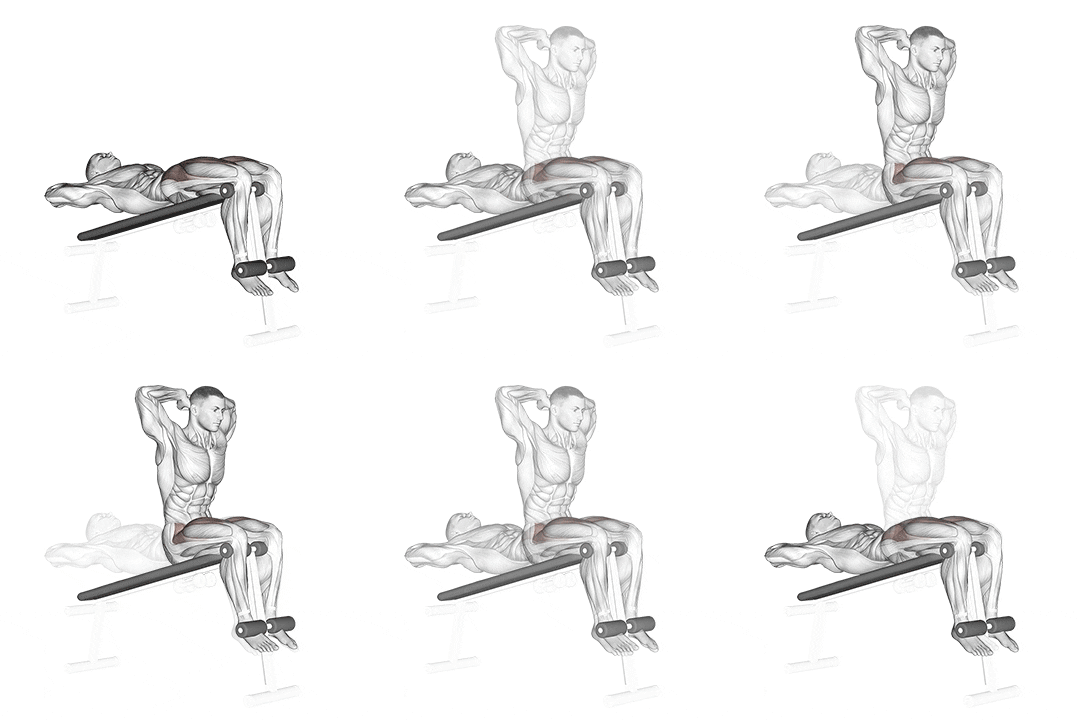
The decline sit-up is an abdominal exercise that primarily targets the rectus abdominis muscles, commonly referred to as the "six-pack" muscles. It involves performing a sit-up motion on a decline bench or with your feet anchored to increase resistance and challenge the abdominal muscles. ## Instructions 1. Set up a decline bench at an appropriate angle (usually between 30 to 45 degrees) or secure your feet under a stable object to create an elevated position. 2. Lie back on the bench, keeping your knees bent and your feet flat on the bench or floor. 3. Place your hands lightly behind your head, supporting your neck, or cross them over your chest. 4. Engage your core by drawing your navel toward your spine and pressing your lower back into the bench. 5. Start the movement by flexing your abdominals and curling your torso upward. 6. Keep your chin slightly lifted and initiate the movement from your core, not by pulling on your neck. 7. Continue the sit-up motion until your torso is nearly upright or until you feel a strong contraction in your abs. 8. Slowly lower your torso back down to the starting position, maintaining control throughout the movement. 9. Repeat the sit-ups for the desired number of repetitions. ## Variations - Weighted Decline Sit-Up: Hold a weight plate or dumbbell against your chest to add resistance and increase the difficulty of the exercise. - Decline Russian Twist: Perform a decline sit-up, and at the top of the movement, twist your torso from side to side, engaging your obliques as well. - Alternating Knee-to-Elbow Decline Sit-Up: Perform a decline sit-up, and as you crunch upward, bring your right elbow to your left knee, then lower back down. Repeat on the other side, bringing your left elbow to your right knee. ## Muscles Worked The main muscles targeted or engaged during the decline sit-up exercise are: - Rectus abdominis (six-pack muscles) - Obliques (internal and external) - Hip flexors (iliopsoas) ## Common Mistakes - Pulling on the Neck: Avoid pulling on your neck during the sit-up. Use your abdominal muscles to initiate and control the movement. - Using Momentum: Perform the sit-up in a controlled manner, focusing on the contraction of your abs. Avoid using momentum to swing your body upward. - Rounding the Lower Back: Keep your lower back in contact with the bench throughout the movement. Avoid rounding your lower back excessively, as it can strain the spine. - Not Engaging the Core: Ensure you engage your core by actively drawing your navel toward your spine and maintaining proper core stability throughout the movement. ## Safety Precautions - If you have any pre-existing medical conditions or concerns, consult with a healthcare professional before attempting this exercise. - Start with an incline angle that is comfortable for you, and gradually increase the angle as you gain strength and familiarity with the exercise. - Use a stable decline bench or secure your feet properly to ensure stability and prevent any slipping or accidents. - If you experience any discomfort or pain in your lower back, modify the exercise or reduce the range of motion. - Listen to your body and perform the exercise within your comfortable range of motion. Avoid overexerting yourself or pushing through sharp pain. - Warm up your abdominal muscles and other surrounding muscles before performing the exercise to prepare them for the movement. - If you're new to the exercise, it may be helpful to have a fitness professional guide you through proper form and technique to ensure optimal results and reduce the risk of injury.
The deep push-up is a challenging variation of the traditional push-up exercise. It targets the chest, shoulders, triceps, and core muscles. The deep push-up requires greater strength and stability compared to a standard push-up, as it involves a deeper range of motion and engages the muscles to a greater extent. ## Instructions 1. Start in a high plank position with your hands slightly wider than shoulder-width apart and your arms fully extended. 2. Engage your core and maintain a straight line from your head to your heels, keeping your body in a rigid position throughout the exercise. 3. Lower your body towards the ground by bending your elbows, allowing them to flare out at a 45-degree angle from your body. 4. Continue lowering your chest as close to the ground as possible while maintaining control and proper form. 5. Once you reach the deepest position possible, pause briefly, and then push through your palms to extend your arms and return to the starting position. 6. Keep your core engaged and maintain a straight line throughout the movement. 7. Repeat the exercise for the desired number of repetitions. ## Variations - Incline Deep Push-Up: Perform the deep push-up with your hands placed on an elevated surface, such as a bench or step, to reduce the resistance and make the exercise slightly easier. - Decline Deep Push-Up: Place your feet on an elevated surface, such as a bench or step, and perform the deep push-up. This variation increases the resistance and places more emphasis on the shoulders and upper chest. - Plyometric Deep Push-Up: Perform the deep push-up explosively, pushing off the ground with enough force to allow your hands to leave the ground. Land softly and immediately go into the next repetition. ## Muscles Worked The main muscles targeted or engaged during the deep push-up exercise are: - Chest (pectoralis major) - Shoulders (deltoids) - Triceps - Core muscles (abdominals and lower back) ## Common Mistakes - Dropping the Hips: Avoid allowing your hips to sag or hike up during the exercise. Keep your body in a straight line from head to heels. - Elbows Flaring Out: While performing the deep push-up, make sure to keep your elbows at a 45-degree angle from your body. Avoid allowing them to flare out too wide or staying too close to your body. - Lack of Core Stability: Maintain core engagement throughout the movement to provide stability and prevent excessive strain on the lower back. - Insufficient Range of Motion: Aim to lower your chest as close to the ground as possible without sacrificing form. Going through a full range of motion is crucial to maximize the benefits of the exercise. ## Safety Precautions - Prioritize maintaining proper form and technique over the number of repetitions. Quality over quantity is essential to prevent injury and ensure effective muscle engagement. - If you have any pre-existing shoulder or wrist injuries, modify the exercise or consult with a healthcare professional before attempting the deep push-up. - Warm up your upper body and perform some dynamic stretches before engaging in deep push-ups to prepare your muscles for the exercise. - If you experience any pain or discomfort, particularly in your wrists or shoulders, stop the exercise and consult with a healthcare professional. - Listen to your body and progress gradually. Start with standard push-ups and gradually increase the depth as you gain strength and confidence. - If you're new to the exercise, it may be helpful to have a fitness professional guide you through proper form and technique to ensure optimal results and reduce the risk of injury.
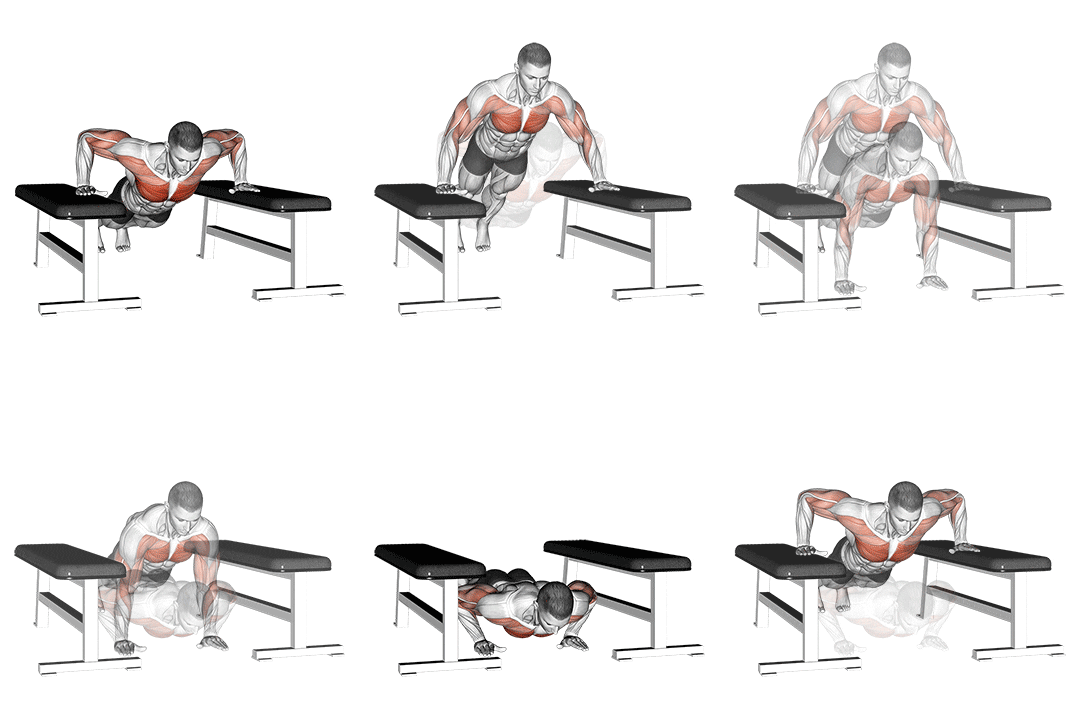
The drop push-up is an advanced variation of the traditional push-up exercise. It primarily targets the chest, shoulders, triceps, and core muscles. This exercise involves a explosive movement that requires strength, stability, and control. ## Instructions 1. Start in a high plank position with your hands slightly wider than shoulder-width apart and your body forming a straight line from head to heels. 2. Engage your core muscles by pulling your belly button towards your spine. 3. Lower your chest towards the floor by bending your elbows. Keep your elbows close to your body, and do not let them flare out. 4. As you reach the bottom of the push-up, explosively push through your hands and quickly remove them from the ground. 5. Allow your body to drop towards the floor, keeping it straight and controlled. 6. Catch yourself with your hands slightly wider than shoulder-width apart, absorbing the impact with your muscles and joints. 7. Push yourself back up using your arms and chest muscles to return to the starting position. 8. Repeat the exercise for the desired number of repetitions. ## Variations - Modified Drop Push-Up: Perform the drop push-up with your knees on the ground instead of your toes. This variation reduces the overall difficulty and is suitable for beginners or those with limited upper body strength. - Box Drop Push-Up: Place your hands on an elevated surface, such as a box or bench, to decrease the range of motion and make the exercise easier. - Plyometric Drop Push-Up: Instead of dropping straight down, explode off the ground and clap your hands before catching yourself in the dropped position. This variation adds an extra explosive element to the exercise. ## Muscles Worked - Primary muscles: Chest (pectoralis major), shoulders (deltoids), triceps (triceps brachii), and core muscles (rectus abdominis, transverse abdominis). - Secondary muscles: Upper back muscles (rhomboids, trapezius), biceps, and lower back muscles. ## Common Mistakes - Allowing the elbows to flare out to the sides instead of keeping them close to the body. This can put excessive strain on the shoulders and reduce the effectiveness of the exercise. Keep your elbows tucked in. - Sagging or arching the lower back. Maintain a straight line from head to heels throughout the movement to avoid undue stress on the back. - Failing to engage the core. Keep your abdominal muscles tight to stabilize your body during the drop and catch. - Lack of control during the drop. Ensure a controlled descent by maintaining tension in your muscles and avoiding a sudden collapse. ## Safety Precautions - Ensure that you have sufficient upper body strength and stability before attempting the drop push-up. - Perform this exercise on a suitable surface with enough space to catch yourself and prevent injury. - Warm up adequately before attempting the drop push-up to prepare your muscles and joints. - If you have any pre-existing shoulder, wrist, or back injuries, consult with a healthcare professional before performing this exercise. - Listen to your body and discontinue the exercise if you experience pain or discomfort.
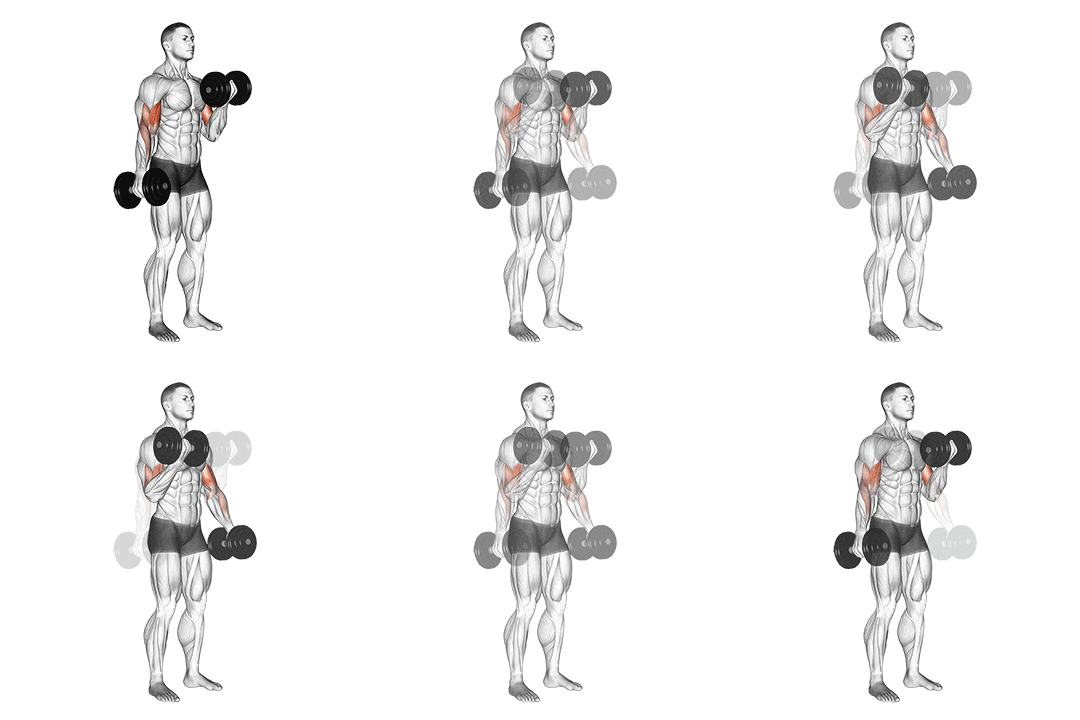
The dumbbell alternate biceps curl is an isolation exercise that targets the biceps muscles of the arms. It helps to strengthen and develop the biceps, contributing to improved arm strength and aesthetics. ## Instructions 1. Stand up straight with a dumbbell in each hand, arms fully extended and palms facing your sides. 2. Keep your feet shoulder-width apart and maintain a slight bend in your knees. 3. Engage your core muscles by pulling your belly button towards your spine. 4. Begin the movement by flexing your right elbow and bringing the dumbbell towards your right shoulder while keeping your upper arm stationary. As you lift, rotate your forearm so that your palm faces your shoulder at the top of the curl. 5. Continue curling until your biceps are fully contracted and the dumbbell is at shoulder level. 6. Slowly lower the dumbbell back to the starting position while maintaining control and tension in your biceps. 7. Repeat the same movement with your left arm, alternating between the right and left arms for the desired number of repetitions. ## Variations - Hammer Curl: Perform the biceps curl with your palms facing each other throughout the movement instead of supinating the forearms. This variation also engages the brachialis and brachioradialis muscles in addition to the biceps. - Seated Biceps Curl: Sit on a bench or chair while performing the biceps curl. This variation isolates the biceps and eliminates the possibility of using momentum from the legs. - Preacher Curl: Use a preacher curl bench or an incline bench to support your upper arms. This variation provides strict isolation and reduces the involvement of other muscles. ## Muscles Worked - Primary muscles: Biceps brachii (long head, short head). - Secondary muscles: Brachialis, brachioradialis, and forearm muscles (flexor digitorum superficialis, flexor digitorum profundus). ## Common Mistakes - Using momentum: Avoid swinging or using excessive momentum to lift the weights. Focus on controlled and deliberate movements. - Poor posture: Maintain an upright posture throughout the exercise. Avoid hunching your back or leaning backward. - Lifting too heavy: Choose a weight that allows you to maintain proper form and complete the full range of motion without compromising your technique. - Allowing the elbows to flare out: Keep your elbows close to your sides throughout the movement to ensure that the biceps are the primary muscles engaged. ## Safety Precautions - Select an appropriate dumbbell weight that suits your fitness level and allows you to maintain proper form. - Warm up your muscles before performing the exercise to prevent injury. - Use controlled movements and avoid jerking motions to protect your joints. - If you have any pre-existing arm or shoulder injuries, consult with a healthcare professional before performing this exercise. - Breathe continuously throughout the exercise, inhaling during the eccentric phase (lowering the weight) and exhaling during the concentric phase (lifting the weight). - If you experience pain or discomfort, stop the exercise and seek medical advice if necessary.
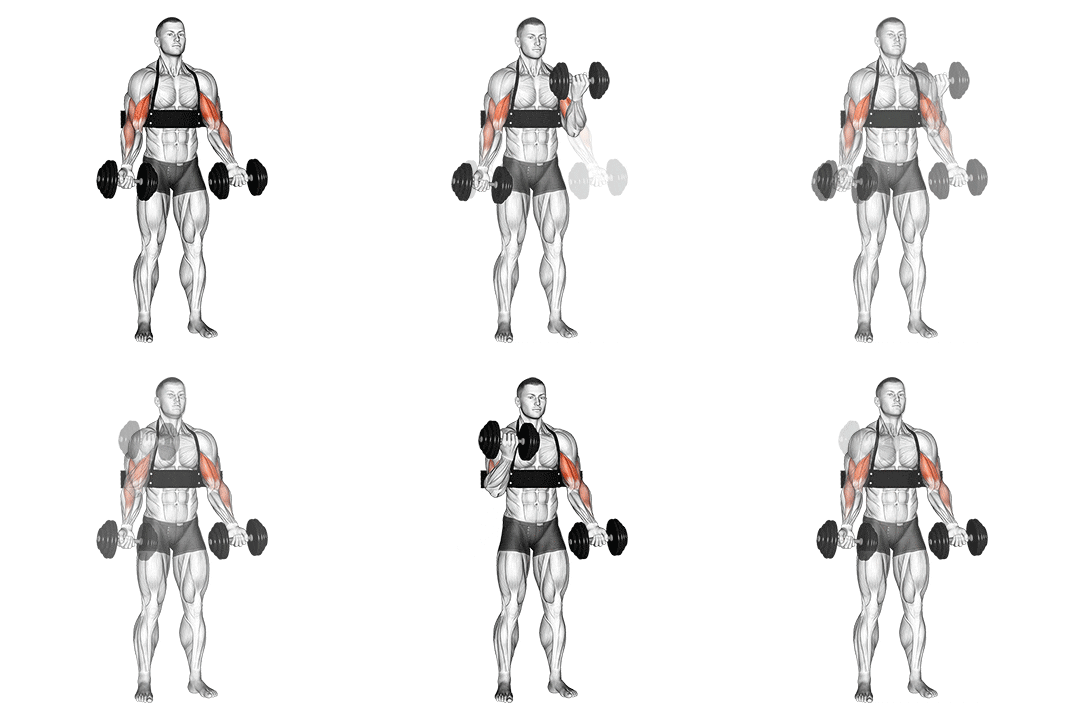
The dumbbell alternate biceps curl with an arm blaster is a variation of the biceps curl exercise that uses an arm blaster device to isolate the biceps and minimize cheating or swinging. The arm blaster helps maintain proper form, ensuring that the biceps muscles are the primary focus of the exercise. It targets and develops the biceps muscles for increased strength and size. ## Instructions 1. Adjust the arm blaster according to your arm length. Place the arm blaster around your neck, resting it on your upper arms, and secure it in place. 2. Stand up straight with a dumbbell in each hand, arms fully extended, and palms facing your sides. 3. Keep your feet shoulder-width apart and maintain a slight bend in your knees. 4. Engage your core muscles by pulling your belly button towards your spine. 5. With the arm blaster providing support and stability, begin the movement by flexing your right elbow and bringing the dumbbell towards your right shoulder while keeping your upper arm stationary. As you lift, rotate your forearm so that your palm faces your shoulder at the top of the curl. 6. Continue curling until your biceps are fully contracted, and the dumbbell is at shoulder level. 7. Slowly lower the dumbbell back to the starting position, maintaining control and tension in your biceps. 8. Repeat the same movement with your left arm, alternating between the right and left arms for the desired number of repetitions. ## Variations - Arm Blaster Preacher Curl: Use an arm blaster with a preacher curl bench to further isolate and target the biceps. This variation provides strict form and reduces the involvement of other muscles. - Resistance Band Biceps Curl with Arm Blaster: Attach resistance bands to the arm blaster and perform biceps curls. The bands provide variable resistance throughout the movement, adding an extra challenge to the exercise. ## Muscles Worked - Primary muscles: Biceps brachii (long head, short head). - Secondary muscles: Brachialis, brachioradialis, and forearm muscles (flexor digitorum superficialis, flexor digitorum profundus). ## Common Mistakes - Using momentum: Even with an arm blaster, avoid swinging or using excessive momentum to lift the weights. Focus on controlled and deliberate movements. - Incorrect arm blaster placement: Ensure that the arm blaster is positioned properly on your upper arms, providing adequate support and stability. Adjust it according to your arm length for optimal performance. - Lifting too heavy: Select a weight that allows you to maintain proper form and complete the full range of motion without compromising your technique. - Allowing the elbows to flare out: Keep your elbows close to your sides throughout the movement to ensure that the biceps are the primary muscles engaged. ## Safety Precautions - Familiarize yourself with the proper use of the arm blaster device and adjust it to your arm length before starting the exercise. - Choose an appropriate dumbbell weight that challenges your biceps without sacrificing proper form. - Warm up your muscles before performing the exercise to prevent injury. - Focus on maintaining good posture throughout the exercise, keeping your back straight and avoiding excessive leaning or hunching. - Breathe continuously throughout the exercise, inhaling during the eccentric phase (lowering the weight) and exhaling during the concentric phase (lifting the weight). - If you have any pre-existing arm or shoulder injuries, consult with a healthcare professional before performing this exercise. - If you experience pain or discomfort, stop the exercise and seek medical advice if necessary.
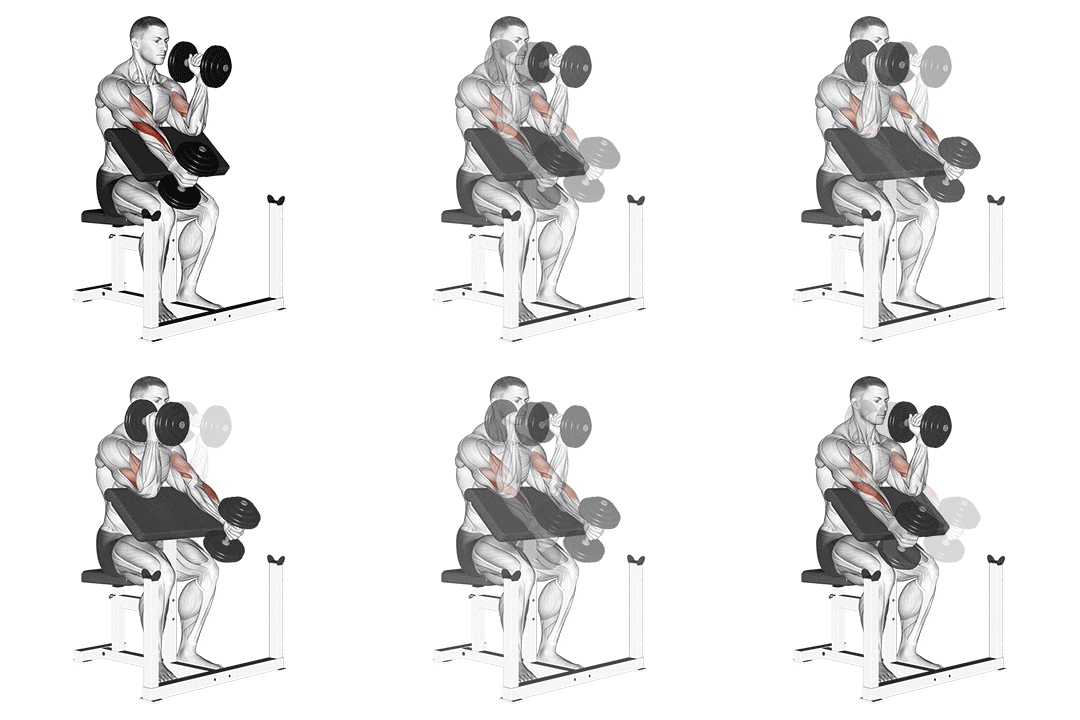
The dumbbell alternate hammer preacher curl is an exercise that targets the biceps muscles, specifically the brachialis and brachioradialis. It provides a variation to traditional biceps curls by using a preacher curl bench, which isolates the biceps and helps maintain proper form. This exercise helps develop strength and size in the biceps and contributes to well-rounded arm development. ## Instructions 1. Adjust the preacher curl bench according to your height. Sit on the bench and position your upper arms on the angled pad, extending your arms fully and gripping a dumbbell in each hand. Your palms should be facing your body (neutral grip). 2. Keep your feet flat on the floor and maintain a stable base. 3. Engage your core muscles by pulling your belly button towards your spine. 4. Begin the movement by flexing your right elbow and curling the dumbbell towards your right shoulder while keeping your upper arm stationary on the pad. Maintain a controlled and deliberate motion. 5. Continue curling until your biceps are fully contracted, and the dumbbell is at shoulder level. 6. Slowly lower the dumbbell back to the starting position, maintaining control and tension in your biceps. 7. Repeat the same movement with your left arm, alternating between the right and left arms for the desired number of repetitions. ## Variations - Dumbbell Hammer Curl: Perform the hammer curl standing or seated without the preacher curl bench. This variation engages the brachialis and brachioradialis muscles along with the biceps. - Machine Preacher Curl: Use a machine preacher curl station instead of a dumbbell to perform the exercise. This variation provides a stable platform and strict isolation of the biceps. ## Muscles Worked - Primary muscles: Biceps brachii (brachialis, brachioradialis) and forearm muscles. - Secondary muscles: None. ## Common Mistakes - Using momentum: Avoid swinging or using momentum to lift the weights. Focus on controlled movements throughout the exercise. - Leaning or lifting the upper arms off the pad: Keep your upper arms firmly planted on the preacher curl bench throughout the movement. This ensures that the biceps are the primary muscles engaged. - Lifting too heavy: Choose a weight that allows you to maintain proper form and complete the full range of motion without compromising your technique. - Rounding the back or hunching the shoulders: Maintain good posture with your back straight and shoulders down throughout the exercise. ## Safety Precautions - Familiarize yourself with the proper setup of the preacher curl bench and adjust it according to your height and comfort. - Choose an appropriate dumbbell weight that challenges your biceps without sacrificing proper form. - Warm up your muscles before performing the exercise to prevent injury. - Maintain a stable base with your feet flat on the floor throughout the movement. - Breathe continuously throughout the exercise, inhaling during the eccentric phase (lowering the weight) and exhaling during the concentric phase (lifting the weight). - If you have any pre-existing arm or shoulder injuries, consult with a healthcare professional before performing this exercise. - If you experience pain or discomfort, stop the exercise and seek medical advice if necessary.
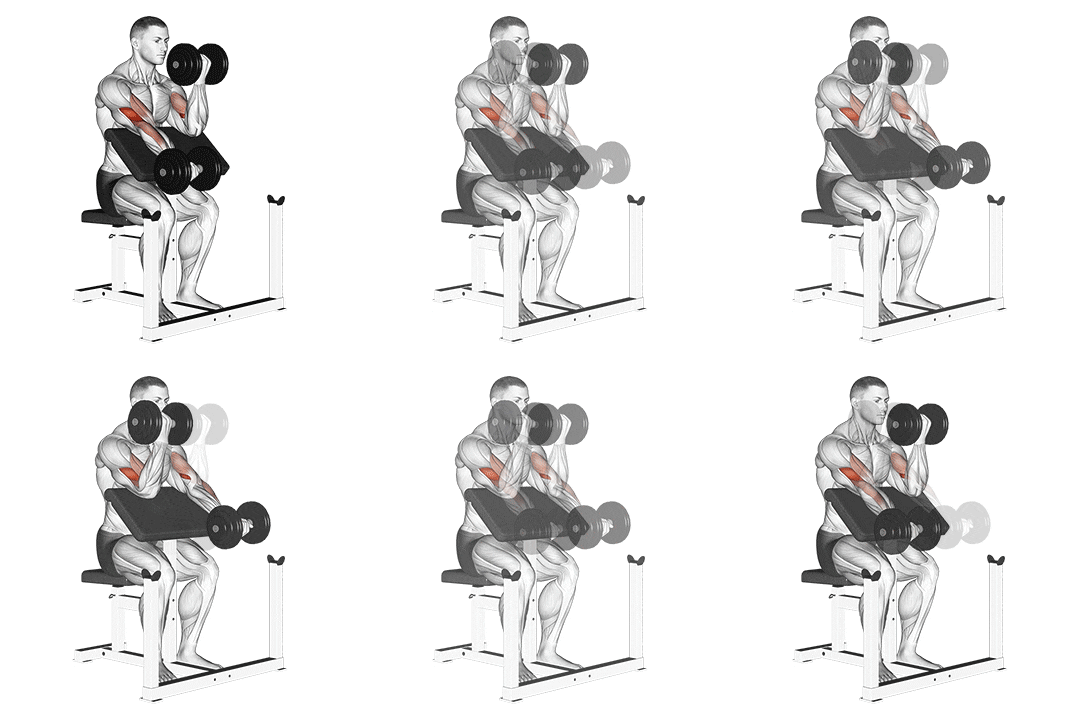
The dumbbell alternate preacher curl is an exercise that targets the biceps muscles and helps develop strength and size in the upper arms. By utilizing a preacher curl bench, this exercise isolates the biceps and minimizes the involvement of other muscles, allowing for focused biceps training. ## Instructions 1. Adjust the preacher curl bench according to your height. Sit on the bench and position your upper arms on the angled pad, extending your arms fully and holding a dumbbell in each hand. Your palms should be facing up (supinated grip). 2. Plant your feet firmly on the floor and maintain a stable base. 3. Engage your core muscles by pulling your belly button towards your spine. 4. Begin the movement by flexing your right elbow and curling the dumbbell towards your right shoulder while keeping your upper arm stationary on the pad. Maintain a controlled and deliberate motion. 5. Continue curling until your biceps are fully contracted, and the dumbbell is at shoulder level. 6. Slowly lower the dumbbell back to the starting position, maintaining control and tension in your biceps. 7. Repeat the same movement with your left arm, alternating between the right and left arms for the desired number of repetitions. ## Variations - Machine Preacher Curl: Use a machine preacher curl station instead of dumbbells to perform the exercise. This variation provides a stable platform and strict isolation of the biceps. - Resistance Band Preacher Curl: Attach resistance bands to the preacher curl bench or use a resistance band anchored under your feet to perform the curl. This variation adds variable resistance throughout the movement. ## Muscles Worked - Primary muscles: Biceps brachii (long head, short head). - Secondary muscles: Brachialis and brachioradialis. ## Common Mistakes - Using momentum: Avoid swinging or using momentum to lift the weights. Focus on controlled movements throughout the exercise. - Lifting too heavy: Choose a weight that allows you to maintain proper form and complete the full range of motion without compromising your technique. - Rounding the back or hunching the shoulders: Maintain good posture with your back straight and shoulders down throughout the exercise. - Lifting the upper arms off the pad: Keep your upper arms firmly planted on the preacher curl bench throughout the movement. This ensures that the biceps are the primary muscles engaged. ## Safety Precautions - Familiarize yourself with the proper setup of the preacher curl bench and adjust it according to your height and comfort. - Choose an appropriate dumbbell weight that challenges your biceps without sacrificing proper form. - Warm up your muscles before performing the exercise to prevent injury. - Maintain a stable base with your feet flat on the floor throughout the movement. - Breathe continuously throughout the exercise, inhaling during the eccentric phase (lowering the weight) and exhaling during the concentric phase (lifting the weight). - If you have any pre-existing arm or shoulder injuries, consult with a healthcare professional before performing this exercise. - If you experience pain or discomfort, stop the exercise and seek medical advice if necessary.
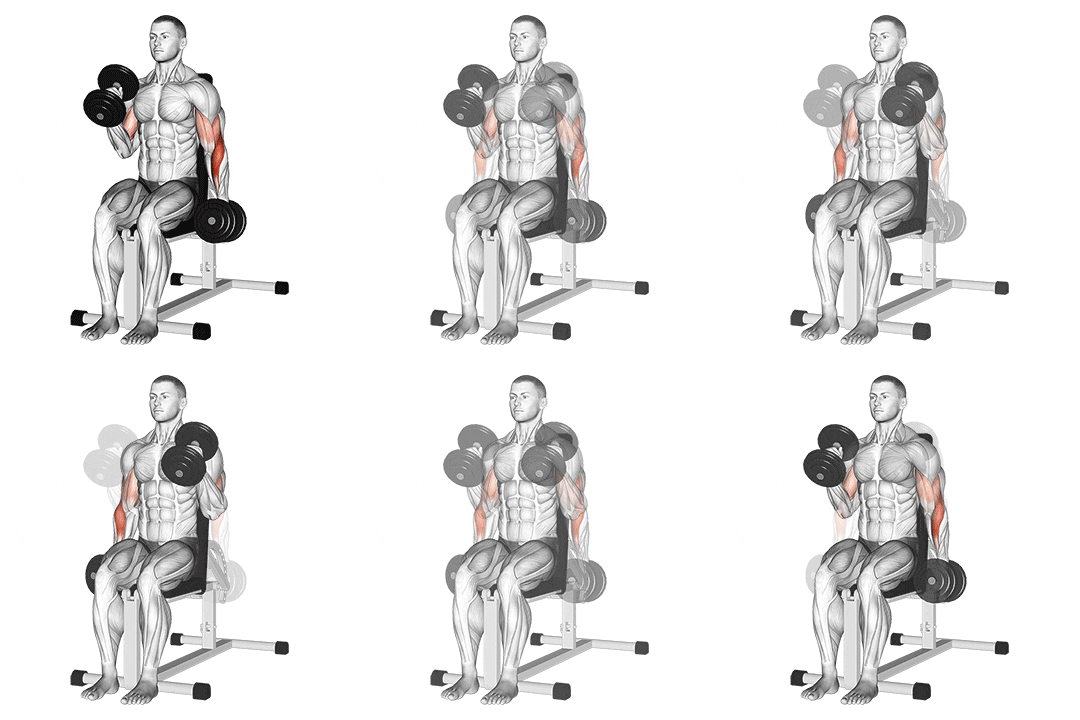
The dumbbell alternate seated hammer curl is an exercise that targets the biceps muscles, specifically the brachialis and brachioradialis. This exercise also engages the forearm muscles. The seated position provides stability and isolates the biceps, allowing for a focused and controlled movement. The hammer grip (palms facing each other) emphasizes the brachialis muscle and contributes to well-rounded arm development. ## Instructions 1. Sit on a bench with your back straight, feet flat on the floor, and a dumbbell in each hand. Keep your palms facing each other (hammer grip). 2. Hold the dumbbells by your sides with your arms fully extended and elbows close to your body. 3. Engage your core muscles by pulling your belly button towards your spine. 4. Begin the movement by flexing your right elbow and curling the dumbbell towards your right shoulder. Keep your upper arm stationary and avoid swinging or using momentum. 5. Continue curling until your biceps are fully contracted, and the dumbbell is at shoulder level. Maintain control and tension in your biceps throughout the movement. 6. Slowly lower the dumbbell back to the starting position in a controlled manner. 7. Repeat the same movement with your left arm, alternating between the right and left arms for the desired number of repetitions. ## Variations - Standing Hammer Curl: Perform the hammer curl while standing instead of sitting. This variation engages the stabilizing muscles and adds a balance challenge. - Hammer Curl with Resistance Bands: Attach resistance bands to the dumbbells or use resistance bands alone to perform the hammer curl. This variation adds variable resistance and challenges the muscles throughout the entire range of motion. ## Muscles Worked - Primary muscles: Biceps brachii (brachialis, brachioradialis). - Secondary muscles: Forearm muscles (pronator teres, flexor carpi radialis). ## Common Mistakes - Using momentum: Avoid swinging or using momentum to lift the weights. Maintain control and perform the movement in a slow and controlled manner. - Lifting too heavy: Select a weight that allows you to maintain proper form and complete the full range of motion without compromising your technique. - Rounding the back or hunching the shoulders: Keep your back straight and shoulders down throughout the exercise. Maintain proper posture for optimal results. - Allowing the elbows to flare out: Keep your elbows close to your sides throughout the movement to ensure that the biceps are the primary muscles engaged. ## Safety Precautions - Choose an appropriate dumbbell weight that challenges your biceps without sacrificing proper form. - Warm up your muscles before performing the exercise to prevent injury. - Maintain a stable seated position with your back straight and feet flat on the floor. - Breathe continuously throughout the exercise, inhaling during the eccentric phase (lowering the weight) and exhaling during the concentric phase (lifting the weight). - If you have any pre-existing arm or shoulder injuries, consult with a healthcare professional before performing this exercise. - If you experience pain or discomfort, stop the exercise and seek medical advice if necessary.
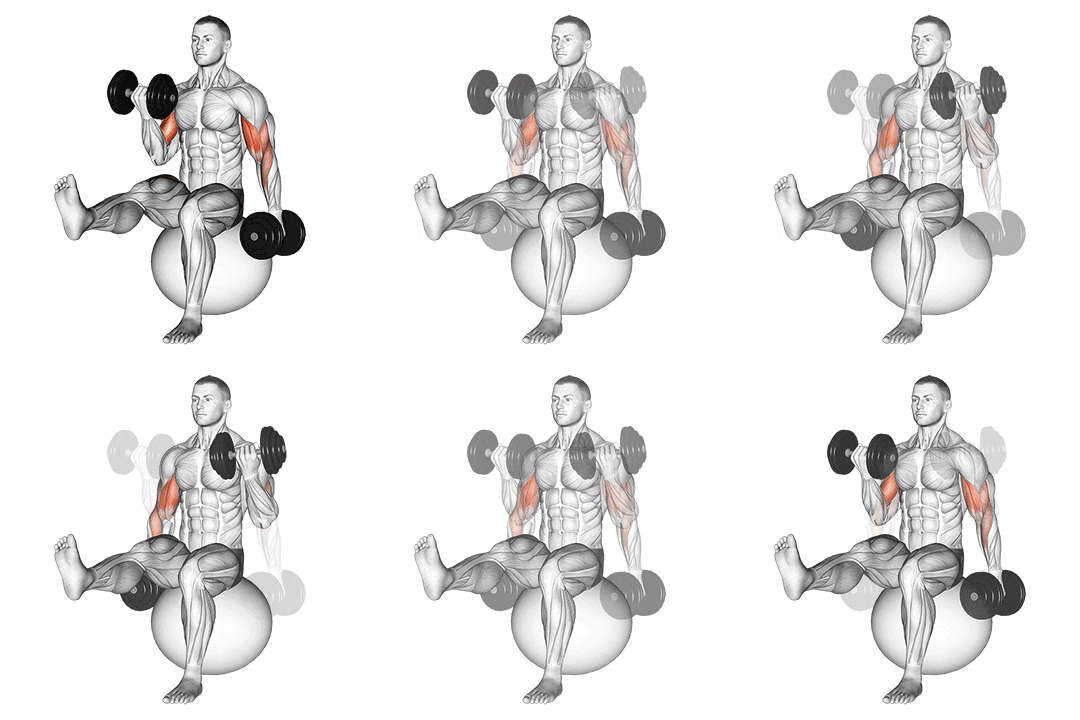
The dumbbell alternating bicep curl with leg raised on an exercise ball is a challenging exercise that targets the biceps muscles, as well as engages the core muscles for stability. By performing the exercise with one leg raised on an exercise ball, it adds an element of balance and coordination, making it a more advanced variation of the bicep curl. This exercise helps develop strength, stability, and overall upper body and core control. ## Instructions 1. Start by placing an exercise ball on the floor and stand behind it. Hold a dumbbell in each hand with your palms facing forward. 2. Position your feet shoulder-width apart and engage your core muscles by pulling your belly button towards your spine. 3. Lift one foot and carefully place it on top of the exercise ball, maintaining balance and stability. 4. With your leg raised on the ball, maintain your posture and keep your back straight throughout the exercise. 5. Begin the movement by flexing your right elbow and curling the dumbbell towards your right shoulder. Keep your upper arm stationary and avoid swinging or using momentum. 6. Continue curling until your biceps are fully contracted, and the dumbbell is at shoulder level. Maintain control and tension in your biceps throughout the movement. 7. Slowly lower the dumbbell back to the starting position in a controlled manner. 8. Repeat the same movement with your left arm, alternating between the right and left arms for the desired number of repetitions. ## Variations - Dumbbell Alternating Bicep Curl: Perform the exercise without the leg raised on the exercise ball, keeping both feet on the ground for stability. - Seated Alternating Bicep Curl: Sit on a bench or chair with both feet flat on the floor. Perform the alternating bicep curl without the exercise ball for added stability. - Resistance Band Alternating Bicep Curl: Instead of using dumbbells, use resistance bands anchored to a sturdy object. This variation adds variable resistance throughout the movement. ## Muscles Worked - Primary muscles: Biceps brachii (long head, short head). - Secondary muscles: Forearm muscles (brachioradialis, pronator teres), core muscles for stability. ## Common Mistakes - Using momentum: Avoid swinging or using momentum to lift the weights. Maintain control and perform the movement in a slow and controlled manner. - Lifting too heavy: Choose a weight that allows you to maintain proper form and complete the full range of motion without compromising your technique. - Allowing the raised leg to wobble: Focus on maintaining stability and balance with the raised leg on the exercise ball throughout the exercise. Keep the core engaged to help stabilize the body. - Rounding the back or hunching the shoulders: Keep your back straight and shoulders down throughout the exercise. Maintain proper posture for optimal results. ## Safety Precautions - Choose an appropriate dumbbell weight that challenges your biceps without sacrificing proper form. - Make sure the exercise ball is properly inflated and stable. - Start with a smaller exercise ball or practice balancing on the ball before attempting this exercise. - Keep your surroundings clear of any hazards or obstacles that may cause you to lose balance. - If you have any pre-existing leg, knee, or ankle injuries, consult with a healthcare professional before attempting this exercise. - If you experience pain or discomfort, stop the exercise and seek medical advice if necessary.