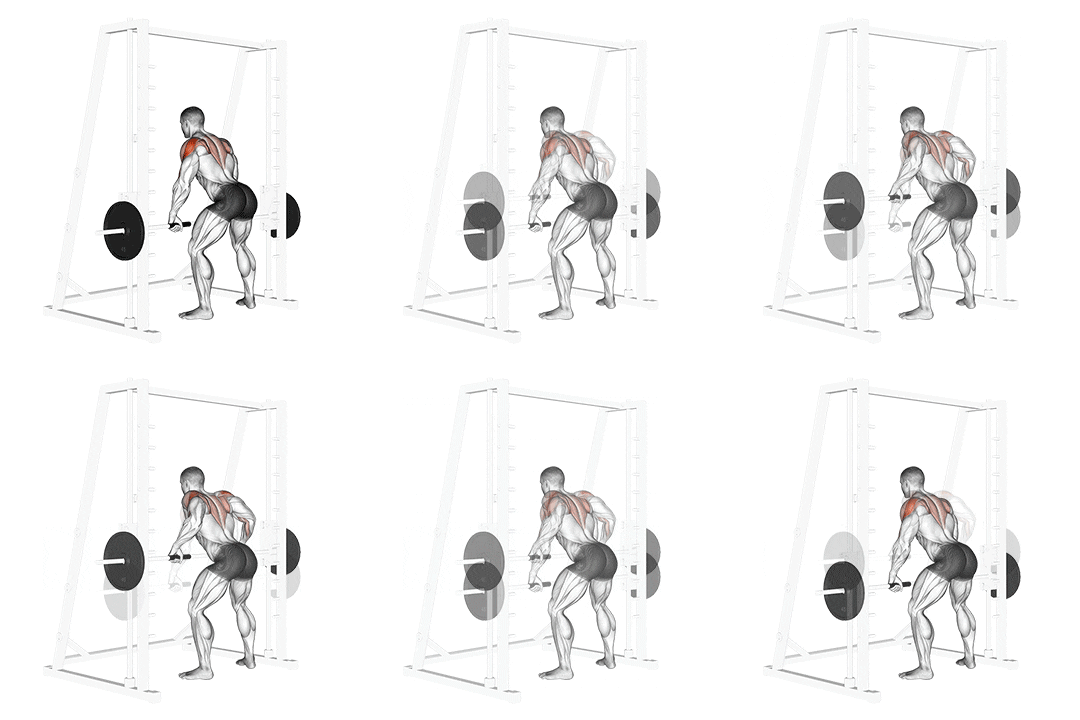
The Smith rear delt row is an exercise that targets the rear deltoids, which are the muscles located on the backside of the shoulder. It also engages the upper back muscles, including the rhomboids and middle trapezius. This exercise helps improve posture, strengthens the upper back, and enhances shoulder stability. ## Instructions 1. Set the Smith machine bar to an appropriate height. It should be around waist height or slightly lower. 2. Stand facing the Smith machine with your feet shoulder-width apart. Grasp the bar with an overhand grip, hands slightly wider than shoulder-width apart. 3. Take a few steps back to create tension in the barbell and maintain a slight bend in your knees. 4. Lean forward at the hips while keeping your back straight and chest up. Your torso should be at approximately a 45-degree angle. 5. Start with your arms fully extended, allowing the weight to pull your shoulders forward. 6. Initiate the movement by retracting your shoulder blades and pulling the barbell toward your abdomen. Focus on using your rear deltoids to drive the movement. 7. Squeeze your shoulder blades together at the top of the movement and hold for a brief moment. 8. Slowly lower the barbell back to the starting position, fully extending your arms and allowing a stretch in the rear delts. 9. Repeat for the desired number of repetitions, maintaining proper form and control throughout the exercise. ## Variations - Bent-Over Dumbbell Rear Delt Row: Instead of using the Smith machine, perform the exercise with dumbbells. Stand with a slight bend in your knees and a dumbbell in each hand. Bend forward at the hips, keeping your back straight, and perform the rowing motion by lifting the dumbbells out to the sides while focusing on the rear deltoids. - Cable Rear Delt Row: Use a cable machine with a low pulley attachment and a D-handle. Stand facing away from the machine, hold the handle with an overhand grip, and perform the rowing motion by pulling the handle toward your abdomen while keeping your back straight. ## Muscles Worked - Rear deltoids (posterior deltoids) - Rhomboids - Middle trapezius - Biceps (secondary muscle) ## Common Mistakes - Using Excessive Momentum: Avoid using momentum or jerking motions to pull the barbell. Focus on a controlled and smooth movement to properly engage the rear deltoids. - Shrugging Shoulders: Keep your shoulders down and back throughout the exercise. Avoid shrugging or elevating your shoulders, as it reduces the activation of the targeted muscles. - Rounded Back: Maintain a neutral spine throughout the exercise. Avoid rounding your back or hunching your shoulders forward, as it can lead to poor form and potential back strain. - Improper Grip: Ensure that your grip is firm but not overly tight. Avoid gripping the barbell too tightly, as it can cause excessive tension in the forearms and biceps. ## Safety Precautions - Start with a lighter weight to familiarize yourself with the movement and gradually increase the weight as your strength and stability improve. - Focus on maintaining proper form and control throughout the exercise to prevent injury. - If you have any existing shoulder or back issues, it's advisable to consult with a qualified fitness professional or healthcare provider before attempting the Smith rear delt row or any exercise that puts stress on these areas. - Ensure that the Smith machine is stable and the barbell is securely locked in place before starting the exercise. - Avoid excessive forward leaning or rounding of the back to minimize the risk of strain or injury to the lower back.
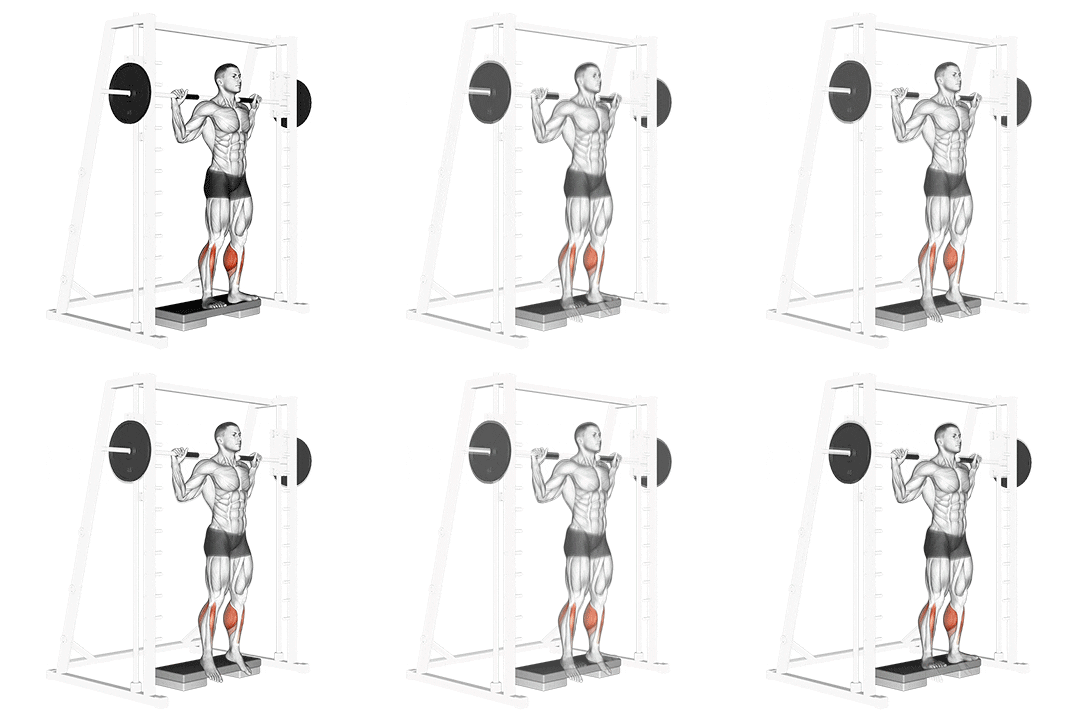
Reverse calf raises on the Smith machine are an exercise primarily targeting the calf muscles. This exercise specifically focuses on the soleus muscles, which are the deeper muscles of the calf located underneath the larger gastrocnemius muscles. By performing reverse calf raises, you can strengthen and develop the soleus muscles, which play a vital role in ankle stability and balance. ## Instructions 1. Start by setting up the Smith machine. Position the barbell at an appropriate height, around hip level or slightly lower. 2. Stand in front of the barbell with your feet shoulder-width apart and toes pointed forward. 3. Place the balls of your feet on a block or step, allowing your heels to hang off the edge. 4. Bend your knees slightly and grab the barbell with an overhand grip, hands shoulder-width apart. This will be your starting position. 5. Keeping your core engaged and your back straight, raise your heels as high as possible by extending your ankles. 6. Hold the contracted position for a brief pause, squeezing your calf muscles. 7. Slowly lower your heels back down to the starting position, allowing your calves to stretch. 8. Repeat the movement for the desired number of repetitions. ## Variations - If you don't have access to a Smith machine, you can perform the exercise using dumbbells. Hold a dumbbell in each hand and follow the same instructions, but without the barbell. - To increase the difficulty, you can perform the exercise with one leg at a time, using the opposite leg for balance and support. ## Muscles Worked The main muscles targeted during reverse calf raises on the Smith machine are: - Soleus: Located in the lower part of the calf, the soleus muscle is heavily engaged during this exercise. - Gastrocnemius: While the soleus is the primary target, the gastrocnemius muscles also play a secondary role. ## Common Mistakes - Raising the heels too quickly: Avoid jerking or using momentum to lift the weight. Focus on a controlled and smooth movement. - Bending at the waist: Keep your back straight throughout the exercise. Avoid leaning forward or backward. - Locking the knees: Maintain a slight bend in your knees throughout the exercise to reduce stress on the joint and better engage the calf muscles. ## Safety Precautions - Start with a lighter weight or no weight at all if you're new to this exercise to familiarize yourself with the movement and avoid excessive strain on your calf muscles. - Keep your core muscles engaged and maintain proper posture throughout the exercise to minimize the risk of injury. - If you have any existing calf or ankle injuries, consult with a healthcare professional before performing reverse calf raises. - Listen to your body. If you experience any pain or discomfort, stop the exercise and seek medical advice if necessary.
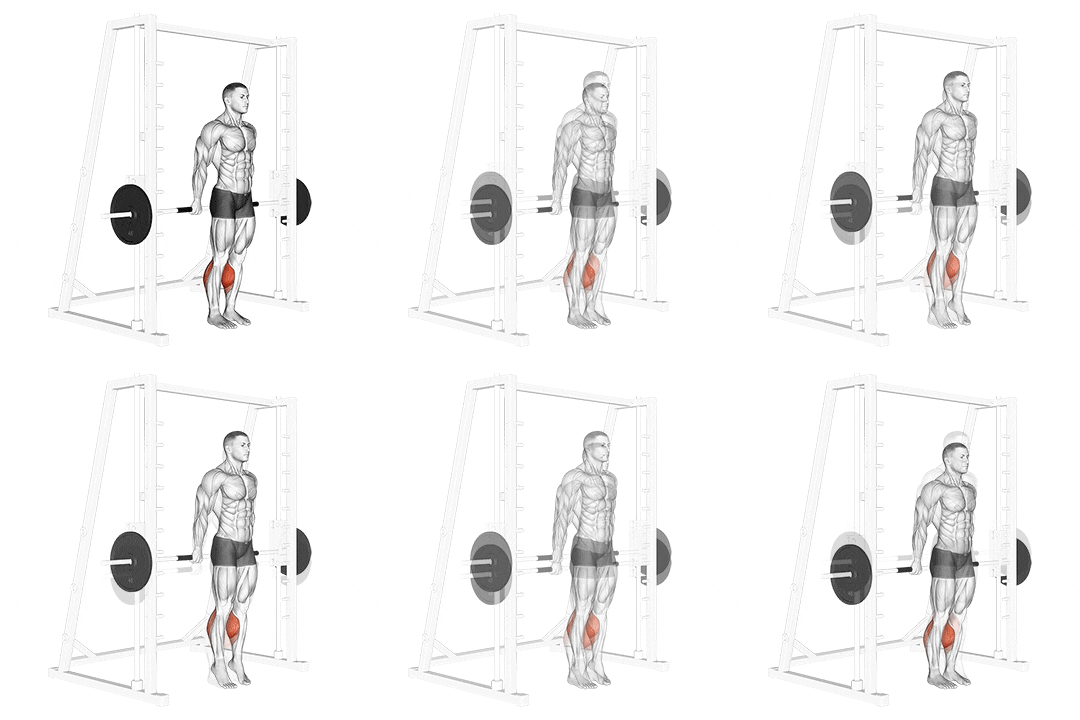
Smith reverse calf raises are an exercise that primarily targets the calf muscles, specifically the soleus. By performing this exercise, you can strengthen and develop the soleus muscles, which play a crucial role in ankle stability and balance. Reverse calf raises on the Smith machine also engage the gastrocnemius muscles to a lesser extent. ## Instructions 1. Set up the Smith machine by adjusting the barbell to an appropriate height. The barbell should be positioned at hip level or slightly lower. 2. Stand facing the machine with your feet shoulder-width apart and toes pointing forward. 3. Place the balls of your feet on a block or step, allowing your heels to hang off the edge. 4. Bend your knees slightly and grasp the barbell with an overhand grip, with your hands shoulder-width apart. This will be your starting position. 5. Keep your core engaged and maintain a straight back throughout the exercise. 6. Raise your heels as high as possible by extending your ankles. Focus on contracting the calf muscles. 7. Hold the contracted position briefly and squeeze your calf muscles. 8. Slowly lower your heels back down to the starting position, allowing your calves to stretch. 9. Repeat the movement for the desired number of repetitions. ## Variations - Dumbbell Reverse Calf Raises: If a Smith machine is unavailable, you can perform the exercise using dumbbells. Hold a dumbbell in each hand and follow the same instructions as above. - Single Leg Reverse Calf Raises: To increase the challenge and target each leg individually, perform the exercise with one leg at a time while using the other leg for balance and support. ## Muscles Worked The primary muscles targeted during Smith reverse calf raises are: - Soleus: Located in the lower part of the calf, the soleus muscle is the main focus of this exercise. - Gastrocnemius: Although to a lesser extent, the gastrocnemius muscles also contribute to the movement. ## Common Mistakes - Using momentum: Avoid using momentum or jerking the weight up. Maintain control and perform the exercise with a slow and controlled tempo. - Poor posture: Keep your back straight and avoid bending at the waist. Engage your core muscles throughout the exercise. - Locking the knees: Maintain a slight bend in your knees to reduce stress on the joints and focus the effort on the calf muscles. ## Safety Precautions - Begin with lighter weights or no weight at all if you're new to this exercise. Gradually increase the weight as your strength and familiarity with the movement improve. - Pay attention to your form and technique. Improper form can lead to strain or injury. If you're unsure, consider seeking guidance from a qualified fitness professional. - If you have any existing calf or ankle injuries or conditions, consult with a healthcare professional before attempting reverse calf raises. - Listen to your body and stop the exercise if you experience pain or discomfort. If necessary, consult a healthcare professional for appropriate guidance.
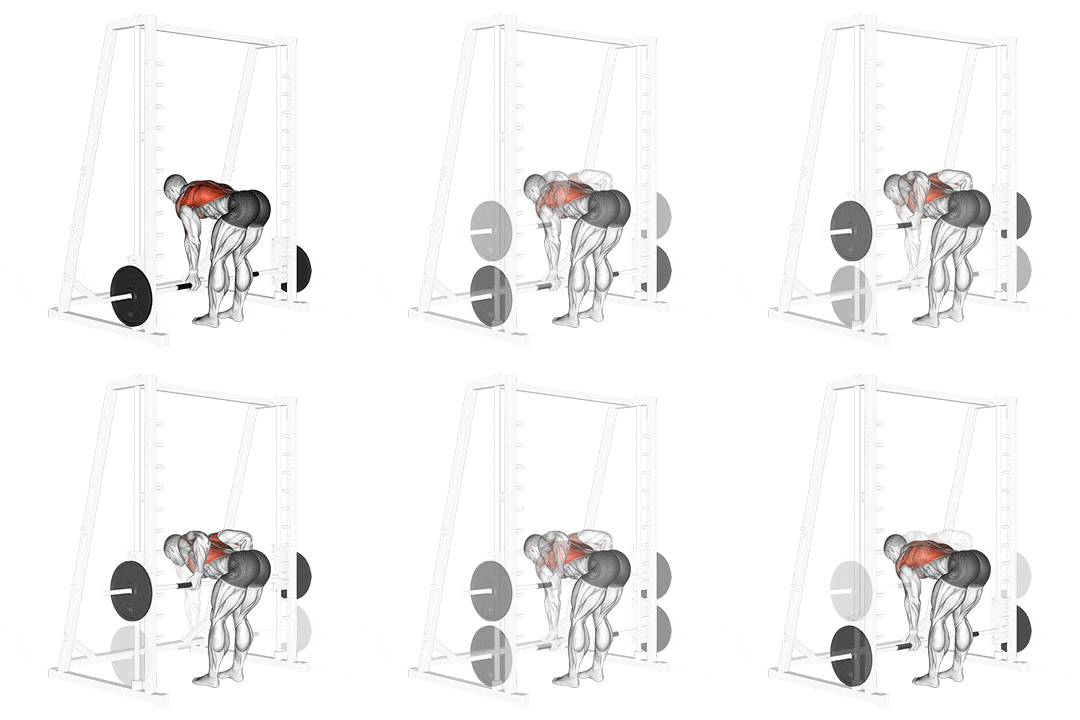
The Smith reverse grip bent-over row is a compound exercise that primarily targets the muscles of the back, specifically the latissimus dorsi (lats), rhomboids, and posterior deltoids. By using a reverse grip, with palms facing up, this exercise places more emphasis on the upper back muscles. The Smith machine provides stability and control during the movement. ## Instructions 1. Set up the Smith machine by adjusting the barbell to a suitable height. The barbell should be positioned at approximately mid-thigh level. 2. Stand facing the Smith machine with your feet shoulder-width apart. Position yourself close to the bar, allowing your knees to have a slight bend. 3. Reach down and grasp the bar with an underhand grip, hands slightly wider than shoulder-width apart. Your palms should be facing up. 4. Hinge forward at the hips, maintaining a flat back and a slight bend in your knees. Your torso should be at approximately a 45-degree angle to the floor. 5. Begin the movement by pulling the barbell towards your lower chest, driving your elbows back and squeezing your shoulder blades together. Keep your core engaged and focus on using your back muscles to perform the row. 6. Pause briefly at the top of the movement, squeezing your back muscles. 7. Slowly lower the barbell back down to the starting position, fully extending your arms. 8. Repeat the movement for the desired number of repetitions. ## Variations - Wide Grip Reverse Bent-Over Row: Perform the exercise with a wider grip on the bar, which targets the outer parts of the back, emphasizing the lats. - Dumbbell Reverse Grip Bent-Over Row: If a Smith machine is not available, you can use dumbbells instead. Hold a dumbbell in each hand and follow the same instructions as above. - Resistance Band Reverse Grip Bent-Over Row: Attach a resistance band to a sturdy anchor point, such as a pole or door handle. Grasp the band with an underhand grip, and step back to create tension. Perform the rowing motion as described above. ## Muscles Worked The main muscles targeted during the Smith reverse grip bent-over row include: - Latissimus dorsi (lats): The largest back muscles responsible for width and overall back development. - Rhomboids: Located between the shoulder blades, these muscles retract and stabilize the scapulae. - Posterior deltoids: The back part of the shoulder muscles, assisting in the rowing motion. ## Common Mistakes - Rounding the back: Maintain a flat back throughout the exercise to avoid excessive strain on the spine. Focus on proper posture and engage your core for stability. - Using momentum: Avoid using momentum or swinging your body to perform the row. Control the movement and focus on the contraction of the back muscles. - Pulling with the arms: Initiate the movement by engaging the back muscles and driving the elbows back. Avoid relying solely on your arms to perform the rowing motion. ## Safety Precautions - Warm up before starting the exercise to prepare your muscles for the movement. - Start with lighter weights and gradually increase the load as you become comfortable with the exercise and develop proper form. - Maintain a controlled pace and avoid jerking motions that could strain your muscles or joints. - If you have any pre-existing back or shoulder injuries or conditions, consult with a healthcare professional before attempting this exercise. - Listen to your body and stop the exercise if you experience pain or discomfort. Seek medical advice if necessary.
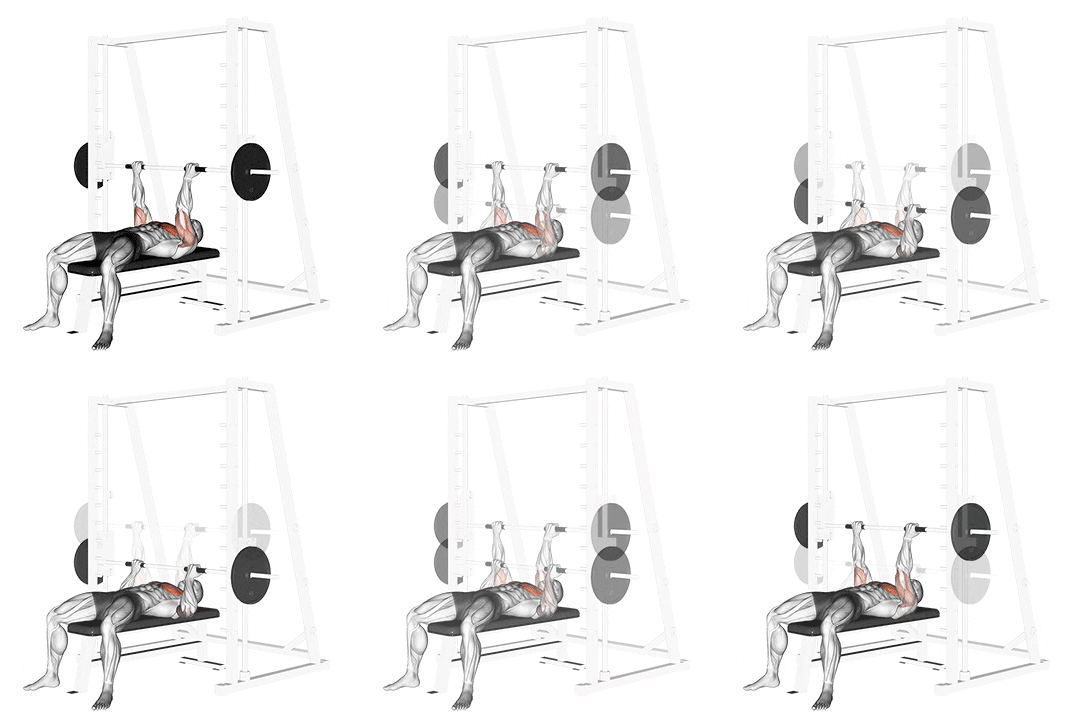
The Smith reverse-grip press is an exercise that primarily targets the triceps, chest, and front deltoids. It involves using a reverse grip on the barbell, with palms facing towards your face. This exercise can help develop and strengthen the triceps muscles while also engaging the chest and shoulders. ## Instructions 1. Set up the Smith machine by adjusting the barbell to a suitable height. The barbell should be positioned at chest level or slightly lower. 2. Stand facing away from the machine with your feet shoulder-width apart. Position yourself under the bar and grasp it with an underhand grip, palms facing towards your face. Your hands should be slightly wider than shoulder-width apart. 3. Step forward to clear the rack, and position yourself so that the bar is aligned with your chest. 4. Brace your core and maintain a stable and upright posture throughout the exercise. 5. Push the barbell upward by extending your arms, fully extending your elbows. Keep your wrists in a neutral position throughout the movement. 6. Pause briefly at the top of the movement, feeling the contraction in your triceps and chest muscles. 7. Slowly lower the barbell back down to the starting position, allowing your elbows to bend and your chest to stretch. 8. Repeat the movement for the desired number of repetitions. ## Variations - Dumbbell Reverse-Grip Press: If a Smith machine is not available, you can perform the exercise using dumbbells. Hold a dumbbell in each hand, palms facing towards your face, and follow the same instructions as above. - Incline Reverse-Grip Press: Adjust the bench on the Smith machine to an incline position. Perform the reverse-grip press on the inclined bench to target the upper chest muscles to a greater extent. ## Muscles Worked The main muscles targeted during the Smith reverse-grip press include: - Triceps: The back of the upper arm, responsible for arm extension. - Chest (Pectoralis major): The large muscles in the front of the chest, responsible for arm adduction and horizontal shoulder flexion. - Front Deltoids (Anterior deltoids): The front part of the shoulder muscles, assisting in arm flexion and shoulder stabilization. ## Common Mistakes - Flaring the elbows out: Keep your elbows close to your body throughout the exercise to target the triceps effectively and avoid excessive stress on the shoulders. - Arching the back: Maintain a neutral spine and avoid arching your back excessively. Engage your core to stabilize your body. - Locking the elbows: Avoid fully locking out your elbows at the top of the movement to keep tension on the muscles and prevent unnecessary stress on the joints. ## Safety Precautions - Begin with lighter weights to familiarize yourself with the movement and ensure proper form. - If you have any pre-existing shoulder or elbow injuries, consult with a healthcare professional before attempting this exercise. - Focus on maintaining control and a slow, controlled tempo throughout the exercise to reduce the risk of injury. - If you experience pain or discomfort during the exercise, stop immediately and seek medical advice if necessary.
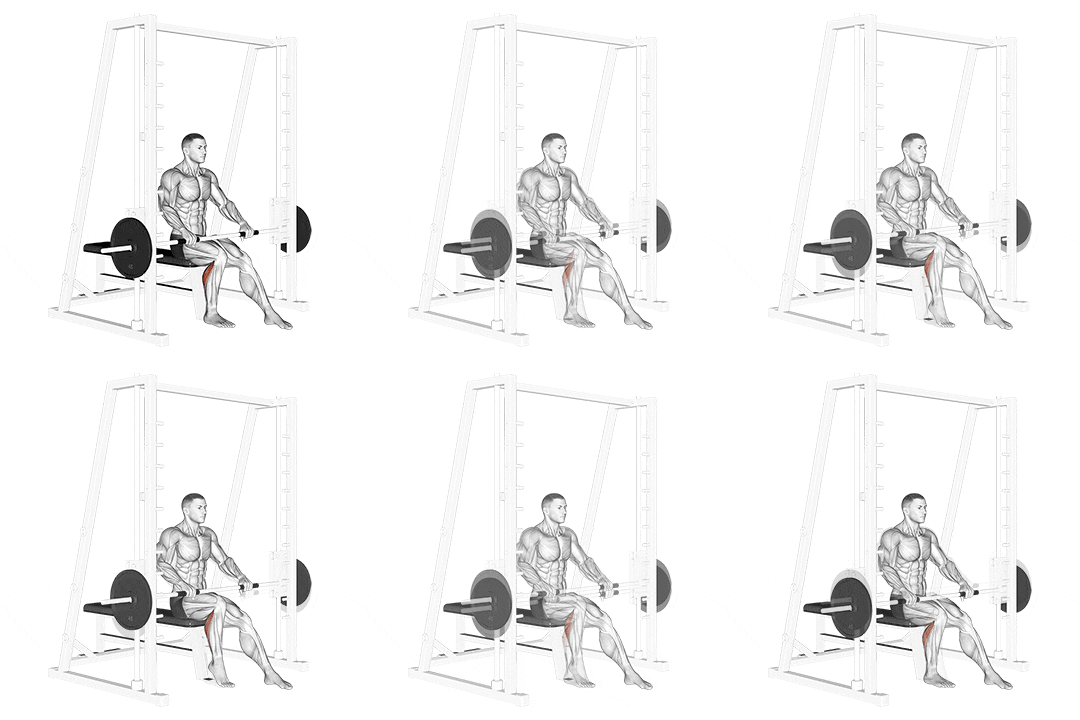
The Smith seated one leg calf raise is an exercise that primarily targets the calf muscles, specifically the gastrocnemius and soleus. By performing this exercise with one leg at a time, you can focus on developing strength and balance in each calf individually. This exercise helps to improve calf muscle definition, ankle stability, and overall lower leg strength. ## Instructions 1. Set up the Smith machine by adjusting the barbell to an appropriate height. The barbell should be positioned slightly above your knees when seated on the bench. 2. Sit on a bench or chair placed underneath the Smith machine bar. Position yourself with your feet flat on the floor, hip-width apart. 3. Place one foot on the footrest of the Smith machine with your toes pointing forward and your heel hanging off the edge. 4. Engage your core and maintain an upright posture throughout the exercise. 5. Grasp the sides of the bench or chair for stability. 6. Press through the ball of your foot and raise your heel as high as possible by extending your ankle. Focus on contracting the calf muscles of the raised leg. 7. Hold the contracted position for a brief pause, feeling the tension in your calf muscles. 8. Slowly lower your heel back down to the starting position, allowing your calf to stretch. 9. Repeat the movement for the desired number of repetitions on one leg before switching to the other leg. ## Variations - Seated Calf Raise: If a Smith machine is not available, you can perform the exercise using a calf raise machine or by holding dumbbells on your thighs while seated and performing the calf raises. - Weighted Seated One Leg Calf Raise: To increase the challenge, you can add weight by holding a dumbbell on the working leg or by using a weight plate on your thigh. ## Muscles Worked The main muscles targeted during the Smith seated one leg calf raise include: - Gastrocnemius: The larger calf muscle that gives shape and definition to the calf. - Soleus: Located beneath the gastrocnemius, the soleus contributes to ankle stability and strength. ## Common Mistakes - Rounding the back: Maintain an upright posture and avoid rounding your back during the exercise. Keep your core engaged and your chest lifted. - Using momentum: Avoid using momentum or jerking the weight up. Focus on a slow and controlled movement to fully engage the calf muscles. - Insufficient range of motion: Aim to raise your heel as high as possible while maintaining control and proper form. Avoid shallow movements that limit the muscle engagement. ## Safety Precautions - Start with lighter weights or no weight at all if you are new to this exercise. Gradually increase the weight as your strength and stability improve. - If you have any existing calf or ankle injuries or conditions, consult with a healthcare professional before attempting seated one leg calf raises. - Maintain proper form throughout the exercise and avoid compensating with other muscle groups. Focus on isolating the calf muscles. - If you experience any pain or discomfort, especially in the ankle or calf area, stop the exercise and seek medical advice if necessary.
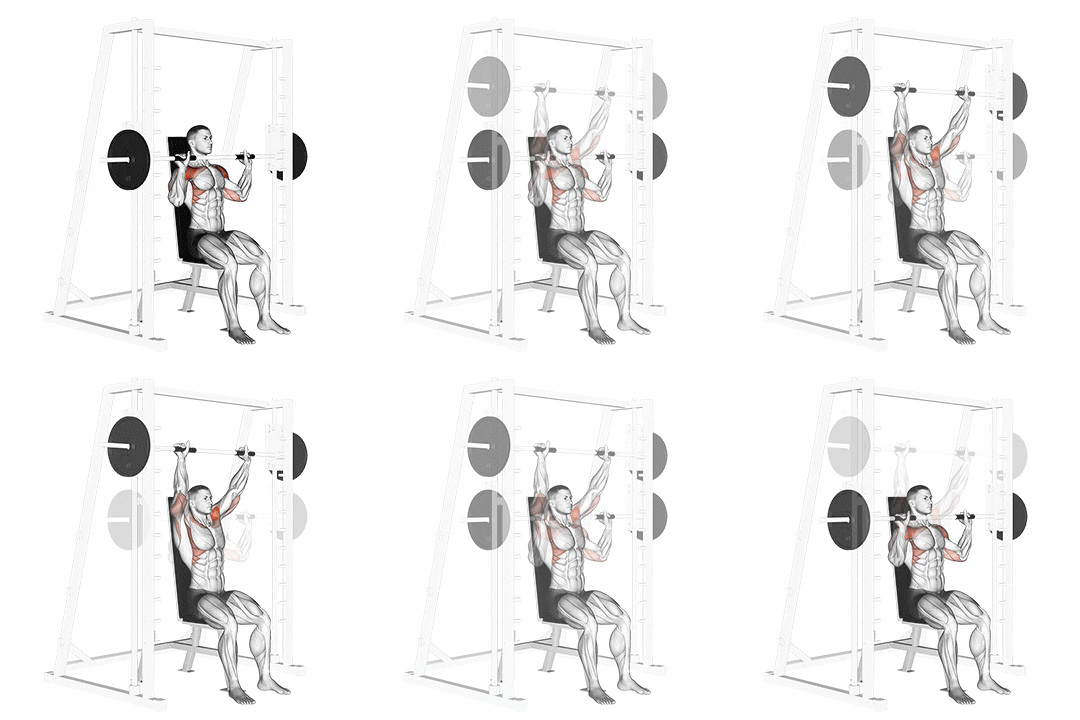
The Smith seated shoulder press is an exercise that targets the shoulder muscles, primarily the deltoids. By performing the exercise in a seated position, you can isolate the shoulder muscles and maintain stability throughout the movement. The Smith machine provides a guided range of motion, allowing you to focus on building strength and muscle in the shoulders. ## Instructions 1. Set up the Smith machine by adjusting the barbell to a suitable height. The barbell should be positioned at approximately shoulder level when seated on the bench. 2. Sit on a bench placed underneath the Smith machine bar. Position yourself with your feet flat on the floor, hip-width apart. 3. Grasp the barbell with an overhand grip, slightly wider than shoulder-width apart. 4. Lift the barbell off the rack and bring it down to shoulder level, positioning it just in front of your shoulders. Ensure your elbows are pointing forward and your wrists are aligned with your forearms. 5. Engage your core and maintain an upright posture throughout the exercise. Keep your chest lifted and your shoulders pulled back. 6. Press the barbell overhead by extending your arms, pushing the weight directly above your head. Keep your wrists stable and aligned with your forearms throughout the movement. 7. Once the barbell is fully extended overhead, pause briefly and feel the contraction in your shoulder muscles. 8. Slowly lower the barbell back down to the starting position, allowing your elbows to bend and your shoulders to stretch. 9. Repeat the movement for the desired number of repetitions. ## Variations - Standing Smith Shoulder Press: If you prefer to perform the exercise in a standing position, you can adjust the Smith machine bar to a higher height and follow the same instructions as above while standing. - Dumbbell Shoulder Press: Instead of using the Smith machine, you can perform a seated or standing shoulder press using dumbbells. Hold a dumbbell in each hand, palms facing forward, and follow the same pressing motion. ## Muscles Worked The main muscles targeted during the Smith seated shoulder press include: - Deltoids (Anterior, Lateral, and Posterior): The shoulder muscles responsible for raising and stabilizing the arms. - Triceps: The back of the upper arm, assisting in arm extension during the pressing motion. ## Common Mistakes - Arching the back: Maintain a neutral spine and avoid excessive arching of the back during the exercise. Engage your core and keep your torso stable. - Locking the elbows: Avoid fully locking out your elbows at the top of the movement to maintain tension on the muscles and reduce stress on the joints. - Using excessive weight: Start with lighter weights and focus on proper form before increasing the weight. Using too much weight can compromise your form and increase the risk of injury. ## Safety Precautions - Warm up your shoulder muscles before starting the exercise to prevent injury. - If you have any existing shoulder or back injuries, consult with a healthcare professional before attempting the seated shoulder press. - Maintain a controlled and smooth motion throughout the exercise to minimize stress on the joints. - If you experience any pain or discomfort, especially in the shoulders or upper back, stop the exercise and seek medical advice if necessary.
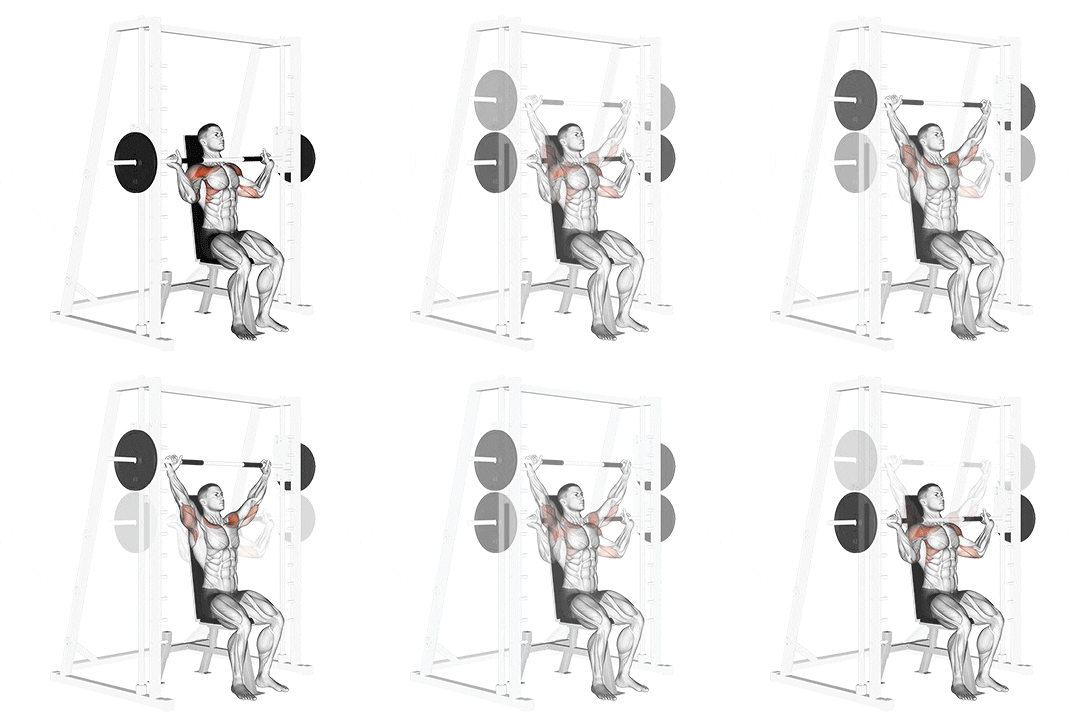
The Smith shoulder press is an exercise that targets the shoulder muscles, specifically the deltoids. It involves pressing a barbell or Smith machine bar from shoulder level to overhead. The Smith machine provides stability and controlled movement, allowing you to focus on developing strength and size in your shoulder muscles. ## Instructions 1. Set up the Smith machine by adjusting the barbell to a suitable height. The barbell should be positioned at approximately shoulder level. 2. Stand facing the Smith machine with your feet shoulder-width apart. Position yourself underneath the bar and grasp it with an overhand grip, slightly wider than shoulder-width apart. 3. Lift the barbell off the rack and bring it down to shoulder level, positioning it just in front of your shoulders. Your palms should be facing forward, and your elbows should be pointing forward with your wrists aligned with your forearms. 4. Engage your core and maintain an upright posture throughout the exercise. Keep your chest lifted and your shoulders pulled back. 5. Press the barbell overhead by extending your arms, pushing the weight directly above your head. Keep your wrists stable and aligned with your forearms throughout the movement. 6. Once the barbell is fully extended overhead, pause briefly and feel the contraction in your shoulder muscles. 7. Slowly lower the barbell back down to the starting position, allowing your elbows to bend and your shoulders to stretch. 8. Repeat the movement for the desired number of repetitions. ## Variations - Seated Smith Shoulder Press: Perform the shoulder press in a seated position on a bench. This variation reduces the involvement of the lower body and focuses more on the shoulder muscles. - Standing Smith Shoulder Press: Instead of using a seated position, perform the shoulder press while standing. This engages more of your core and lower body muscles to provide stability during the movement. ## Muscles Worked The main muscles targeted during the Smith shoulder press include: - Deltoids (Anterior, Lateral, and Posterior): The shoulder muscles responsible for raising and stabilizing the arms. - Triceps: The back of the upper arm, assisting in arm extension during the pressing motion. ## Common Mistakes - Arching the back: Maintain a neutral spine and avoid excessive arching of the back during the exercise. Engage your core and keep your torso stable. - Locking the elbows: Avoid fully locking out your elbows at the top of the movement to maintain tension on the muscles and reduce stress on the joints. - Using excessive weight: Start with lighter weights and focus on proper form before increasing the weight. Using too much weight can compromise your form and increase the risk of injury. ## Safety Precautions - Warm up your shoulder muscles before starting the exercise to prevent injury. - If you have any existing shoulder or back injuries, consult with a healthcare professional before attempting the Smith shoulder press. - Maintain a controlled and smooth motion throughout the exercise to minimize stress on the joints. - If you experience any pain or discomfort, especially in the shoulders or upper back, stop the exercise and seek medical advice if necessary.
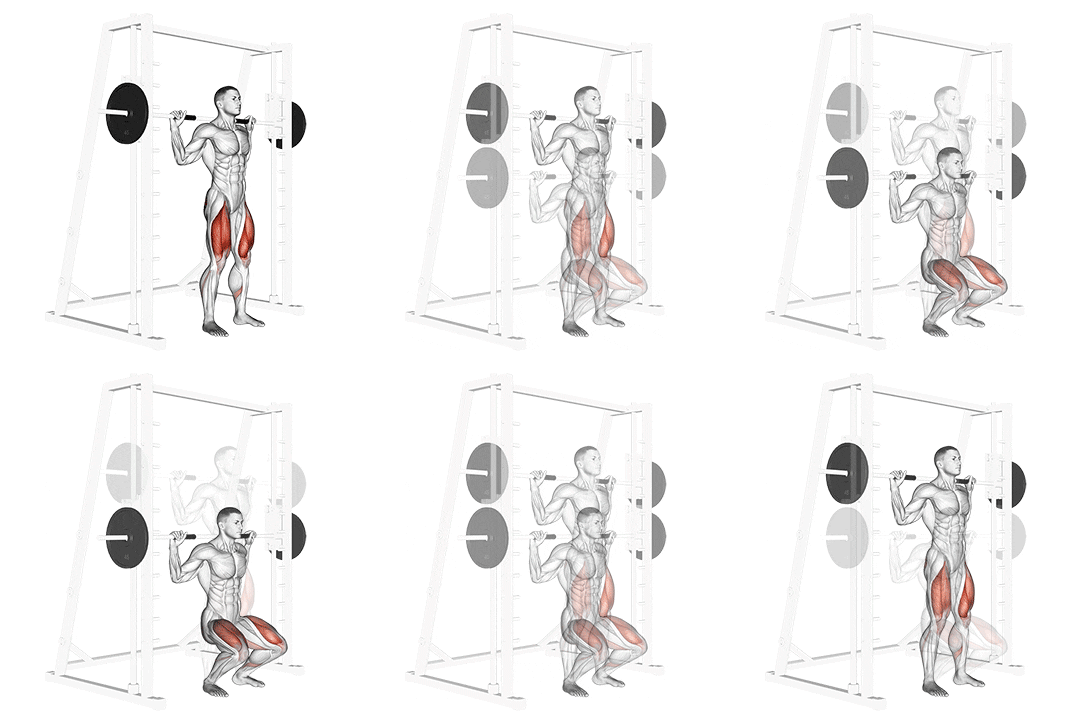
The Smith squat is a lower body exercise that primarily targets the muscles of the legs, including the quadriceps, hamstrings, and glutes. It is performed using a Smith machine, which is a weightlifting apparatus consisting of a barbell fixed within steel rails. The Smith squat is similar to a traditional barbell squat but provides added stability and controlled movement due to the fixed path of the barbell. It is a popular exercise for individuals looking to develop lower body strength, increase muscle mass, and improve overall lower body function. ## Instructions 1. Begin by positioning the Smith machine barbell at an appropriate height. It should be set slightly lower than your shoulder level. 2. Stand under the barbell with your feet shoulder-width apart and toes pointing slightly outward. 3. Step forward and position your shoulders under the bar, ensuring it rests comfortably on your upper back. 4. Grasp the bar with an overhand grip slightly wider than shoulder-width apart. 5. Take a step back and establish a stable stance with your feet firmly planted on the ground. 6. Engage your core, keep your chest lifted, and maintain a neutral spine throughout the exercise. 7. Begin the descent by bending your knees and hips simultaneously, lowering your body towards the ground. Maintain control and keep your torso upright. 8. Continue the downward movement until your thighs are parallel to the floor or slightly below. Avoid excessive forward leaning or rounding of the lower back. 9. Pause for a brief moment in the bottom position and then drive through your heels to extend your knees and hips, returning to the starting position. 10. Repeat the squat for the desired number of repetitions. ## Variations - **Smith Machine Front Squat**: Perform the squat with the barbell resting on the front of your shoulders instead of the upper back. This variation places more emphasis on the quadriceps. - **Smith Machine Split Squat**: Stand a few steps in front of the Smith machine with one foot positioned behind you on a bench or step. Perform the squat with the front leg, focusing on one leg at a time. - **Smith Machine Sumo Squat**: Take a wider stance with your toes pointing outward at an angle. This variation targets the inner thighs and glutes to a greater extent. - **Smith Machine Box Squat**: Use a box or bench positioned behind you. Sit back onto the box, pause briefly, and then drive through your heels to stand back up. This variation emphasizes hip and glute activation. ## Muscles Worked - Quadriceps (front of the thighs) - Hamstrings (back of the thighs) - Glutes (buttocks) - Calves and lower leg muscles (stabilizers) - Core muscles (abdominals and lower back) as stabilizers ## Common Mistakes - Allowing the knees to cave inward: Focus on keeping your knees aligned with your toes throughout the movement. Push them out slightly to engage the glutes and prevent excessive stress on the knees. - Rounding the lower back: Maintain a neutral spine throughout the exercise. Avoid rounding your lower back by engaging your core muscles and keeping your chest lifted. - Lifting the heels: Keep your feet flat on the ground throughout the movement. Lifting the heels can disrupt balance and reduce the effectiveness of the exercise. - Descending too quickly: Control the descent of the squat to maximize muscle engagement and reduce the risk of injury. - Locking the knees at the top: Avoid fully locking out your knees at the top of the movement to maintain tension on the muscles and prevent unnecessary stress on the joint. ## Safety Precautions - Before performing any exercise, consult with a healthcare professional or fitness instructor to ensure it is suitable for your individual needs and capabilities.