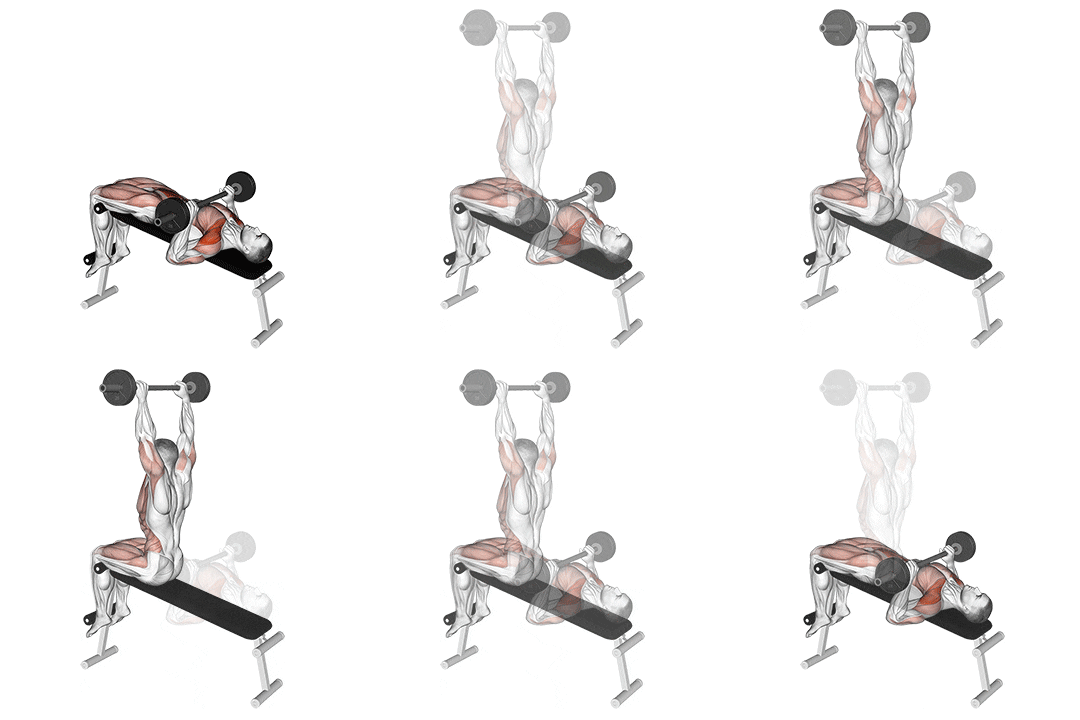
The barbell press sit-up is a compound exercise that targets the abdominal muscles, particularly the rectus abdominis, while also engaging the hip flexors and shoulders. This exercise combines the traditional sit-up movement with an overhead press, providing a comprehensive core and upper body workout. ## Instructions 1. Start by lying flat on your back on an exercise mat or a bench with your knees bent and feet planted firmly on the ground. 2. Hold a barbell with an overhand grip (hands slightly wider than shoulder-width apart) and extend your arms straight up above your chest. 3. Engage your core and begin to roll up, lifting your upper body off the ground, while simultaneously pressing the barbell overhead. 4. Continue the movement until you are in a fully seated position, with your torso upright and the barbell directly above your head. 5. Slowly lower your torso back down to the starting position, simultaneously lowering the barbell to the initial position above your chest. 6. Repeat the exercise for the desired number of repetitions. ## Variations - Dumbbell Press Sit-Up: Instead of using a barbell, you can perform the exercise using dumbbells, holding one in each hand and pressing them overhead as you sit up. - Kettlebell Press Sit-Up: Use kettlebells instead of a barbell or dumbbells, holding them by the handles and pressing them overhead during the sit-up. - Weight Plate Press Sit-Up: Hold a weight plate against your chest while performing the sit-up and press it overhead as you sit up. ## Muscles Worked - Primary muscles: Rectus abdominis (abs), hip flexors, shoulders - Secondary muscles: Obliques, pectorals, deltoids (shoulders) ## Common Mistakes - Using momentum: Avoid using momentum or jerking movements to sit up or press the weight overhead. Focus on controlled and deliberate motions. - Rounding the lower back: Keep your lower back pressed against the ground or bench throughout the movement. Avoid excessive rounding or arching of the lower back. - Straining the neck: Keep your neck in a neutral position, avoiding excessive strain or pulling on the neck muscles. Look forward or slightly upward during the exercise. - Lifting too heavy: Start with a weight that allows you to maintain proper form and complete the exercise with control. Gradually increase the weight as your strength improves. ## Safety Precautions - Prioritize proper form and technique over the amount of weight lifted. - Start with a light weight or no weight at all to master the movement before adding resistance. - Ensure that the barbell or weights are securely locked in place to prevent accidents or injury. - If you experience any pain or discomfort in your lower back, modify the exercise or consult with a fitness professional. - If you have a history of shoulder or lower back injuries, seek guidance from a healthcare professional before attempting this exercise.
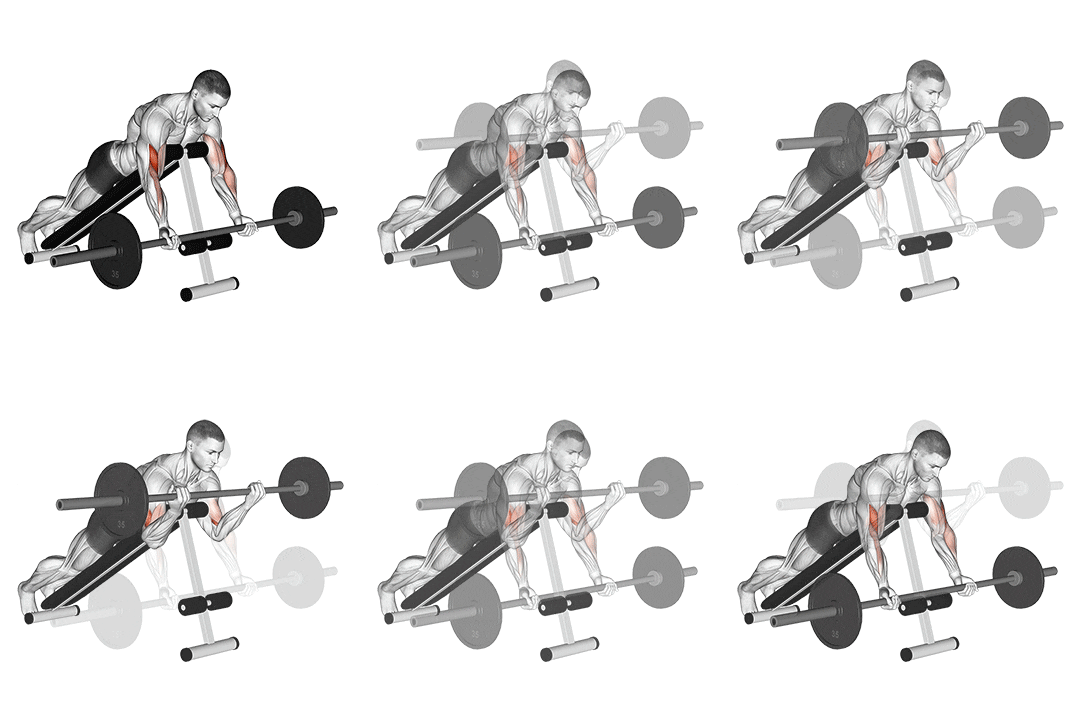
The barbell prone incline curl is an isolation exercise that targets the biceps brachii muscles. It involves lying face down on an incline bench and curling a barbell upward against gravity, specifically working the long head of the biceps. ## Instructions 1. Set an incline bench at an angle of around 45 degrees and place a barbell on the floor in front of it. 2. Lie face down on the incline bench, positioning your chest and upper torso against the incline. 3. Extend your arms straight down, holding the barbell with an underhand grip, hands slightly wider than shoulder-width apart. 4. Ensure that your feet are firmly planted on the floor for stability. 5. Keeping your upper arms stationary, begin to curl the barbell upward by flexing your elbows. 6. Continue curling until your biceps are fully contracted and the barbell is close to your shoulders. 7. Squeeze your biceps at the top of the movement for a brief moment. 8. Lower the barbell back down in a controlled manner, fully extending your elbows. 9. Repeat the movement for the desired number of repetitions. ## Variations - Dumbbell Prone Incline Curl: Instead of using a barbell, you can perform the exercise with dumbbells, holding one in each hand. - Cable Prone Incline Curl: Attach a cable handle to a low pulley and perform the curling motion while lying face down on the incline bench, using the cable resistance. - Preacher Curl Machine: Use a preacher curl machine with an inclined pad to perform the exercise in a seated position. ## Muscles Worked - Primary muscles: Biceps brachii (long head) - Secondary muscles: Brachialis, brachioradialis (forearm muscles) ## Common Mistakes - Using excessive momentum: Avoid swinging or jerking the weight. Focus on controlled and deliberate movements. - Allowing the shoulders to round forward: Keep your shoulders back and down, maintaining good posture throughout the exercise. - Arching the lower back: Maintain a neutral spine and avoid excessive arching of the lower back. Engage your core for stability. - Lifting too much weight: Start with a weight that allows you to maintain proper form and complete the full range of motion. Gradually increase the weight as you become stronger. ## Safety Precautions - Warm up before performing the exercise to prepare your muscles. - Use a spotter or trainer for assistance, especially when lifting heavy weights. - Ensure the incline bench is stable and securely adjusted before lying down on it. - Avoid locking your elbows at the bottom of the movement to prevent strain on the joint. - If you have any pre-existing shoulder or lower back injuries, consult with a healthcare professional before attempting this exercise. - If you experience any sharp pain or discomfort, stop immediately and seek medical attention if needed.
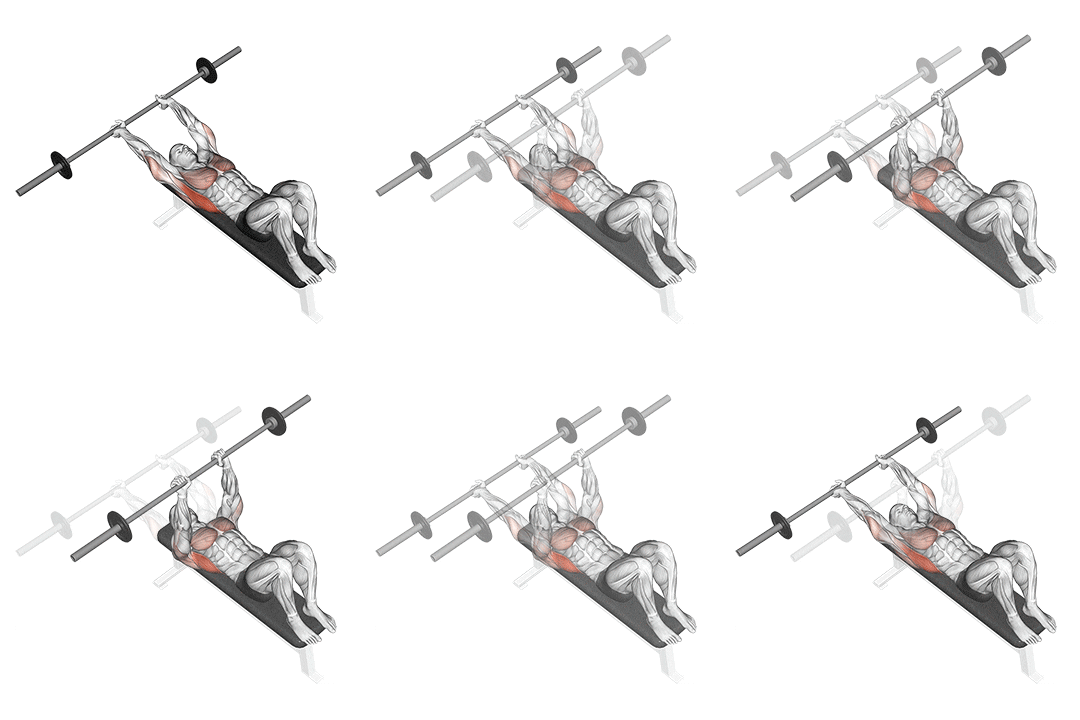
The barbell pullover is a compound exercise that primarily targets the muscles of the upper body, including the chest, back, and triceps. It involves moving a barbell in a sweeping motion from over your head to behind your head, stretching the chest and engaging the back muscles. ## Instructions 1. Lie flat on a bench with your head and upper back supported, feet placed firmly on the floor. 2. Hold a barbell with an overhand grip, hands slightly wider than shoulder-width apart. 3. Lift the barbell off the rack and extend your arms straight up above your chest. 4. Keeping a slight bend in your elbows, slowly lower the barbell in an arc motion behind your head, maintaining control. 5. Feel a stretch in your chest and shoulder muscles as the barbell descends. 6. When the barbell is parallel to the floor or you feel a comfortable stretch, reverse the motion and raise the barbell back to the starting position. 7. Engage your chest and back muscles to pull the barbell back up. 8. Repeat the movement for the desired number of repetitions. ## Variations - Dumbbell Pullover: Perform the exercise using dumbbells instead of a barbell, holding one in each hand. - Cable Pullover: Attach a straight bar or rope handle to a high pulley and perform the pullover motion while standing or kneeling in front of the cable machine. - Decline Bench Pullover: Perform the exercise on a decline bench to emphasize the lower chest muscles. ## Muscles Worked - Primary muscles: Pectoralis major (chest), latissimus dorsi (back), triceps brachii (back of the upper arm) - Secondary muscles: Rhomboids, deltoids (shoulders), serratus anterior (muscles along the sides of the ribcage) ## Common Mistakes - Overarching the lower back: Maintain a neutral spine throughout the exercise. Avoid excessive arching of the lower back, which can strain the spine. - Jerking the barbell: Use controlled and smooth movements throughout the exercise. Avoid using momentum or swinging the barbell. - Not feeling the stretch: Focus on a full range of motion and lower the barbell until you feel a comfortable stretch in your chest and shoulders. - Lifting too heavy: Start with a weight that allows you to maintain proper form and control. Gradually increase the weight as your strength improves. ## Safety Precautions - Use a spotter or trainer for assistance, especially when lifting heavy weights. - Ensure that the bench is stable and securely adjusted before lying down on it. - Avoid locking your elbows or hyperextending them at the top of the movement to prevent strain on the joint. - If you have any pre-existing shoulder or back injuries, consult with a healthcare professional before attempting this exercise. - If you experience any sharp pain or discomfort, stop immediately and seek medical attention if needed.
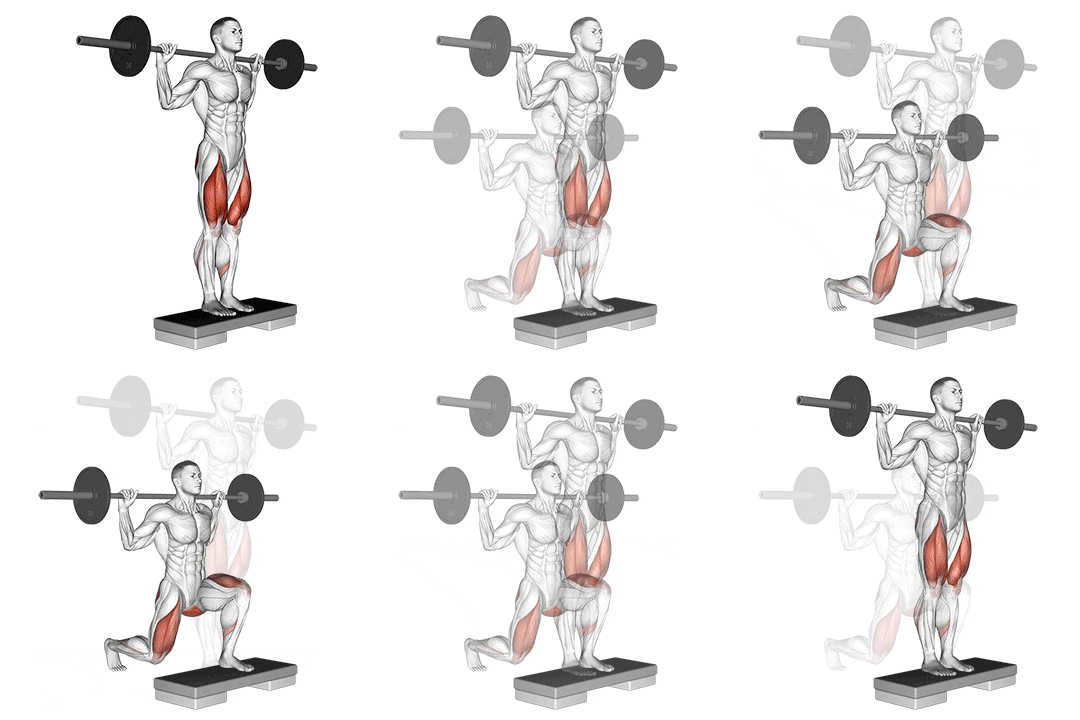
The barbell rear lunge is a compound exercise that targets the lower body, particularly the quadriceps, hamstrings, glutes, and calves. It involves stepping backward into a lunge position while holding a barbell on your upper back. This exercise helps to build leg strength, improve balance, and enhance overall lower body muscle development. ## Instructions 1. Start by standing with your feet hip-width apart and a barbell placed on your upper back, resting on your trapezius muscles. You can use a squat rack or have a spotter help you get the barbell into position. 2. Engage your core, keep your chest lifted, and maintain a neutral spine. 3. Take a step backward with one foot, landing on the ball of your foot. 4. Lower your body by bending both knees until your front thigh is parallel to the ground, and your rear knee is hovering just above the floor. 5. Keep your front knee aligned with your ankle and ensure it doesn't extend beyond your toes. 6. Push through the heel of your front foot and extend both knees to return to the starting position. 7. Repeat the movement on the other side, stepping backward with the opposite foot. 8. Continue alternating lunges for the desired number of repetitions. ## Variations - Dumbbell Rear Lunge: Hold a dumbbell in each hand instead of using a barbell to perform the lunges. - Barbell Front Lunge: Instead of placing the barbell on your upper back, hold it in front of your body at shoulder height while performing the lunges. - Walking Barbell Rear Lunge: Take steps backward with each lunge, continuously moving forward, and alternating legs as you go. ## Muscles Worked - Primary muscles: Quadriceps, hamstrings, glutes - Secondary muscles: Calves, hip flexors ## Common Mistakes - Allowing the knee to cave in: Keep your knees aligned with your toes throughout the movement. Avoid allowing your front knee to collapse inward. - Leaning too far forward: Maintain an upright posture and avoid excessive forward lean. Keep your chest lifted and your core engaged. - Taking too large of a step: Take a comfortable step backward that allows you to maintain balance and control. Avoid overextending your stride. - Rushing the movement: Focus on proper form and control. Avoid rushing through the exercise to maintain stability and engage the target muscles effectively. ## Safety Precautions - Ensure that you have proper balance and stability before attempting the exercise. - Start with lighter weights or bodyweight and gradually increase the resistance as you become more comfortable with the movement. - Maintain a slow and controlled pace throughout the exercise to reduce the risk of injury. - If you have any knee or hip issues, consult with a healthcare professional before attempting this exercise. - If you experience any pain or discomfort, especially in the knees or lower back, stop immediately and seek medical attention if needed.
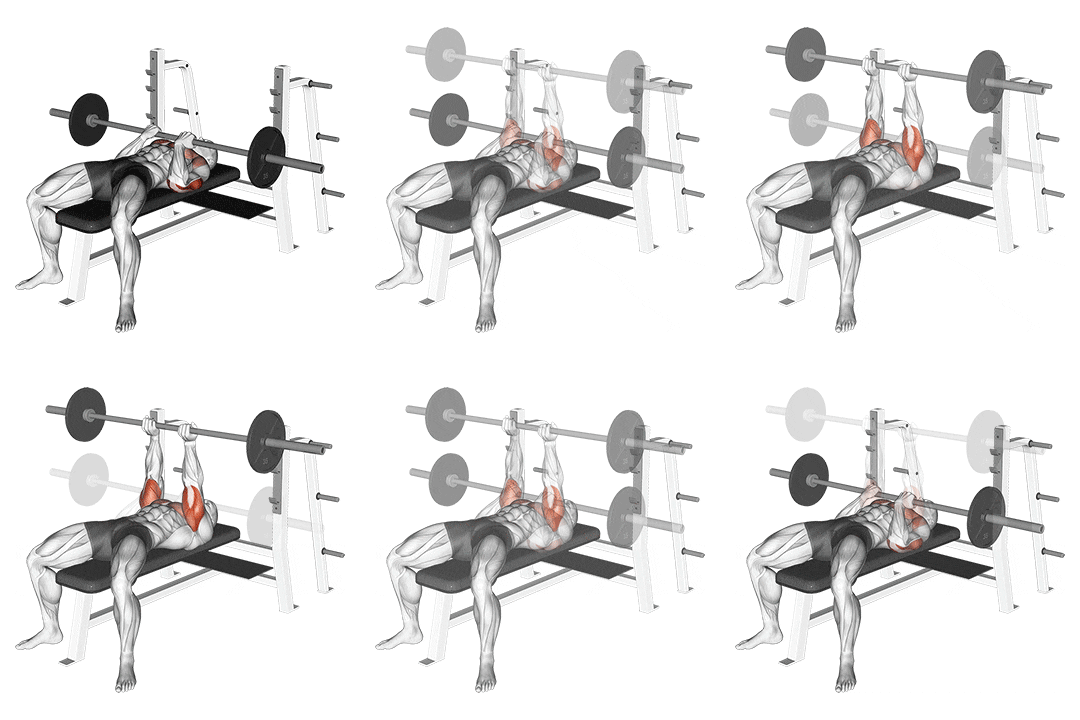
The barbell reverse close-grip bench press is a variation of the traditional bench press exercise. It primarily targets the triceps, but also engages the chest and shoulders. By using a reverse grip and a close hand placement, this exercise places more emphasis on the triceps muscles, helping to develop strength and size in the back of the upper arms. ## Instructions 1. Lie flat on a bench with your feet planted firmly on the floor. 2. Grasp the barbell with a reverse (underhand) grip, placing your hands slightly closer than shoulder-width apart. 3. Lift the barbell off the rack, or have a spotter hand it to you. 4. Lower the barbell slowly and under control towards your lower chest, keeping your elbows tucked close to your sides. 5. Pause briefly when the barbell touches your chest. 6. Push the barbell back up by extending your arms, focusing on using your triceps to drive the movement. 7. Exhale as you press the barbell back to the starting position. 8. Repeat the movement for the desired number of repetitions. ## Variations - Dumbbell Reverse Close-Grip Bench Press: This exercise can be performed using dumbbells instead of a barbell. The movement and grip remain the same, but using dumbbells allows for a greater range of motion and individual arm work. - Machine Reverse Close-Grip Bench Press: If available, you can use a machine designed specifically for the reverse close-grip bench press. The machine provides stability and allows you to focus solely on the triceps muscles. ## Muscles Worked The barbell reverse close-grip bench press primarily targets the following muscles: - Triceps (particularly the long head) - Chest (pectoralis major) - Shoulders (anterior deltoids) - Forearms (as stabilizers) ## Common Mistakes - Flaring elbows: Keep your elbows tucked close to your sides throughout the movement. Avoid letting your elbows flare outwards, as this can shift the emphasis away from the triceps and increase the risk of shoulder strain. - Using excessive weight: Start with a weight that allows you to maintain proper form and control. Using too much weight can compromise your technique and increase the risk of injury. - Arching the back excessively: Maintain a neutral spine and avoid excessive arching of the back. Keep your core engaged and your back flat against the bench for stability. ## Safety Precautions - Use a spotter or perform this exercise within a power rack with safety pins set at an appropriate height to catch the barbell if needed. - Warm up properly before attempting heavy lifts to prepare your muscles and joints. - Maintain control throughout the exercise. Avoid bouncing the barbell off your chest or using momentum to lift the weight. - If you have any pre-existing shoulder or elbow injuries, it's advisable to consult with a healthcare professional before attempting this exercise. - Listen to your body and stop the exercise if you experience any pain or discomfort.
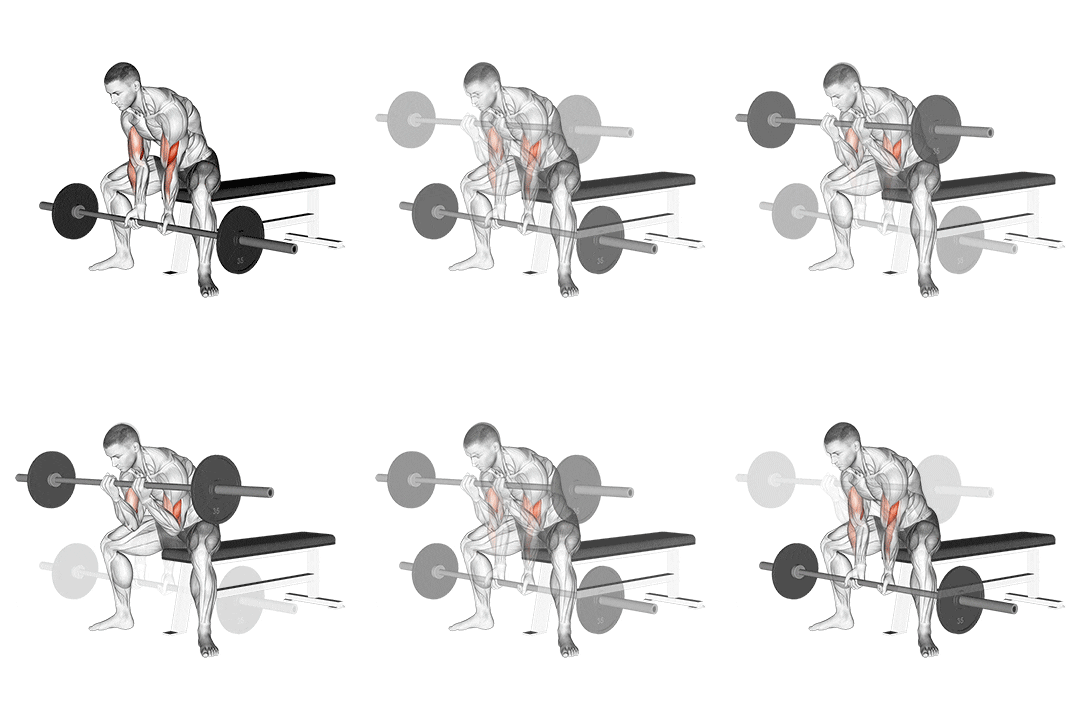
The barbell seated close-grip concentration curl is an exercise that primarily targets the biceps brachii muscle, located on the front of the upper arm. By using a close grip and performing the curl in a seated position, this exercise places greater emphasis on the biceps, helping to build strength and size in the arms. ## Instructions 1. Start by sitting on a bench with your feet flat on the floor, holding a barbell with an underhand grip (palms facing up) and hands placed close together, approximately shoulder-width apart. 2. Rest your upper arms on the insides of your thighs, just above your knees, with your elbows fully extended. 3. Keeping your upper arms stationary, exhale and curl the barbell upwards towards your shoulders, contracting your biceps. 4. Continue curling until the barbell is close to your shoulders and you have fully flexed your elbows. 5. Hold the contracted position for a brief pause, squeezing your biceps. 6. In a controlled manner, inhale and slowly lower the barbell back down to the starting position, fully extending your elbows. 7. Repeat for the desired number of repetitions. ## Variations - **Dumbbell Seated Close-Grip Concentration Curl**: Perform the exercise using dumbbells instead of a barbell. Hold a dumbbell in each hand with an underhand grip, and follow the same range of motion as described above. - **Machine Seated Close-Grip Concentration Curl**: Use a seated concentration curl machine, where your upper arm is positioned against a pad, and you curl the weight using a close grip. ## Muscles Worked - Biceps brachii (main target) - Brachialis (located underneath the biceps, assisting in elbow flexion) - Brachioradialis (located on the forearm, assisting in elbow flexion) ## Common Mistakes - **Swinging the body**: Avoid using momentum or swinging your body to lift the weight. Keep your upper arms stationary and focus on using your biceps to curl the barbell. - **Rounding the back**: Maintain an upright posture throughout the exercise, avoiding excessive rounding or arching of the back. Sit tall and engage your core. - **Using excessive weight**: Start with a weight that allows you to maintain proper form and control throughout the exercise. Gradually increase the load as you become comfortable and stronger. - **Not fully extending the elbows**: Ensure that you fully extend your elbows at the bottom of the movement to achieve a full range of motion and engage the biceps fully. ## Safety Precautions - Begin with a lighter weight or progression, and gradually increase the load as you become comfortable and confident with the exercise. - Keep your core engaged and maintain a stable position on the bench. - Be cautious of your grip and avoid using a weight that is too heavy, as it can strain your wrists and elbows. - Listen to your body and stop the exercise if you experience any pain or discomfort. - If you have any pre-existing conditions or injuries, it's advisable to consult with a qualified fitness professional or healthcare provider before attempting the barbell seated close-grip concentration curl.
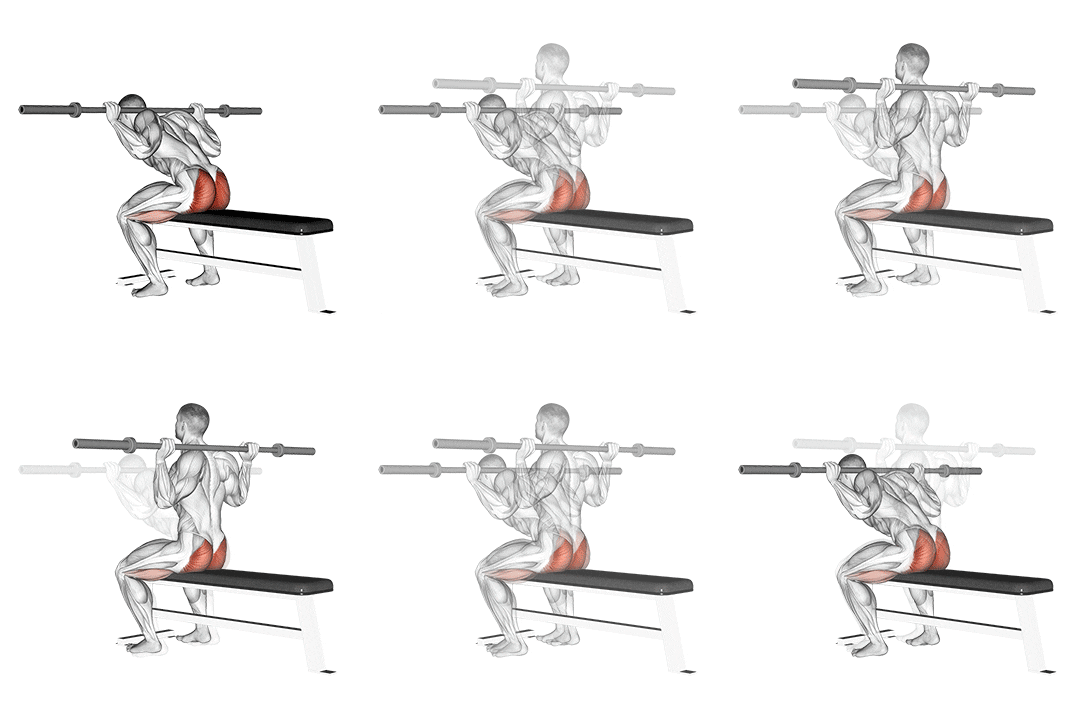
The barbell seated good morning is an exercise that targets the muscles of the lower back, glutes, and hamstrings. It involves bending forward at the hips while keeping the back straight, which helps to strengthen the posterior chain and improve hip mobility. ## Instructions 1. Start by sitting on a bench with your feet shoulder-width apart and the barbell placed on your upper back, across your trapezius muscles. 2. Engage your core and keep your back straight throughout the exercise. 3. Slowly bend forward at the hips while maintaining the natural arch in your lower back. 4. Continue lowering your torso until you feel a stretch in your hamstrings or until your torso is parallel to the floor. 5. Pause for a moment at the bottom of the movement, then slowly return to the starting position by extending your hips and bringing your torso back upright. 6. Repeat for the desired number of repetitions. ## Variations - **Barbell Seated Good Morning with Resistance Bands**: Attach resistance bands to the barbell and anchor them to a secure point behind you. This adds extra resistance throughout the movement. - **Dumbbell Seated Good Morning**: Instead of using a barbell, hold a dumbbell in each hand at shoulder level or rest them on your shoulders while performing the exercise. ## Muscles Worked - Erector spinae (lower back muscles) - Glutes (butt muscles) - Hamstrings (back of the thigh) ## Common Mistakes - **Rounding the back**: Avoid rounding your back during the movement, as this can put excessive stress on your spine. Keep your back straight and maintain proper form throughout. - **Bending the knees too much**: While there will be some bending in the knees, the main movement should come from the hips. Avoid excessive knee flexion, as this shifts the focus away from the intended target muscles. - **Using excessive weight**: Start with lighter weights to ensure you can maintain proper form and technique. Gradually increase the weight as you become more comfortable and stronger. - **Lowering the torso too far**: Avoid going too low to the point where your lower back starts to round excessively. Stop the movement when you feel a stretch in your hamstrings or when your torso is parallel to the floor. ## Safety Precautions - Ensure that the bench is stable and secure before performing the exercise. - Start with a lighter weight and gradually increase the load as your strength and form improve. - If you have any pre-existing lower back or hip issues, it is advisable to consult with a qualified fitness professional or healthcare provider before attempting the barbell seated good morning. - If you experience any pain or discomfort during the exercise, stop immediately and seek guidance from a professional. - Focus on maintaining proper form throughout the movement to prevent injury.
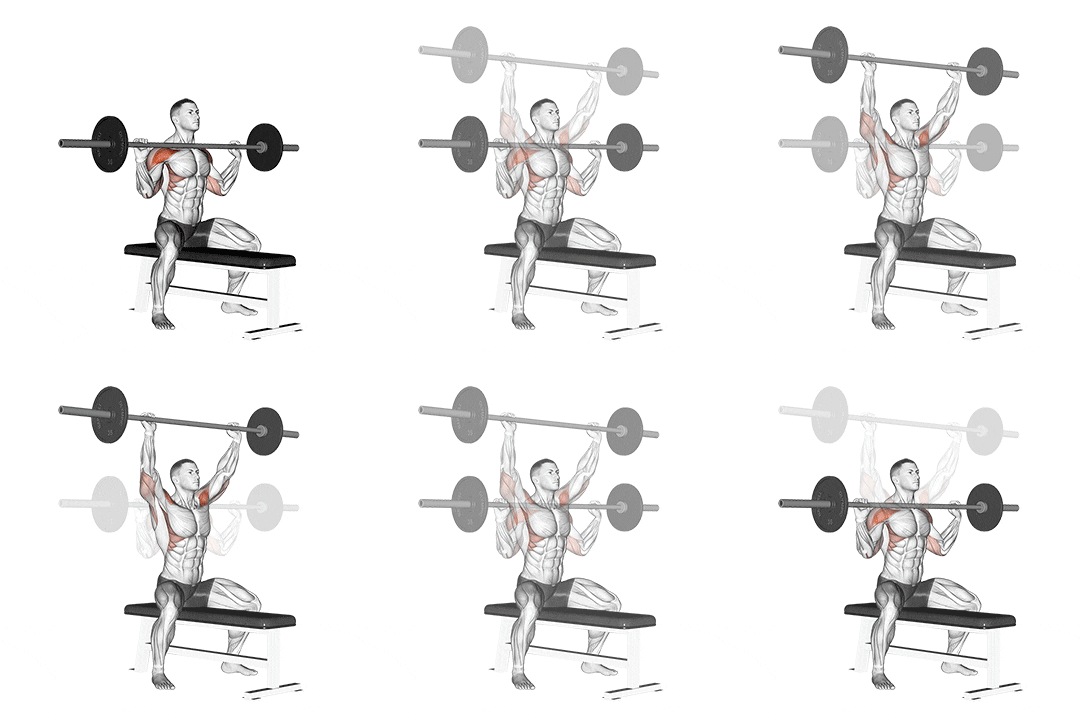
The barbell seated overhead press is a compound exercise that primarily targets the shoulder muscles, specifically the deltoids (shoulder muscles), as well as the triceps and upper back muscles. This exercise involves pressing a barbell overhead while seated, which helps develop upper body strength, stability, and shoulder mobility. ## Instructions 1. Start by sitting on a sturdy bench with back support. Position your feet firmly on the ground, about shoulder-width apart. 2. Grasp the barbell with an overhand grip, slightly wider than shoulder-width apart. Hold the barbell at shoulder level, just above your upper chest, with your palms facing forward and your elbows bent. 3. Engage your core muscles and maintain a neutral spine throughout the exercise. 4. Take a deep breath, and as you exhale, extend your arms fully, pressing the barbell directly overhead. 5. Once the barbell is fully extended overhead, pause briefly and squeeze your shoulder muscles. 6. Slowly lower the barbell back to the starting position by bending your elbows and controlling the descent. 7. Repeat the movement for the desired number of repetitions. ## Variations - Dumbbell Seated Overhead Press: Instead of using a barbell, you can perform the exercise with dumbbells, holding one in each hand. - Arnold Press: This variation involves rotating the palms during the movement. Start with a neutral grip at shoulder level, and as you press the weights overhead, rotate your palms outward. - Standing Overhead Press: Performing the exercise while standing engages more stabilizer muscles, as it requires balance and core strength. ## Muscles Worked - Primary muscles: Deltoids (anterior, medial, and posterior heads) - Secondary muscles: Triceps, upper back muscles (trapezius, rhomboids), core muscles (abdominals and lower back) as stabilizers. ## Common Mistakes - Arching the lower back excessively: Maintain a neutral spine and avoid excessive arching or leaning backward during the movement. - Using momentum: Avoid using momentum to lift the weight. Control the movement throughout and focus on engaging the target muscles. - Shrugging the shoulders: Keep your shoulders down and away from your ears throughout the exercise. Avoid shrugging or hunching your shoulders. - Flaring the elbows: Keep your elbows slightly forward, rather than flaring them out to the sides. This helps maintain proper alignment and reduces stress on the shoulder joints. ## Safety Precautions - Warm up adequately before starting the exercise to prepare your muscles and joints. - Use an appropriate weight that challenges you without compromising your form. - Keep your core muscles engaged and maintain a stable seated position throughout the exercise. - If you have any shoulder or lower back issues, consult with a fitness professional or healthcare provider before performing this exercise. - If you experience pain or discomfort during the exercise, stop immediately and seek guidance from a qualified professional.
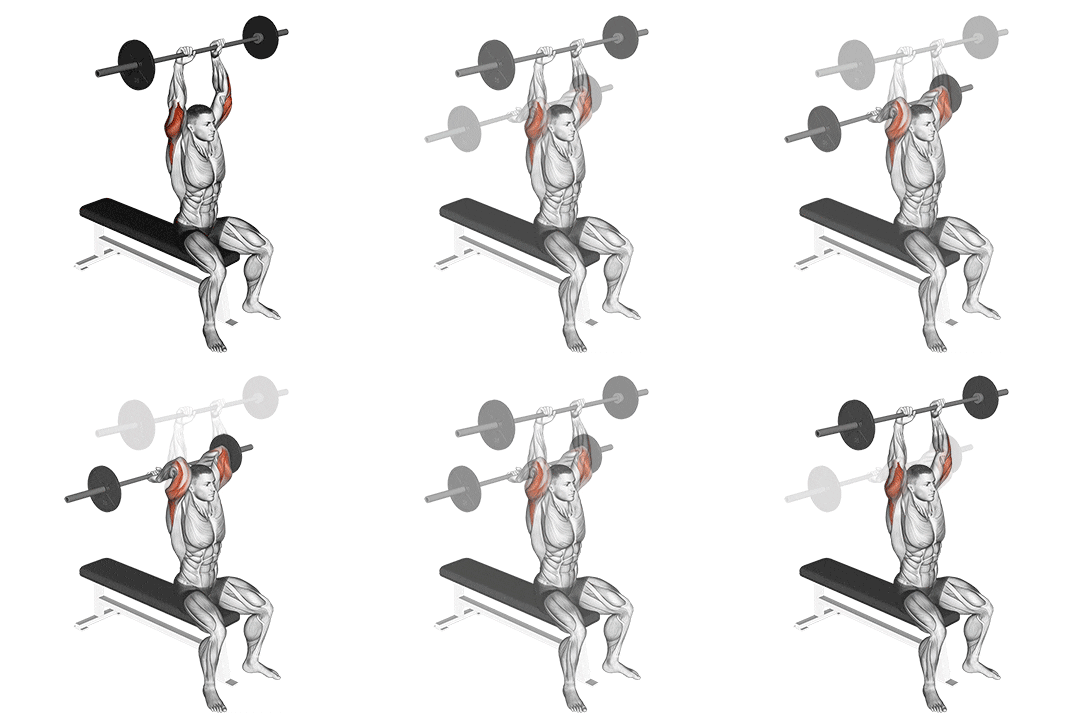
The barbell seated overhead triceps extension, also known as the French press or skull crusher, is an exercise that targets the triceps muscles. By performing this exercise, you can effectively strengthen and tone the triceps, which are located at the back of the upper arm. It also engages the shoulders and the muscles of the upper back. ## Instructions 1. Start by sitting on a bench with back support. Place your feet firmly on the ground, about shoulder-width apart. 2. Grasp a barbell with an overhand grip, hands slightly narrower than shoulder-width apart. 3. Lift the barbell above your head, fully extending your arms. 4. Lower the barbell behind your head by bending your elbows, keeping your upper arms close to your head. Your forearms should move parallel to the ground. 5. As you lower the barbell, keep your upper arms stationary and your elbows pointed forward. Your forearms should be the only parts moving. 6. Continue lowering the barbell until your forearms are slightly past parallel to the ground, feeling a stretch in your triceps. 7. Pause briefly, then contract your triceps to raise the barbell back to the starting position, fully extending your arms. 8. Repeat the movement for the desired number of repetitions. ## Variations - EZ-Bar Seated Overhead Triceps Extension: Instead of using a straight barbell, you can use an EZ-bar, which has a zigzag shape. The curved grip may be more comfortable for some individuals. - Dumbbell Seated Overhead Triceps Extension: Perform the exercise with dumbbells instead of a barbell, holding one in each hand. This allows for a greater range of motion and can help improve muscle balance. - Cable Overhead Triceps Extension: Using a cable machine and an appropriate attachment, such as a rope or straight bar, perform the triceps extension movement while seated. ## Muscles Worked - Primary muscles: Triceps brachii (long head, lateral head, and medial head) - Secondary muscles: Shoulders (deltoids) and upper back muscles (trapezius, rhomboids) as stabilizers. ## Common Mistakes - Flaring the elbows outward: Keep your elbows pointed forward and close to your head throughout the movement. Avoid allowing them to flare outward, as this shifts the focus away from the triceps. - Using excessive weight: Choose a weight that allows you to maintain proper form and control throughout the exercise. Avoid using momentum or swinging the weight. - Allowing the upper arms to move: Keep your upper arms stationary and perpendicular to the ground throughout the movement. Only your forearms should be in motion. - Lowering the weight too far: Avoid lowering the barbell too deep behind your head, as it may strain your elbows or shoulders. Lower the weight until you feel a stretch in your triceps without compromising your comfort or form. ## Safety Precautions - Warm up your muscles before starting the exercise to prepare them for the workload. - Choose an appropriate weight that challenges your triceps without sacrificing proper form. - Maintain a stable seated position throughout the exercise, keeping your core engaged and your back supported. - If you have any shoulder, elbow, or back issues, consult with a fitness professional or healthcare provider before performing this exercise. - If you experience any pain or discomfort during the exercise, stop immediately and seek guidance from a qualified professional.