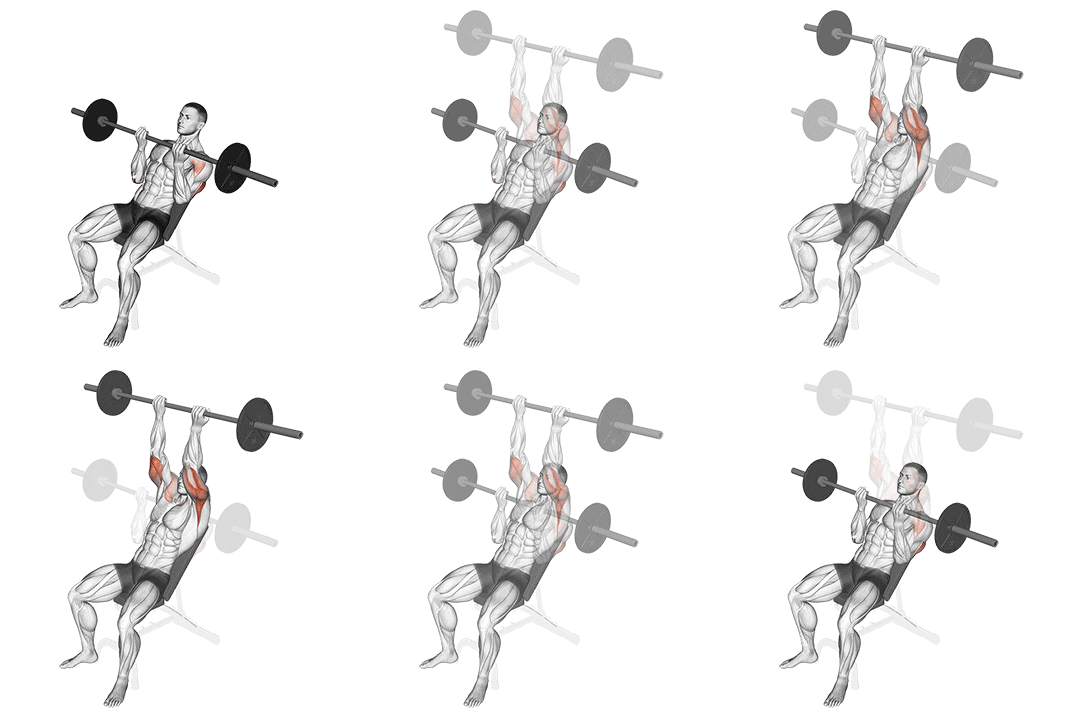
The barbell incline reverse-grip press is a variation of the incline bench press that targets the upper chest, front shoulders, and triceps. By using a reverse grip, with palms facing towards you, this exercise places greater emphasis on the upper chest muscles. ## Instructions 1. Set up an incline bench at an angle between 30 to 45 degrees and ensure it is stable. 2. Sit on the bench with your feet firmly planted on the ground. 3. Grasp the barbell with an underhand grip (reverse grip) slightly wider than shoulder-width apart. 4. Lift the barbell off the rack and hold it with your arms fully extended above your chest. 5. Inhale and slowly lower the barbell towards your upper chest while keeping your elbows at a 45-degree angle. 6. Pause briefly when the barbell lightly touches your chest. 7. Exhale and push the barbell back up to the starting position, fully extending your arms. 8. Repeat for the desired number of repetitions. ## Variations - Incline Dumbbell Reverse-Grip Press: Instead of using a barbell, use dumbbells with a reverse grip. This allows for greater range of motion and can help improve muscle balance. - Smith Machine Incline Reverse-Grip Press: If you have access to a Smith machine, you can perform this exercise using the machine's fixed barbell. This can be helpful for those who struggle with stabilizing free weights. ## Muscles Worked - Primary muscles: Upper chest (pectoralis major), front shoulders (anterior deltoids), triceps. - Secondary muscles: Biceps, forearms, stabilizer muscles in the core and upper back. ## Common Mistakes - Arching the lower back excessively: Maintain a natural arch in your lower back and keep it in contact with the bench throughout the exercise. - Flaring the elbows out too wide: Keep your elbows at a 45-degree angle from your body to prevent unnecessary strain on the shoulders. - Bouncing the bar off the chest: Avoid using momentum to bounce the barbell off your chest. This reduces the effectiveness of the exercise and increases the risk of injury. - Using excessive weight: Start with a weight that allows you to maintain proper form and gradually increase the load as you become stronger. ## Safety Precautions - Warm up properly before performing the exercise to prepare your muscles and joints for the movement. - Use a spotter, especially when lifting heavy weights, to ensure your safety in case you reach muscle failure. - Maintain control throughout the exercise and avoid jerky movements to reduce the risk of strains or muscle imbalances. - If you have any pre-existing shoulder or chest injuries, consult with a healthcare professional before attempting this exercise to ensure it is appropriate for you.
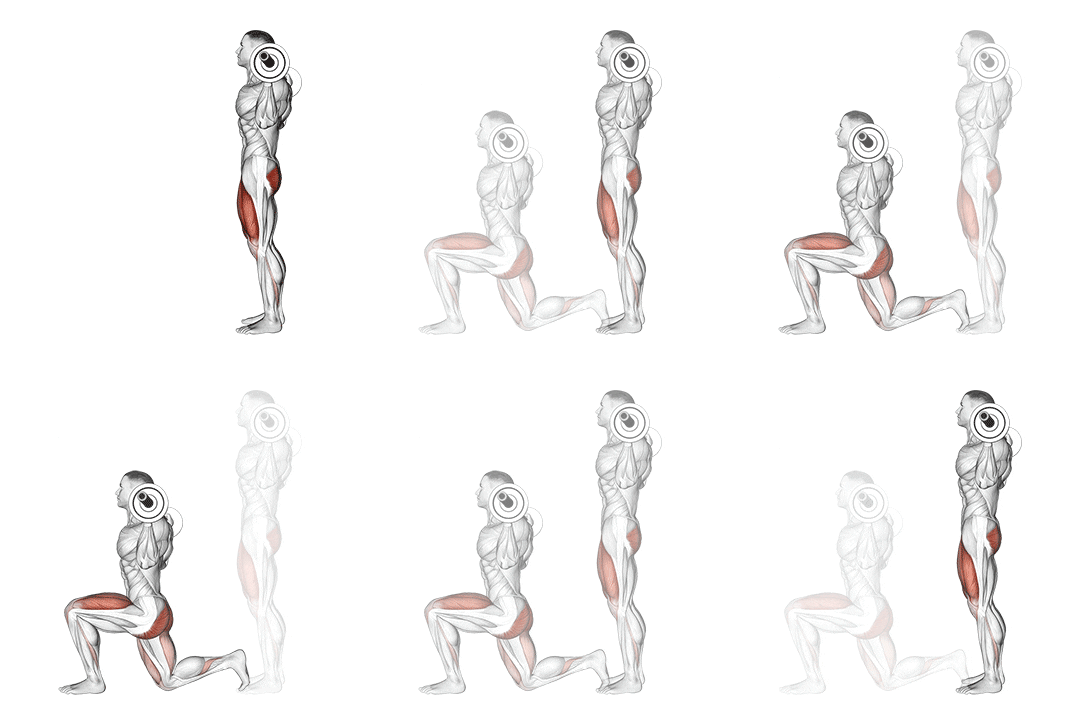
The barbell lunge is a compound exercise that primarily targets the lower body, specifically the quadriceps, hamstrings, and glutes. It also engages the core muscles for stability and balance. This exercise involves stepping forward or backward while holding a barbell across the shoulders, making it an effective movement for building leg strength, stability, and coordination. ## Instructions 1. Start by standing with your feet hip-width apart, with the barbell placed on your upper back and shoulders. Ensure your grip is comfortable and secure. 2. Take a step forward with one leg, maintaining an upright posture and keeping your core engaged. 3. Lower your body by bending both knees until the back knee is almost touching the ground, and the front thigh is parallel to the floor. Ensure that your front knee does not go beyond your toes. 4. Push through the heel of your front foot and extend your leg to return to the starting position. 5. Repeat the movement with the opposite leg, alternating lunges with each step. ## Variations - **Dumbbell Lunges:** Instead of using a barbell, you can hold dumbbells in each hand, allowing for more independent movement of the arms. - **Reverse Lunges:** Instead of stepping forward, step backward to perform the lunge. This variation places more emphasis on the glutes and hamstrings. - **Walking Lunges:** Perform lunges while moving forward, taking steps with each repetition. This variation adds an element of balance and coordination. ## Muscles Worked - Quadriceps (front of the thighs) - Hamstrings (back of the thighs) - Glutes (buttocks) - Calves (lower legs) - Core muscles (abdominals and lower back) for stability and balance. ## Common Mistakes - Allowing the front knee to extend too far beyond the toes, which can place excessive stress on the knee joint. Ensure the knee stays in line with the foot. - Leaning the torso too far forward or rounding the back. Maintain an upright posture throughout the movement. - Not stepping far enough or maintaining proper alignment. Take a long enough step forward or backward to create a 90-degree angle with both knees. - Failing to engage the core muscles. Keep your core tight to stabilize the spine and maintain balance. ## Safety Precautions - Start with a lighter weight or no weight at all until you are comfortable with the movement and have developed adequate strength. - Use a spotter or trainer if you're new to this exercise or using heavy weights. - Warm up adequately before performing lunges to prepare the muscles and joints for the exercise. - If you have any pre-existing knee or lower back issues, consult with a healthcare professional or a qualified trainer before attempting the exercise. - Maintain control and stability throughout the movement to prevent injury.
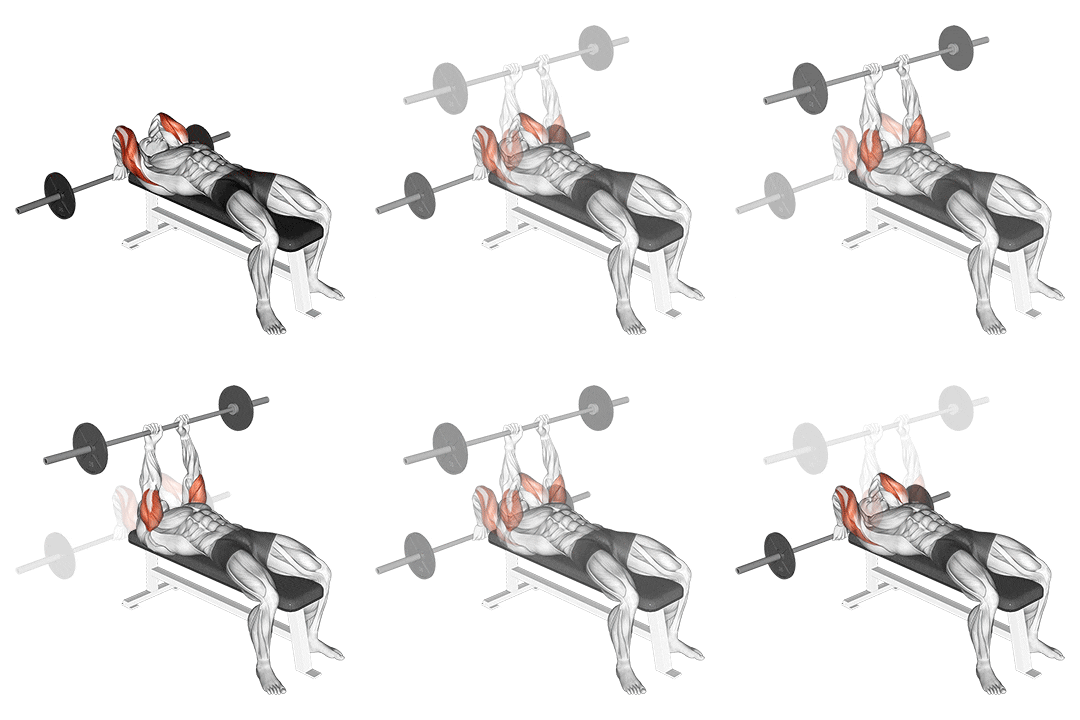
The barbell lying back of the head tricep extension, also known as the skull crusher, is an isolation exercise that primarily targets the triceps muscles. This exercise involves extending the elbow joint against resistance, effectively working the triceps while stabilizing the shoulder joint. It helps to develop strength, size, and definition in the triceps. ## Instructions 1. Lie flat on a bench with your feet flat on the ground and your head positioned at the end of the bench. 2. Hold a barbell with an overhand grip, slightly narrower than shoulder-width apart. 3. Lift the barbell and hold it above your chest with your arms fully extended. Your palms should be facing forward, and the bar should be directly over your shoulders. 4. Keeping your upper arms stationary, slowly lower the barbell by bending your elbows. Lower the bar until it is just above your forehead or back of the head, maintaining control throughout the movement. 5. Pause briefly at the bottom position, feeling the stretch in your triceps. 6. Extend your arms, raising the barbell back to the starting position. Fully contract your triceps at the top of the movement. 7. Repeat for the desired number of repetitions. ## Variations - **EZ-Bar Skull Crusher:** Use an EZ-bar instead of a straight barbell. The angled grip of the EZ-bar can be more comfortable for the wrists and elbows. - **Dumbbell Skull Crusher:** Instead of using a barbell, hold a dumbbell in each hand and perform the same movement. This allows for greater range of motion and independent movement of each arm. - **Cable Skull Crusher:** Attach a rope or straight bar to a cable machine and perform the skull crusher movement. This variation provides continuous tension throughout the exercise. ## Muscles Worked - Triceps brachii (main focus) - Long head of the triceps - Lateral head of the triceps - Medial head of the triceps ## Common Mistakes - Allowing the elbows to flare out excessively, which shifts the focus away from the triceps. Keep your upper arms perpendicular to the ground throughout the exercise. - Using excessive weight, which can compromise form and lead to injury. Start with a manageable weight and gradually increase as your strength improves. - Lowering the bar too far beyond the head, which can strain the shoulder joint. Lower the bar until it is just above the forehead or back of the head. - Arching the back or lifting the hips off the bench. Maintain a stable and flat back throughout the exercise. ## Safety Precautions - Start with a weight that allows you to maintain proper form and control throughout the exercise. - If you have any shoulder or elbow issues, consult with a healthcare professional or a qualified trainer before attempting the exercise. - Use a spotter or trainer if you're new to this exercise or using heavy weights. - Avoid using excessive momentum or jerking motions to move the weight. Focus on controlled and smooth movements. - If you experience any pain or discomfort during the exercise, stop immediately and seek guidance from a fitness professional.
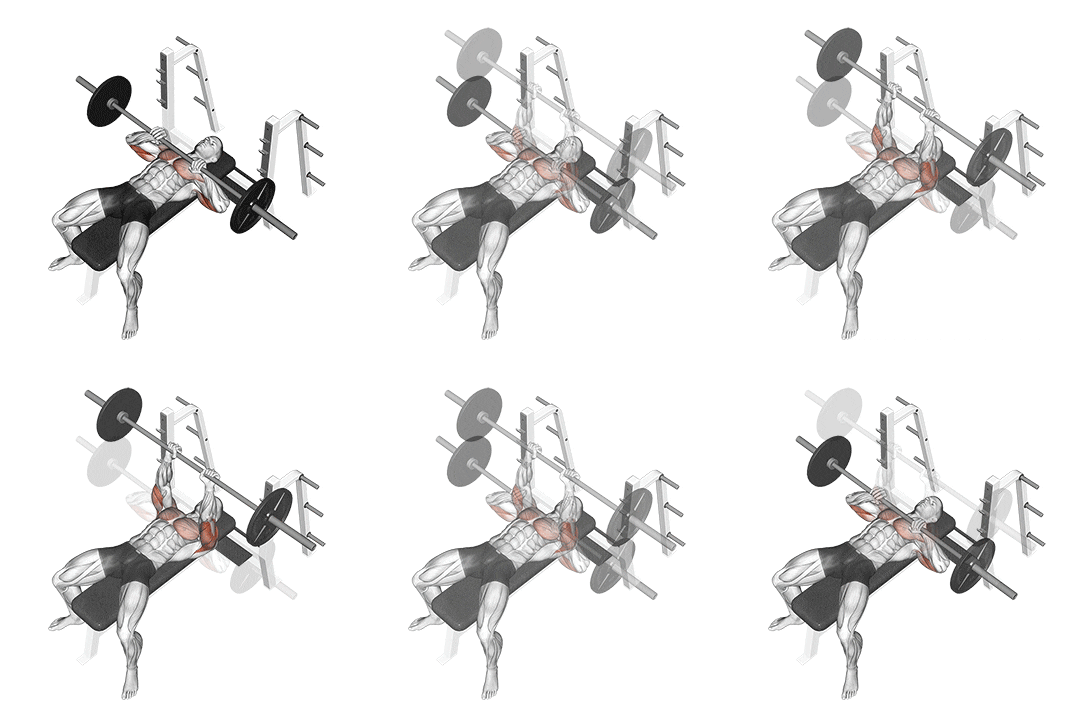
The barbell lying close-grip press is an exercise that primarily targets the triceps while also engaging the chest and shoulders. By using a narrower grip compared to a standard bench press, this exercise places more emphasis on the triceps muscles. It helps to build strength, size, and definition in the triceps, contributing to overall upper body development. ## Instructions 1. Lie flat on a bench with your feet flat on the ground and your head positioned at the end of the bench. 2. Grasp the barbell with a grip that is narrower than shoulder-width apart. Your hands should be positioned so that your palms are facing each other. 3. Lift the barbell and hold it above your chest with your arms fully extended. Your elbows should be slightly bent but not locked. 4. Lower the barbell in a controlled manner towards the middle of your chest, keeping your elbows close to your body. Maintain control and avoid bouncing the bar off your chest. 5. Pause briefly at the bottom position, feeling the stretch in your triceps. 6. Push the barbell back up to the starting position by extending your arms and fully contracting your triceps at the top of the movement. 7. Repeat for the desired number of repetitions. ## Variations - **Dumbbell Close-Grip Press:** Instead of using a barbell, hold a dumbbell in each hand and perform the same movement. This allows for greater range of motion and independent movement of each arm. - **Smith Machine Close-Grip Press:** Use a Smith machine instead of a free barbell. The guided motion of the Smith machine can provide additional stability, making it suitable for beginners or those with limited experience. - **Incline Close-Grip Press:** Perform the exercise on an incline bench to target the upper portion of the chest while still engaging the triceps. ## Muscles Worked - Triceps brachii (main focus) - Pectoralis major (chest) - Anterior deltoids (front shoulders) - Other supporting muscles in the shoulders, arms, and chest. ## Common Mistakes - Flaring the elbows out to the sides, which shifts the emphasis away from the triceps and can strain the shoulders. Keep your elbows close to your body throughout the movement. - Using excessive weight, compromising form and risking injury. Start with a weight that allows you to maintain proper control and range of motion. - Bouncing the bar off the chest or using momentum to push the weight up. Maintain a controlled tempo and focus on the muscles being targeted. - Arching the back or lifting the hips off the bench. Keep your back flat against the bench and maintain proper body alignment throughout the exercise. ## Safety Precautions - Start with a weight that allows you to maintain proper form and control. - If you have any shoulder or elbow issues, consult with a healthcare professional or a qualified trainer before attempting the exercise. - Use a spotter or trainer if you're new to this exercise or using heavy weights. - Avoid locking out your elbows at the top of the movement to prevent excessive strain on the joints. - If you experience any pain or discomfort during the exercise, stop immediately and seek guidance from a fitness professional.
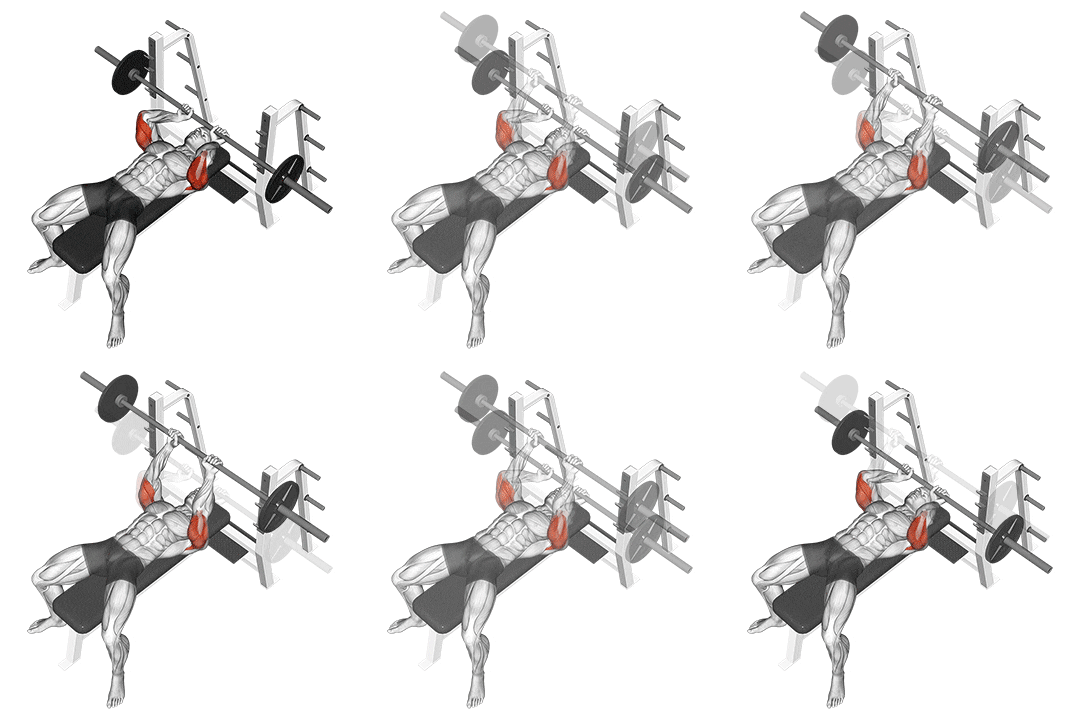
The barbell lying extension, also known as the barbell lying triceps extension or skull crusher, is an isolation exercise that primarily targets the triceps muscles. This exercise involves extending the elbows against resistance while lying on a bench, effectively isolating the triceps and promoting strength and development in this muscle group. ## Instructions 1. Start by lying flat on a bench with your feet flat on the ground and your head positioned at the end of the bench. 2. Hold a barbell with an overhand grip, slightly wider than shoulder-width apart. 3. Extend your arms straight up above your chest, with the barbell directly over your shoulders. 4. Slowly lower the barbell by bending your elbows, allowing the weight to lower towards your forehead or just above the forehead. 5. Keep your upper arms stationary and your elbows pointing upward throughout the movement. 6. Once you reach the bottom position, pause briefly and feel the stretch in your triceps. 7. Extend your arms and push the barbell back to the starting position by contracting your triceps. Fully extend your arms at the top of the movement. 8. Repeat for the desired number of repetitions. ## Variations - **EZ-Bar Lying Extension:** Use an EZ-bar instead of a straight barbell. The angled grip of the EZ-bar can be more comfortable for the wrists and elbows. - **Dumbbell Lying Extension:** Instead of using a barbell, hold a dumbbell in each hand and perform the same movement. This allows for greater range of motion and independent movement of each arm. - **Cable Lying Extension:** Attach a rope or straight bar to a cable machine and perform the lying extension movement. This variation provides continuous tension throughout the exercise. ## Muscles Worked - Triceps brachii (main focus) - Long head of the triceps - Lateral head of the triceps - Medial head of the triceps ## Common Mistakes - Allowing the elbows to flare out to the sides, which shifts the focus away from the triceps. Keep your elbows pointing upward and your upper arms stationary throughout the movement. - Using excessive weight, compromising form, and risking injury. Start with a manageable weight and gradually increase as your strength improves. - Lowering the bar too far beyond the forehead, which can strain the shoulder joint. Lower the bar until it is just above the forehead or at a comfortable distance. - Arching the back or lifting the hips off the bench. Maintain a stable and flat back throughout the exercise. ## Safety Precautions - Start with a weight that allows you to maintain proper form and control throughout the exercise. - If you have any shoulder or elbow issues, consult with a healthcare professional or a qualified trainer before attempting the exercise. - Use a spotter or trainer if you're new to this exercise or using heavy weights. - Avoid using excessive momentum or jerking motions to move the weight. Focus on controlled and smooth movements. - If you experience any pain or discomfort during the exercise, stop immediately and seek guidance from a fitness professional.
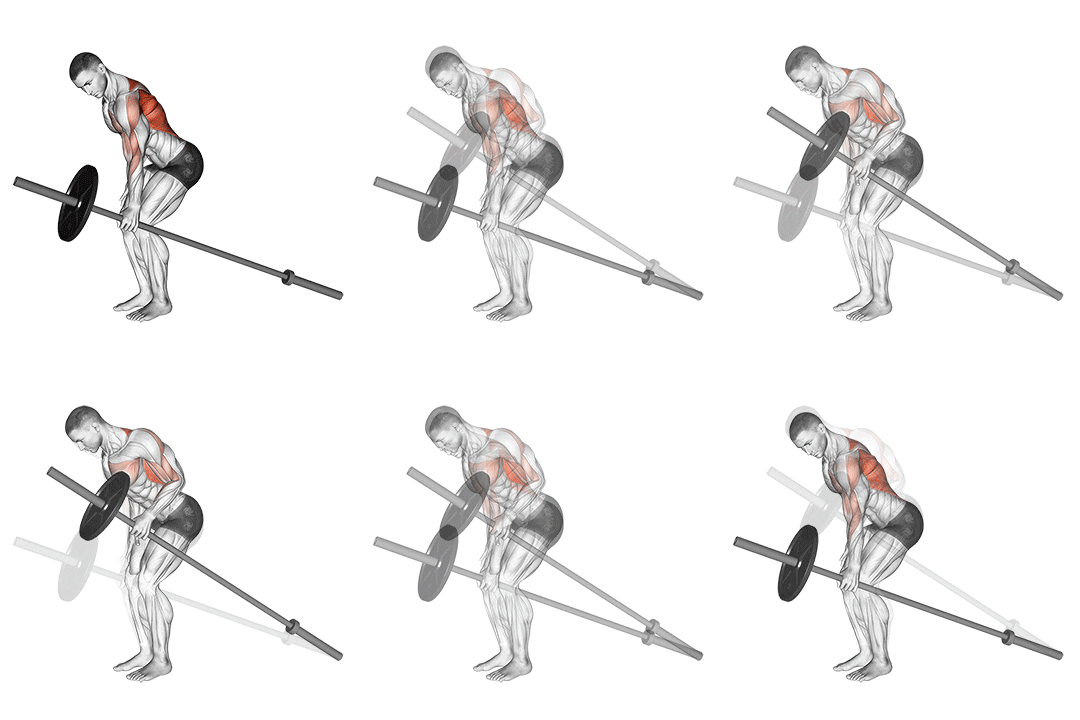
The barbell one-arm bent over row is a compound exercise that primarily targets the muscles of the back, including the latissimus dorsi, rhomboids, and trapezius. It also engages the biceps and forearms, making it an effective exercise for building upper body strength and improving posture. ## Instructions 1. Start by standing with your feet shoulder-width apart and a barbell placed in front of you. 2. Bend your knees slightly and hinge forward at the hips while keeping your back straight. Grab the barbell with an overhand grip using one hand, and position yourself with your torso parallel to the ground. Your free hand can rest on a bench or your thigh for support. 3. With your back flat, engage your core and pull the barbell towards your torso by retracting your shoulder blade. Keep your elbow close to your body and maintain a controlled movement throughout. 4. Once the barbell reaches your torso, pause for a moment and squeeze your back muscles. 5. Slowly lower the barbell back down to the starting position, fully extending your arm. 6. Repeat for the desired number of repetitions and then switch to the other arm. ## Variations - Dumbbell One Arm Bent Over Row: Instead of using a barbell, you can perform the exercise with a dumbbell in each hand. This allows for a greater range of motion and can help address muscular imbalances. - Seated One Arm Bent Over Row: Perform the exercise while seated on a bench or chair. This variation reduces the involvement of the lower body and places more emphasis on the back muscles. - Resistance Band One Arm Bent Over Row: Attach a resistance band to a stable anchor point and hold the other end in one hand. Perform the rowing motion against the resistance provided by the band. ## Muscles Worked - Latissimus dorsi (lats) - Rhomboids - Trapezius (middle and lower fibers) - Biceps brachii - Forearm muscles (brachioradialis, pronator teres) ## Common Mistakes - Rounding the back: Maintain a flat back throughout the exercise to avoid excessive strain on the spine. Focus on keeping the core engaged and the shoulder blades pulled back. - Using momentum: Avoid using momentum or swinging the weight up. Control the movement and focus on engaging the target muscles. - Lifting too heavy: Start with a weight that allows you to perform the exercise with proper form. Gradually increase the weight as you become stronger and more comfortable with the movement. ## Safety Precautions - Warm up before starting the exercise to prepare your muscles and joints. - If you have a history of back or shoulder injuries, consult with a healthcare professional before attempting this exercise. - Maintain proper form throughout the exercise to minimize the risk of injury. - If you experience any pain or discomfort, stop the exercise and seek medical advice.
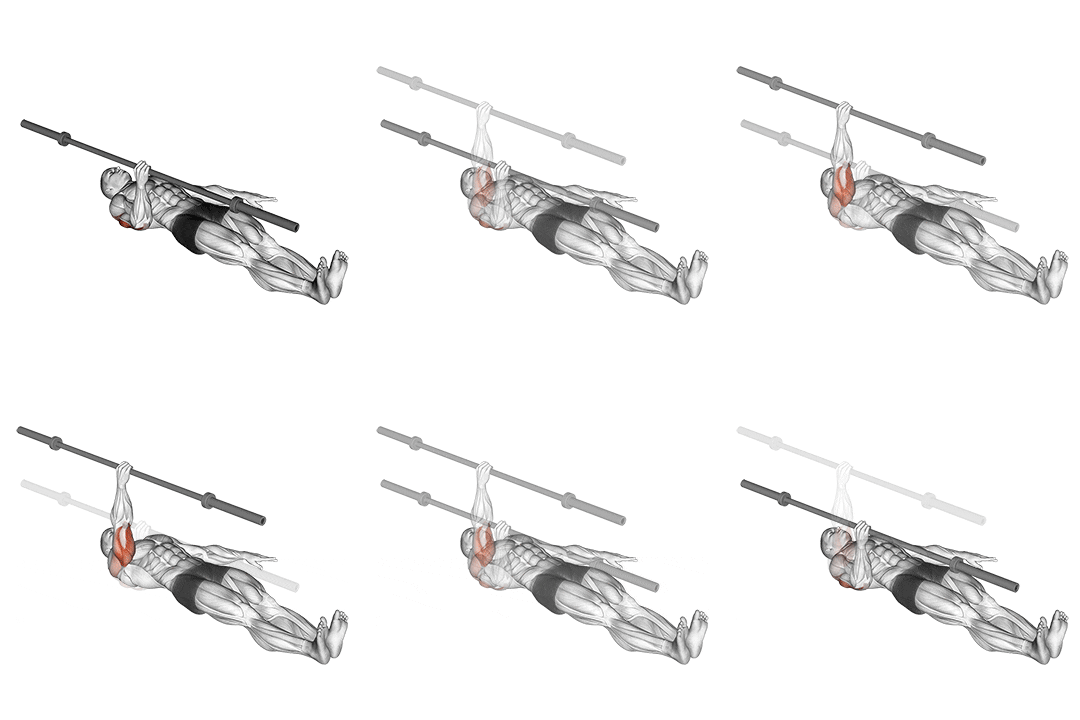
The barbell one-arm floor press is a strength training exercise that primarily targets the chest, triceps, and shoulders. It is performed lying on the floor, making it a great alternative to the traditional bench press when a bench is not available. This exercise helps develop upper body pressing strength and muscular balance. ## Instructions 1. Start by lying flat on your back on the floor. Bend your knees and place your feet flat on the ground. 2. Grasp a barbell with one hand using an overhand grip. The hand should be positioned directly above your shoulder, with your forearm perpendicular to the floor. 3. Keep your elbow tucked in and your upper arm in contact with the floor throughout the movement. 4. Take a deep breath, brace your core, and press the barbell upward by extending your arm. Keep your wrist straight and maintain control over the weight. 5. Once your arm is fully extended, pause for a moment, and then lower the barbell back down to the starting position. 6. Repeat for the desired number of repetitions and then switch to the other arm. ## Variations - Dumbbell One Arm Floor Press: Instead of using a barbell, you can perform the exercise with a dumbbell in each hand. This allows for more freedom of movement and can help address muscular imbalances. - Neutral Grip One Arm Floor Press: Instead of an overhand grip, use a neutral grip where your palms face each other. This variation can place less stress on the shoulders and is useful for individuals with shoulder issues. ## Muscles Worked - Pectoralis major (chest) - Triceps brachii - Anterior deltoids (front shoulder muscles) - Core muscles for stabilization ## Common Mistakes - Arching the back: Keep your lower back in contact with the floor throughout the exercise. Avoid excessive arching, which can strain the lower back. - Allowing the elbow to flare out: Keep your elbow close to your body throughout the movement. This helps target the triceps and prevents unnecessary stress on the shoulder joint. - Using excessive weight: Start with a weight that allows you to maintain proper form and control. Gradually increase the weight as your strength and technique improve. ## Safety Precautions - Ensure that the barbell is securely loaded and the weights are balanced. - Use a spotter or exercise in a rack with safety bars if you are working with heavy weights. - Maintain control over the weight throughout the exercise to prevent dropping or losing control of the barbell. - If you have any shoulder or elbow issues, consult with a healthcare professional before attempting this exercise. - Listen to your body and stop the exercise if you experience any pain or discomfort.
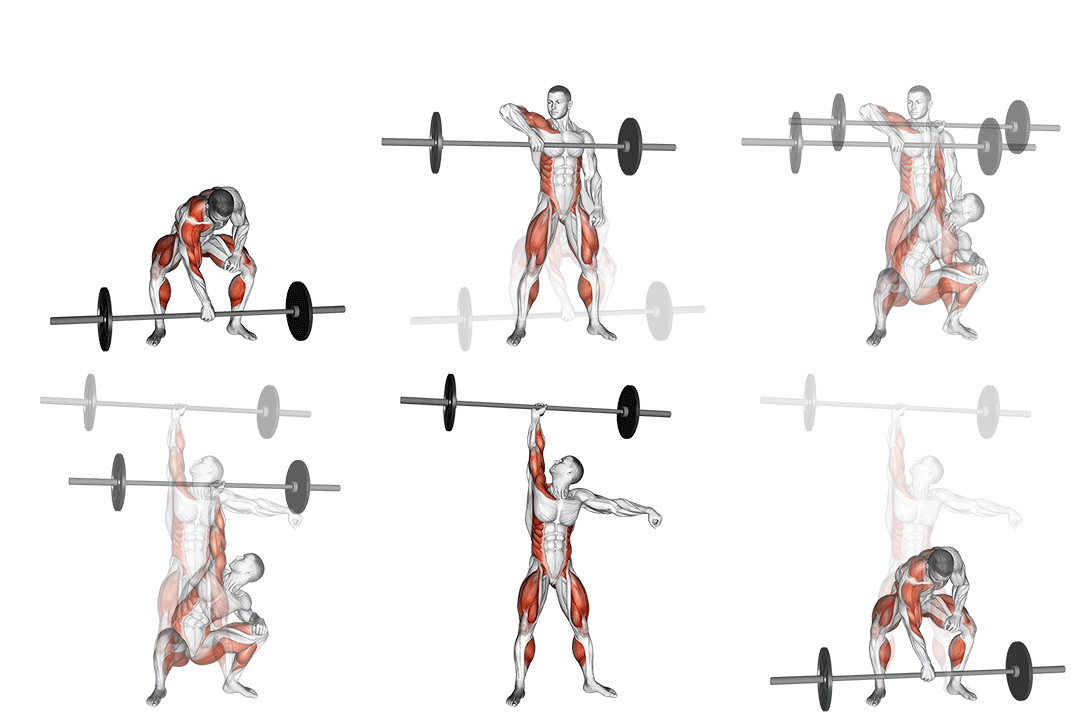
The barbell one-arm snatch is an explosive and dynamic exercise that targets multiple muscle groups, including the shoulders, back, hips, and legs. It combines strength, power, and coordination, making it an excellent exercise for overall athleticism and full-body development. ## Instructions 1. Start by standing with your feet shoulder-width apart and a barbell placed on the ground in front of you. 2. Squat down and grip the barbell with one hand using an overhand grip. Your hand should be slightly wider than shoulder-width apart. 3. Keep your back straight, chest up, and core engaged. Prepare to generate power from your lower body. 4. Begin the movement by driving through your legs and hips, simultaneously pulling the barbell upwards in a straight line. As the barbell reaches hip level, rapidly extend your hips and knees to generate upward momentum. 5. As the barbell continues to rise, use your shoulder and arm muscles to guide it overhead. Your elbow should bend, and your hand should rotate underneath the barbell, allowing it to rest on your forearm. 6. Once the barbell reaches its highest point, lock out your elbow and stand up straight, stabilizing the weight overhead. 7. Reverse the movement by lowering the barbell back down to the starting position in a controlled manner, keeping your core engaged and maintaining balance. 8. Repeat for the desired number of repetitions and then switch to the other arm. ## Variations - Dumbbell One Arm Snatch: If a barbell is not available, you can perform the exercise using a dumbbell in each hand. The movement pattern and technique remain the same. - Kettlebell One Arm Snatch: Substitute the barbell with a kettlebell, using the same technique. The kettlebell's unique shape adds an additional grip challenge and emphasizes shoulder and core stability. ## Muscles Worked - Deltoids (shoulders) - Trapezius - Latissimus dorsi - Rhomboids - Glutes - Quadriceps - Hamstrings - Core muscles for stabilization ## Common Mistakes - Rounded back: Maintain a neutral spine throughout the exercise to prevent excessive stress on the lower back. Focus on keeping your chest up and core engaged. - Poor hip and leg drive: The power for the snatch comes from the legs and hips. Ensure you generate force by forcefully extending your hips and legs to propel the barbell upwards. - Insufficient shoulder mobility: Adequate shoulder mobility is crucial for safely and effectively performing the snatch. Work on improving shoulder flexibility and mobility before attempting heavy snatches. ## Safety Precautions - Warm up thoroughly before attempting the barbell one-arm snatch to prepare your muscles and joints. - Start with lighter weights and gradually progress to heavier loads as you master the technique. - Use proper grip strength and ensure a secure grip on the barbell throughout the exercise. - Be cautious when lowering the weight to avoid hitting yourself or losing control. - If you're new to the exercise, seek guidance from a qualified fitness professional to ensure proper form and technique.
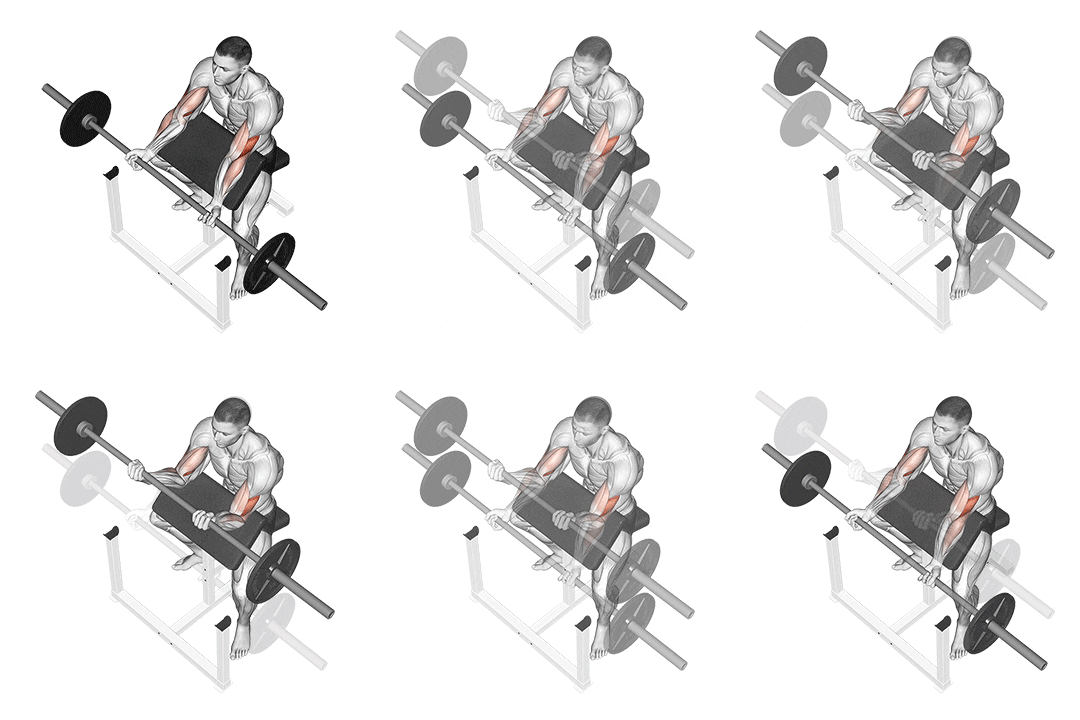
The barbell preacher curl is an isolation exercise that primarily targets the biceps brachii muscles, specifically the long head. This exercise involves curling a barbell while resting the upper arms on a preacher bench, which helps stabilize the upper body and isolate the biceps. ## Instructions 1. Set up a preacher bench by adjusting the seat height so that your armpits rest comfortably on the angled pad. 2. Position a barbell on the floor in front of the preacher bench. 3. Sit on the preacher bench and grab the barbell with an underhand grip, hands slightly wider than shoulder-width apart. 4. Rest your upper arms on the angled pad, allowing your elbows to fully extend. 5. Keep your back straight, shoulders relaxed, and feet flat on the floor. 6. Slowly curl the barbell upward by flexing your elbows, while keeping your upper arms stationary and maintaining control. 7. Continue curling until your biceps are fully contracted and the barbell is close to your shoulders. 8. Pause for a brief moment at the top of the movement, squeezing your biceps. 9. Lower the barbell back down to the starting position in a controlled manner, fully extending your elbows. 10. Repeat the movement for the desired number of repetitions. ## Variations - Dumbbell Preacher Curl: Instead of using a barbell, you can perform the exercise with dumbbells, holding one in each hand. - EZ-Bar Preacher Curl: Utilize an EZ-bar (a barbell with a zigzag or W-shaped grip) instead of a straight barbell for a slightly different grip and wrist angle. - Reverse Grip Preacher Curl: Perform the exercise with an overhand (pronated) grip on the barbell, targeting the brachialis muscle more intensely. ## Muscles Worked - Primary muscles: Biceps brachii (long head) - Secondary muscles: Brachialis, brachioradialis (forearm muscles) ## Common Mistakes - Using excessive momentum: Avoid swinging the barbell or using your body to generate momentum. Focus on controlled movements using the biceps. - Allowing the shoulders to shrug: Keep your shoulders relaxed and down throughout the exercise. Avoid shrugging them up toward your ears. - Arching the back: Maintain proper posture and avoid excessive arching of the lower back. Keep your core engaged and maintain a neutral spine. - Using too much weight: Start with a weight that allows you to maintain proper form and complete the full range of motion. Gradually increase the weight as you become stronger. ## Safety Precautions - Warm up adequately before performing the exercise to prepare the muscles. - Use a spotter or trainer for assistance, especially when lifting heavy weights. - Avoid locking your elbows at the bottom of the movement to prevent strain on the joint. - If you have any pre-existing shoulder or elbow injuries, consult with a healthcare professional before attempting this exercise. - Listen to your body and stop immediately if you experience sharp pain or discomfort.