
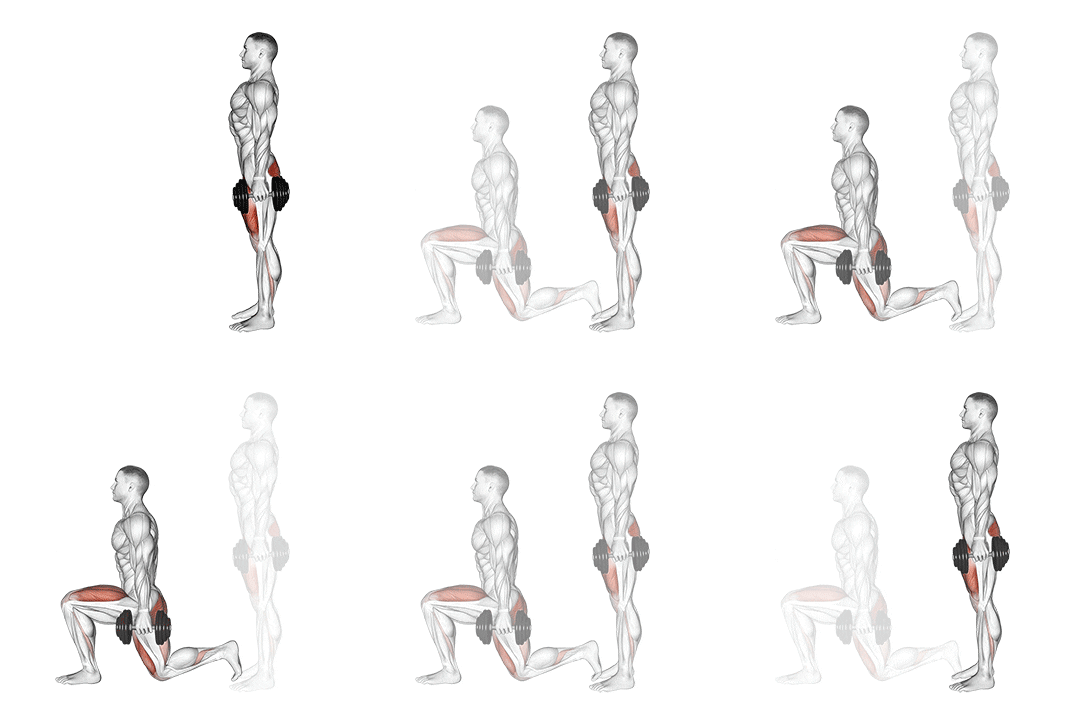
The dumbbell lunge is a compound exercise that targets the lower body, primarily the quadriceps, hamstrings, and glutes. It involves stepping forward into a lunge position while holding dumbbells, which adds resistance to the movement. Lunges are effective for building lower body strength, improving balance, and enhancing overall lower body muscular development. ## Instructions 1. Stand up straight with a dumbbell in each hand, arms fully extended by your sides, and palms facing your body. 2. Take a step forward with your right foot, ensuring that your stride is long enough to create a 90-degree angle in both knees when you lower down into the lunge position. Keep your torso upright and your gaze forward. 3. Lower your body by bending both knees simultaneously. Descend until your front thigh is parallel to the floor, and your back knee is hovering just above the ground. Maintain a straight line from your knee to your ankle, with your front knee positioned directly above your ankle. 4. Pause for a moment in the lunge position, then push through your front foot to extend your legs and return to the starting position. 5. Repeat the lunge on the opposite side by stepping forward with your left foot and following the same steps. 6. Continue alternating legs and performing lunges for the desired number of repetitions. ## Variations - **Stationary Lunges**: Instead of stepping forward into the lunge, perform the exercise by keeping one foot stationary and stepping backward with the opposite foot. - **Walking Lunges**: Instead of returning to the starting position after each lunge, maintain a forward momentum and take continuous steps, alternating legs, to perform walking lunges. - **Dumbbell Reverse Lunges**: Start by stepping backward into the lunge instead of stepping forward. This variation shifts the emphasis to slightly different muscles. ## Muscles Worked The main muscles worked during the dumbbell lunge are: - Quadriceps (front of the thighs) - Hamstrings (back of the thighs) - Glutes (buttocks) - Calves (gastrocnemius and soleus) - Core muscles for stability ## Common Mistakes - **Knee Overextension**: Avoid letting your front knee extend beyond your toes during the lunge. This can place excessive stress on the knee joint. Instead, focus on maintaining a proper alignment with your knee directly above your ankle. - **Collapsed Posture**: Keep your torso upright and avoid leaning too far forward or backward. Maintain a straight and aligned posture throughout the exercise. - **Incomplete Range of Motion**: Lower down into the lunge until your front thigh is parallel to the floor or slightly below. Going through a full range of motion ensures optimal muscle activation. ## Safety Precautions - Use appropriate dumbbell weights that allow you to maintain proper form and control throughout the exercise. Start with lighter weights if you are new to lunges and gradually increase the resistance as you gain strength and confidence. - Ensure you have enough space to perform lunges without any obstacles or hazards. - Engage your core muscles for stability and to support your lower back. - If you have any knee or joint issues, it is advisable to consult with a healthcare professional or a qualified trainer before attempting this exercise. - Pay attention to your body and avoid overexertion. If you experience any pain or discomfort, stop the exercise and seek guidance if needed.
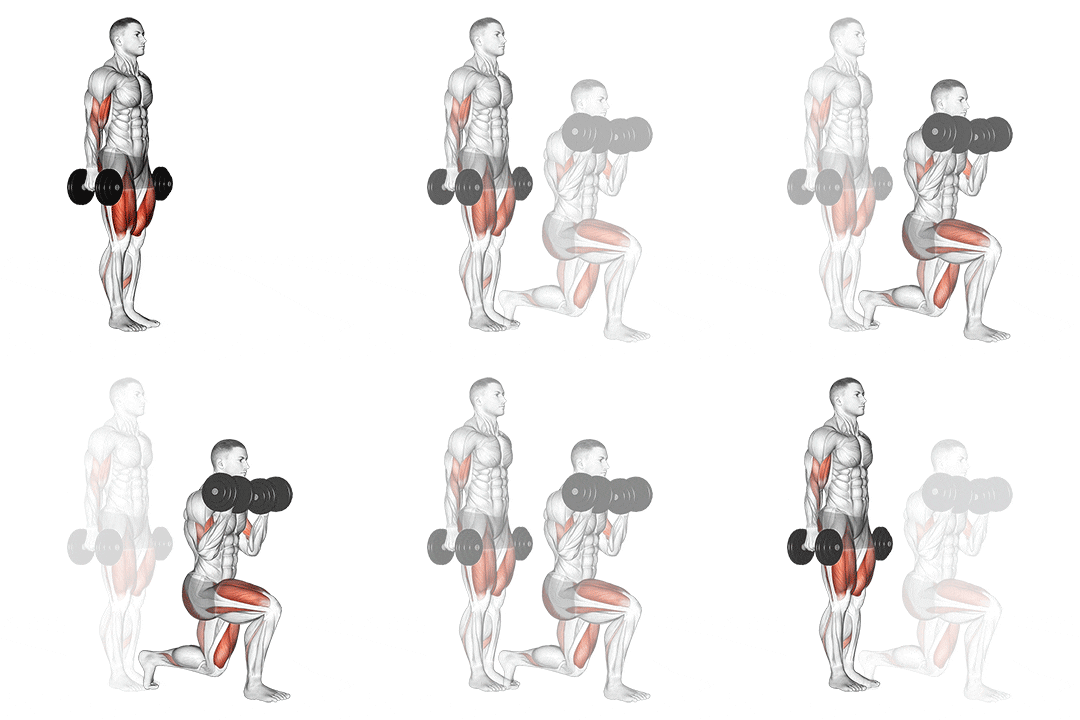
The dumbbell lunge with bicep curl is a compound exercise that combines a lunge movement with a bicep curl. It targets multiple muscle groups, including the lower body (quadriceps, hamstrings, glutes) and the biceps. This exercise not only strengthens the lower body but also adds an additional challenge to the biceps, providing a comprehensive workout for both upper and lower body muscle groups. ## Instructions 1. Stand up straight with a dumbbell in each hand, arms fully extended by your sides, and palms facing your body. 2. Take a step forward with your right foot, ensuring that your stride is long enough to create a 90-degree angle in both knees when you lower down into the lunge position. Keep your torso upright and your gaze forward. 3. As you lower down into the lunge, simultaneously perform a bicep curl by bending your elbows and curling the dumbbells toward your shoulders. Keep your upper arms stationary and focus on contracting your biceps. 4. Lower your body by bending both knees simultaneously. Descend until your front thigh is parallel to the floor, and your back knee is hovering just above the ground. Maintain a straight line from your knee to your ankle, with your front knee positioned directly above your ankle. 5. Pause for a moment in the lunge position, feeling the stretch in your quadriceps and the contraction in your biceps. 6. Push through your front foot and extend your legs, simultaneously lowering the dumbbells back down to the starting position. 7. Repeat the lunge on the opposite side by stepping forward with your left foot and performing the bicep curl. 8. Continue alternating legs and performing lunges with bicep curls for the desired number of repetitions. ## Variations - **Alternating Bicep Curls**: Instead of performing the bicep curl simultaneously with the lunge, alternate arms for the curl. Step forward with your right foot and curl the left arm, then step forward with your left foot and curl the right arm. This variation allows you to focus on each arm individually. - **Dumbbell Reverse Lunge with Bicep Curl**: Start by stepping backward into the lunge instead of stepping forward. Perform the bicep curl as you lower down into the reverse lunge. ## Muscles Worked The main muscles worked during the dumbbell lunge with bicep curl are: - Quadriceps (front of the thighs) - Hamstrings (back of the thighs) - Glutes (buttocks) - Biceps (front of the upper arms) - Calves (gastrocnemius and soleus) - Core muscles for stability ## Common Mistakes - **Using Excessive Weight**: Choose dumbbells that allow you to maintain proper form and control throughout the exercise. Using weights that are too heavy can compromise your technique and increase the risk of injury. - **Lunging Too Far Forward**: Avoid overstriding during the lunge. Keep the front knee aligned with the ankle and avoid letting it extend beyond the toes. This helps maintain proper alignment and reduces stress on the knee joint. - **Swinging the Dumbbells**: Focus on controlling the movement and avoid swinging the dumbbells during the bicep curl. Keep your upper arms stationary and engage your biceps to perform the curl. ## Safety Precautions - Choose dumbbells that are appropriate for your strength and fitness level. Start with lighter weights if you are new to the exercise and gradually increase the resistance as you gain strength and confidence. - Engage your core muscles for stability and to support your lower back throughout the exercise. -
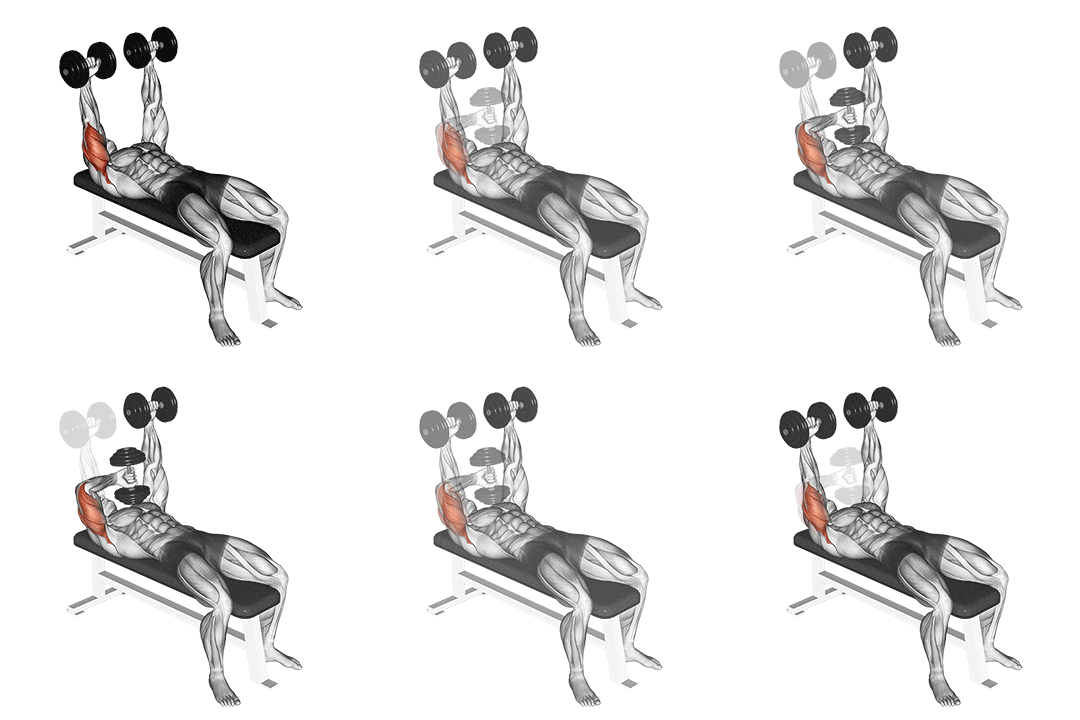
The dumbbell lying extension, also known as the dumbbell lying triceps extension across the face, is an isolation exercise that primarily targets the triceps muscles. It involves lying on a flat bench and extending the dumbbell from an overhead position down towards the face, effectively working the back of the upper arms. This exercise helps to strengthen and tone the triceps, improving arm strength and definition. ## Instructions 1. Start by lying on a flat bench with your feet flat on the floor. Hold a dumbbell with both hands and extend your arms straight above your chest, palms facing each other. This is the starting position. 2. Keeping your upper arms stationary, slowly lower the dumbbell in a semicircular motion towards your forehead, allowing your elbows to bend. Keep your upper arms close to your head throughout the movement. 3. Lower the dumbbell until your forearms are parallel to the floor or slightly below. Feel the stretch in your triceps. 4. Pause briefly at the bottom of the movement, then extend your arms back to the starting position by contracting your triceps. 5. Repeat the movement for the desired number of repetitions. ## Variations - **Single Arm Dumbbell Lying Extension**: Perform the exercise with one arm at a time instead of both arms simultaneously. This allows you to focus on each arm individually and can help address any strength imbalances. - **EZ Bar Lying Extension**: Instead of using dumbbells, you can use an EZ bar for this exercise. The EZ bar has a curved shape that can be more comfortable for some individuals and provide a different grip variation. ## Muscles Worked The main muscles targeted during the dumbbell lying extension are: - Triceps brachii (long head, lateral head, and medial head) - Anconeus (a small muscle in the back of the elbow) ## Common Mistakes - **Allowing Elbows to Flare Out**: Keep your elbows close to your head throughout the movement. Avoid allowing your elbows to flare out to the sides, as this reduces the engagement of the triceps muscles. - **Using Excessive Weight**: Choose a weight that allows you to maintain proper form and control throughout the exercise. Using weights that are too heavy can lead to improper technique and increase the risk of injury. - **Lowering the Dumbbell Too Far**: Lower the dumbbell until your forearms are parallel to the floor or slightly below. Avoid lowering it too far, as this can place excessive stress on the shoulder joints. ## Safety Precautions - Start with a lighter weight to ensure proper form and technique. Gradually increase the weight as your strength and comfort level improve. - Use a spotter if you are working with heavy weights to ensure safety and assistance if needed. - Ensure that the bench is stable and secure before performing the exercise. - Keep your core engaged and maintain a neutral spine throughout the movement. - If you have any shoulder or elbow issues, it is advisable to consult with a healthcare professional or a qualified trainer before attempting this exercise. - If you experience any pain or discomfort during the exercise, stop immediately and consult with a professional.
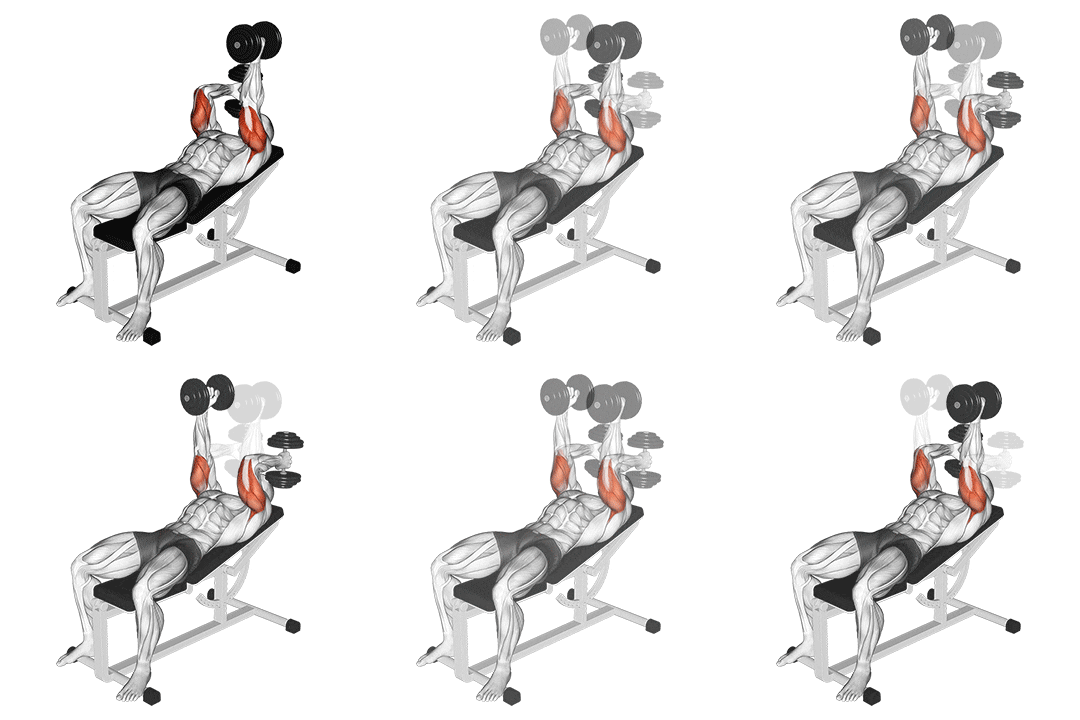
The dumbbell lying alternate extension is an isolation exercise that targets the triceps muscles. It involves lying on a flat bench and performing triceps extensions with one arm at a time. This exercise helps to strengthen and tone the triceps, improving arm strength and definition. ## Instructions 1. Start by lying on a flat bench with your feet flat on the floor. Hold a dumbbell in one hand and extend your arm straight above your chest, palm facing inwards. This is the starting position. 2. Keeping your upper arm stationary, slowly lower the dumbbell in a semicircular motion towards your forehead, allowing your elbow to bend. Keep your upper arm close to your head throughout the movement. 3. Lower the dumbbell until your forearm is parallel to the floor or slightly below. Feel the stretch in your triceps. 4. Pause briefly at the bottom of the movement, then extend your arm back to the starting position by contracting your triceps. 5. Repeat the movement with the opposite arm, alternating between arms for the desired number of repetitions. ## Variations - **Dumbbell Lying Extension**: Instead of alternating arms, you can perform the exercise with both arms simultaneously as described in the previous instruction set. - **EZ Bar Lying Extension**: Instead of using dumbbells, you can use an EZ bar for this exercise. The EZ bar has a curved shape that can be more comfortable for some individuals and provide a different grip variation. ## Muscles Worked The main muscles targeted during the dumbbell lying alternate extension are: - Triceps brachii (long head, lateral head, and medial head) - Anconeus (a small muscle in the back of the elbow) ## Common Mistakes - **Using Excessive Weight**: Choose a weight that allows you to maintain proper form and control throughout the exercise. Using weights that are too heavy can lead to improper technique and increase the risk of injury. - **Allowing Elbow to Flare Out**: Keep your elbow close to your head throughout the movement. Avoid allowing your elbow to flare out to the side, as this reduces the engagement of the triceps muscles. - **Lowering the Dumbbell Too Far**: Lower the dumbbell until your forearm is parallel to the floor or slightly below. Avoid lowering it too far, as this can place excessive stress on the shoulder joint. ## Safety Precautions - Start with a lighter weight to ensure proper form and technique. Gradually increase the weight as your strength and comfort level improve. - Use a spotter if you are working with heavy weights to ensure safety and assistance if needed. - Ensure that the bench is stable and secure before performing the exercise. - Keep your core engaged and maintain a neutral spine throughout the movement. - If you have any shoulder or elbow issues, it is advisable to consult with a healthcare professional or a qualified trainer before attempting this exercise. - If you experience any pain or discomfort during the exercise, stop immediately and consult with a professional.
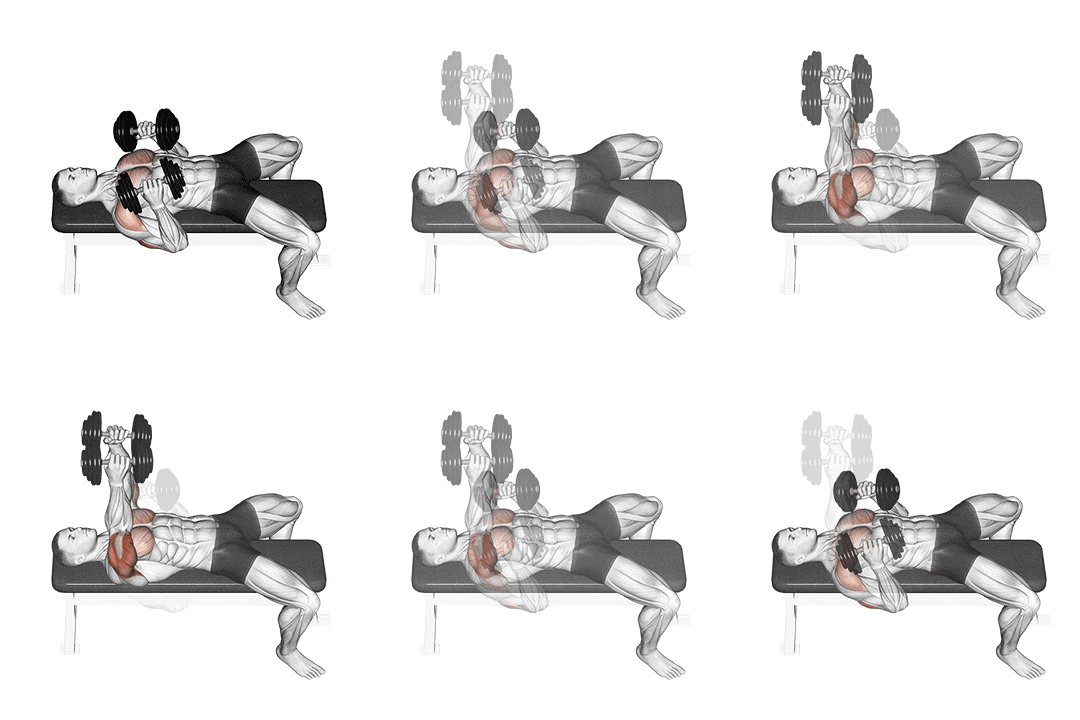
The dumbbell lying elbow press is an exercise that targets the triceps muscles. It involves lying on a flat bench and performing a pressing motion with the dumbbells, focusing on the extension of the elbows. This exercise helps to strengthen and tone the triceps, promoting upper arm strength and definition. ## Instructions 1. Start by lying on a flat bench with your feet flat on the floor. Hold a dumbbell in each hand, palms facing forward, and extend your arms straight above your chest. This is the starting position. 2. Slowly lower the dumbbells towards the sides of your head, bending your elbows and keeping them close to your body. 3. Pause briefly when your elbows reach approximately 90 degrees. 4. Push the dumbbells back up to the starting position by extending your elbows and fully straightening your arms. 5. Repeat the movement for the desired number of repetitions. ## Variations - **Neutral Grip Dumbbell Lying Elbow Press**: Instead of a palms-forward grip, you can use a neutral grip where the palms face each other. This can be more comfortable for some individuals or provide a different stimulus for the triceps. - **Single Arm Dumbbell Lying Elbow Press**: Perform the exercise with one arm at a time, focusing on each side individually. This can help address any strength imbalances and provide a different challenge. ## Muscles Worked The main muscles targeted during the dumbbell lying elbow press are: - Triceps brachii (long head, lateral head, and medial head) - Anconeus (a small muscle in the back of the elbow) - Anterior deltoids (front of the shoulders) to a lesser extent ## Common Mistakes - **Using Excessive Weight**: Choose a weight that allows you to maintain proper form and control throughout the exercise. Using weights that are too heavy can lead to improper technique and increase the risk of injury. - **Allowing Elbows to Flare Out**: Keep your elbows close to your body throughout the movement. Avoid allowing your elbows to flare out to the sides, as this reduces the engagement of the triceps muscles. - **Lifting Hips or Arching the Back**: Maintain a stable position throughout the exercise by keeping your hips on the bench and avoiding excessive arching of the back. ## Safety Precautions - Start with a lighter weight to ensure proper form and technique. Gradually increase the weight as your strength and comfort level improve. - Use a spotter if you are working with heavy weights to ensure safety and assistance if needed. - Ensure that the bench is stable and secure before performing the exercise. - Keep your core engaged and maintain a neutral spine throughout the movement. - If you have any shoulder or elbow issues, it is advisable to consult with a healthcare professional or a qualified trainer before attempting this exercise. - If you experience any pain or discomfort during the exercise, stop immediately and consult with a professional.
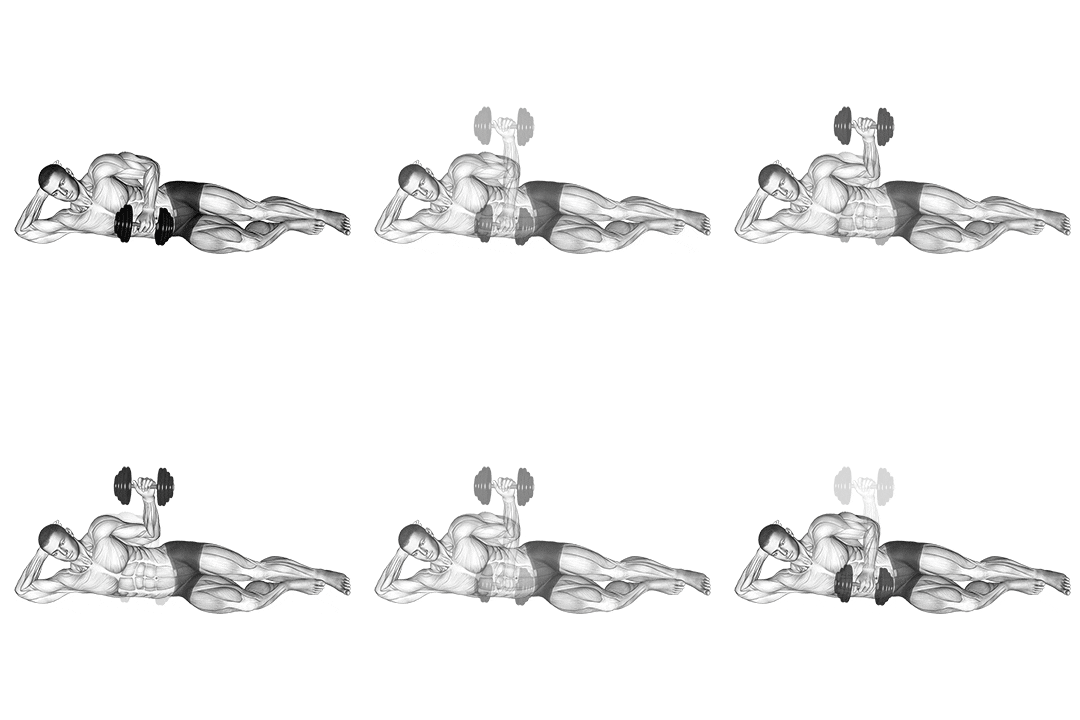
The dumbbell lying external shoulder rotation is an exercise that primarily targets the muscles of the rotator cuff, specifically the external rotators of the shoulder. It is an isolation exercise that helps strengthen and stabilize the shoulder joint, improving overall shoulder function and reducing the risk of injury. ## Instructions 1. Lie down on a flat bench with your face down. 2. Hold a dumbbell in your left hand with an overhand grip (palm facing down). 3. Position your left upper arm parallel to the floor, bent at a 90-degree angle, and perpendicular to your torso. Your forearm should hang straight down towards the floor. 4. Keep your elbow close to your side throughout the exercise. 5. Slowly rotate your forearm outward, away from your body, while keeping your upper arm stationary. 6. Continue the rotation until your forearm is perpendicular to the floor or until you feel a stretch in your shoulder. 7. Pause for a moment, then slowly return to the starting position. 8. Repeat for the desired number of repetitions and then switch to the right side. ## Variations - **Resistance Band Variation:** If you don't have dumbbells, you can use a resistance band instead. Attach one end of the band to a stable object and hold the other end with your hand. Follow the same instructions as above. - **Seated Variation:** Instead of lying down on a bench, you can perform this exercise in a seated position. Sit on a chair or bench with your feet flat on the floor and follow the same instructions as above. ## Muscles Worked - External rotators of the shoulder (infraspinatus, teres minor) - Rotator cuff muscles ## Common Mistakes - **Using excessive weight:** It's important to start with a weight that allows you to maintain proper form and control throughout the movement. Using too much weight can lead to improper technique and potential injury. - **Lifting the upper arm:** Keep your upper arm stationary and perpendicular to your torso throughout the exercise. Avoid lifting your upper arm or allowing it to move away from the bench. - **Rushing the movement:** Perform the exercise in a slow and controlled manner. Avoid using momentum or jerking motions to rotate the forearm. - **Neglecting proper breathing:** Breathe out as you rotate your forearm outward and breathe in as you return to the starting position. Maintain a steady and controlled breathing pattern. ## Safety Precautions - If you have a history of shoulder or rotator cuff injuries, it is recommended to consult with a healthcare professional or a qualified fitness trainer before attempting this exercise. - Start with lighter weights and gradually increase the resistance as your strength and technique improve. - Avoid excessive range of motion or going beyond a point where you feel discomfort or pain in the shoulder joint. - If you experience any pain or discomfort during the exercise, stop immediately and seek medical advice if needed.
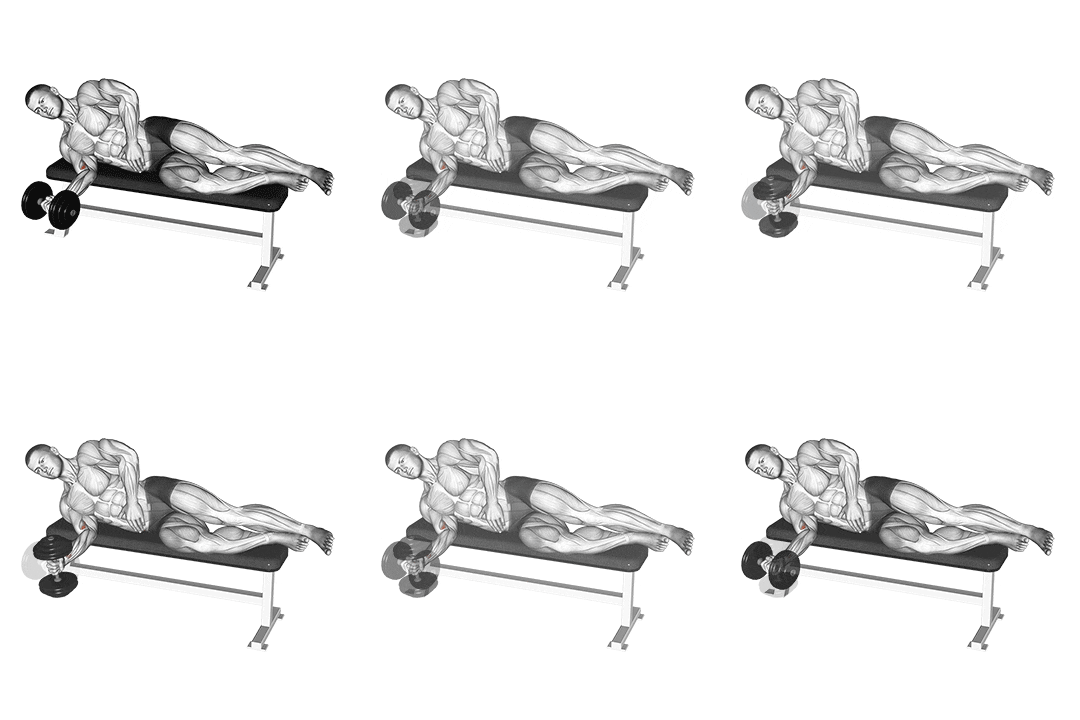
The dumbbell lying pronation exercise is a strength training exercise that primarily targets the muscles of the upper back, particularly the rhomboids and rear deltoids. It also engages the muscles of the shoulders, arms, and core. This exercise helps improve posture, upper body strength, and shoulder stability. ## Instructions 1. Start by lying face down on a flat exercise bench. Hold a dumbbell in each hand, palms facing down (pronated grip). 2. Extend your arms straight out in front of you, keeping them shoulder-width apart. Your elbows should have a slight bend. 3. Engage your core and squeeze your shoulder blades together to retract them. 4. Keeping your arms straight, raise the dumbbells out to the sides until your upper arms are parallel to the floor. Keep your palms facing down throughout the movement. 5. Pause for a moment at the top of the movement, focusing on squeezing your shoulder blades together. 6. Slowly lower the dumbbells back to the starting position with control. ## Variations - If you're new to this exercise, you can start with lighter dumbbells or even perform the exercise without weights until you feel comfortable and confident with the movement. - As you progress, you can increase the weight of the dumbbells to add more resistance and challenge your muscles further. - An alternative variation is to perform the exercise on an incline bench, which can increase the range of motion and target the muscles from a slightly different angle. ## Muscles Worked - Rhomboids (major and minor) - Rear deltoids (posterior deltoids) - Trapezius (middle and lower fibers) - Latissimus dorsi - Posterior shoulder muscles ## Common Mistakes - Arching the lower back: Maintain a neutral spine throughout the exercise and avoid excessive arching of the lower back. Engage your core to stabilize the spine. - Shrugging the shoulders: Keep your shoulders relaxed and down away from your ears. Focus on squeezing the shoulder blades together instead. - Using excessive weight: Start with a weight that allows you to maintain proper form and control throughout the exercise. Using too much weight can compromise your technique and increase the risk of injury. ## Safety Precautions - Warm up your muscles before performing this exercise to reduce the risk of injury. - If you have any shoulder or back issues, consult with a qualified fitness professional or healthcare provider before attempting this exercise. - Maintain a controlled and smooth motion throughout the exercise to avoid jerking or swinging the weights, which can strain the muscles or joints. - If you experience any pain or discomfort during the exercise, stop immediately and seek professional advice.
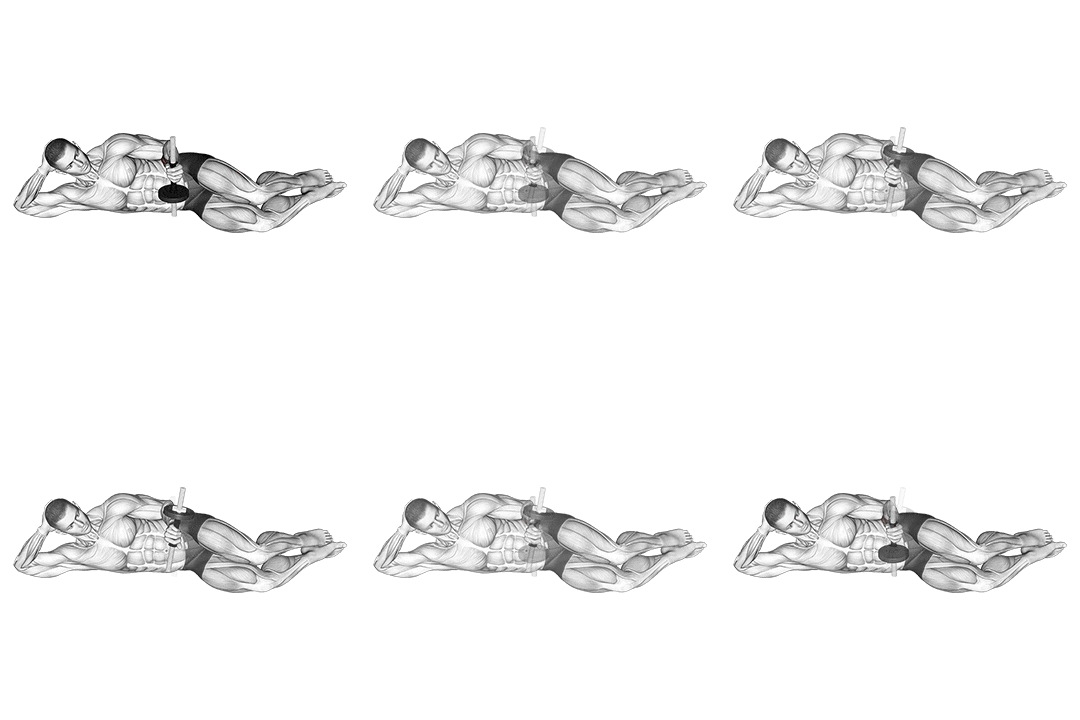
The dumbbell lying pronation on the floor is a variation of the dumbbell lying pronation exercise. It is a strength training exercise that targets the muscles of the upper back, specifically the rhomboids and rear deltoids. This exercise also engages the muscles of the shoulders, arms, and core. It helps improve posture, upper body strength, and shoulder stability. ## Instructions 1. Start by lying face down on the floor with your legs extended and feet together. 2. Hold a dumbbell in each hand, palms facing down (pronated grip). 3. Extend your arms straight out in front of you, keeping them shoulder-width apart. Your elbows should have a slight bend. 4. Engage your core and squeeze your shoulder blades together to retract them. 5. Keeping your arms straight, raise the dumbbells out to the sides until your upper arms are parallel to the floor. Keep your palms facing down throughout the movement. 6. Pause for a moment at the top of the movement, focusing on squeezing your shoulder blades together. 7. Slowly lower the dumbbells back to the starting position with control. ## Variations - If you find it challenging to maintain proper form while lying on the floor, you can perform this exercise on an exercise mat or yoga mat to provide some cushioning and support. - For beginners or individuals with limited shoulder mobility, you can start with lighter dumbbells or even perform the exercise without weights until you feel comfortable and confident with the movement. - As you progress, you can increase the weight of the dumbbells to add more resistance and challenge your muscles further. ## Muscles Worked - Rhomboids (major and minor) - Rear deltoids (posterior deltoids) - Trapezius (middle and lower fibers) - Latissimus dorsi - Posterior shoulder muscles ## Common Mistakes - Arching the lower back: Maintain a neutral spine throughout the exercise and avoid excessive arching of the lower back. Engage your core to stabilize the spine. - Shrugging the shoulders: Keep your shoulders relaxed and down away from your ears. Focus on squeezing the shoulder blades together instead. - Using excessive weight: Start with a weight that allows you to maintain proper form and control throughout the exercise. Using too much weight can compromise your technique and increase the risk of injury. ## Safety Precautions - Warm up your muscles before performing this exercise to reduce the risk of injury. - If you have any shoulder or back issues, consult with a qualified fitness professional or healthcare provider before attempting this exercise. - Maintain a controlled and smooth motion throughout the exercise to avoid jerking or swinging the weights, which can strain the muscles or joints. - If you experience any pain or discomfort during the exercise, stop immediately and seek professional advice.
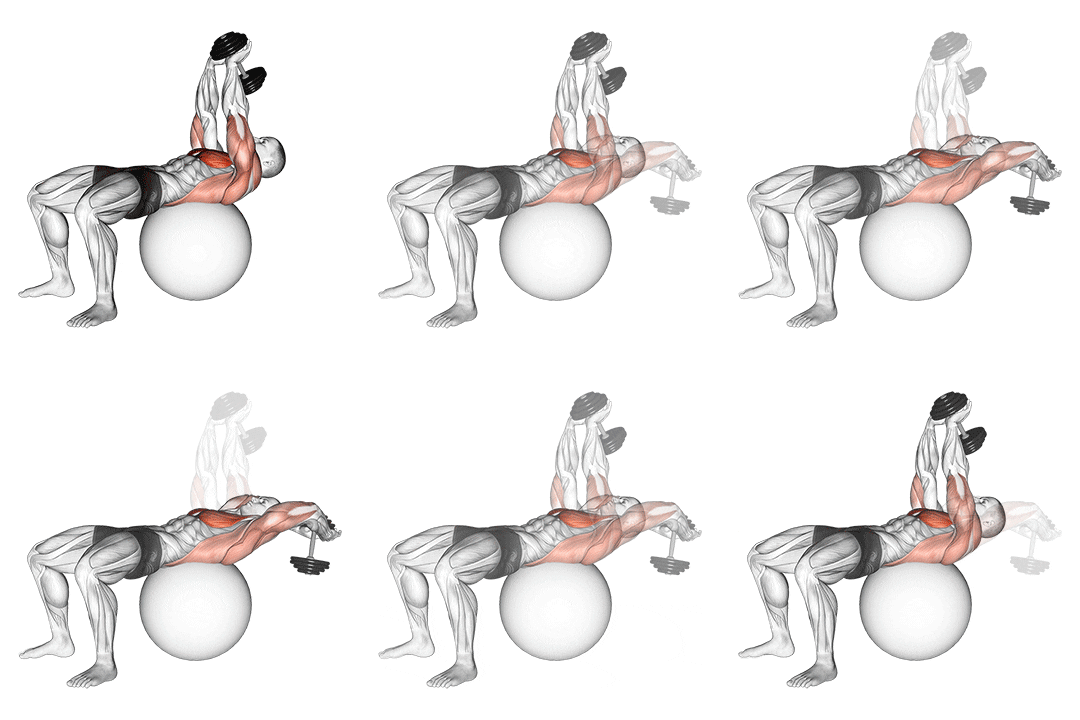
The dumbbell lying pullover on an exercise ball is a compound exercise that primarily targets the muscles of the upper body, including the latissimus dorsi, pectoralis major, and triceps. This exercise also engages the muscles of the core, particularly the abdominals and lower back. It helps improve upper body strength, shoulder mobility, and stability. ## Instructions 1. Place an exercise ball on the floor and sit on it with your feet planted firmly on the ground. 2. Slowly roll your body down on the exercise ball until your head, neck, and upper back are supported on the ball. Your hips should be lifted, creating a bridge position. 3. Hold a dumbbell with both hands, extending it overhead. Your palms should be facing upward (supinated grip). 4. Keeping your arms straight, slowly lower the dumbbell behind your head, allowing your elbows to bend slightly. 5. Once you feel a stretch in your chest and shoulders, engage your back muscles to pull the dumbbell back up to the starting position. 6. Repeat for the desired number of repetitions. ## Variations - If you find it challenging to maintain balance on the exercise ball, you can perform this exercise on a flat bench instead. - For beginners or individuals with limited shoulder mobility, you can start with lighter dumbbells or even perform the exercise without weights until you feel comfortable and confident with the movement. - You can also perform the exercise with one dumbbell, holding it with both hands in a vertical position. ## Muscles Worked - Latissimus dorsi - Pectoralis major - Triceps brachii - Rhomboids - Posterior deltoids - Core muscles (abdominals, lower back) ## Common Mistakes - Arching the lower back: Maintain a stable bridge position throughout the exercise and avoid excessive arching of the lower back. Engage your core muscles to stabilize your spine. - Using excessive weight: Start with a weight that allows you to maintain proper form and control. Using too much weight can strain your shoulders and compromise your technique. - Allowing the elbows to flare out: Keep your elbows slightly bent and pointing toward your body throughout the movement. Avoid letting them flare out to the sides, which can place stress on the shoulders. ## Safety Precautions - Use a properly sized exercise ball that allows your body to be supported comfortably. - Ensure that the exercise ball is stable and not overly inflated. It should be able to support your body weight without excessive bouncing or rolling. - Maintain a controlled and smooth motion throughout the exercise. Avoid using momentum to lift the weight, as this can strain your shoulders and compromise your form. - If you experience any pain or discomfort during the exercise, stop immediately and seek professional advice.