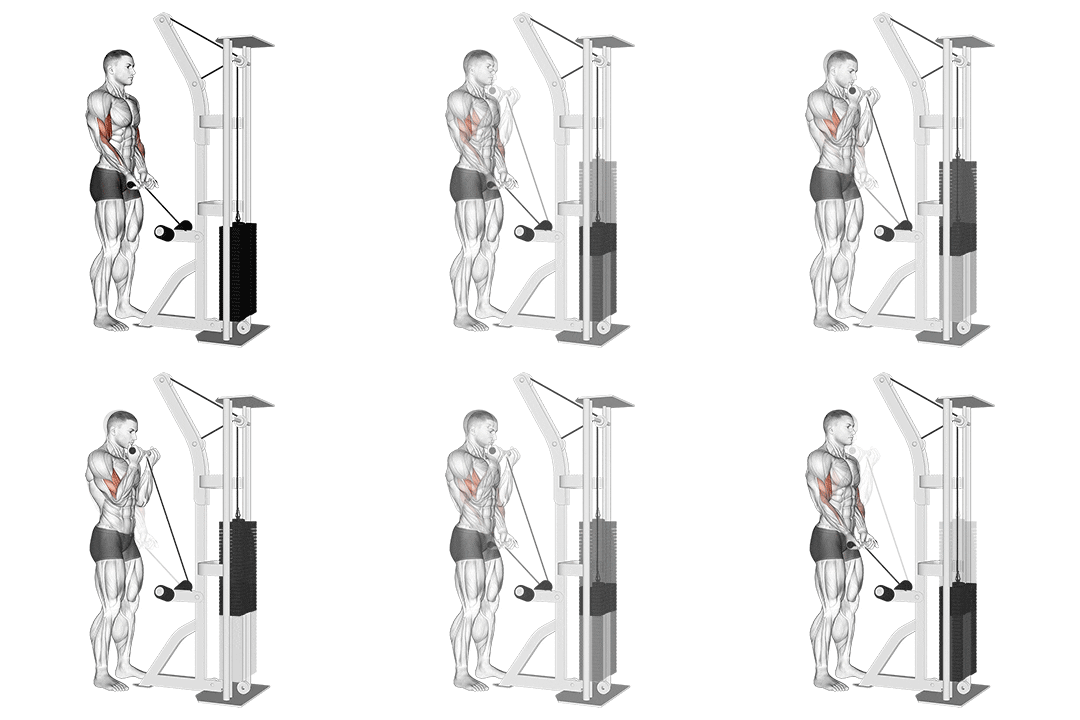
The cable close grip curl is an exercise that targets the biceps brachii muscles, which are located at the front of the upper arm. This exercise involves using a cable machine and a close grip attachment to perform a curling motion, effectively targeting and strengthening the biceps. ##Instructions 1. Start by setting up a cable machine with a low pulley attachment. Attach a close grip handle or a straight bar to the cable. 2. Stand facing the cable machine, feet shoulder-width apart, and knees slightly bent for stability. 3. Grasp the close grip handle or the straight bar with an underhand grip, hands positioned close together. 4. Keep your upper arms close to your sides and your elbows slightly bent. This is your starting position. 5. While keeping your upper arms stationary, exhale and curl the handle or bar upward by contracting your biceps. 6. Continue the upward movement until your forearms are fully flexed and the handle or bar is close to your shoulders. 7. Pause for a moment, squeezing your biceps at the top of the movement. 8. Inhale and slowly lower the handle or bar back to the starting position, maintaining control throughout the motion. 9. Repeat the exercise for the desired number of repetitions. ##Variations - Single-arm cable close grip curl: Perform the exercise with one arm at a time using a single handle attachment. This variation helps to correct muscle imbalances and allows for greater focus on each arm individually. - Rope attachment: Use a rope attachment instead of a straight bar or handle. This allows for a different grip and can engage the muscles in a slightly different way. ##Muscles Worked The cable close grip curl primarily targets the biceps brachii muscles, specifically the short head of the biceps. It also engages the brachialis muscle, which is located underneath the biceps and contributes to arm flexion. ##Common Mistakes - Using momentum: Avoid swinging or using momentum to lift the weight. Maintain controlled movements throughout the exercise, focusing on the contraction of the biceps. - Raising the elbows: Keep your upper arms stationary and avoid lifting your elbows during the curl. This ensures that the biceps are doing the work rather than the shoulders or other muscles. - Not fully extending the arms: Make sure to fully extend your arms at the bottom of the movement. This allows for a full range of motion and ensures proper muscle activation. ##Safety Precautions - Start with a lighter weight and gradually increase the resistance as your strength improves. - Keep your core engaged and maintain a stable stance throughout the exercise. - Avoid hyperextending the elbows at the top of the movement to prevent excess stress on the joints. - If you have any pre-existing conditions or injuries, consult with a healthcare professional or fitness trainer before attempting this exercise.
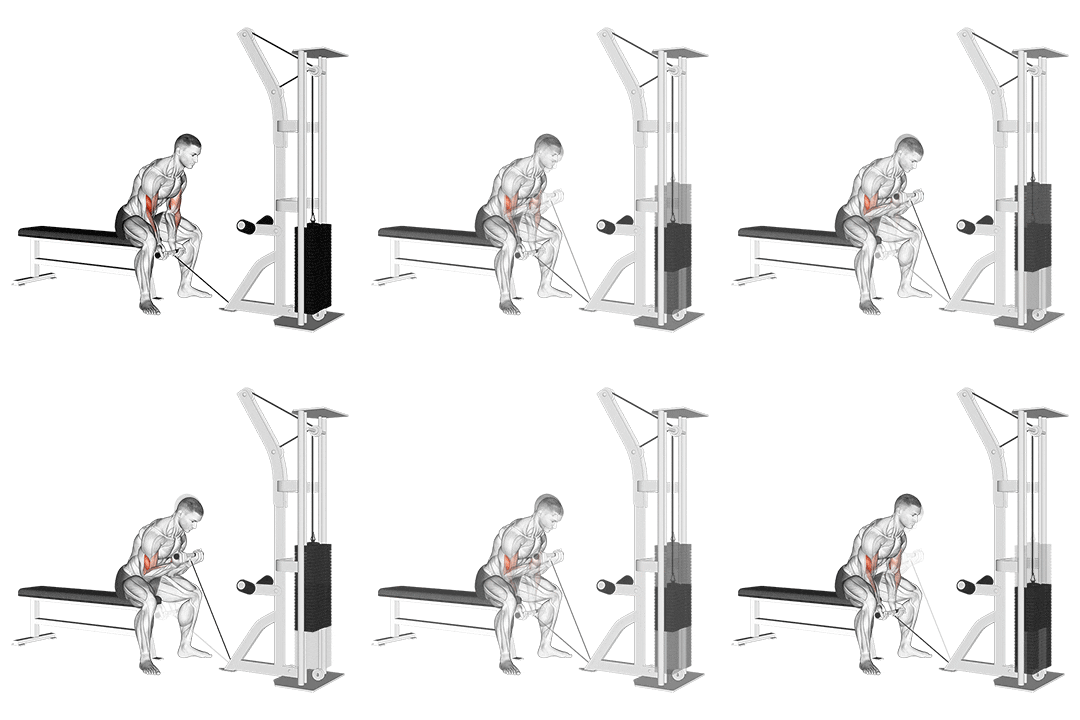
The cable concentration curl is an exercise that primarily targets the biceps brachii muscles, which are located at the front of the upper arm. This exercise involves using a cable machine and a handle attachment to perform a curling motion while sitting on a bench. It is an effective exercise for isolating and strengthening the biceps. ##Instructions 1. Start by setting up a cable machine with a low pulley attachment. Attach a handle to the cable. 2. Sit on a bench positioned close to the cable machine with your feet flat on the floor. 3. Grasp the handle with an underhand grip, palm facing up, and rest your elbow on the inner side of your thigh, close to the knee. Your arm should be fully extended and the cable should have tension. 4. Lean slightly forward while maintaining a straight back and engage your core. 5. Keep your upper arm stationary and exhale as you curl the handle toward your shoulder by contracting your biceps. 6. Continue the curling motion until your forearm is close to your bicep and you feel a strong contraction in the biceps. 7. Pause for a moment, squeezing your biceps at the top of the movement. 8. Inhale and slowly lower the handle back to the starting position, maintaining control throughout the motion. 9. Repeat the exercise for the desired number of repetitions and then switch to the other arm. ##Variations - Single-arm cable concentration curl: Perform the exercise one arm at a time, focusing on each arm individually for a more targeted workout. - Alternating cable concentration curl: Instead of performing the exercise one arm at a time, alternate between arms in a controlled manner. This variation allows for continuous movement and can increase the intensity of the exercise. ##Muscles Worked The cable concentration curl primarily targets the biceps brachii muscles, specifically the short head of the biceps. It also engages the brachialis muscle, located underneath the biceps, which contributes to arm flexion. ##Common Mistakes - Swinging or using momentum: Avoid using momentum to lift the weight. Focus on controlled movements and ensure that the biceps are doing the work. - Rounding the back: Maintain proper posture throughout the exercise. Avoid rounding your back or hunching your shoulders forward. Keep your spine straight and your chest lifted. - Allowing the elbow to move: Keep your upper arm stationary throughout the exercise. The movement should occur at the elbow joint, not the shoulder. ##Safety Precautions - Start with a lighter weight and gradually increase the resistance as your strength improves. - Keep your core engaged and maintain a stable position on the bench throughout the exercise. - Use a weight that allows you to perform the exercise with proper form and without excessive strain on the biceps or the back. - If you have any pre-existing conditions or injuries, consult with a healthcare professional or fitness trainer before attempting this exercise.
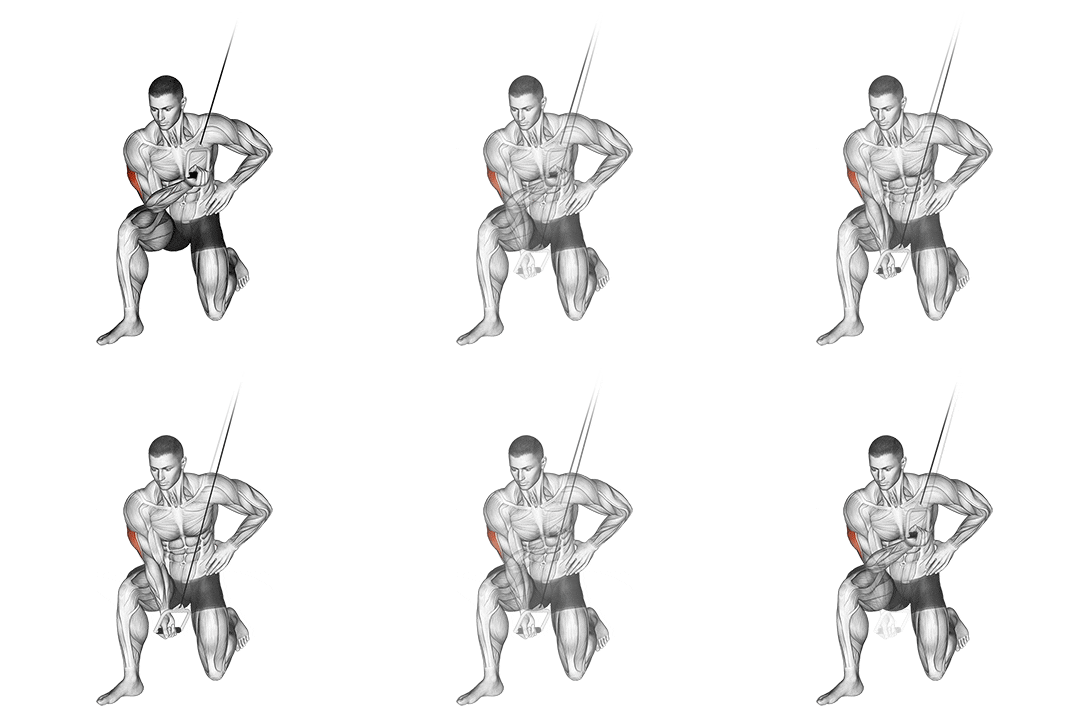
The cable concentration extension, performed on the knee, is an exercise that targets and strengthens the triceps muscles. This exercise involves using a cable machine and a handle attachment while kneeling on the floor. It is an effective isolation exercise for developing the back of the upper arms. ##Instructions 1. Start by setting up a cable machine with a high pulley attachment. Attach a handle or rope to the cable. 2. Kneel on the floor facing away from the cable machine. Position yourself at a distance from the machine where you can fully extend your arm without the weight stack resting at the bottom. 3. Grasp the handle or rope with an overhand grip, palms facing down, and extend your arm fully overhead. 4. Place your other hand on the same-side knee for stability and support. 5. Keeping your upper arm close to your head and stationary, exhale as you lower the handle or rope down by bending your elbow. 6. Continue the movement until your forearm is parallel to the floor and you feel a strong contraction in your triceps. 7. Pause for a moment, squeezing your triceps at the bottom of the movement. 8. Inhale and slowly extend your arm back to the starting position, fully straightening your elbow while maintaining control throughout the motion. 9. Repeat the exercise for the desired number of repetitions and then switch to the other arm. ##Variations - Single-arm cable concentration extension: Perform the exercise one arm at a time, focusing on each arm individually for a more targeted workout. - Seated cable concentration extension: Instead of kneeling, perform the exercise while seated on a bench or chair. This variation may provide additional support and stability. ##Muscles Worked The cable concentration extension primarily targets the triceps brachii muscles, which are located on the back of the upper arms. It specifically targets the long head of the triceps, which contributes to arm extension. ##Common Mistakes - Using momentum: Avoid using momentum to lift the weight. Keep the movement controlled and focus on engaging the triceps muscles throughout the exercise. - Allowing the elbow to flare out: Keep your upper arm close to your head and stationary throughout the exercise. Avoid allowing your elbow to flare out to the side, which can reduce the effectiveness of the exercise. - Not fully extending the arm: Make sure to fully straighten your arm at the top of the movement to ensure a complete range of motion and proper muscle activation. ##Safety Precautions - Start with a lighter weight and gradually increase the resistance as your strength improves. - Maintain a stable and balanced position on your knees throughout the exercise. - Keep your core engaged to provide stability and support to your spine. - If you have any pre-existing conditions or injuries, consult with a healthcare professional or fitness trainer before attempting this exercise.
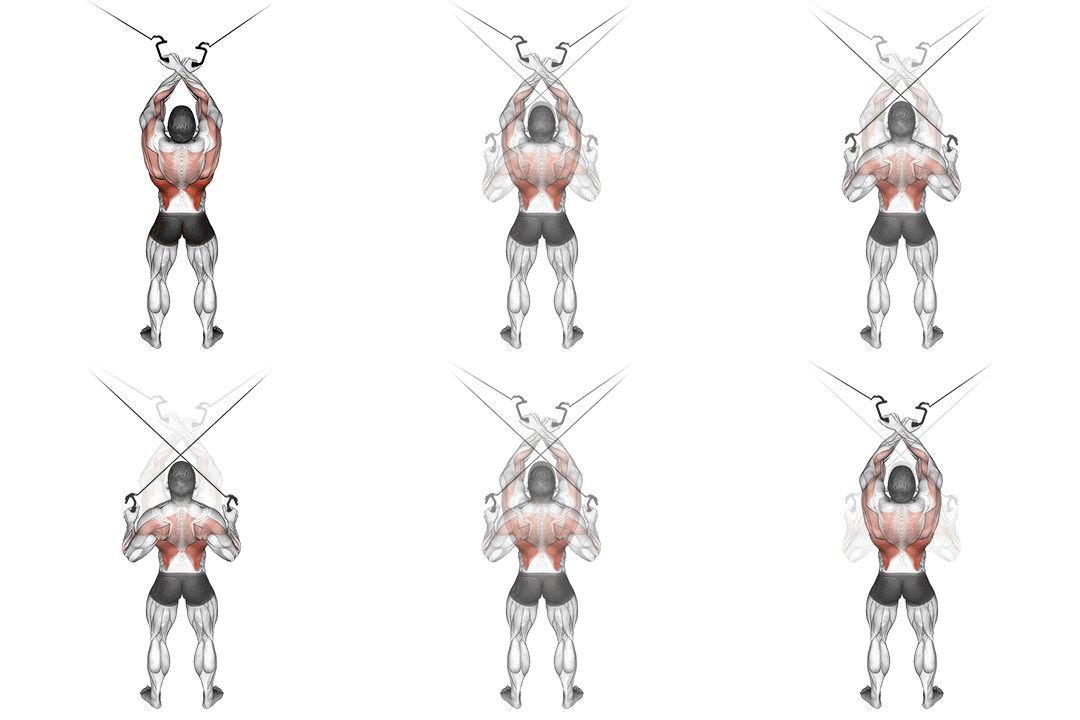
The cable cross-over lateral pulldown is an exercise that targets the muscles of the back, specifically the latissimus dorsi (lats). This exercise involves using a cable machine and performing a pulling motion to engage and strengthen the back muscles. ##Instructions 1. Start by setting up a cable machine with two high pulley attachments. Position the pulleys so that they are slightly higher than your shoulders. 2. Stand in the middle of the cable machine with your feet shoulder-width apart and knees slightly bent for stability. 3. Grasp the handles with an overhand grip, palms facing forward, and extend your arms fully forward, slightly in front of your shoulders. This is your starting position. 4. Engage your core, maintain a tall posture, and slightly lean forward from your hips. 5. Keeping your arms straight and your elbows slightly bent, exhale as you pull the handles downward and outward in a sweeping motion. 6. Focus on using your back muscles, specifically your lats, to initiate the movement. 7. Squeeze your shoulder blades together at the bottom of the movement and feel a strong contraction in your back. 8. Inhale and slowly return to the starting position, allowing your arms to extend forward while maintaining control. 9. Repeat the exercise for the desired number of repetitions. ##Variations - Single-arm cable cross-over lateral pulldown: Perform the exercise one arm at a time by using a single handle attachment. This allows for greater focus on each side of the back and can help correct muscle imbalances. - Seated cable cross-over lateral pulldown: Instead of standing, perform the exercise while seated on a bench or chair. This variation can provide additional stability and isolate the back muscles further. ##Muscles Worked The cable cross-over lateral pulldown primarily targets the latissimus dorsi (lats), which are the large muscles of the back responsible for pulling and extending the arms. It also engages the muscles of the upper back, including the rhomboids, trapezius, and posterior deltoids. ##Common Mistakes - Using excessive momentum: Avoid using momentum to pull the handles. Focus on controlled movements and engage your back muscles to perform the exercise. - Rounded back or hunched shoulders: Maintain proper posture throughout the exercise. Keep your back straight, chest lifted, and shoulders down and back. Avoid rounding your back or hunching your shoulders forward. - Not fully extending the arms: Make sure to fully extend your arms at the starting position and allow them to return to that position at the end of each repetition. This ensures a complete range of motion and proper muscle activation. ##Safety Precautions - Start with a lighter weight and gradually increase the resistance as your strength improves. - Maintain a stable and balanced stance throughout the exercise. - Keep your core engaged to provide stability and support to your spine. - If you have any pre-existing conditions or injuries, consult with a healthcare professional or fitness trainer before attempting this exercise.
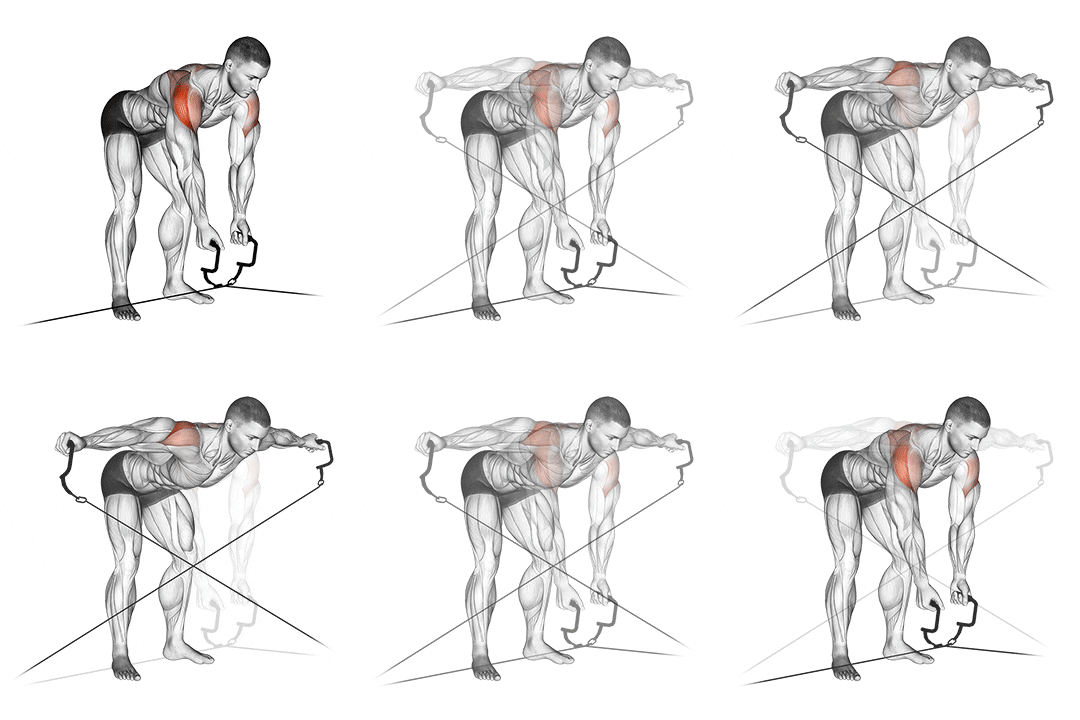
The cable cross-over reverse fly is an exercise that targets the muscles of the upper back, particularly the rear deltoids and the muscles of the scapulae. This exercise involves using a cable machine and performing a pulling motion to strengthen and improve the muscles responsible for posture and shoulder stability. ##Instructions 1. Start by setting up a cable machine with two high pulley attachments. Position the pulleys so that they are slightly lower than shoulder height. 2. Stand in the middle of the cable machine with your feet shoulder-width apart and knees slightly bent for stability. 3. Grasp the handles with an overhand grip, palms facing each other, and extend your arms fully forward at shoulder height. This is your starting position. 4. Engage your core, maintain a tall posture, and slightly lean forward from your hips. 5. Keeping a slight bend in your elbows, exhale as you pull the handles outward and backward in an arcing motion. 6. Focus on squeezing your shoulder blades together and feeling a strong contraction in your upper back. 7. Maintain control throughout the movement, emphasizing the activation of the muscles of the upper back. 8. Inhale and slowly return to the starting position, allowing your arms to extend forward while maintaining control. 9. Repeat the exercise for the desired number of repetitions. ##Variations - Single-arm cable cross-over reverse fly: Perform the exercise one arm at a time by using a single handle attachment. This allows for greater focus on each side of the upper back and can help correct muscle imbalances. - Seated cable cross-over reverse fly: Instead of standing, perform the exercise while seated on a bench or chair. This variation can provide additional stability and isolate the upper back muscles further. ##Muscles Worked The cable cross-over reverse fly primarily targets the rear deltoids, which are the muscles located at the back of the shoulders. It also engages the muscles of the upper back, including the rhomboids, trapezius, and posterior deltoids. Additionally, the exercise works the muscles responsible for scapular retraction, promoting better posture and shoulder stability. ##Common Mistakes - Using excessive momentum: Avoid using momentum to pull the handles. Focus on controlled movements and engage your upper back muscles to perform the exercise. - Rounded back or hunched shoulders: Maintain proper posture throughout the exercise. Keep your back straight, chest lifted, and shoulders down and back. Avoid rounding your back or hunching your shoulders forward. - Not fully retracting the shoulder blades: Emphasize the movement of squeezing your shoulder blades together at the back to fully activate the targeted muscles. ##Safety Precautions - Start with a lighter weight and gradually increase the resistance as your strength improves. - Maintain a stable and balanced stance throughout the exercise. - Keep your core engaged to provide stability and support to your spine. - If you have any pre-existing conditions or injuries, consult with a healthcare professional or fitness trainer before attempting this exercise.
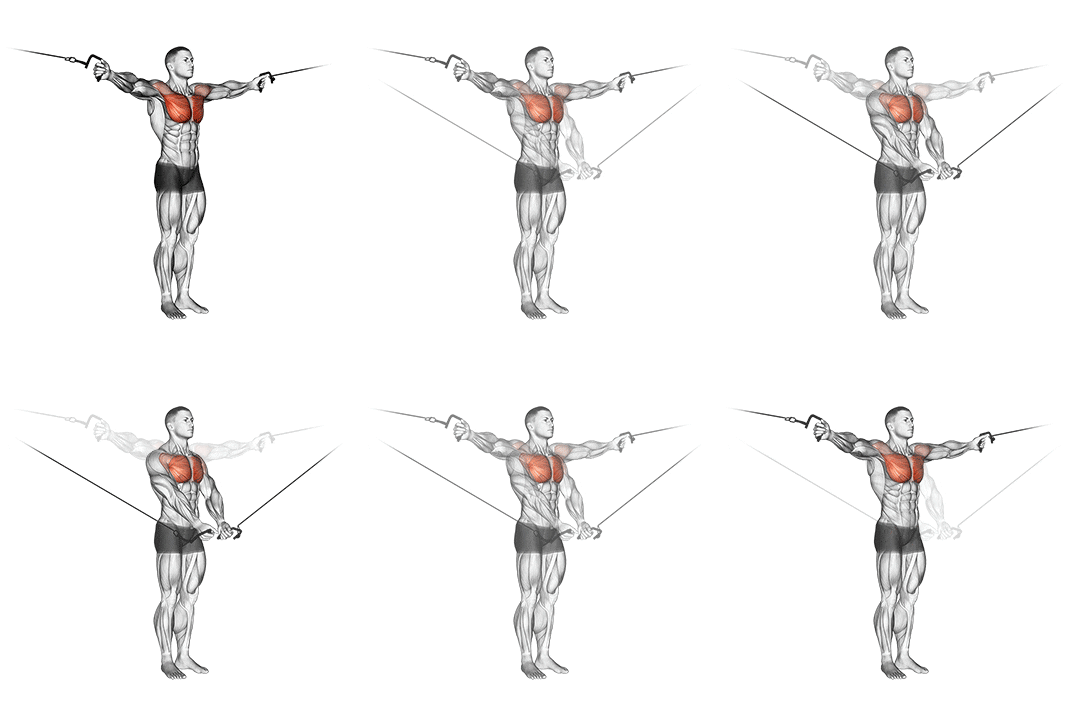
A cable cross-over variation refers to any modification or alternative exercise that involves utilizing a cable machine and performing a cross-over movement. The specific target muscles and benefits can vary depending on the particular variation being performed. ##Instructions As the cable cross-over variation can encompass various exercises, the step-by-step instructions will differ based on the specific variation being performed. Here are the general guidelines to follow: 1. Set up the cable machine with the appropriate attachments and adjust the pulleys as needed. 2. Stand in the desired position in relation to the cable machine, ensuring proper balance and stability. 3. Grasp the handles or attachments with the appropriate grip based on the variation. 4. Engage your core, maintain good posture, and follow the prescribed movement pattern for the chosen variation. 5. Perform the exercise with control and focus on engaging the targeted muscles. 6. Complete the desired number of repetitions. ##Variations There are numerous variations of cable cross-over exercises, each with its own specific target muscles and benefits. Here are a few examples: - Cable cross-over chest press: Targets the chest muscles (pectoralis major) and the triceps. It involves crossing the cables in front of the body while performing a pressing motion. - Cable cross-over biceps curl: Targets the biceps muscles. It involves crossing the cables in front of the body while performing a curling motion. - Cable cross-over reverse fly: Targets the upper back muscles, primarily the rear deltoids and the muscles of the scapulae. It involves crossing the cables behind the body while performing a reverse fly motion. These are just a few examples, and there are many other variations that can be performed. ##Muscles Worked The specific muscles targeted or engaged during a cable cross-over variation will depend on the particular exercise being performed. Commonly targeted muscles can include the chest (pectoralis major), shoulders (deltoids), back (rhomboids, trapezius), arms (biceps, triceps), and core muscles for stability. ##Common Mistakes As the mistakes can vary depending on the specific variation, here are some general tips to avoid common errors: - Using excessive weight: Start with a manageable weight and focus on proper form and technique before increasing the resistance. - Using momentum: Avoid relying on momentum to perform the exercise. Maintain control throughout the movement and concentrate on the targeted muscles. - Sacrificing form for weight: It's essential to prioritize proper form over lifting heavier weights. Maintain good posture and execute the exercise with correct technique. ##Safety Precautions - Warm up properly before starting any cable cross-over variation to prepare your muscles for the exercise. - Use appropriate resistance and progress gradually to avoid strain or injury. - Maintain control and avoid jerky or uncontrolled movements. - If you have any pre-existing conditions or injuries, consult with a healthcare professional or fitness trainer to ensure the exercise is suitable for you.
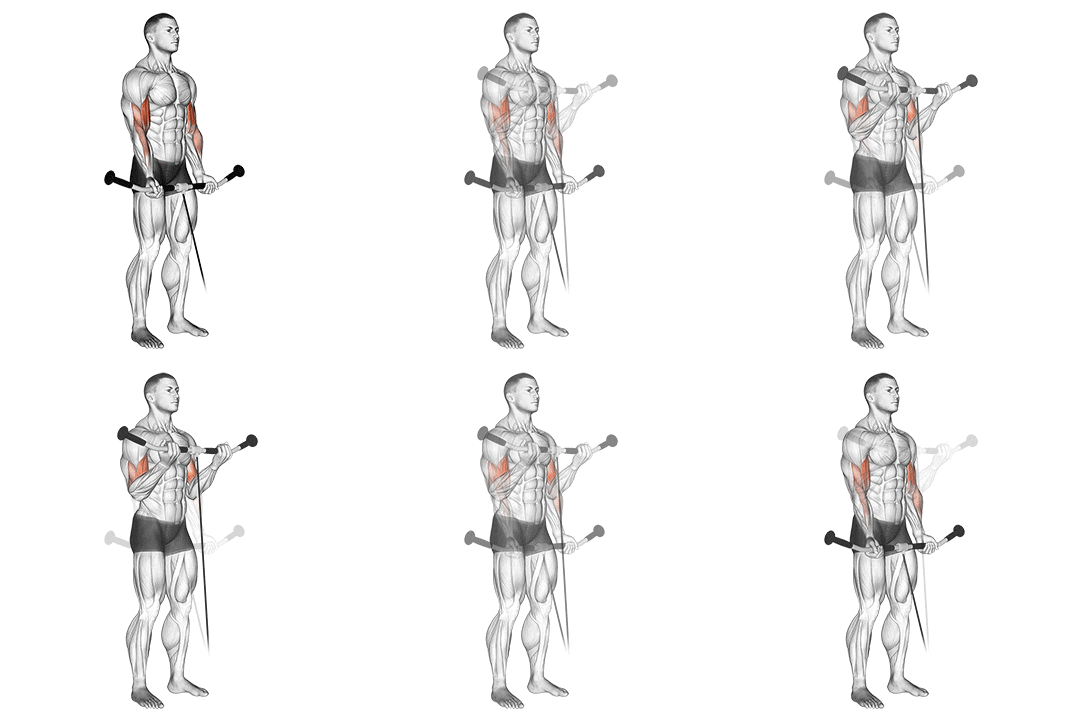
The cable curl is an exercise that primarily targets the biceps brachii muscle, located in the upper arm. It involves using a cable machine with an attached handle to perform a curling motion, which helps strengthen and tone the biceps. This exercise also engages the brachialis and brachioradialis muscles in the forearm. ##Instructions 1. Start by setting up a cable machine with the desired weight and attaching a straight bar or rope handle to the low pulley. 2. Stand facing the machine with your feet shoulder-width apart and your knees slightly bent. 3. Grasp the handle with an underhand grip (palms facing up) at shoulder width. 4. Keep your elbows close to your sides and fully extend your arms, allowing them to be straight but not locked. 5. Keep your back straight and engage your core muscles for stability. 6. Exhale and slowly curl the handle towards your shoulders, bending at the elbows. Keep your upper arms stationary throughout the movement. 7. Squeeze your biceps at the top of the contraction, hold for a brief moment, and then slowly lower the handle back to the starting position while inhaling. 8. Repeat for the desired number of repetitions. ##Variations - Single-arm cable curl: Perform the exercise with one arm at a time to focus on each bicep individually. - Hammer curl: Instead of using an underhand grip, use a neutral grip (palms facing each other) to target both the biceps and the brachioradialis muscles. - Preacher curl with cable: Use a preacher curl attachment on the cable machine to perform the exercise while resting your upper arms on the pad. This variation provides additional support and isolates the biceps. ##Muscles Worked - Primary muscles: Biceps brachii - Secondary muscles: Brachialis, brachioradialis ##Common Mistakes - Using momentum: Avoid swinging or using momentum to lift the weight. Focus on controlling the movement and engaging the biceps. - Lifting too heavy: Choose a weight that allows you to maintain proper form throughout the exercise. Lifting too heavy can compromise technique and increase the risk of injury. - Allowing the elbows to flare out: Keep your elbows close to your sides throughout the movement. This helps isolate the biceps and prevents excessive stress on the shoulder joints. ##Safety Precautions - Warm up before starting the exercise to prepare your muscles for the workout. - Use a weight that is challenging but manageable. Gradually increase the resistance as your strength improves. - Maintain proper form and control throughout the exercise to avoid strain or injury. - If you have any pre-existing shoulder or elbow conditions, consult with a fitness professional or healthcare provider before performing the cable curl. - If you experience pain or discomfort during the exercise, stop and seek medical advice if necessary.
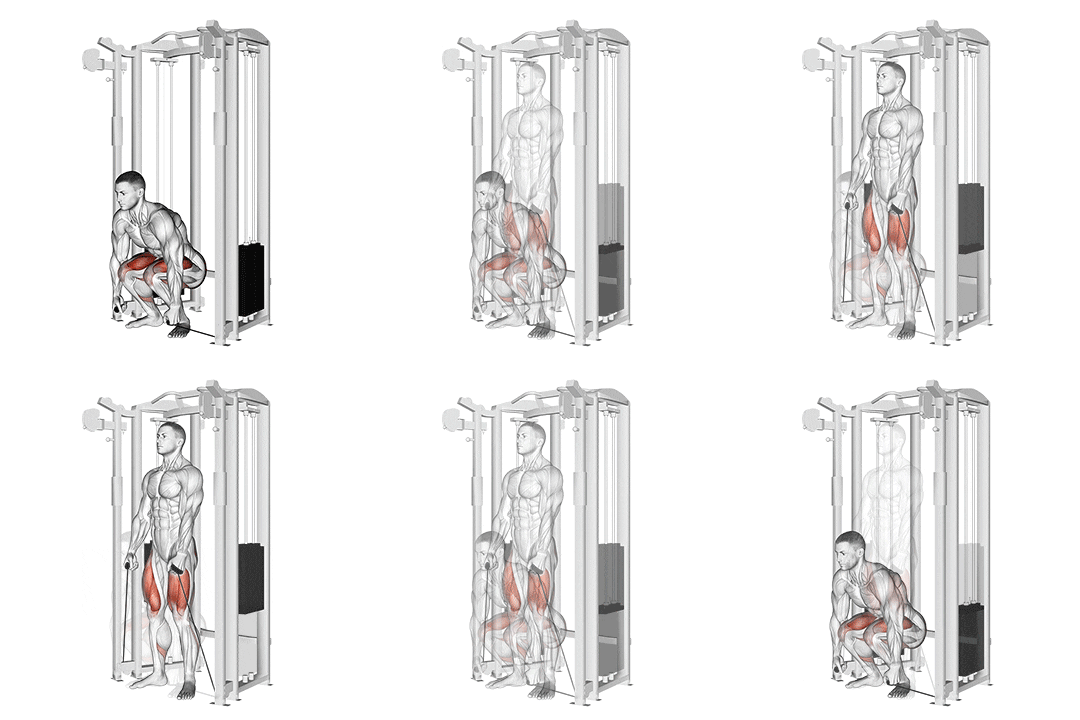
The cable deadlift is a variation of the traditional deadlift exercise. It targets the muscles of the lower body, including the glutes, hamstrings, quadriceps, and lower back. This exercise is beneficial for building overall strength and power in the lower body and improving functional movement patterns. ##Instructions 1. Start by setting up a cable machine with the desired weight and attaching a straight bar or rope handle to the low pulley. 2. Stand facing the machine with your feet hip-width apart and your toes pointed slightly outward. 3. Position yourself close to the cable machine, ensuring that the cable is between your legs. 4. Bend at the hips and knees, lowering your torso until your back is parallel to the ground. Maintain a neutral spine throughout the movement. 5. Grasp the handle with an overhand grip (palms facing down) at shoulder width. Your arms should be fully extended and hanging straight down. 6. Engage your core muscles, brace your abdominals, and keep your chest lifted. 7. Begin the movement by driving through your heels and straightening your legs and hips. Keep your back straight and avoid rounding your spine. 8. As you stand up, squeeze your glutes at the top of the movement and maintain a controlled and stable position. 9. Slowly lower the handle back down to the starting position by bending at the hips and knees. 10. Repeat for the desired number of repetitions. ##Variations - Single-leg cable deadlift: Perform the exercise while balancing on one leg. This variation challenges your balance and engages the stabilizing muscles of the lower body. - Sumo cable deadlift: Widen your stance significantly, with your toes pointed outward at a greater angle. This variation targets the inner thighs (adductors) to a greater extent. - Romanian cable deadlift: Perform the exercise with a slight bend in the knees and focus on hinging at the hips. This variation places more emphasis on the hamstrings and glutes. ##Muscles Worked - Primary muscles: Glutes, hamstrings, quadriceps, lower back - Secondary muscles: Calves, core muscles ##Common Mistakes - Rounding the back: Maintain a neutral spine throughout the exercise and avoid rounding your back. Engage your core muscles to support your spine. - Using the arms excessively: The primary force for lifting should come from your legs and hips, not your arms. Focus on engaging the lower body muscles. - Locking out the knees: Avoid fully locking out your knees at the top of the movement. Maintain a slight bend to keep tension in the muscles and reduce stress on the joints. ##Safety Precautions - Warm up before starting the exercise to prepare your muscles for the workout. - Choose a weight that allows you to maintain proper form and control. Avoid using excessive weight that compromises your technique. - If you have any pre-existing lower back or knee conditions, consult with a fitness professional or healthcare provider before performing the cable deadlift. - Keep your core muscles engaged throughout the movement to support your spine and prevent strain. - If you experience pain or discomfort during the exercise, stop and seek medical advice if necessary.
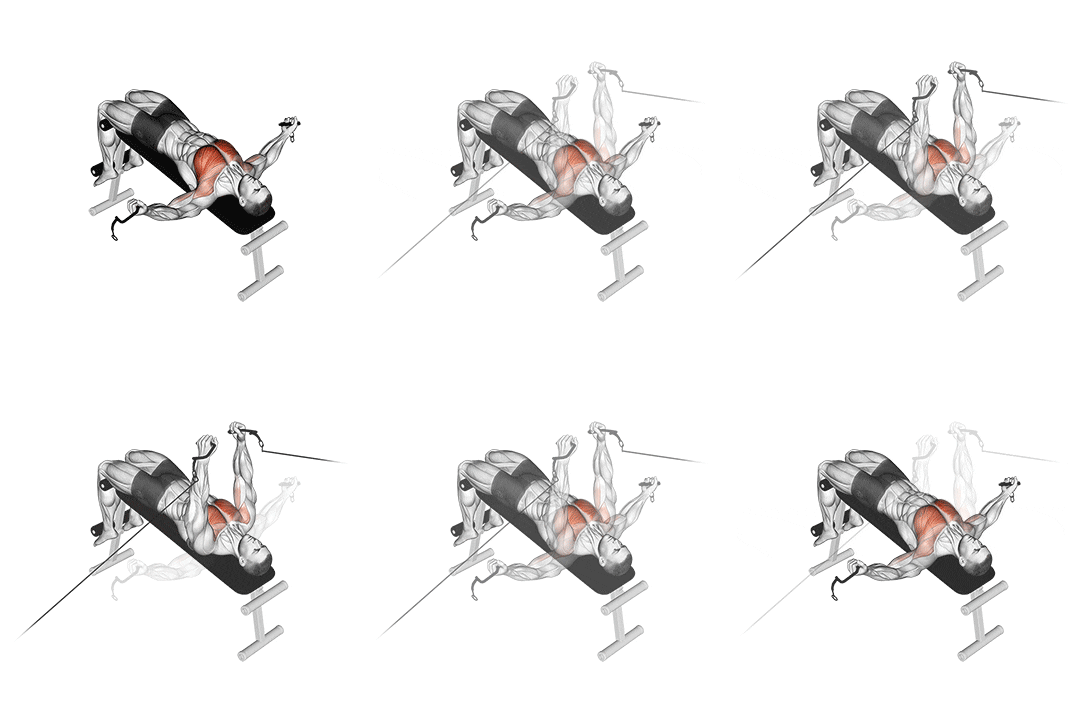
The cable decline fly is an exercise that primarily targets the chest muscles, specifically the pectoralis major. It involves using a cable machine and a decline bench to perform a fly motion, which helps strengthen and develop the chest muscles. This exercise also engages the anterior deltoids (front shoulders) and the triceps to a lesser extent. ##Instructions 1. Set up a decline bench at a slight angle (approximately 30-45 degrees) and position it in front of a cable machine. 2. Attach the handles to the low pulleys of the cable machine. 3. Lie down on the decline bench, ensuring that your head is positioned lower than your hips. 4. Grasp the handles with an overhand grip (palms facing down) and extend your arms straight above your chest. Your hands should be slightly wider than shoulder-width apart. 5. Keep a slight bend in your elbows throughout the exercise to avoid excessive strain on the joints. 6. Engage your core muscles, press your back firmly against the bench, and keep your feet planted on the floor for stability. 7. Inhale and lower your arms out to the sides in a controlled manner, allowing your elbows to bend slightly. Keep your arms extended but avoid locking out your elbows. 8. Continue the movement until your hands are in line with or slightly lower than your shoulders. You should feel a stretch in your chest muscles. 9. Exhale and slowly return your arms back to the starting position, maintaining control throughout the entire motion. 10. Repeat for the desired number of repetitions. ##Variations - Single-arm cable decline fly: Perform the exercise one arm at a time to focus on each side of the chest individually. - Decline dumbbell fly: Instead of using a cable machine, use dumbbells while lying on a decline bench to perform the fly motion. - Machine decline fly: If a cable machine is not available, you can use a chest fly machine to perform a similar movement pattern. ##Muscles Worked - Primary muscles: Pectoralis major (chest muscles) - Secondary muscles: Anterior deltoids (front shoulders), triceps ##Common Mistakes - Using excessive weight: Choose a weight that allows you to maintain proper form and control throughout the exercise. Using too much weight can compromise your technique and increase the risk of injury. - Flaring the elbows: Keep your elbows slightly bent and avoid letting them flare out to the sides. This helps maintain tension in the chest muscles and prevents excessive stress on the shoulder joints. - Bringing the arms too far down: Lower your arms until they are in line with or slightly below shoulder level. Avoid overstretching or dropping the weights too far down, as this can strain the shoulder joints. ##Safety Precautions - Warm up before starting the exercise to prepare your chest muscles for the workout. - Adjust the bench angle according to your comfort and fitness level. Beginners may start with a less steep decline. - Maintain proper form and control throughout the exercise. Focus on feeling the contraction in your chest muscles. - If you have any pre-existing shoulder or chest conditions, consult with a fitness professional or healthcare provider before performing the cable decline fly. - If you experience pain or discomfort during the exercise, stop and seek medical advice if necessary.