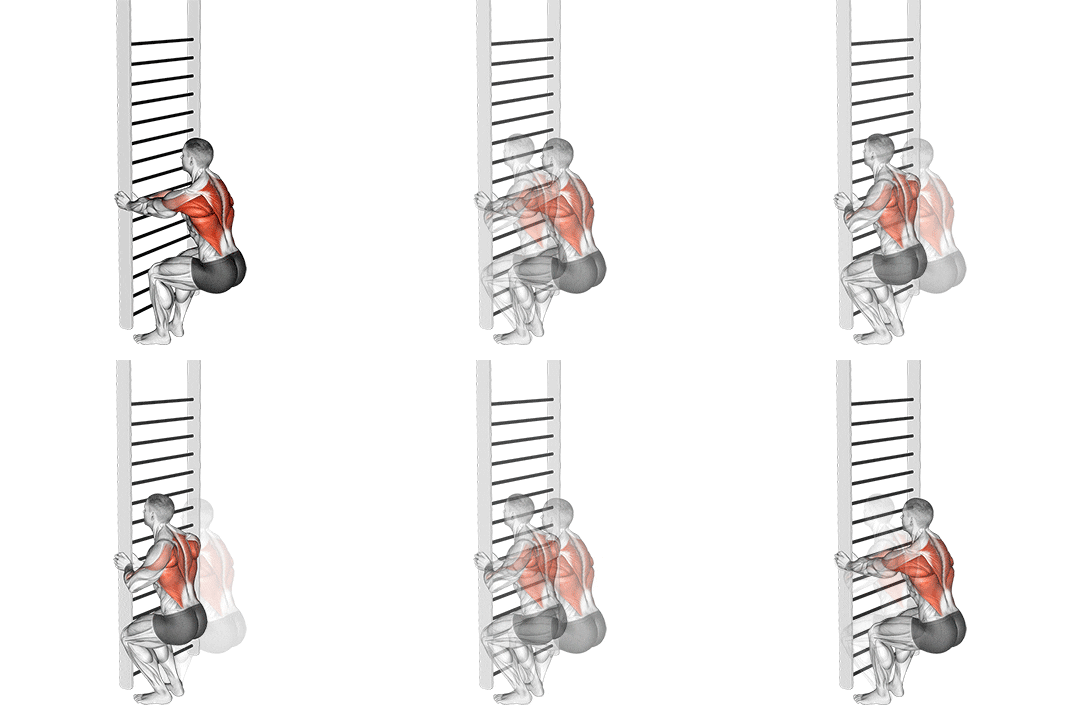
The bodyweight squatting row is an exercise that targets multiple muscle groups, including the upper back, biceps, and lower body. It combines a squatting movement with a rowing motion, providing a comprehensive full-body workout. This exercise helps to improve upper body strength, posture, and overall stability. ## Instructions 1. Stand with your feet shoulder-width apart and slightly turned out. 2. Extend your arms in front of you, palms facing inward. 3. Lower your body into a squat position by bending your knees and pushing your hips back. Keep your chest up and maintain a neutral spine. 4. Once you're in the squat position, engage your core and pull your elbows back, squeezing your shoulder blades together. Imagine rowing your body weight towards your chest. 5. Pause briefly at the top of the rowing motion and then slowly extend your arms forward, returning to the starting position. 6. As you stand back up from the squat, maintain the rowing motion until your arms are fully extended. 7. Repeat the squatting row for the desired number of repetitions. ## Variations - Beginners can start with a less intense variation by performing the squatting row with their knees slightly bent instead of going into a full squat. - For a more challenging variation, you can use resistance bands or dumbbells to add extra resistance to the rowing motion. - Another option is to perform the exercise using a suspension trainer, such as TRX, which provides an unstable surface and requires more core stabilization. ## Muscles Worked The bodyweight squatting row primarily targets the upper back muscles, including the rhomboids, trapezius, and rear deltoids. It also engages the biceps, quadriceps, hamstrings, and glutes to a lesser extent. ## Common Mistakes - Allowing the knees to cave inward during the squatting phase. Keep your knees aligned with your toes throughout the exercise. - Rounding the back or hunching the shoulders. Maintain a neutral spine and keep your shoulders pulled back and down. - Using excessive momentum to complete the rowing motion. Focus on a controlled movement, emphasizing the engagement of the back muscles. ## Safety Precautions - If you have any existing back, shoulder, or knee injuries, it is recommended to consult with a healthcare professional before attempting this exercise. - Start with a comfortable range of motion and gradually increase it as your flexibility and strength improve. - Maintain proper form throughout the exercise to avoid strain on the lower back and joints. - Engage your core muscles to stabilize your body during the movement. - If using resistance bands or other equipment, ensure they are securely anchored and check for any signs of wear and tear.
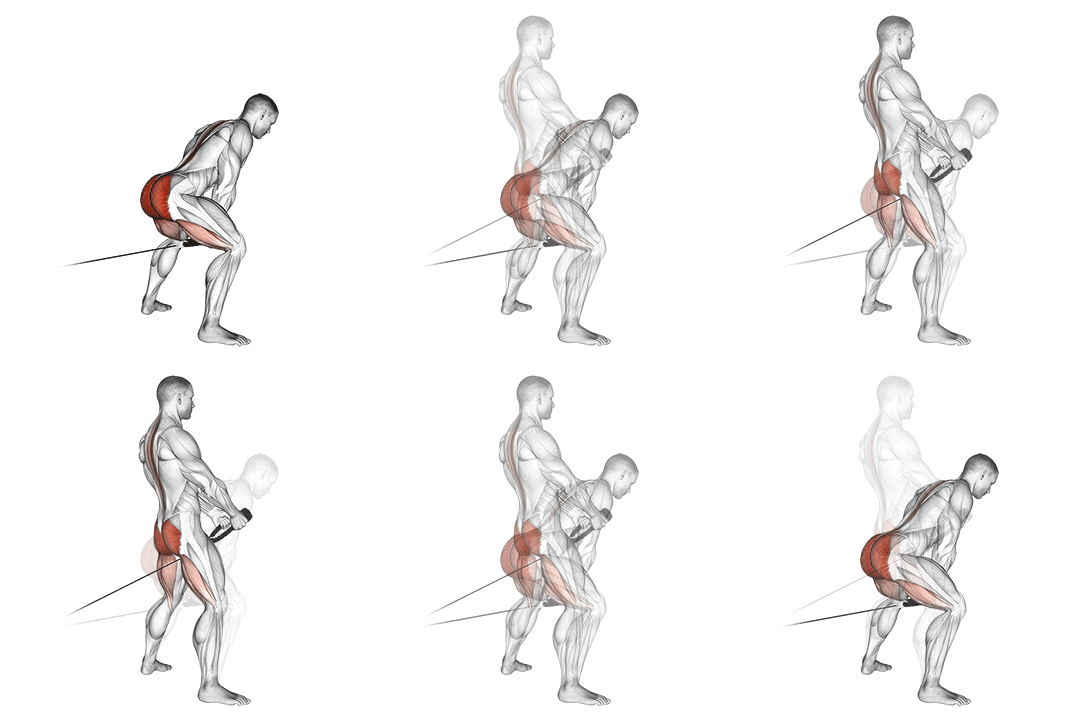
The cable pull through exercise with a rope is a compound exercise that primarily targets the glutes and hamstrings while also engaging the core muscles. It is an effective exercise for developing hip strength, improving lower body power, and enhancing overall athleticism. ##Instructions 1. Start by setting up a cable machine at a low position. Attach a rope handle to the cable machine. 2. Stand facing away from the cable machine and position yourself a few feet in front of it. 3. Place your feet shoulder-width apart and slightly bend your knees. Maintain a slight hinge at the hips with your chest up and back straight. 4. Reach down and grasp the rope handle between your legs. This is your starting position. 5. Keeping your core engaged, push your hips back and lower your torso toward the ground. Allow the rope to pass between your legs as you descend. 6. Once your torso is parallel to the ground, forcefully extend your hips forward, squeezing your glutes. Simultaneously, pull the rope handle up and back through your legs, maintaining tension throughout the movement. 7. As you stand up tall, fully extend your hips and pull the rope handle back until your arms are straight and your body is fully upright. 8. Hold the contracted position for a moment, then reverse the motion by bending at the hips and lowering the rope handle back down between your legs. 9. Repeat for the desired number of repetitions. ##Variations - Resistance Variation: Adjust the weight on the cable machine to increase or decrease the resistance. - Single-Leg Variation: Perform the exercise with one leg at a time by balancing on one leg while the other leg is extended slightly backward. - Dumbbell Variation: If a cable machine is not available, you can use a dumbbell or kettlebell held between your legs instead of the rope handle. ##Muscles Worked - Primary muscles: Glutes (gluteus maximus), hamstrings (biceps femoris, semitendinosus, semimembranosus) - Secondary muscles: Core muscles (rectus abdominis, obliques), quadriceps, lower back ##Common Mistakes 1. Rounding the back: Maintain a neutral spine throughout the exercise and avoid rounding your back. Engage your core muscles to maintain proper posture. 2. Using too much weight: Start with a lighter weight to ensure proper form and technique. Gradually increase the weight as you become more comfortable and proficient with the exercise. 3. Not fully extending the hips: At the top of the movement, fully extend your hips and squeeze your glutes to maximize the effectiveness of the exercise. 4. Allowing the knees to cave in: Keep your knees aligned with your toes and avoid letting them collapse inward. Focus on pushing your knees out during the movement. ##Safety Precautions - Prioritize proper form and technique over weight or resistance. - Warm up adequately before performing the exercise to prepare your muscles for the movement. - If you have any pre-existing injuries or conditions, consult with a healthcare professional before attempting this exercise. - Avoid jerky or uncontrolled movements. Maintain a smooth and controlled motion throughout the exercise. - If you experience pain or discomfort during the exercise, stop immediately and seek guidance from a qualified fitness professional.
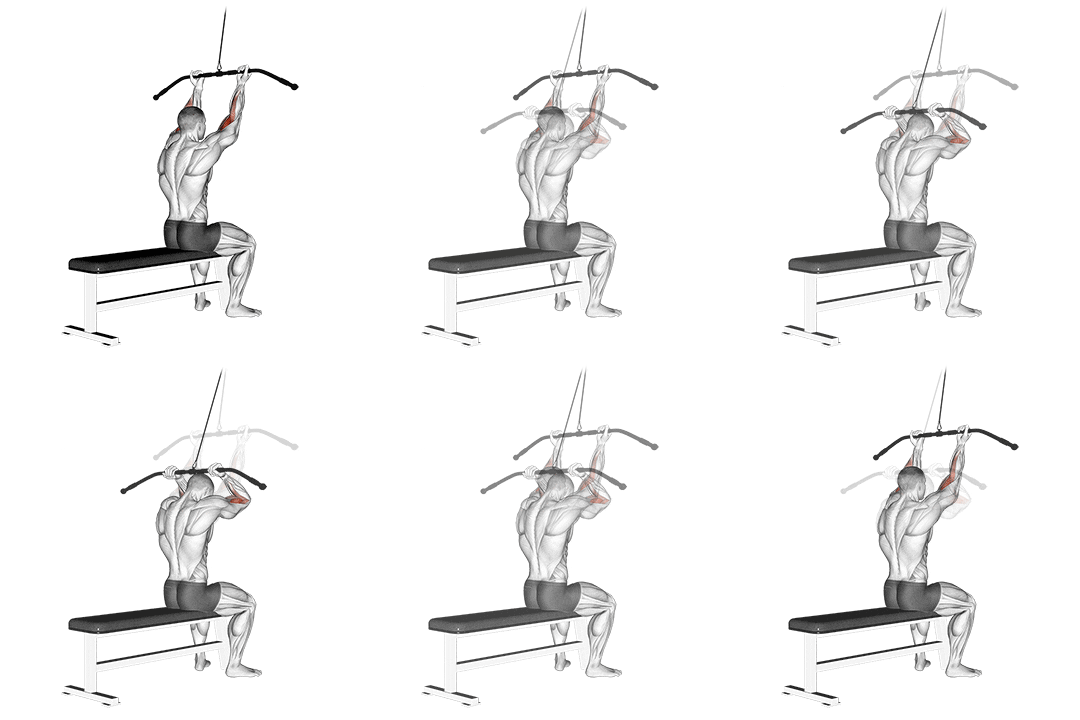
The cable pulldown bicep curl is an exercise that targets the biceps, specifically the short head of the biceps brachii muscle. It involves a combination of a cable pulldown and a bicep curl movement. This exercise helps to strengthen and build the biceps while also engaging the muscles of the back and forearms. ##Instructions 1. Begin by setting up a cable machine with a straight bar attachment at the highest position. 2. Stand facing the cable machine and grasp the bar with an underhand grip (palms facing upward) and your hands shoulder-width apart. 3. Position your feet hip-width apart, slightly bend your knees, and maintain a slight forward lean at the hips. 4. Keep your elbows close to your sides and allow your arms to fully extend straight in front of you. This is your starting position. 5. Keeping your upper arms stationary, exhale and curl the bar downward by flexing your elbows. Continue until the bar is at chest level or slightly lower. 6. Pause for a brief moment, squeezing your biceps at the bottom of the movement. 7. Inhale and slowly reverse the motion, allowing the bar to return to the starting position in a controlled manner. 8. Repeat for the desired number of repetitions. ##Variations - Rope Attachment: Instead of using a straight bar attachment, you can use a rope attachment for a different grip variation. - Single-Arm Variation: Perform the exercise one arm at a time by using a single handle attachment. - Resistance Variation: Adjust the weight on the cable machine to increase or decrease the resistance. ##Muscles Worked - Primary muscles: Biceps brachii (short head) - Secondary muscles: Brachialis, brachioradialis, upper back muscles (latissimus dorsi, rhomboids, rear deltoids), forearm muscles ##Common Mistakes 1. Using excessive momentum: Avoid swinging or using momentum to lift the weight. Focus on maintaining control and stability throughout the movement. 2. Arching the back: Keep your core engaged and avoid arching your back. Maintain a straight posture throughout the exercise. 3. Allowing the elbows to flare out: Keep your elbows close to your sides throughout the movement. This ensures proper activation of the biceps and reduces strain on the shoulder joints. 4. Not fully extending the arms: Make sure to fully extend your arms at the starting position to achieve a full range of motion and engage the biceps effectively. ##Safety Precautions - Start with a weight that you can handle comfortably and gradually increase it as you become more proficient with the exercise. - Maintain proper form and technique to avoid unnecessary strain on the muscles and joints. - If you have any pre-existing injuries or conditions, consult with a healthcare professional before attempting this exercise. - Use a controlled and smooth motion throughout the exercise to minimize the risk of injury. - If you experience pain or discomfort, stop the exercise and consult a fitness professional or healthcare provider.
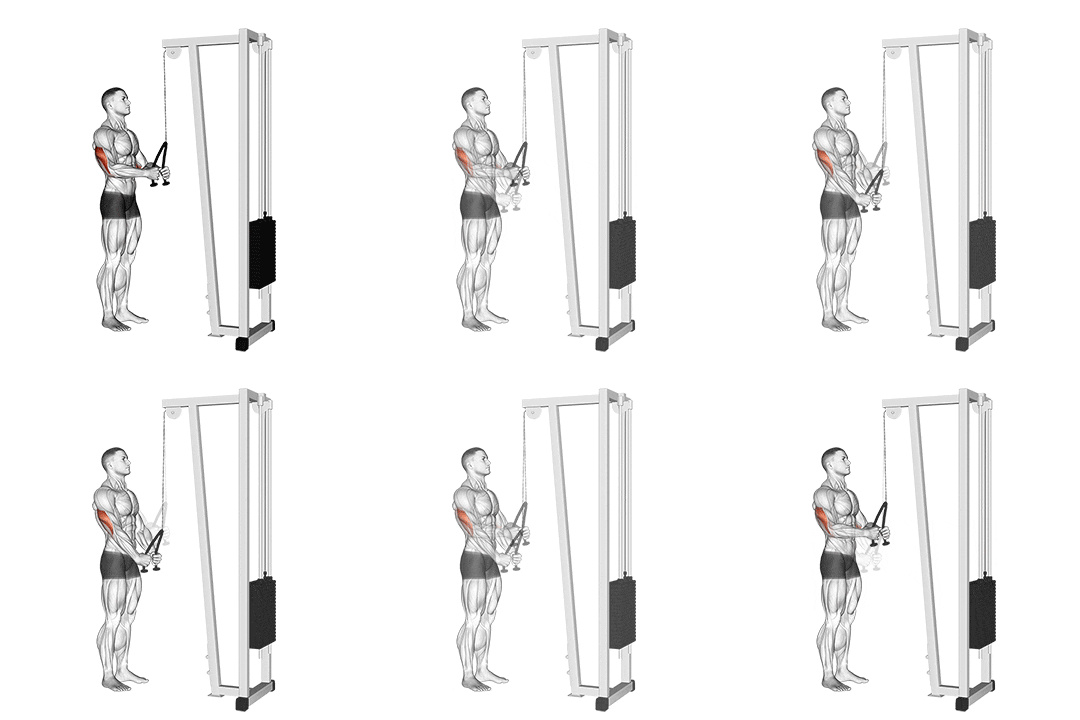
The cable pushdown with a rope attachment is an isolation exercise that primarily targets the triceps brachii muscle. It involves extending the elbows against resistance, effectively working the muscles at the back of the upper arm. This exercise is beneficial for developing triceps strength and size, improving arm definition, and enhancing overall upper body pushing power. ##Instructions 1. Start by setting up a cable machine with a rope attachment at the high pulley position. 2. Stand facing the cable machine and grasp the rope handles with an overhand grip (palms facing downward). Position your feet shoulder-width apart. 3. Keep your upper arms close to your sides, and your elbows bent at approximately 90 degrees. This is your starting position. 4. Engage your core muscles, maintain an upright posture, and slightly lean forward at the hips. 5. Exhale and extend your elbows, pushing the rope handles downward until your arms are fully extended and the rope is close to your thighs. 6. At the fully extended position, squeeze your triceps for a brief moment, feeling the contraction in the back of your arms. 7. Inhale and slowly reverse the motion, allowing the rope handles to rise back up to the starting position in a controlled manner. 8. Repeat for the desired number of repetitions. ##Variations - V-Bar Attachment: Instead of using a rope attachment, you can use a V-bar attachment for a different grip variation. - Single-Arm Variation: Perform the exercise one arm at a time by using a single handle attachment. - Resistance Variation: Adjust the weight on the cable machine to increase or decrease the resistance. ##Muscles Worked - Primary muscles: Triceps brachii (lateral head, long head, medial head) - Secondary muscles: Forearm muscles (brachioradialis, pronator teres) ##Common Mistakes 1. Rounding the back: Maintain proper posture and avoid rounding your back during the exercise. Keep your core engaged and your spine neutral. 2. Allowing the elbows to flare out: Keep your elbows close to your sides throughout the movement. This ensures proper activation of the triceps and reduces strain on the shoulder joints. 3. Using excessive weight: Start with a weight that allows you to maintain control and proper form. Avoid using momentum or swinging to lift the weight. 4. Not fully extending the elbows: Make sure to fully extend your elbows at the bottom of the movement to engage the triceps fully. ##Safety Precautions - Begin with a weight that suits your fitness level and gradually increase it as you become more comfortable and proficient with the exercise. - Maintain a controlled and smooth motion throughout the exercise to minimize the risk of injury. - If you have any pre-existing injuries or conditions, consult with a healthcare professional before attempting this exercise. - Avoid locking out your elbows forcefully at the bottom of the movement to prevent excessive stress on the joints. - If you experience pain or discomfort, stop the exercise and seek guidance from a qualified fitness professional or healthcare provider.
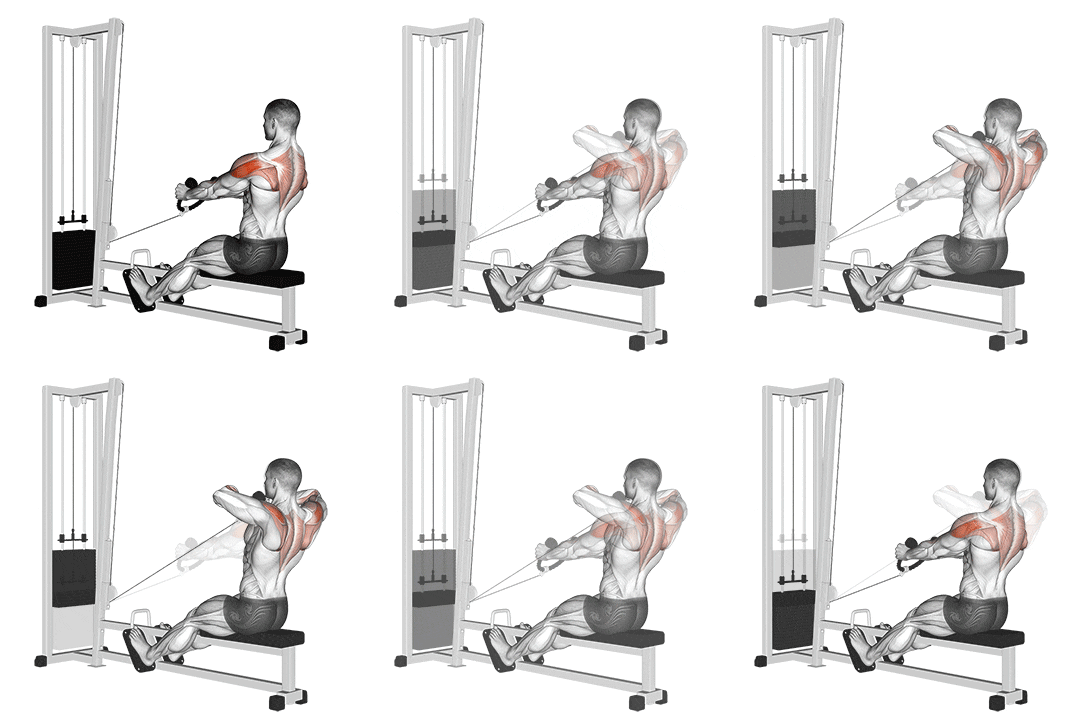
The cable rear delt row with stirrups is an exercise that primarily targets the rear deltoids, which are the muscles at the back of the shoulders. It also engages the upper back muscles, including the rhomboids and middle trapezius. This exercise helps to improve posture, strengthen the rear delts, and enhance shoulder stability. ##Instructions 1. Start by setting up a cable machine with stirrup handles attached at the low pulley position. 2. Stand facing the cable machine and position yourself a few feet in front of it. 3. Grasp the stirrup handles with an overhand grip (palms facing downward) and extend your arms straight in front of you. This is your starting position. 4. Keep your feet shoulder-width apart and maintain a slight bend in your knees. 5. Engage your core muscles, keep your back straight, and lean forward at the hips to about a 45-degree angle. 6. Exhale and squeeze your shoulder blades together, pulling the stirrup handles toward your body and leading with your elbows. Keep your elbows elevated and outward. 7. Continue pulling until your hands are in line with your torso and your elbows are at about shoulder level. Focus on contracting the muscles of your upper back and rear delts. 8. Inhale and slowly reverse the motion, allowing the stirrup handles to extend back out in a controlled manner, returning to the starting position. 9. Repeat for the desired number of repetitions. ##Variations - Single-Arm Variation: Perform the exercise one arm at a time by using a single stirrup handle. - Resistance Variation: Adjust the weight on the cable machine to increase or decrease the resistance. ##Muscles Worked - Primary muscles: Rear deltoids (posterior deltoids) - Secondary muscles: Upper back muscles (rhomboids, middle trapezius) ##Common Mistakes 1. Using excessive weight: Start with a weight that allows you to maintain proper form and control throughout the movement. Avoid using momentum or jerking motions. 2. Rounding the back: Keep your back straight and maintain a neutral spine throughout the exercise. Avoid rounding or arching your back. 3. Shrugging the shoulders: Keep your shoulders down and relaxed during the movement. Focus on using your upper back muscles and rear delts to perform the rowing motion. 4. Pulling with the arms instead of the back: Initiate the movement by squeezing your shoulder blades together and leading with your elbows. Avoid relying solely on your arm strength to perform the exercise. ##Safety Precautions - Prioritize proper form and technique over the amount of weight used. - Warm up adequately before performing the exercise to prepare your muscles for the movement. - If you have any pre-existing shoulder or back injuries or conditions, consult with a healthcare professional before attempting this exercise. - Use a controlled and smooth motion throughout the exercise to minimize the risk of injury. - If you experience pain or discomfort, stop the exercise and seek guidance from a qualified fitness professional or healthcare provider.
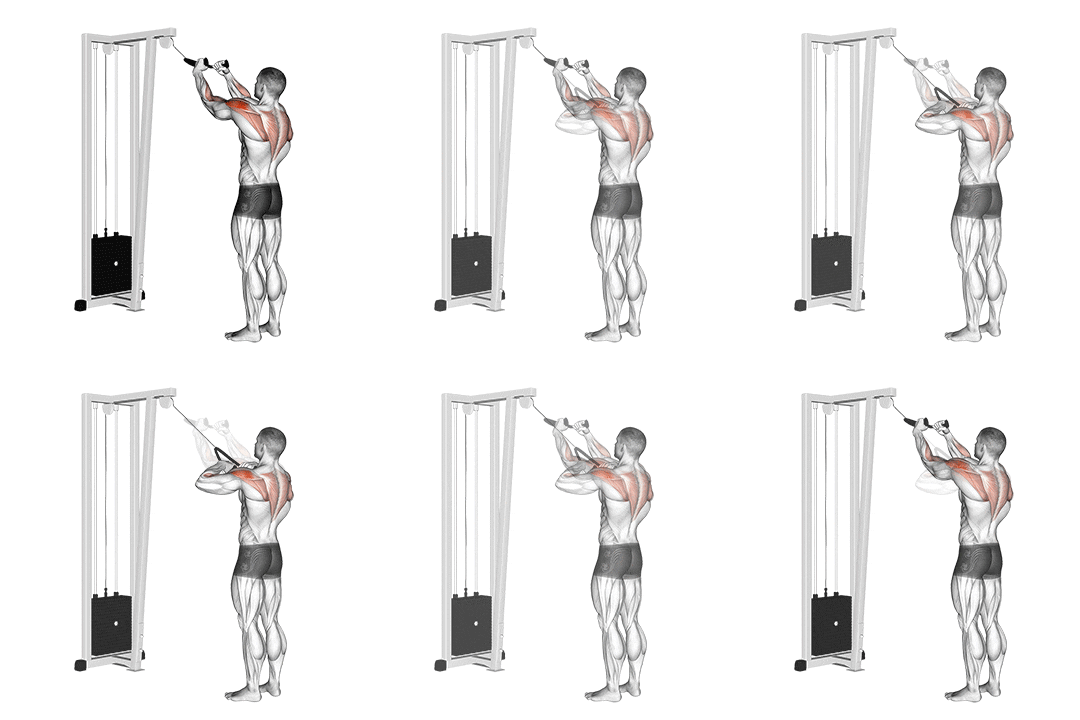
The cable rear delt row with a rope attachment is an exercise that primarily targets the rear deltoids, which are the muscles at the back of the shoulders. It also engages the upper back muscles, including the rhomboids and middle trapezius. This exercise helps to improve posture, strengthen the rear delts, and enhance shoulder stability. ##Instructions 1. Start by setting up a cable machine with a rope attachment at the low pulley position. 2. Stand facing the cable machine and position yourself a few feet in front of it. 3. Grasp the rope handles with an overhand grip (palms facing downward) and extend your arms straight in front of you. This is your starting position. 4. Keep your feet shoulder-width apart and maintain a slight bend in your knees. 5. Engage your core muscles, keep your back straight, and lean forward at the hips to about a 45-degree angle. 6. Exhale and squeeze your shoulder blades together, pulling the rope handles toward your body and leading with your elbows. Keep your elbows elevated and outward. 7. Continue pulling until your hands are in line with your torso and your elbows are at about shoulder level. Focus on contracting the muscles of your upper back and rear delts. 8. Inhale and slowly reverse the motion, allowing the rope handles to extend back out in a controlled manner, returning to the starting position. 9. Repeat for the desired number of repetitions. ##Variations - Single-Arm Variation: Perform the exercise one arm at a time by using a single rope handle. - Resistance Variation: Adjust the weight on the cable machine to increase or decrease the resistance. ##Muscles Worked - Primary muscles: Rear deltoids (posterior deltoids) - Secondary muscles: Upper back muscles (rhomboids, middle trapezius) ##Common Mistakes 1. Using excessive weight: Start with a weight that allows you to maintain proper form and control throughout the movement. Avoid using momentum or jerking motions. 2. Rounding the back: Keep your back straight and maintain a neutral spine throughout the exercise. Avoid rounding or arching your back. 3. Shrugging the shoulders: Keep your shoulders down and relaxed during the movement. Focus on using your upper back muscles and rear delts to perform the rowing motion. 4. Pulling with the arms instead of the back: Initiate the movement by squeezing your shoulder blades together and leading with your elbows. Avoid relying solely on your arm strength to perform the exercise. ##Safety Precautions - Prioritize proper form and technique over the amount of weight used. - Warm up adequately before performing the exercise to prepare your muscles for the movement. - If you have any pre-existing shoulder or back injuries or conditions, consult with a healthcare professional before attempting this exercise. - Use a controlled and smooth motion throughout the exercise to minimize the risk of injury. - If you experience pain or discomfort, stop the exercise and seek guidance from a qualified fitness professional or healthcare provider.
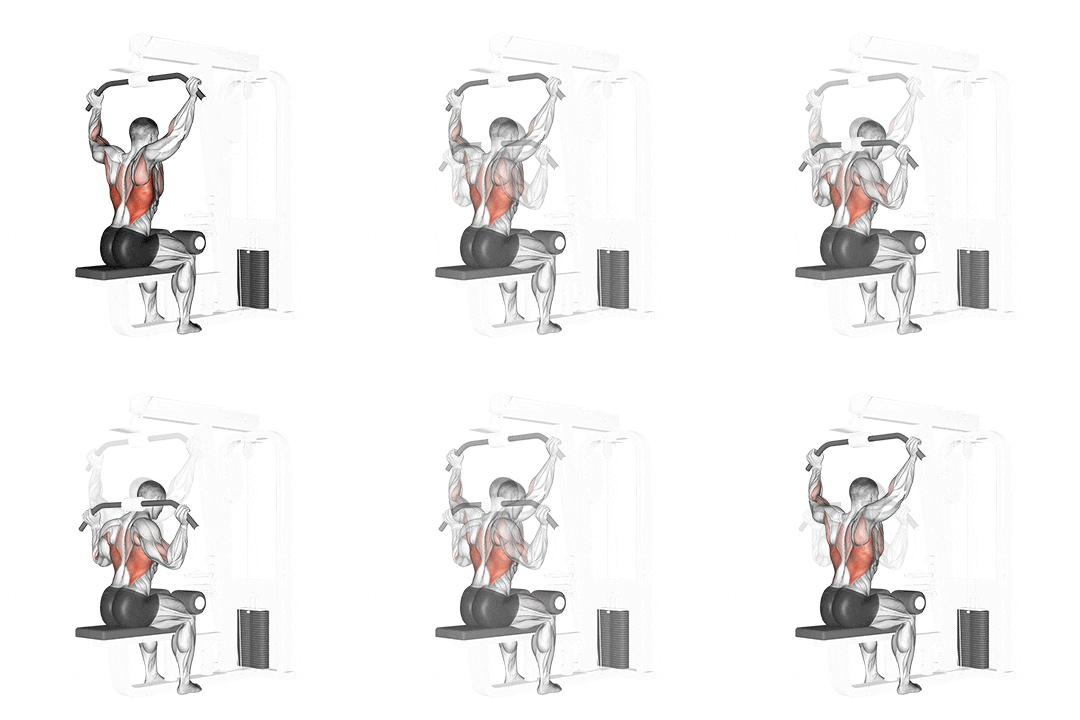
The cable rear pulldown, also known as the cable face pull, is an exercise that primarily targets the muscles of the upper back, including the rear deltoids, rhomboids, and middle trapezius. It also engages the muscles of the shoulders and arms. This exercise helps to improve posture, strengthen the upper back, and promote balanced shoulder development. ##Instructions 1. Start by setting up a cable machine with a rope attachment at the high pulley position. 2. Stand facing the cable machine and grasp the rope handles with an overhand grip (palms facing downward). Position your feet shoulder-width apart. 3. Take a step back to create tension on the cable, and maintain a slight bend in your knees. 4. Keep your back straight, chest up, and shoulders down and relaxed. 5. Begin the movement by retracting your shoulder blades and pulling the rope handles towards your face, leading with your elbows. 6. As you pull, focus on squeezing your upper back muscles and bringing your elbows out and back. 7. Continue pulling until your hands are beside your temples or slightly behind your head, with your elbows pointing out to the sides. 8. Pause briefly at the contracted position, feeling the engagement in your upper back. 9. Slowly reverse the motion, extending your arms forward while maintaining control and tension in the muscles. 10. Repeat for the desired number of repetitions. ##Variations - Wide Grip: Perform the exercise with a wider grip on the rope handles to emphasize different areas of the upper back. - Single-Arm Variation: Perform the exercise one arm at a time by using a single handle attachment. - Resistance Variation: Adjust the weight on the cable machine to increase or decrease the resistance. ##Muscles Worked - Primary muscles: Rear deltoids (posterior deltoids), rhomboids, middle trapezius - Secondary muscles: Biceps, forearm muscles, rotator cuff muscles ##Common Mistakes 1. Using excessive weight: Start with a weight that allows you to maintain proper form and control throughout the movement. Avoid using momentum or jerking motions. 2. Rounding the back: Keep your back straight and maintain a neutral spine throughout the exercise. Avoid rounding or arching your back. 3. Shrugging the shoulders: Keep your shoulders down and relaxed during the movement. Focus on using your upper back muscles to perform the pulling motion. 4. Pulling with the arms instead of the back: Initiate the movement by retracting your shoulder blades and leading with your elbows. Avoid relying solely on your arm strength to perform the exercise. ##Safety Precautions - Prioritize proper form and technique over the amount of weight used. - Warm up adequately before performing the exercise to prepare your muscles for the movement. - If you have any pre-existing shoulder or back injuries or conditions, consult with a healthcare professional before attempting this exercise. - Use a controlled and smooth motion throughout the exercise to minimize the risk of injury. - If you experience pain or discomfort, stop the exercise and seek guidance from a qualified fitness professional or healthcare provider.
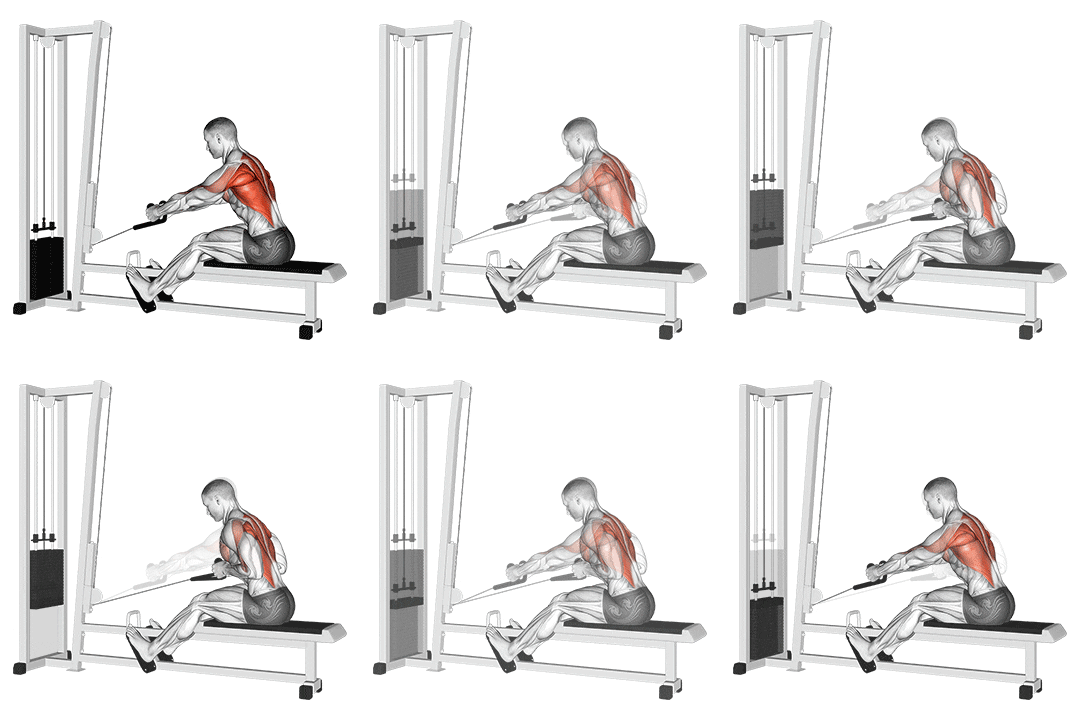
The cable rope elevated seated row is an exercise that targets the muscles of the upper back, including the rhomboids, middle trapezius, and rear deltoids. It also engages the muscles of the biceps and forearms. This exercise helps to improve posture, strengthen the upper back, and enhance overall back development. ##Instructions 1. Start by setting up a cable machine with a rope attachment at the low pulley position. 2. Sit on an elevated bench or platform with your feet flat on the floor. 3. Grasp the rope handles with a neutral grip (palms facing each other). 4. Sit up tall with your chest lifted and maintain a slight natural curve in your lower back. 5. Keep your shoulders down and relaxed. 6. Begin the movement by retracting your shoulder blades and pulling the rope handles towards your torso, leading with your elbows. 7. As you pull, focus on squeezing your upper back muscles and bringing your elbows back and out to the sides. 8. Continue pulling until your hands reach the sides of your torso or slightly behind. 9. Pause briefly at the contracted position, feeling the engagement in your upper back. 10. Slowly extend your arms forward, allowing the rope handles to return to the starting position, while maintaining control and tension in the muscles. 11. Repeat for the desired number of repetitions. ##Variations - Grip Variation: Perform the exercise with an overhand or underhand grip on the rope handles to target different areas of the upper back and arms. - Single-Arm Variation: Perform the exercise one arm at a time by using a single rope handle. - Resistance Variation: Adjust the weight on the cable machine to increase or decrease the resistance. ##Muscles Worked - Primary muscles: Rhomboids, middle trapezius, rear deltoids - Secondary muscles: Biceps, forearm muscles ##Common Mistakes 1. Using excessive weight: Start with a weight that allows you to maintain proper form and control throughout the movement. Avoid using momentum or jerking motions. 2. Rounding the back: Keep your back straight and maintain a neutral spine throughout the exercise. Avoid rounding or arching your back. 3. Shrugging the shoulders: Keep your shoulders down and relaxed during the movement. Focus on using your upper back muscles to perform the rowing motion. 4. Pulling with the arms instead of the back: Initiate the movement by retracting your shoulder blades and leading with your elbows. Avoid relying solely on your arm strength to perform the exercise. ##Safety Precautions - Prioritize proper form and technique over the amount of weight used. - Warm up adequately before performing the exercise to prepare your muscles for the movement. - If you have any pre-existing shoulder or back injuries or conditions, consult with a healthcare professional before attempting this exercise. - Use a controlled and smooth motion throughout the exercise to minimize the risk of injury. - If you experience pain or discomfort, stop the exercise and seek guidance from a qualified fitness professional or healthcare provider.
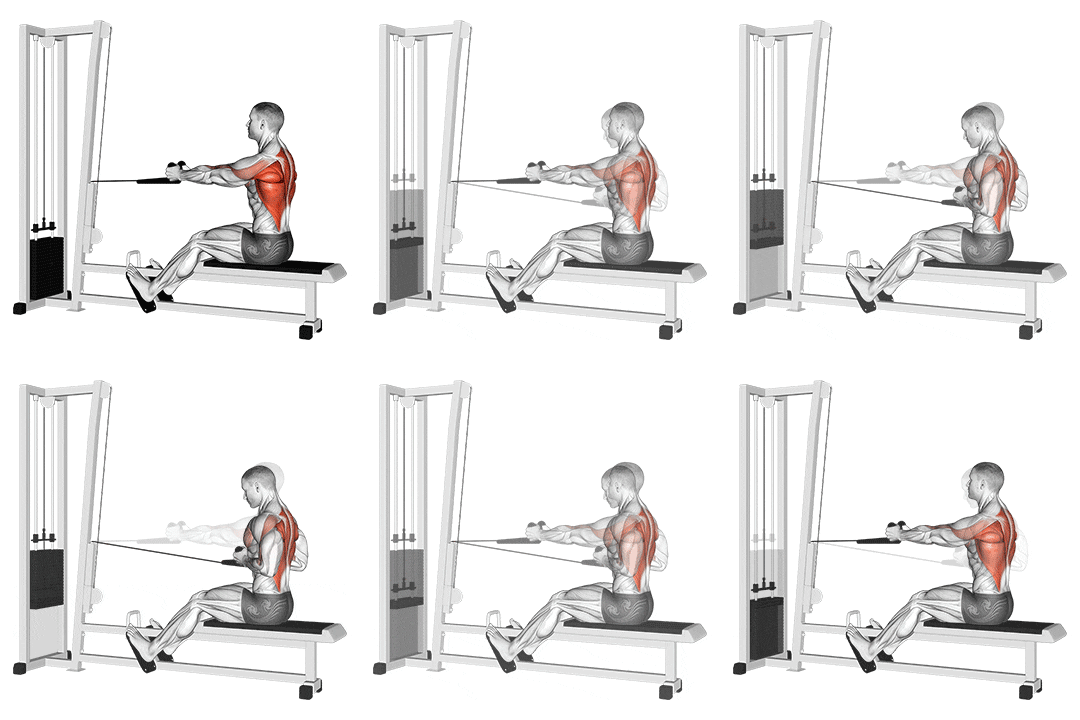
The cable rope seated row is an exercise that primarily targets the muscles of the upper back, including the rhomboids, middle trapezius, and rear deltoids. It also engages the muscles of the biceps and forearms. This exercise helps to improve posture, strengthen the upper back, and promote balanced back development. ##Instructions 1. Start by setting up a cable machine with a rope attachment at the low pulley position. 2. Sit on a bench or seat facing the cable machine, with your feet firmly planted on the floor. 3. Grasp the rope handles with an overhand grip (palms facing downward), and position your hands at shoulder-width apart. 4. Sit up tall with your chest lifted and maintain a slight natural curve in your lower back. 5. Keep your shoulders down and relaxed. 6. Begin the movement by retracting your shoulder blades and pulling the rope handles toward your torso, leading with your elbows. 7. As you pull, focus on squeezing your upper back muscles and bringing your elbows back and out to the sides. 8. Continue pulling until your hands reach the sides of your torso or slightly behind. 9. Pause briefly at the contracted position, feeling the engagement in your upper back. 10. Slowly extend your arms forward, allowing the rope handles to return to the starting position, while maintaining control and tension in the muscles. 11. Repeat for the desired number of repetitions. ##Variations - Grip Variation: Perform the exercise with an underhand grip (palms facing upward) or a neutral grip (palms facing each other) to target different areas of the upper back and arms. - Single-Arm Variation: Perform the exercise one arm at a time by using a single rope handle. - Resistance Variation: Adjust the weight on the cable machine to increase or decrease the resistance. ##Muscles Worked - Primary muscles: Rhomboids, middle trapezius, rear deltoids - Secondary muscles: Biceps, forearm muscles ##Common Mistakes 1. Using excessive weight: Start with a weight that allows you to maintain proper form and control throughout the movement. Avoid using momentum or jerking motions. 2. Rounding the back: Keep your back straight and maintain a neutral spine throughout the exercise. Avoid rounding or arching your back. 3. Shrugging the shoulders: Keep your shoulders down and relaxed during the movement. Focus on using your upper back muscles to perform the rowing motion. 4. Pulling with the arms instead of the back: Initiate the movement by retracting your shoulder blades and leading with your elbows. Avoid relying solely on your arm strength to perform the exercise. ##Safety Precautions - Prioritize proper form and technique over the amount of weight used. - Warm up adequately before performing the exercise to prepare your muscles for the movement. - If you have any pre-existing shoulder or back injuries or conditions, consult with a healthcare professional before attempting this exercise. - Use a controlled and smooth motion throughout the exercise to minimize the risk of injury. - If you experience pain or discomfort, stop the exercise and seek guidance from a qualified fitness professional or healthcare provider.