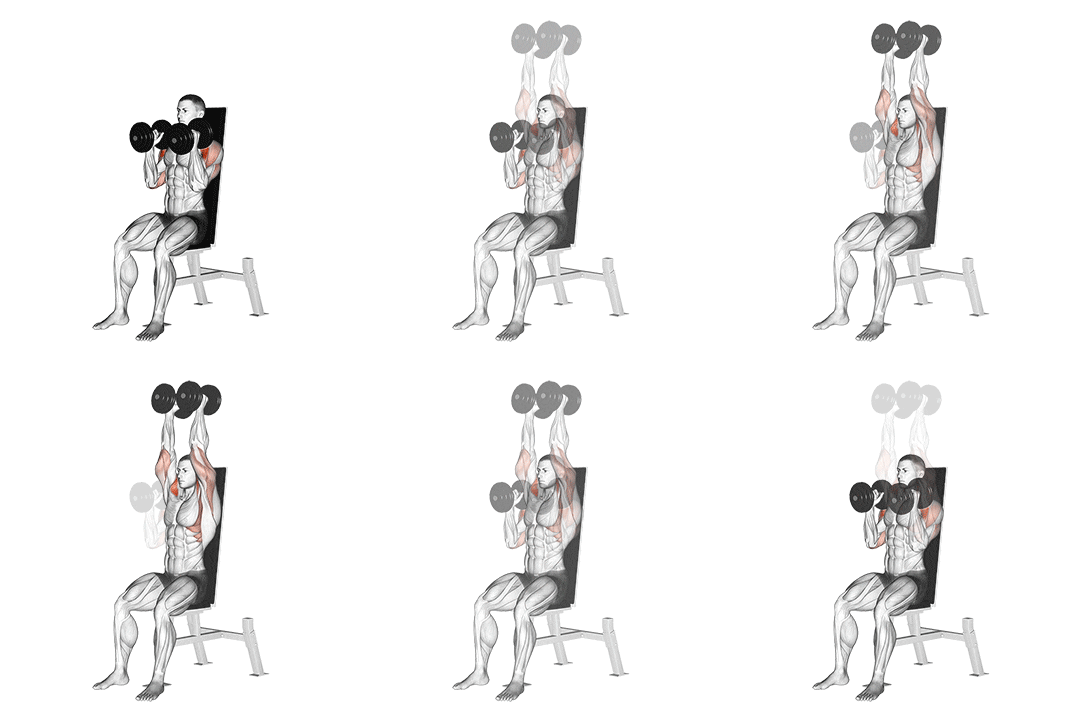
The Dumbbell Seated Shoulder Press with a parallel grip is a variation of the traditional shoulder press exercise. It targets the muscles of the shoulders, particularly the deltoids (anterior, medial, and posterior heads), and also engages the triceps and upper back muscles. The parallel grip, with palms facing each other, provides a different hand position and grip variation, which can help improve shoulder stability and activate the muscles in a slightly different way compared to other grip variations. ## Instructions 1. Sit on a bench with a backrest, holding a dumbbell in each hand with a neutral grip (palms facing each other), at shoulder level. 2. Keep your feet firmly planted on the floor, hip-width apart. 3. Engage your core and maintain a straight back. 4. Start with your upper arms parallel to the floor and elbows bent, forming a 90-degree angle. 5. Press the dumbbells upward by extending your arms fully, while keeping your wrists straight and elbows slightly forward. 6. As you press upward, make sure the dumbbells remain parallel to each other and avoid them coming closer or drifting apart. 7. Continue pressing until your arms are fully extended overhead but without locking out the elbows. 8. Hold the contracted position briefly, feeling the tension in your shoulder muscles. 9. Lower the dumbbells back down to shoulder level in a controlled manner, maintaining control throughout the descent. 10. Repeat the movement for the desired number of repetitions. ## Variations - Alternating Dumbbell Seated Shoulder Press (Parallel Grip): Perform the exercise one arm at a time, alternating between each arm. - Barbell Seated Shoulder Press (Parallel Grip): Use a barbell instead of dumbbells, maintaining the same form and range of motion with a parallel grip. - Arnold Press (Parallel Grip): Start with the dumbbells in a neutral grip (palms facing your body) and rotate them outward as you press them overhead. ## Muscles Worked - Primary Muscles: Deltoids (anterior, medial, and posterior heads) - Secondary Muscles: Triceps brachii, upper back muscles (trapezius, rhomboids) ## Common Mistakes - Arching the lower back: Maintain proper posture with a neutral spine and avoid excessive arching or leaning backward during the exercise. - Using momentum: Avoid using your body's momentum to lift the dumbbells. Focus on controlled movements and a controlled pace. - Locking out the elbows: Keep a slight bend in your elbows at the top of the movement to prevent excessive stress on the joints. - Shrugging the shoulders: Keep your shoulders down and away from your ears throughout the exercise. Avoid shrugging or tensing the neck and shoulder muscles. - Allowing the dumbbells to drift apart or come closer together: Maintain a parallel grip throughout the movement, ensuring the dumbbells stay parallel to each other. ## Safety Precautions - Choose an appropriate weight that allows you to maintain proper form and control throughout the exercise. - If you have any pre-existing shoulder or upper body injuries, consult with a healthcare professional before attempting this exercise. - Perform the exercise in a slow and controlled manner, focusing on maintaining stability and proper range of motion. - Avoid jerking or using excessive momentum to lift the dumbbells, as this can lead to injury. - If you experience pain or discomfort in your shoulders or any other areas, discontinue the exercise and seek medical advice.
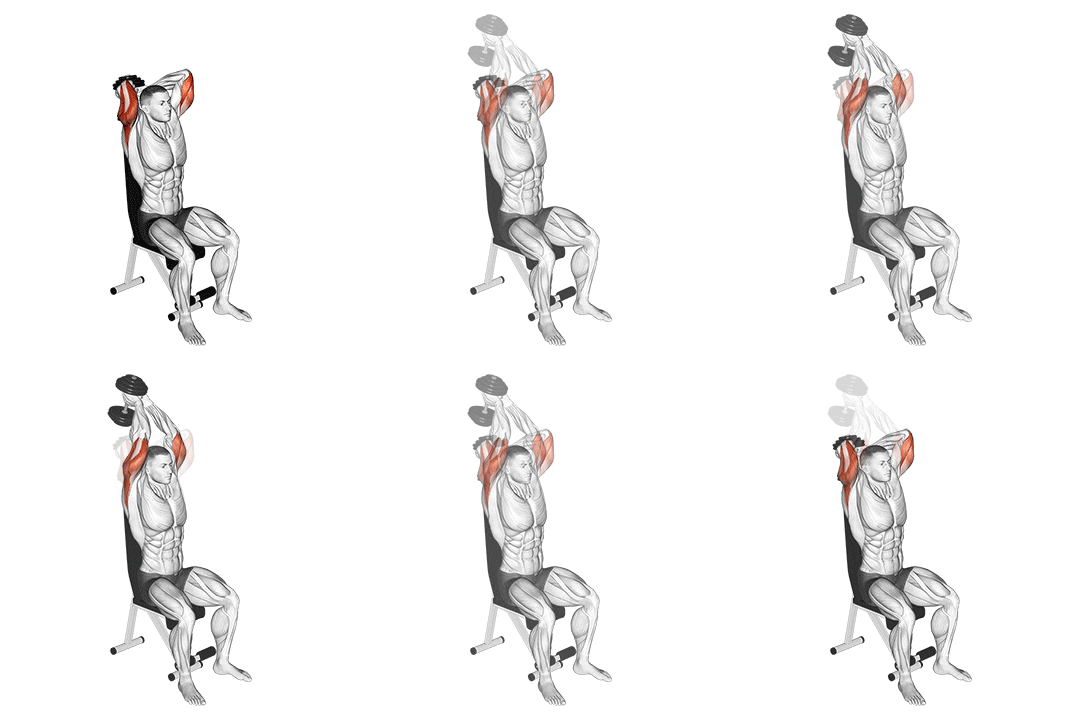
The dumbbell seated triceps extension, also known as the dumbbell skull crusher, is an exercise that primarily targets the triceps muscles located on the back of the upper arm. It involves extending the elbows while holding dumbbells, effectively working the triceps and helping to improve arm strength and definition. ## Instructions 1. Sit on a bench with back support and hold a dumbbell in each hand. 2. Place your feet flat on the floor and maintain a neutral spine position. 3. Hold the dumbbells with an overhand grip (palms facing down) and extend your arms fully overhead. 4. Keep your upper arms close to your head, perpendicular to the floor, and elbows pointing forward. 5. Inhale and slowly lower the dumbbells by bending your elbows, allowing them to lower towards the sides of your head. 6. Keep your upper arms stationary and avoid flaring your elbows out to the sides. 7. Continue lowering the dumbbells until you feel a stretch in your triceps, but make sure to maintain control throughout the movement. 8. Pause briefly at the bottom of the movement, then exhale and extend your arms back to the starting position by contracting your triceps. 9. Repeat for the desired number of repetitions. ## Variations - One-Arm Seated Triceps Extension: Perform the exercise one arm at a time, focusing on each tricep individually. - Seated Triceps Extension with Resistance Bands: If you don't have access to dumbbells, you can use resistance bands anchored to a sturdy object to perform the exercise. ## Muscles Worked The main muscles targeted during the dumbbell seated triceps extension are: - Triceps Brachii (all three heads) - Anconeus (assisting muscle) ## Common Mistakes - Using excessive weight: Start with a weight that allows you to maintain proper form and control. Avoid using momentum or swinging the weights. - Allowing the elbows to flare out: Keep your upper arms stationary and your elbows pointing forward throughout the movement. Avoid allowing your elbows to flare out to the sides. - Arching the back: Maintain proper posture and avoid arching your back during the exercise. Keep your core engaged and your spine neutral. ## Safety Precautions - Choose an appropriate weight that allows you to maintain proper form and control. - If you have any pre-existing conditions or injuries, particularly in the shoulders, elbows, or wrists, consult with a healthcare professional before performing this exercise. - If you experience pain or discomfort during the exercise, stop immediately and consult a qualified fitness professional or healthcare provider. - Ensure that the bench you're sitting on is stable and securely positioned.
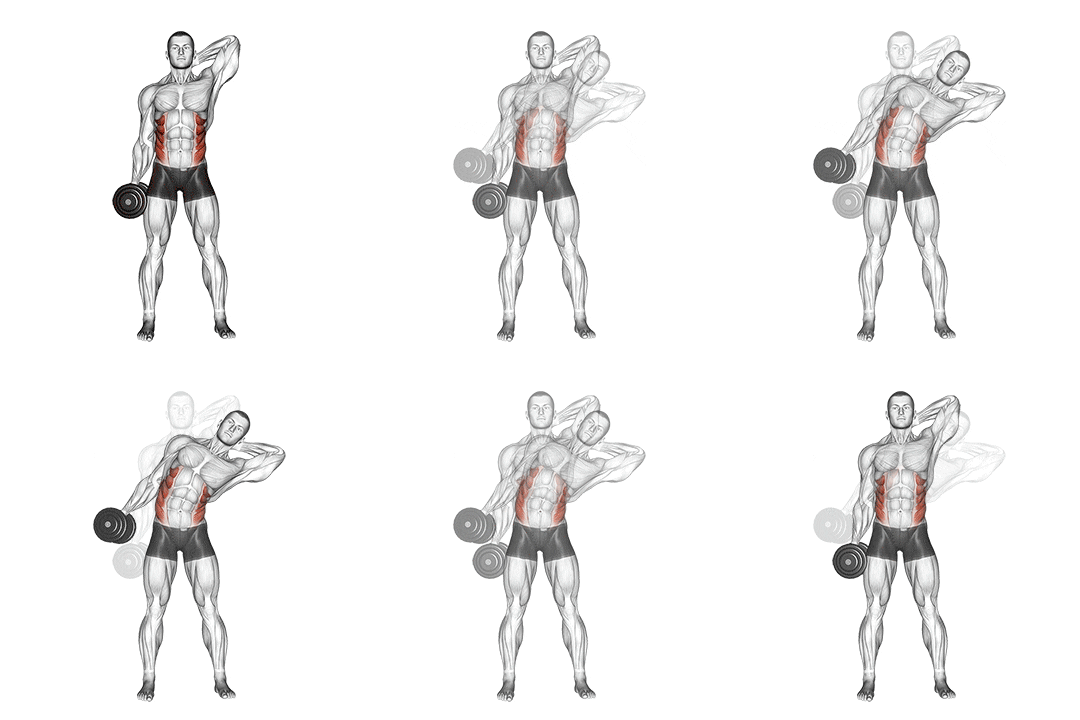
The dumbbell side bend is an exercise that primarily targets the muscles of the obliques, which are located on the sides of the abdomen. It involves a lateral bending motion of the spine and is commonly used to strengthen and tone the oblique muscles. The exercise helps improve core stability, enhances waist definition, and can contribute to overall functional strength. ## Instructions 1. Stand up straight with your feet shoulder-width apart and hold a dumbbell in one hand, palm facing inward. 2. Keep your back straight, engage your core, and place your free hand on your hip or let it hang naturally by your side. 3. Begin the movement by slowly bending directly to the side, lowering the dumbbell towards the floor. 4. Keep your hips and upper body aligned and avoid leaning forward or backward. 5. Lower the dumbbell as far as comfortably possible while maintaining control and feeling a stretch on the opposite side of the body. 6. Pause for a moment at the bottom of the movement, then slowly return to the starting position. 7. Repeat the exercise for the desired number of repetitions, then switch sides and repeat with the dumbbell in the other hand. ## Variations - **Dumbbell Side Bend on Stability Ball**: Perform the exercise while sitting on a stability ball, which adds an element of instability and engages additional core muscles. - **Cable Side Bend**: Instead of using dumbbells, use a cable machine with a handle attachment to perform the side bend exercise. - **Weighted Side Bend Machine**: If available, you can use a side bend machine at the gym, which provides a guided range of motion and allows for increased resistance. ## Muscles Worked The main muscles worked during the dumbbell side bend are: - Obliques (internal and external) - Quadratus lumborum (assisting muscle) - Erector spinae (assisting muscle) ## Common Mistakes - **Bending too far**: Avoid excessive bending or leaning, as it can strain the muscles and potentially lead to injury. Focus on controlled and moderate range of motion. - **Using momentum**: Resist the temptation to use momentum to swing the dumbbell. Instead, perform the exercise slowly and with proper form. - **Rounding the shoulders**: Keep your shoulders back and down throughout the movement, maintaining good posture. - **Neglecting the core**: Engage your core muscles throughout the exercise to stabilize your spine and maximize the effectiveness of the movement. ## Safety Precautions - **Start with lighter weights**: Begin with lighter dumbbells to allow your body to adapt to the exercise and gradually increase the weight as you gain strength and confidence. - **Maintain proper alignment**: Keep your spine aligned and avoid excessive twisting or leaning to prevent strain on your back. - **Breathe properly**: Remember to breathe continuously and avoid holding your breath during the exercise. - **Consult a professional**: If you have any pre-existing back or spine conditions, it's advisable to consult a fitness professional or healthcare provider before attempting this exercise to ensure it is suitable for you.
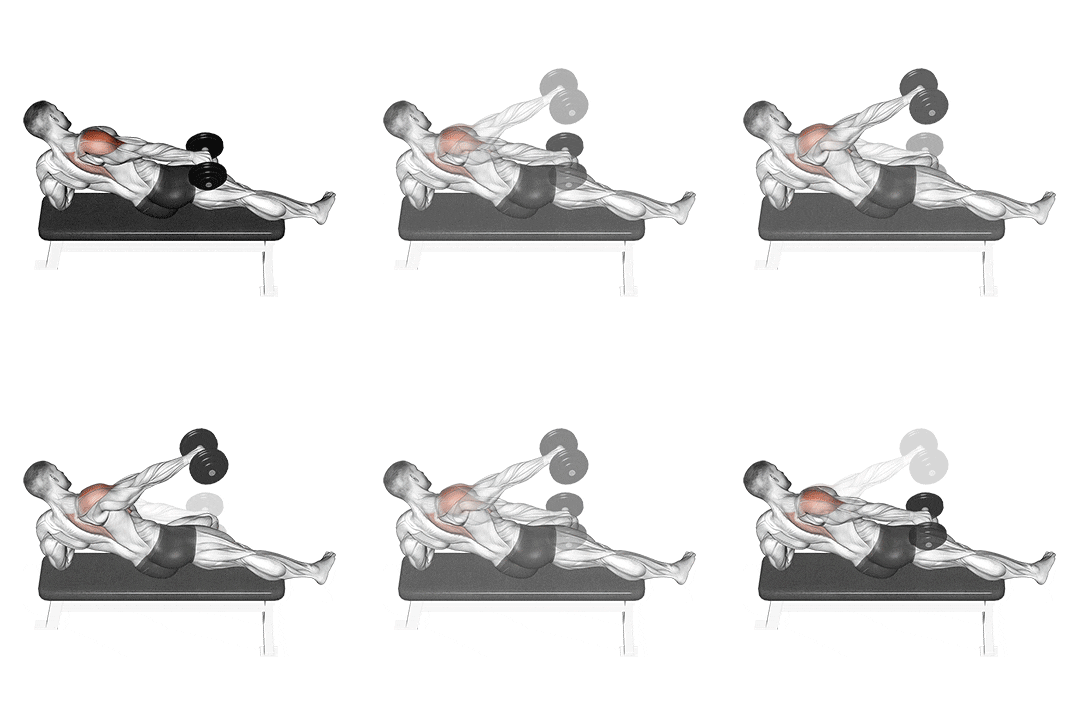
The dumbbell side lying one-arm raise is an exercise that primarily targets the lateral deltoid muscles, which are located on the sides of the shoulders. It is an effective isolation exercise for strengthening and developing the shoulder muscles. This exercise helps improve shoulder stability, enhances shoulder aesthetics, and can contribute to overall upper body strength. ## Instructions 1. Lie down on your side on a mat or bench, ensuring your body is straight and aligned. 2. Hold a dumbbell in your top hand, with your palm facing your body. Your arm should be extended and resting along your thigh. 3. Keep your legs together, and your bottom arm extended along the floor for stability. 4. Engage your core muscles to maintain proper alignment throughout the exercise. 5. Begin the movement by raising the dumbbell directly out to the side, maintaining a slight bend in your elbow. 6. Continue raising the dumbbell until your arm is parallel to the floor, or slightly above shoulder level. 7. Hold the contracted position for a brief moment, focusing on squeezing your lateral deltoid muscle. 8. Slowly lower the dumbbell back down to the starting position in a controlled manner. 9. Repeat the exercise for the desired number of repetitions on one side before switching to the other side. ## Variations - **Dumbbell Side Lying Lateral Raise**: Instead of raising the arm to the side, raise it forward in front of your body, targeting the anterior deltoids. - **Seated Dumbbell Lateral Raise**: Sit on a bench or chair and perform the lateral raise while keeping your back supported and upright. - **Resistance Band Side Lying Raise**: Use a resistance band instead of dumbbells to provide variable resistance throughout the exercise. ## Muscles Worked The main muscles worked during dumbbell side lying one-arm raise are: - Lateral Deltoid (shoulder) - Anterior Deltoid (secondary) - Trapezius (stabilizer) ## Common Mistakes - **Using excessive weight**: Avoid using weights that are too heavy, as it can compromise your form and lead to swinging or using momentum to lift the weight. - **Raising the arm too high**: Focus on raising the dumbbell until your arm is parallel to the floor or slightly above shoulder level. Avoid excessive shoulder elevation, as it can strain the muscles and joints. - **Lifting with the neck or back**: Keep your neck and back aligned and stable throughout the exercise. Avoid using these muscles to assist in the movement. - **Not controlling the lowering phase**: Lower the dumbbell in a controlled manner, resisting the urge to let it drop quickly. This helps maintain tension on the muscles and ensures proper form. ## Safety Precautions - **Start with lighter weights**: Begin with lighter dumbbells to master the technique and ensure proper control and form. - **Maintain proper alignment**: Keep your body in a straight line and avoid excessive twisting or bending during the exercise. - **Avoid shoulder impingement**: If you experience any pain or discomfort in your shoulder, modify the range of motion or consult a fitness professional for guidance. - **Breathe and stay relaxed**: Remember to breathe throughout the exercise and avoid tensing up or holding your breath, as it can lead to unnecessary strain.
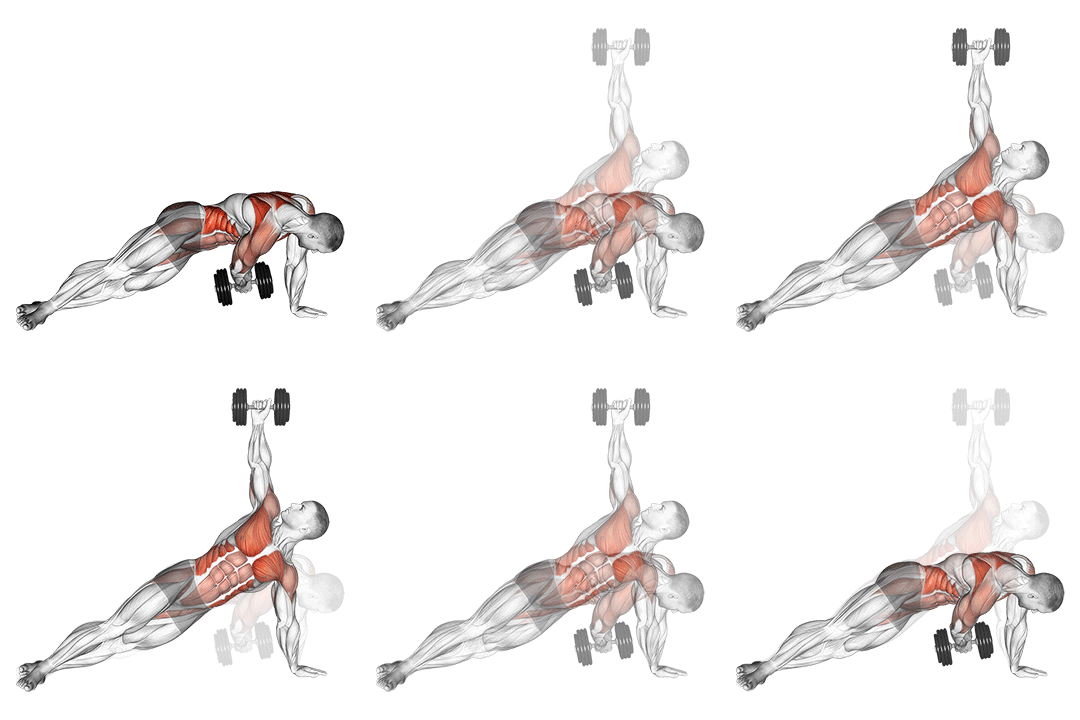
The dumbbell side plank with rear fly is a compound exercise that targets multiple muscle groups simultaneously. It primarily focuses on the muscles of the core, including the obliques and the deep stabilizing muscles, while also engaging the muscles of the upper back and shoulders. This exercise combines the benefits of side planks, which strengthen the core, with rear fly movements, which work the upper back muscles. It helps improve core stability, shoulder strength, and posture. ## Instructions 1. Start by lying on your side with your legs extended and stacked on top of each other. Place your forearm on the floor perpendicular to your body, elbow directly under your shoulder. 2. Engage your core and lift your hips off the floor, forming a straight line from your head to your feet. This is the starting position. 3. Hold a dumbbell in your free hand with an overhand grip. 4. While maintaining the side plank position, slowly lift the dumbbell straight up towards the ceiling, squeezing your shoulder blade. 5. Pause for a moment at the top of the movement, feeling the contraction in your upper back muscles. 6. Slowly lower the dumbbell back down to the starting position with control. 7. Repeat the exercise for the desired number of repetitions, then switch sides and repeat with the dumbbell in the other hand. ## Variations - **Modified Side Plank**: If the full side plank is challenging, you can modify by bending your lower knee and placing it on the ground for added support. - **Bodyweight Side Plank with Rear Fly**: Perform the exercise without using dumbbells, focusing on the bodyweight movement. Once you have mastered the technique, you can progress to using weights. - **Resistance Band Side Plank with Rear Fly**: Attach a resistance band to a sturdy anchor point and perform the rear fly movement while holding onto the band handles. ## Muscles Worked The main muscles worked during the dumbbell side plank with rear fly are: - Obliques (internal and external) - Transverse abdominis - Rhomboids - Posterior deltoids - Middle trapezius - Infraspinatus - Teres minor ## Common Mistakes - **Dropping the hips**: Avoid letting your hips sag or drop during the exercise. Keep your body in a straight line throughout the movement. - **Using excessive weight**: Choose an appropriate dumbbell weight that allows you to maintain proper form and control throughout the exercise. - **Lifting the dumbbell too high**: Lift the dumbbell until your upper arm is parallel to the ground, focusing on the contraction of the upper back muscles. - **Neglecting core engagement**: Remember to engage your core muscles and maintain a stable side plank position throughout the exercise. ## Safety Precautions - **Build core strength first**: Ensure you have a solid foundation of core strength and stability before attempting the side plank with rear fly exercise. - **Maintain proper form**: Pay attention to your body alignment, keeping a straight line from head to toe during the side plank position. - **Start with light weights**: Begin with lighter dumbbells to allow your muscles and stabilizers to adapt to the exercise, gradually increasing the weight as you progress. - **Consult a professional**: If you have any existing shoulder or back issues, it's advisable to consult a fitness professional or healthcare provider before attempting this exercise to ensure it is suitable for you.
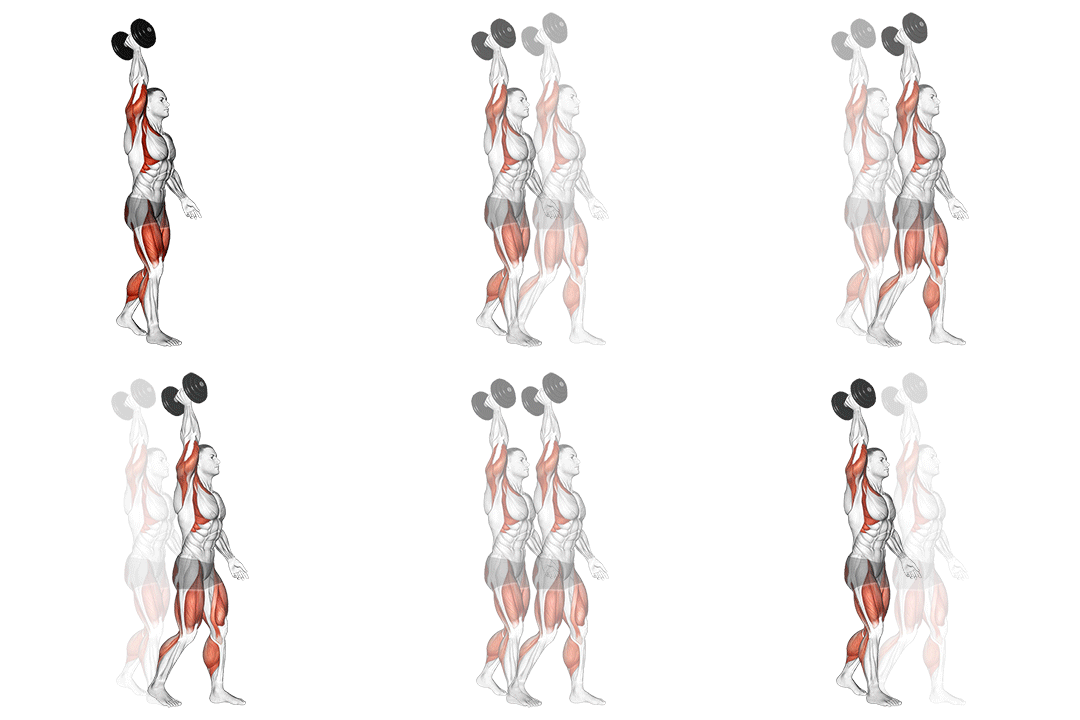
The dumbbell single arm overhead carry is a functional exercise that targets the core muscles, shoulder stabilizers, and upper body strength. It involves carrying a dumbbell overhead while maintaining an upright posture and engaging the core muscles. This exercise helps improve shoulder stability, grip strength, and overall body stability and control. ## Instructions 1. Start by standing up straight with your feet shoulder-width apart. 2. Hold a dumbbell in one hand, grasping it firmly with an overhand grip. 3. Lift the dumbbell overhead, fully extending your arm with the weight directly above your shoulder. 4. Keep your shoulder down and away from your ear, and maintain a tight core. 5. Begin walking slowly and deliberately, taking small steps forward while keeping the dumbbell stable overhead. 6. As you walk, focus on maintaining an upright posture, engaging your core, and avoiding excessive leaning or swaying. 7. Continue walking for a designated distance or for a specific period of time. 8. Once you've completed one side, switch the dumbbell to the other hand and repeat the exercise. ## Variations - **Farmers Carry**: Instead of holding the dumbbell overhead, carry a dumbbell in each hand by your sides, focusing on maintaining an upright posture and engaging the core muscles. - **Bottoms-Up Carry**: Hold the dumbbell upside down, with the bottom of the weight facing upward. Carry it in one hand, focusing on grip strength and shoulder stability. ## Muscles Worked The main muscles worked during the dumbbell single arm overhead carry are: - Shoulder stabilizers (Rotator cuff muscles) - Deltoids (Shoulder muscles) - Trapezius (Upper back) - Core muscles (Abdominals, obliques) ## Common Mistakes - **Arching the lower back**: Maintain proper posture by avoiding excessive arching or leaning backward. Engage your core muscles to stabilize your spine throughout the exercise. - **Dropping the shoulder**: Keep your shoulder down and away from your ear. Avoid shrugging or allowing your shoulder to rise up towards your ear. - **Unstable overhead position**: Focus on maintaining a stable position of the dumbbell overhead. Avoid excessive swinging or wobbling of the weight. - **Walking too fast**: Start with slow and controlled steps to ensure stability and proper form. Increase your speed only when you feel comfortable and confident with the exercise. ## Safety Precautions - **Choose an appropriate weight**: Begin with a lighter dumbbell to master the exercise technique and gradually increase the weight as your strength and stability improve. - **Clear the workout space**: Ensure you have enough space to walk without any obstacles or tripping hazards. - **Focus on grip strength**: Maintain a firm grip on the dumbbell throughout the exercise to prevent it from slipping or falling. - **Be cautious of fatigue**: If you feel excessive fatigue or loss of control during the exercise, safely lower the dumbbell and rest. - **Consult a professional**: If you have any pre-existing shoulder or back issues, it's recommended to consult a fitness professional or healthcare provider before attempting this exercise to ensure it is safe for you.
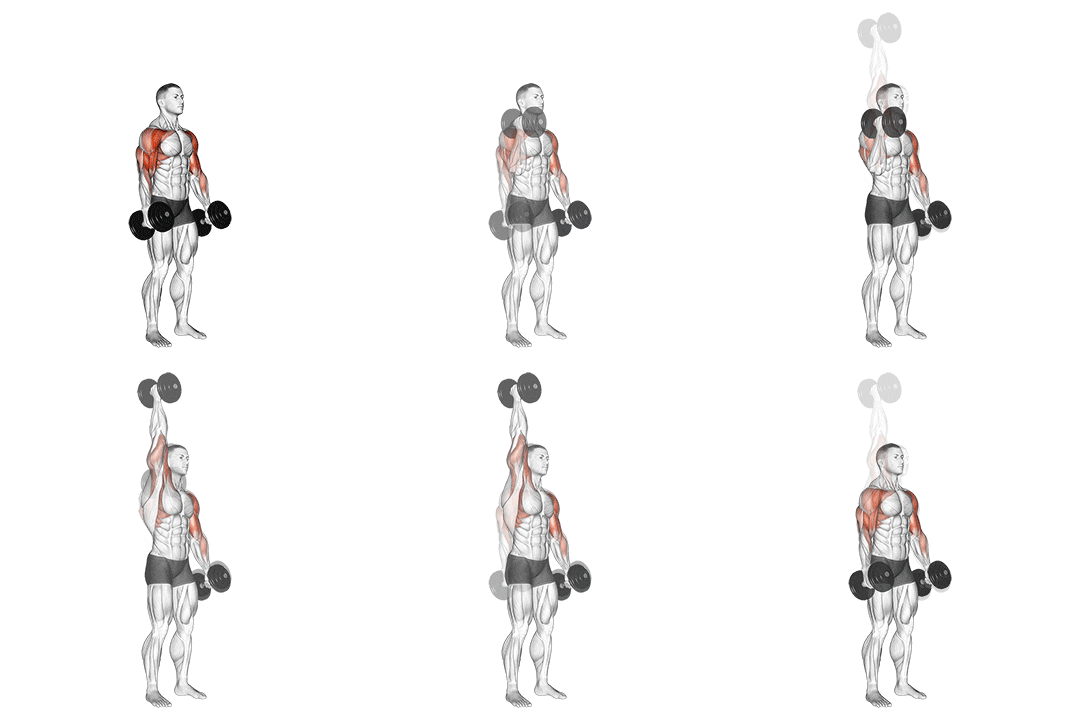
The dumbbell standing alternate hammer curl and press is a compound exercise that targets multiple muscle groups, including the biceps, shoulders, and triceps. It combines the hammer curl and overhead press into one fluid movement, providing benefits for both strength and muscle development in the upper body. ## Instructions 1. Start by standing with your feet shoulder-width apart, holding a dumbbell in each hand at your sides, palms facing your body (hammer grip). 2. Keep your head up, chest lifted, and maintain a neutral spine throughout the exercise. 3. Begin the movement by curling one dumbbell up towards your shoulder while keeping your upper arm stationary. Keep your palm facing your body throughout the curl. 4. Once the dumbbell reaches shoulder level, immediately press it overhead by extending your arm upward. 5. At the top of the press, your arm should be fully extended, and the dumbbell should be directly above your shoulder. 6. Lower the dumbbell back down to the starting position in a controlled manner. 7. Repeat the movement on the opposite arm, alternating between curls and presses with each repetition. 8. Continue alternating arms for the desired number of repetitions. ## Variations - Seated Alternate Hammer Curl and Press: Perform the exercise while seated on a bench or chair, which provides stability and isolates the upper body muscles. - Alternating Hammer Curl and Push Press: Instead of a strict press, use a slight leg dip and drive upward to generate momentum for the press. This variation incorporates leg power and can be more challenging. - Single-Arm Hammer Curl and Press: Perform the exercise one arm at a time, focusing on each arm independently. ## Muscles Worked - Biceps (brachii) - Shoulders (deltoids) - Triceps (brachii) - Forearms (brachioradialis) - Upper back muscles (rhomboids, trapezius) ## Common Mistakes - Using momentum: Avoid swinging the dumbbells or using excessive body movement to generate momentum. Keep the movements controlled and isolated to the targeted muscles. - Not maintaining proper form: Ensure that your core is engaged, shoulders are back and down, and elbows are stationary during the curl and press motions. - Gripping the dumbbells too tightly: Maintain a firm grip on the dumbbells, but avoid excessive tension in your hands and forearms. - Rounding the back: Keep your back straight and avoid rounding the shoulders or upper back during the movement. ## Safety Precautions - Choose an appropriate weight that allows you to maintain proper form throughout the exercise. - Warm up your shoulders, wrists, and elbows before starting the exercise to reduce the risk of injury. - If you have any shoulder or elbow issues, consider using lighter weights or consulting with a healthcare professional before performing this exercise. - Avoid hyperextending your back or locking your elbows at the top of the press. Maintain control and a slight bend in the elbows. - If you experience pain or discomfort during the exercise, stop and reassess your form or reduce the weight being lifted.
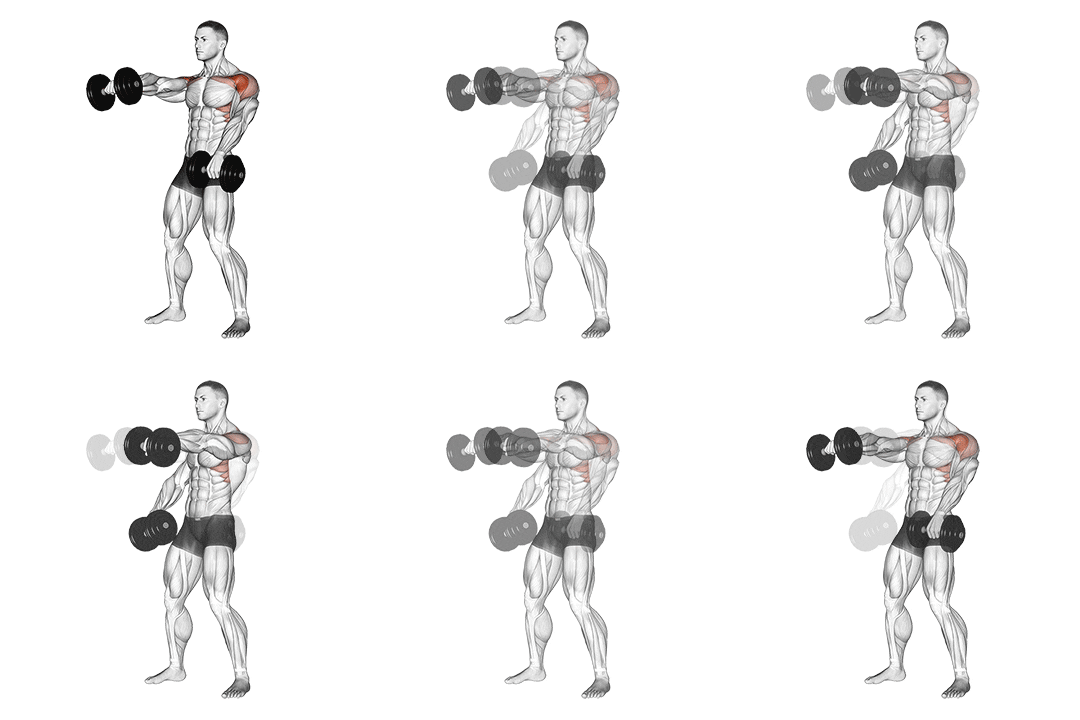
The dumbbell standing alternate raise is an isolation exercise that primarily targets the shoulder muscles, specifically the anterior deltoids (front of the shoulders). It also engages the muscles of the upper back and arms. This exercise helps to strengthen and tone the shoulder muscles, improving overall shoulder stability and function. ## Instructions 1. Stand with your feet shoulder-width apart, holding a dumbbell in each hand with your palms facing inward towards your body. Let your arms hang naturally at your sides. This is your starting position. 2. Keep your core engaged and maintain a neutral spine throughout the exercise. 3. Begin the movement by raising one dumbbell out to the front of your body with a slight bend in your elbow. Keep your wrist straight and your arm parallel to the ground. Exhale during this phase. 4. Continue to raise the dumbbell until your arm is at shoulder level or slightly higher. 5. Pause for a brief moment at the top of the movement, focusing on contracting the shoulder muscles. 6. Slowly lower the dumbbell back to the starting position in a controlled manner while simultaneously raising the other dumbbell. Inhale during this phase. 7. Continue alternating the raising motion, ensuring a smooth and controlled movement. 8. Repeat for the desired number of repetitions on each arm. ## Variations - Lateral Raise: Instead of raising the dumbbell to the front, raise it out to the side of your body, targeting the lateral deltoids (sides of the shoulders). - Bent-Over Dumbbell Raise: Bend forward at the hips, keeping your back straight. Raise the dumbbells to the sides while maintaining the bent-over position. This variation targets the posterior deltoids (back of the shoulders) and upper back muscles. - Single-Arm Dumbbell Raise: Perform the exercise with one arm at a time, focusing on stability and control. ## Muscles Worked - Anterior deltoids (front of the shoulders) - Lateral deltoids (sides of the shoulders) - Upper back muscles (trapezius, rhomboids) - Biceps and forearms (secondary muscles) ## Common Mistakes - Using excessive momentum: Avoid swinging or using momentum to lift the weights. Focus on controlled movements throughout the exercise. - Raising the arms too high: Aim to raise the dumbbell to shoulder level or slightly higher. Avoid excessively high lifting, as it may strain the shoulder joints. - Shrugging the shoulders: Keep your shoulders relaxed and avoid shrugging them towards your ears. Maintain proper posture throughout the exercise. - Arching the lower back: Engage your core muscles and maintain a neutral spine. Avoid excessive arching or overarching the lower back. ## Safety Precautions - Use weights that are appropriate for your strength and fitness level. Start with lighter weights and gradually increase as you progress. - If you have any shoulder or elbow injuries, consult with a healthcare professional before attempting this exercise. - Keep the movement controlled and avoid jerking or swinging the weights, as this can increase the risk of injury. - If you experience any pain or discomfort during the exercise, stop and consult with a fitness professional or healthcare provider.
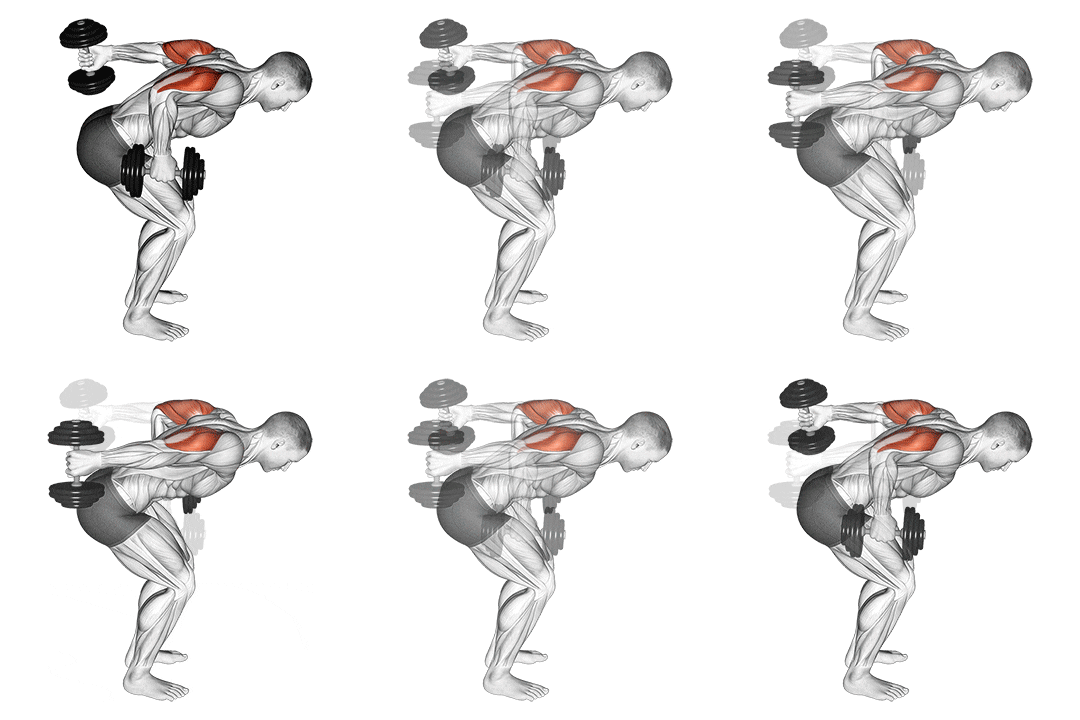
The dumbbell standing alternating tricep kickback is an isolation exercise that specifically targets the triceps, the muscles located at the back of the upper arm. This exercise helps to strengthen and tone the triceps, improving the overall appearance and definition of the arms. ## Instructions 1. Stand with your feet shoulder-width apart, holding a dumbbell in each hand. Bend your knees slightly and hinge forward at the hips, maintaining a flat back and a neutral spine. Your upper body should be almost parallel to the ground. This is your starting position. 2. Keep your core engaged and your elbows tucked in close to your sides throughout the exercise. 3. Begin the movement by extending your right arm straight back while keeping your upper arm stationary. Your forearm should be parallel to the ground, and your palm should be facing inward. Exhale during this phase. 4. Hold the contracted position for a brief moment, focusing on squeezing the tricep muscle. 5. Slowly lower the dumbbell back to the starting position in a controlled manner. 6. Repeat the movement with your left arm while maintaining the same posture and form. 7. Continue alternating the movement, ensuring a smooth and controlled motion. 8. Repeat for the desired number of repetitions on each arm. ## Variations - Seated Alternating Tricep Kickback: Perform the exercise while seated on a bench or stability ball, maintaining the same posture and form. - Double Arm Tricep Kickback: Instead of alternating arms, perform the kickback movement simultaneously with both arms. - Resistance Band Tricep Kickback: Use a resistance band instead of dumbbells, holding one end in each hand. The resistance band provides a different type of resistance throughout the movement. ## Muscles Worked - Triceps (back of the upper arms) - Posterior deltoids (back of the shoulders) - Rhomboids (upper back) ## Common Mistakes - Using excessive weight: Choose dumbbells that allow you to maintain proper form and perform the movement with control. Using too much weight can lead to poor technique and increased risk of injury. - Raising the upper arm: Keep your upper arm stationary throughout the exercise. Avoid swinging or using momentum to lift the weight. - Allowing the shoulders to round or hunch: Maintain proper posture with a flat back and a neutral spine. Avoid rounding or hunching the shoulders. - Failing to fully extend the arm: Ensure that you fully extend your arm during the movement, with the forearm parallel to the ground, to engage the tricep muscle effectively. ## Safety Precautions - Use weights that are appropriate for your strength and fitness level. Start with lighter weights and gradually increase as you progress. - If you have any elbow or shoulder injuries, consult with a healthcare professional before attempting this exercise. - Keep the movement controlled and avoid jerking or swinging the weights, as this can increase the risk of injury. - If you experience any pain or discomfort during the exercise, stop and consult with a fitness professional or healthcare provider.