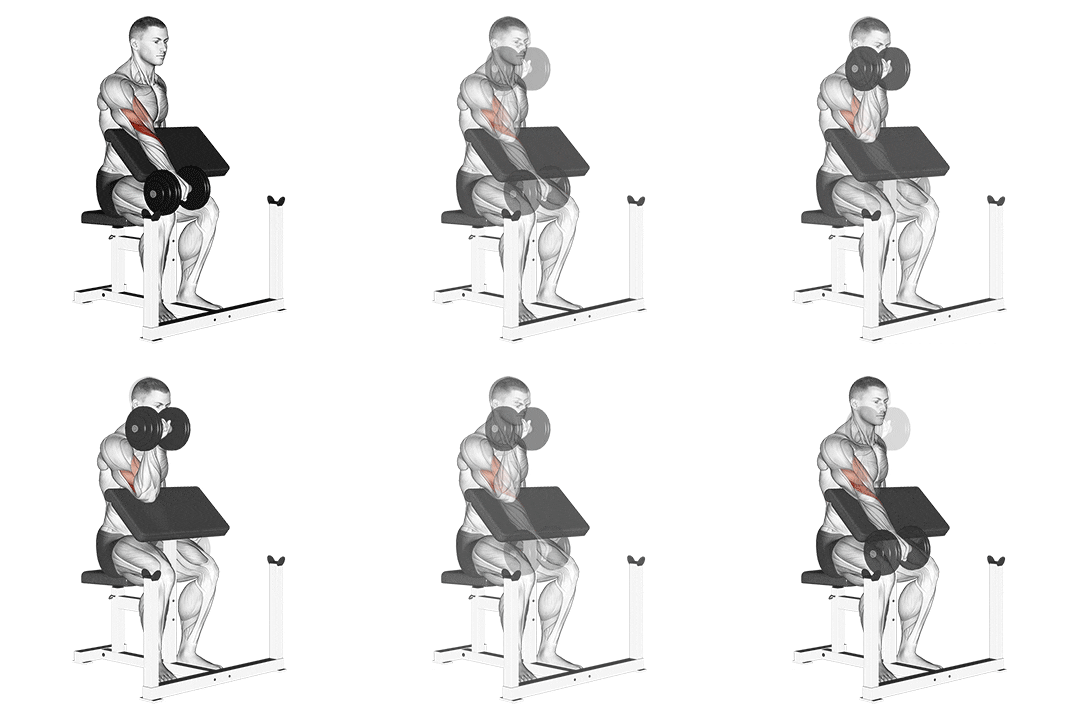
The Dumbbell One Arm Reverse Preacher Curl is an exercise that primarily targets the biceps muscles. It specifically focuses on the brachialis and brachioradialis muscles, which are located in the front part of the upper arm. This exercise helps to develop and strengthen the biceps, improving arm aesthetics and functional upper body strength. ## Instructions 1. Adjust a preacher curl bench to a comfortable height, ensuring that your armpit rests comfortably at the top of the pad. 2. Sit on the preacher curl bench and hold a dumbbell in one hand with an underhand grip (palms facing up). 3. Rest the back of your upper arm (triceps) against the pad, allowing your arm to fully extend down. 4. Keep your feet flat on the floor and your back straight throughout the exercise. 5. Begin the movement by flexing your elbow, curling the dumbbell upward towards your shoulder while keeping your upper arm stationary against the pad. 6. Squeeze your biceps at the top of the movement, then slowly lower the dumbbell back down to the starting position in a controlled manner. 7. Repeat the exercise for the desired number of repetitions. 8. Switch arms and repeat the exercise with the opposite hand. ## Variations - **Two-Arm Reverse Preacher Curl:** Perform the exercise using both arms simultaneously by holding a dumbbell in each hand and following the same instructions. - **Seated Dumbbell Reverse Preacher Curl:** Perform the exercise while seated on a regular bench or chair, using the backrest of the bench as support for your upper arm. - **Barbell Reverse Preacher Curl:** Instead of using dumbbells, you can use a barbell with an underhand grip to perform the exercise. ## Muscles Worked The Dumbbell One Arm Reverse Preacher Curl primarily targets the following muscles: - Biceps brachii (upper arm muscles) - Brachialis (muscle beneath the biceps) - Brachioradialis (forearm muscle) ## Common Mistakes - Using momentum: Avoid swinging or using your body to lift the dumbbell. Keep the motion slow and controlled to effectively isolate the biceps muscles. - Raising the shoulders: Keep your shoulders relaxed and stationary throughout the exercise. Only the forearm should be moving. - Leaning back: Maintain proper posture and avoid leaning back or arching your lower back during the movement. ## Safety Precautions - Choose an appropriate dumbbell weight that allows you to maintain proper form and control throughout the exercise. - If you have any pre-existing elbow or biceps injuries, consult with a healthcare professional or fitness trainer before attempting this exercise. - Warm up your biceps and forearms with some light cardio or dynamic stretches before performing the exercise. - If you experience any pain or discomfort during the exercise, stop immediately and seek guidance from a healthcare professional.
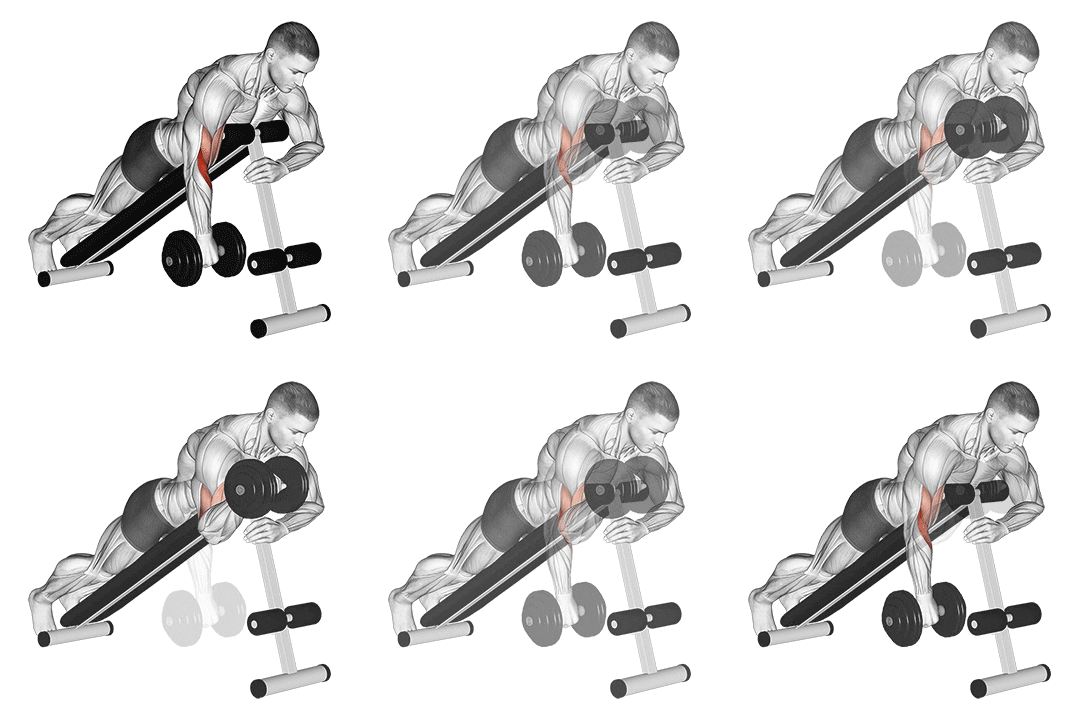
The Dumbbell One Arm Reverse Spider Curl is an exercise that primarily targets the biceps muscles. It specifically emphasizes the long head of the biceps, helping to develop size, strength, and definition in the upper arms. This exercise is performed with the arm in a unique position, creating a greater stretch and contraction in the biceps. ## Instructions 1. Stand in front of a preacher curl bench and place your upper arm (from armpit to elbow) on the angled side of the bench, allowing your arm to fully extend downward. 2. Hold a dumbbell in one hand with an underhand grip (palms facing up), allowing your arm to hang straight down. 3. Keep your feet shoulder-width apart and your back straight throughout the exercise. 4. Start the movement by curling the dumbbell upward while keeping your upper arm against the bench and your elbow fixed in position. 5. As you curl the dumbbell, focus on contracting your biceps and squeezing them at the top of the movement. 6. Slowly lower the dumbbell back down to the starting position, maintaining control throughout the descent. 7. Repeat the exercise for the desired number of repetitions. 8. Switch arms and repeat the exercise with the opposite hand. ## Variations - **Two-Arm Reverse Spider Curl:** Perform the exercise using both arms simultaneously by holding a dumbbell in each hand and following the same instructions. - **Seated Dumbbell Reverse Spider Curl:** Perform the exercise while seated on a regular bench or chair, allowing your arms to hang straight down in front of you. - **Barbell Reverse Spider Curl:** Instead of using dumbbells, you can use a barbell with an underhand grip to perform the exercise. ## Muscles Worked The Dumbbell One Arm Reverse Spider Curl primarily targets the following muscles: - Biceps brachii (long head and short head) - Brachialis (muscle beneath the biceps) - Brachioradialis (forearm muscle) ## Common Mistakes - Using momentum: Avoid swinging or using your body to lift the dumbbell. Keep the motion controlled to effectively isolate the biceps muscles. - Allowing the shoulder to rise: Keep your shoulder relaxed and stationary throughout the exercise. Focus on contracting the biceps without shrugging the shoulder. - Leaning on the bench: Maintain proper posture and avoid leaning on the bench or using it to assist with the movement. ## Safety Precautions - Choose an appropriate dumbbell weight that allows you to maintain proper form and control throughout the exercise. - If you have any pre-existing elbow or biceps injuries, consult with a healthcare professional or fitness trainer before attempting this exercise. - Warm up your biceps and forearms with some light cardio or dynamic stretches before performing the exercise. - If you experience any pain or discomfort during the exercise, stop immediately and seek guidance from a healthcare professional.
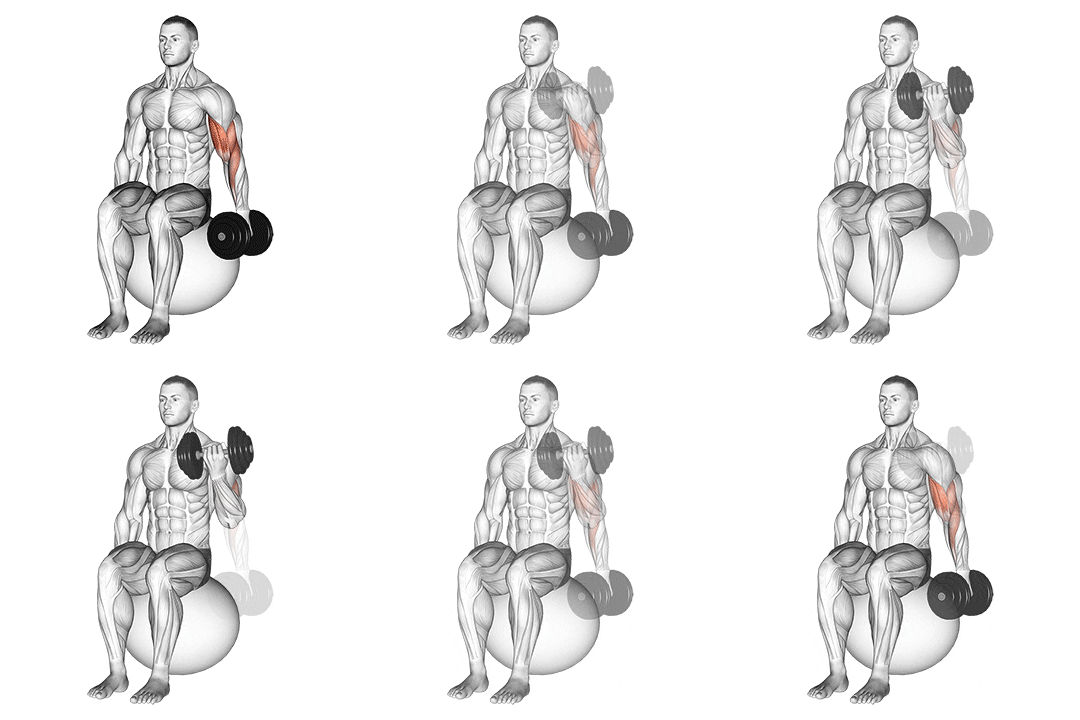
The Dumbbell One Arm Seated Bicep Curl on an Exercise Ball is an exercise that targets the biceps muscles while also engaging the core for stability. By performing the exercise while seated on an exercise ball, you introduce an element of instability, requiring your core muscles to work harder to maintain balance. This exercise helps to develop bicep strength, size, and definition, while also enhancing overall stability and coordination. ## Instructions 1. Start by sitting on an exercise ball with your feet flat on the floor, hip-width apart. 2. Hold a dumbbell in one hand with an underhand grip (palms facing up), allowing your arm to fully extend down by your side. 3. Keep your back straight, shoulders relaxed, and core engaged throughout the exercise. 4. Lean slightly forward while maintaining balance on the exercise ball. 5. Begin the movement by flexing your elbow, curling the dumbbell upward towards your shoulder while keeping your upper arm stationary. 6. Squeeze your biceps at the top of the movement, then slowly lower the dumbbell back down to the starting position in a controlled manner. 7. Repeat the exercise for the desired number of repetitions. 8. Switch arms and repeat the exercise with the opposite hand. ## Variations - **Two-Arm Seated Bicep Curl on Exercise Ball:** Perform the exercise using both arms simultaneously by holding a dumbbell in each hand and following the same instructions. - **Seated Bicep Curl on Exercise Ball with Alternating Arms:** Perform the exercise while alternating arms, curling one dumbbell up while the other arm remains extended down. Alternate arms for each repetition. ## Muscles Worked The Dumbbell One Arm Seated Bicep Curl on Exercise Ball primarily targets the following muscles: - Biceps brachii (long head and short head) - Brachialis (muscle beneath the biceps) - Brachioradialis (forearm muscle) - Core muscles for stability ## Common Mistakes - Using momentum: Avoid swinging or using your body to lift the dumbbell. Keep the motion controlled and focus on isolating the biceps muscles. - Leaning back excessively: Maintain proper posture and avoid leaning back on the exercise ball. Keep your core engaged to stabilize your body. - Allowing the shoulder to rise: Keep your shoulder relaxed and stationary throughout the exercise. Focus on contracting the biceps without shrugging the shoulder. ## Safety Precautions - Choose an appropriate dumbbell weight that allows you to maintain proper form and control throughout the exercise. - Ensure that the exercise ball is properly inflated and stable before use. - If you have any pre-existing shoulder, back, or core instability issues, consult with a healthcare professional or fitness trainer before attempting this exercise. - Warm up your biceps and forearms with some light cardio or dynamic stretches before performing the exercise. - Maintain proper balance and control on the exercise ball to avoid falling or losing stability. - If you experience any pain or discomfort during the exercise, stop immediately and seek guidance from a healthcare professional.
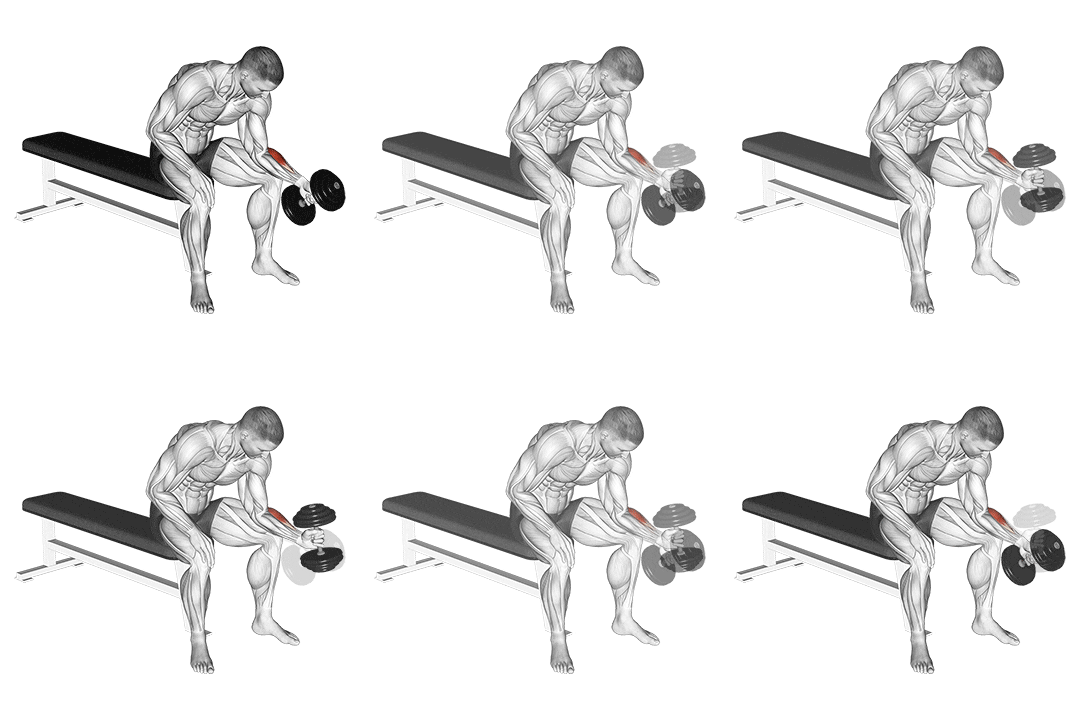
The Dumbbell One Arm Seated Neutral Wrist Curl is an exercise that targets the muscles of the forearms, specifically the wrist flexors. It helps to improve forearm strength and stability, which can be beneficial for various daily activities and sports that involve gripping or wrist movements. This exercise focuses on the flexor muscles of the wrist while maintaining a neutral wrist position, which reduces the involvement of the forearm pronators and extensors. ## Instructions 1. Sit on a bench or chair with your feet flat on the floor, maintaining an upright posture. 2. Hold a dumbbell in one hand with a neutral grip (palms facing each other), allowing your forearm to rest on your thigh with your wrist just beyond the edge of your knee. 3. Keep your wrist in a neutral position throughout the exercise, neither flexing nor extending it. 4. Start the movement by flexing your wrist, curling the dumbbell upward as far as comfortably possible. 5. Hold the contracted position for a brief moment, feeling the tension in your wrist flexor muscles. 6. Slowly lower the dumbbell back down to the starting position in a controlled manner, allowing your wrist to extend as much as comfortable without going into hyperextension. 7. Repeat the exercise for the desired number of repetitions. 8. Switch arms and repeat the exercise with the opposite hand. ## Variations - **Two-Arm Seated Neutral Wrist Curl:** Perform the exercise using both arms simultaneously by holding a dumbbell in each hand and following the same instructions. - **Seated Neutral Wrist Curl with Barbell:** Instead of using dumbbells, you can use a barbell with a neutral grip to perform the exercise. ## Muscles Worked The Dumbbell One Arm Seated Neutral Wrist Curl primarily targets the following muscles: - Wrist flexors (flexor carpi radialis, flexor carpi ulnaris, palmaris longus) - Forearm muscles (brachioradialis) ## Common Mistakes - Moving the forearm: Keep your forearm stationary on your thigh throughout the exercise. The movement should come from the wrist only. - Allowing the wrist to deviate: Maintain a neutral wrist position and avoid allowing it to flex or extend during the exercise. - Using excessive weight: Start with lighter weights to ensure proper form and control. Gradually increase the weight as your strength improves. ## Safety Precautions - Choose an appropriate dumbbell weight that allows you to maintain proper form and control throughout the exercise. - If you have any pre-existing wrist or forearm injuries or conditions, consult with a healthcare professional or fitness trainer before attempting this exercise. - Warm up your wrists and forearms with some light wrist rotations or dynamic stretches before performing the exercise. - If you experience any pain or discomfort during the exercise, stop immediately and seek guidance from a healthcare professional. - It's important to maintain proper posture and engage your core muscles while performing the exercise to support your spine.
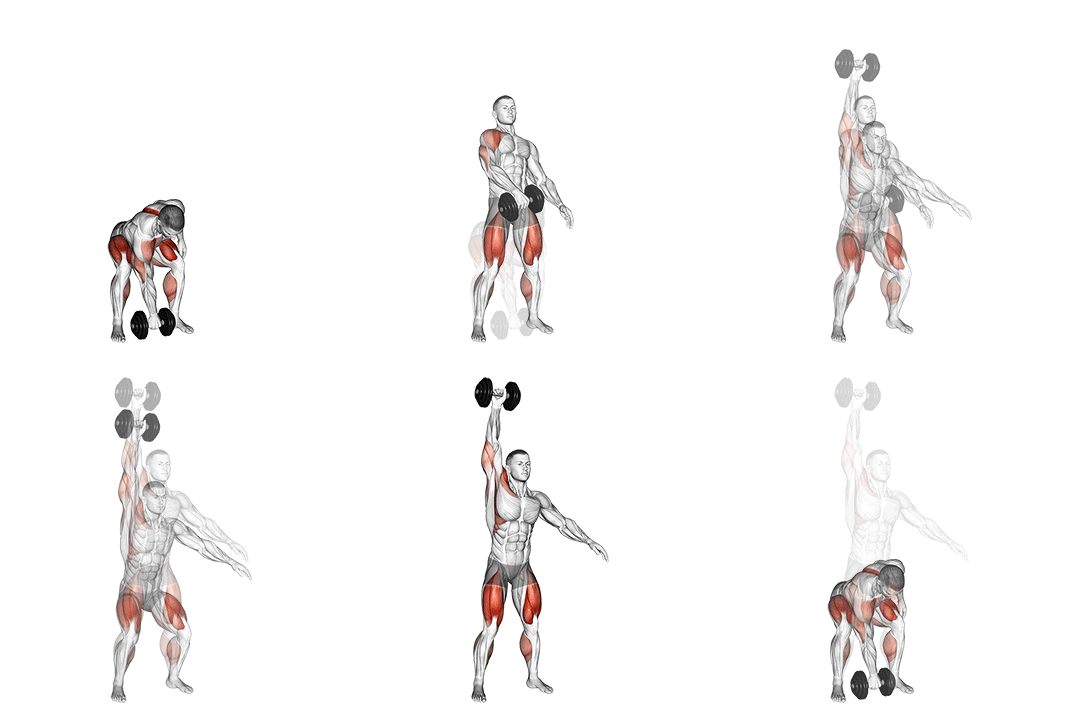
The Dumbbell One Arm Snatch is a dynamic, full-body exercise that primarily targets the muscles of the posterior chain, including the glutes, hamstrings, and upper back. It also engages the shoulders, core, and grip strength. The exercise involves explosively lifting a dumbbell from the floor to an overhead position in one swift movement. ## Instructions 1. Begin by standing with your feet shoulder-width apart, holding a dumbbell in one hand with an overhand grip. 2. Bend your knees and hinge at the hips to lower the dumbbell towards the floor, keeping your back straight and chest up. 3. In one explosive motion, extend your hips, knees, and ankles, simultaneously pulling the dumbbell upwards. 4. As the dumbbell reaches chest height, quickly rotate your elbow underneath it and drive the weight overhead, fully extending your arm. 5. Lock out your arm overhead and stabilize the weight. 6. Lower the dumbbell back down to the starting position in a controlled manner. 7. Repeat the movement for the desired number of repetitions and then switch to the opposite arm. ## Variations - **Dumbbell Hang Snatch**: Instead of starting from the floor, begin with the dumbbell at knee height and perform the same explosive movement, lifting the weight from the hang position. - **Dumbbell Power Snatch**: Use a more significant hip and leg drive to propel the dumbbell overhead, emphasizing power and speed. ## Muscles Worked - Primary muscles: Glutes, hamstrings, upper back (trapezius, rhomboids) - Secondary muscles: Shoulders, core, grip strength ## Common Mistakes - Rounding the back: Maintain a neutral spine throughout the movement to avoid excessive stress on the lower back. - Using only the arms: Generate power from the hips and legs, driving through the ground and transferring the force to the dumbbell. - Lifting too heavy: Start with a weight that allows you to maintain proper form and gradually increase the load as your technique improves. ## Safety Precautions - Warm up adequately before attempting the exercise to prepare your muscles and joints. - Ensure you have enough space around you to perform the exercise safely. - Start with a lighter weight and focus on mastering the technique before progressing to heavier loads. - Engage your core and keep your back straight throughout the movement to avoid back injuries. - If you have any pre-existing injuries or conditions, consult with a fitness professional or healthcare provider before attempting this exercise.
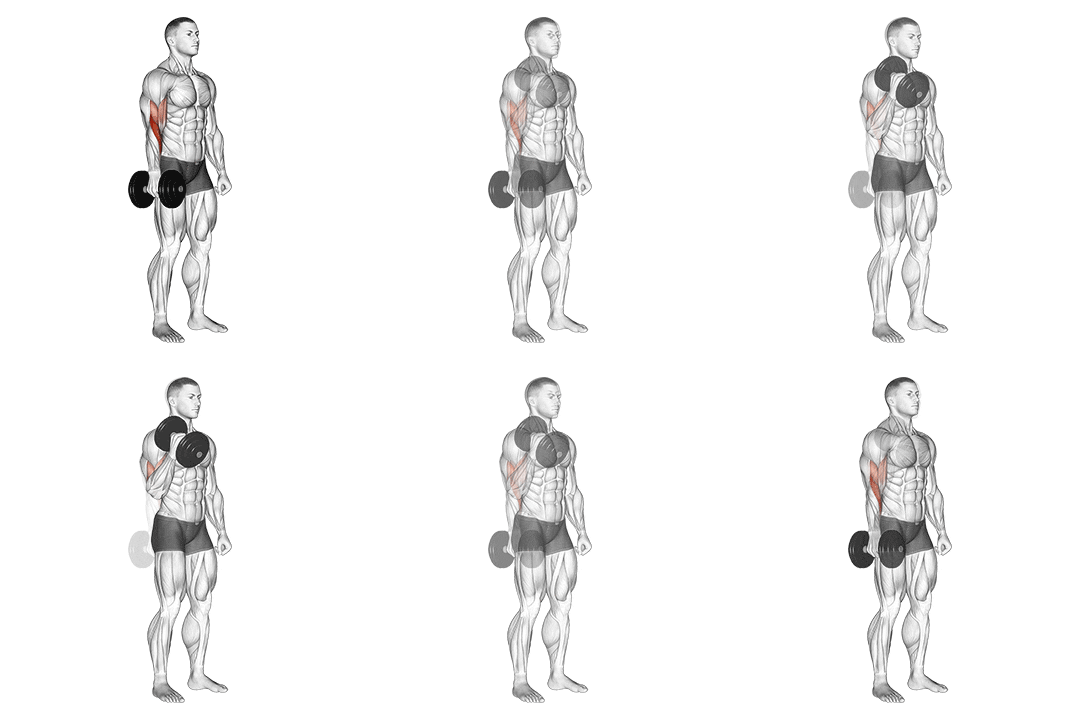
The Dumbbell One Arm Standing Hammer Curl is an exercise that primarily targets the brachialis muscle, located underneath the biceps brachii. It also engages the brachioradialis and forearm muscles. This exercise helps in developing overall arm strength and size while emphasizing the brachialis for a fuller appearance to the upper arm. ## Instructions 1. Stand upright with your feet shoulder-width apart, holding a dumbbell in each hand, palms facing your torso (neutral grip). 2. Keep your back straight, chest up, and shoulders relaxed throughout the exercise. 3. Allow your arms to fully extend with the dumbbells hanging at arm's length by your sides. 4. Keep your upper arms stationary and exhale as you curl one dumbbell upward, maintaining the neutral grip. 5. Continue curling until your forearm is fully contracted and the dumbbell is close to your shoulder. 6. Pause briefly at the top of the movement, squeezing your forearm muscles. 7. Inhale and slowly lower the dumbbell back to the starting position, fully extending your arm. 8. Repeat for the desired number of repetitions on one arm before switching to the other arm. ## Variations - Alternating One Arm Standing Hammer Curl: Perform the exercise by curling one arm at a time while alternating between arms. This variation provides a balanced development of the brachialis and brachioradialis muscles. - Seated One Arm Hammer Curl: Perform the exercise while seated on a bench or chair. This variation reduces the involvement of other muscles and allows for a more concentrated brachialis workout. ## Muscles Worked - Primary Muscles: Brachialis, brachioradialis - Secondary Muscles: Biceps brachii (long head), forearm muscles ## Common Mistakes - Using excessive momentum: Avoid swinging or using momentum to lift the dumbbell. Control the movement and focus on contracting the brachialis and brachioradialis muscles. - Partial range of motion: Ensure that you fully extend your arm at the bottom and fully contract your forearm muscles at the top of the movement. Avoid performing partial reps. - Leaning or arching the back: Maintain proper posture throughout the exercise. Avoid leaning backward or arching your back, and engage your core for stability. ## Safety Precautions - Choose a weight that allows you to maintain proper form and control throughout the exercise. - Warm up your arms and perform some light stretches before starting the exercise to reduce the risk of injury. - If you have any pre-existing shoulder, elbow, or wrist issues, consult with a healthcare professional or fitness trainer before attempting this exercise. - If you experience pain or discomfort, stop the exercise and seek guidance from a professional.
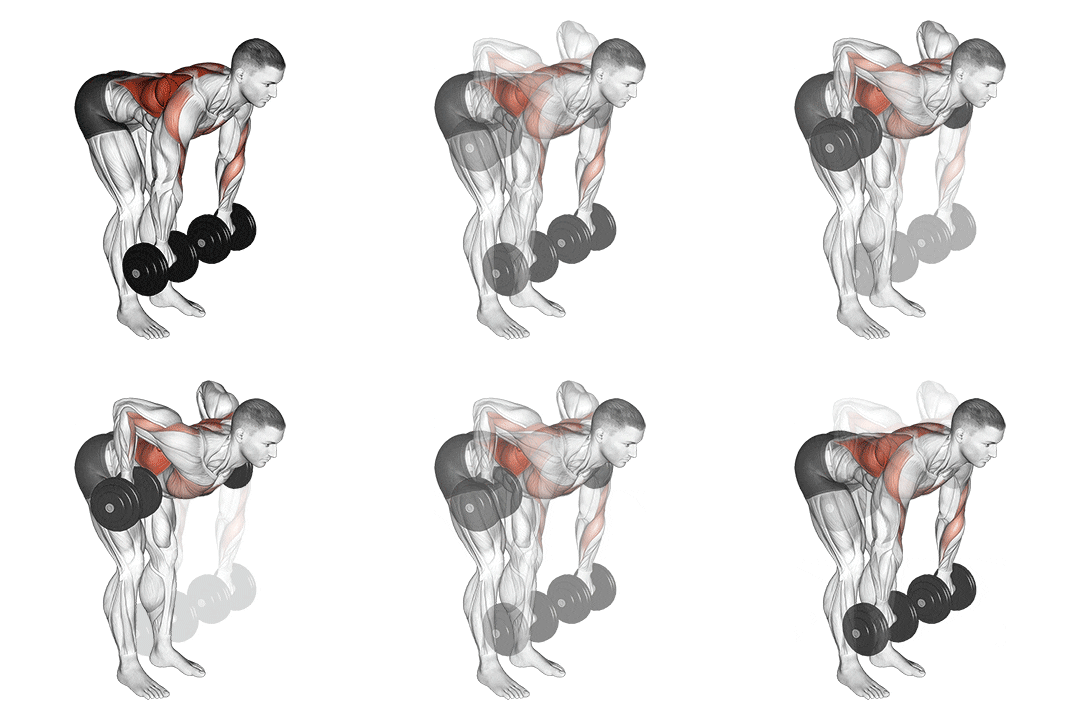
The dumbbell palm rotational bent over row is an exercise that primarily targets the muscles of the back, particularly the latissimus dorsi (lats) and the rhomboids. It involves a rowing motion while incorporating a palm rotation at the top of the movement. This exercise helps in building upper body strength, improving posture, and enhancing back muscle development. ## Instructions 1. Stand with your feet shoulder-width apart, holding a dumbbell in each hand with an overhand grip (palms facing your body). 2. Bend your knees slightly and hinge forward at the hips, maintaining a flat back and a neutral spine. 3. Allow your arms to hang straight down toward the floor, keeping them fully extended. 4. Initiate the movement by retracting your shoulder blades and pulling the dumbbells up towards your chest. 5. As you row the dumbbells upward, simultaneously rotate your palms to face inward (pronation) at the top of the movement. 6. Squeeze your shoulder blades together and pause for a moment at the top of the movement. 7. Slowly lower the dumbbells back to the starting position while simultaneously rotating your palms back to the starting position (neutral grip). 8. Repeat for the desired number of repetitions. ## Variations - **Single-Arm Variation**: Perform the exercise one arm at a time, focusing on maintaining proper form and control. - **Resistance Band Variation**: Use a resistance band instead of dumbbells. Attach the band to a secure anchor point and perform the rowing motion while holding the band handles. ## Muscles Worked The dumbbell palm rotational bent over row primarily targets the following muscles: - Latissimus dorsi (lats) - Rhomboids - Trapezius (upper and middle fibers) - Posterior deltoids - Biceps brachii (secondary muscle) ## Common Mistakes - **Rounding the back**: Avoid rounding your back during the exercise. Keep your spine neutral and engage your core for stability. - **Using excessive weight**: Start with a weight that allows you to maintain proper form and control throughout the movement. Avoid using momentum or jerking motions to lift the dumbbells. - **Not fully retracting the shoulder blades**: Focus on squeezing your shoulder blades together at the top of the movement to engage the back muscles effectively. - **Neglecting the palm rotation**: Remember to rotate your palms at the top of the movement to fully engage the muscles of the back and enhance the exercise benefits. ## Safety Precautions - Prioritize maintaining proper form and technique to avoid strain or injury. - Start with lighter weights and gradually increase the resistance as your strength and technique improve. - If you have any existing back or shoulder injuries or conditions, it is recommended to consult with a healthcare professional before attempting this exercise. - Listen to your body and avoid any movements that cause pain or discomfort.
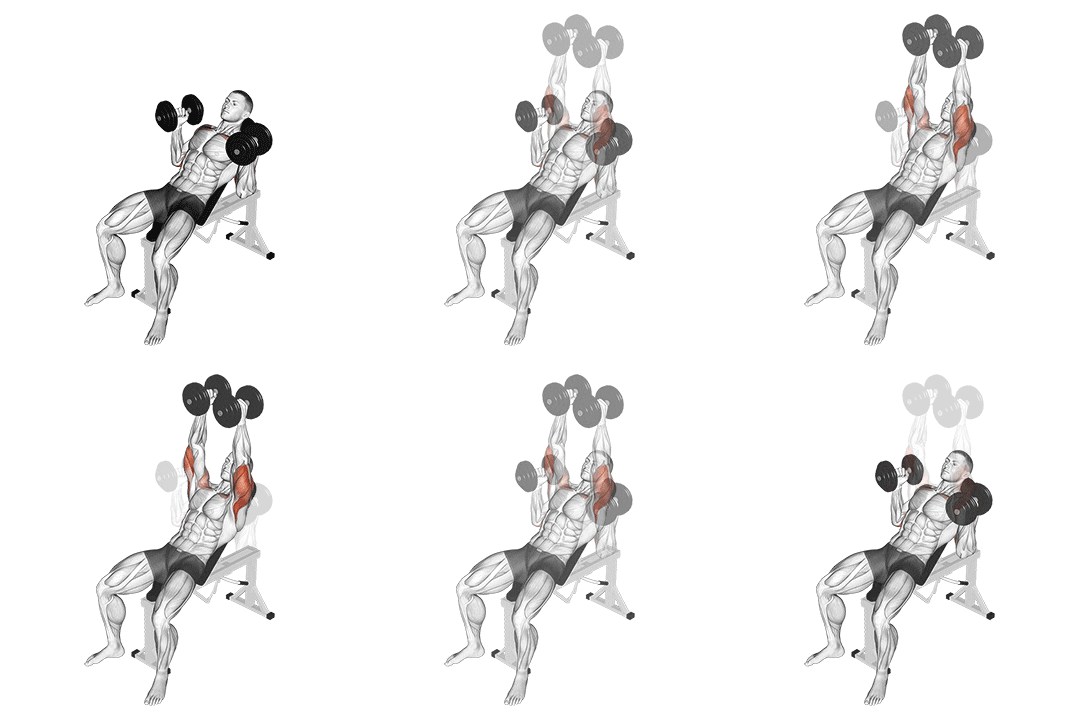
The dumbbell palms-in incline bench press is an exercise that primarily targets the chest muscles, specifically the upper portion (clavicular head) of the pectoralis major. By using a palms-in grip, this variation places additional emphasis on the inner chest muscles. It involves pressing dumbbells while lying on an inclined bench. This exercise helps in developing and strengthening the chest muscles, enhancing upper body strength, and improving overall chest aesthetics. ## Instructions 1. Adjust an incline bench to a comfortable angle, typically between 30 to 45 degrees. 2. Sit on the bench and grasp a dumbbell in each hand with a palms-in grip (thumbs facing each other). Lift the dumbbells to shoulder level and position them just outside your chest. 3. Carefully lie back on the bench, ensuring your head, upper back, and glutes are in contact with the bench. Keep your feet planted firmly on the ground. 4. Position the dumbbells directly above your shoulders, with your arms fully extended. 5. Inhale and lower the dumbbells in a controlled manner towards your upper chest, keeping your elbows slightly below shoulder level. 6. Pause for a brief moment at the bottom of the movement, feeling a stretch in your chest muscles. 7. Exhale and push the dumbbells back up to the starting position, fully extending your arms without locking your elbows. 8. Repeat for the desired number of repetitions. ## Variations - **Barbell Palms-In Incline Bench Press**: Instead of using dumbbells, perform the exercise with a barbell using the same palms-in grip. - **Machine Palms-In Incline Press**: Use a chest press machine that allows for a palms-in grip and perform the exercise while seated. - **Resistance Band Palms-In Incline Press**: Attach resistance bands to a secure anchor point and perform the incline press motion while holding the bands with a palms-in grip. ## Muscles Worked The dumbbell palms-in incline bench press primarily targets the following muscles: - Pectoralis major (upper chest) - Anterior deltoids (front shoulders) - Triceps brachii (secondary muscle) ## Common Mistakes - **Lifting too heavy**: Choose a weight that allows you to maintain proper form and control throughout the exercise. Avoid using excessive weight, as it can compromise your technique and increase the risk of injury. - **Arching the back**: Keep your back firmly against the bench throughout the movement. Avoid excessive arching or lifting your hips off the bench. - **Flaring the elbows**: Maintain a slight tuck in your elbows as you lower the dumbbells to engage the chest muscles effectively and reduce strain on the shoulder joints. - **Rushing the movement**: Perform the exercise in a slow and controlled manner, focusing on the mind-muscle connection with the chest muscles. Avoid using momentum to lift the weights. ## Safety Precautions - Always warm up properly before starting the exercise to prepare your muscles and joints. - Use a spotter when handling heavier weights to ensure safety and assistance if needed. - If you have any shoulder or chest injuries or conditions, it is advisable to consult with a healthcare professional before attempting this exercise. - Maintain proper breathing throughout the movement, exhaling as you press the dumbbells up and inhaling as you lower them down. - Focus on maintaining proper form and technique to avoid straining the neck, shoulders, or lower back. - If you experience any pain or discomfort during the exercise, stop immediately and consult a fitness professional or healthcare provider.
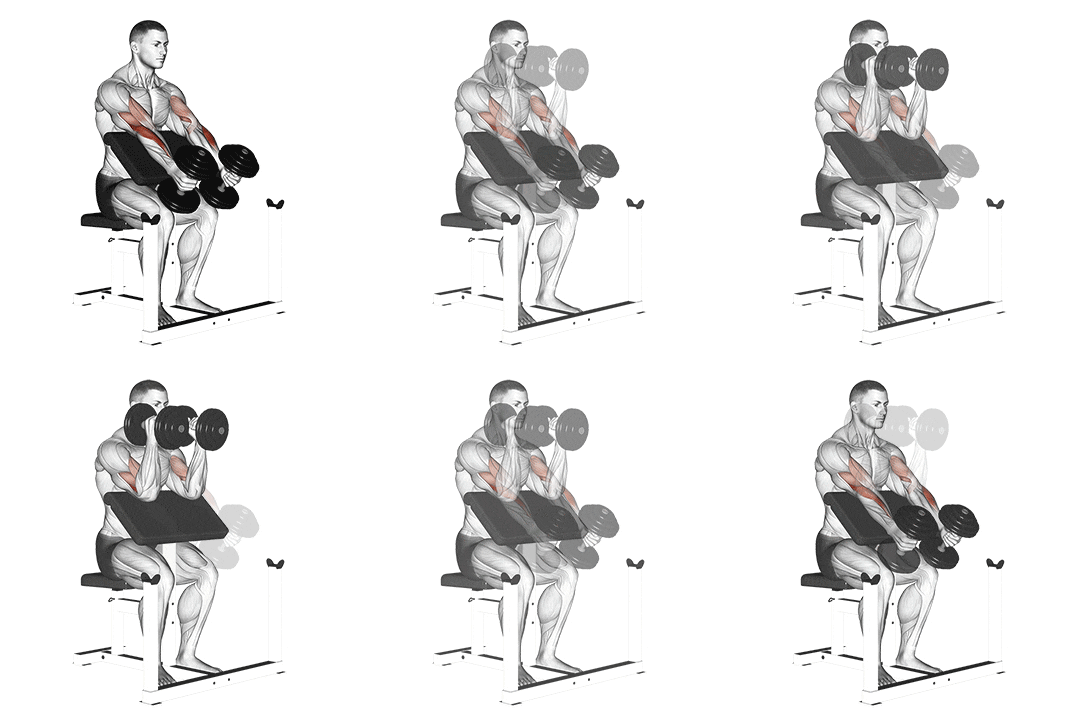
The dumbbell preacher hammer curl is an exercise that targets the biceps brachii muscles in the upper arms. It involves a hammer grip (palms facing in) and is performed on a preacher bench, which provides stability and isolates the biceps. This exercise helps in building arm strength, improving bicep definition, and enhancing forearm stability. ## Instructions 1. Adjust the preacher bench to a height that allows your armpits to rest comfortably on the angled pad while your feet are flat on the floor. 2. Sit on the preacher bench and grab a dumbbell in each hand using a hammer grip (palms facing in). 3. Position your upper arms and elbows against the pad, fully extending your arms. 4. Maintain a slight bend in your elbows throughout the exercise to keep tension on the biceps. 5. While keeping your upper arms stationary, exhale and curl the dumbbells upward, contracting your biceps. 6. Squeeze your biceps at the top of the movement and hold for a brief pause. 7. Inhale and slowly lower the dumbbells back to the starting position, fully extending your arms. 8. Repeat for the desired number of repetitions. ## Variations - **Single-Arm Variation**: Perform the exercise one arm at a time, allowing for better focus on each bicep individually. - **E-Z Bar Variation**: Instead of dumbbells, use an E-Z bar with a hammer grip to perform the preacher hammer curl. - **Cable Machine Variation**: Attach a rope handle to a low pulley cable machine, and while standing in front of the machine, perform the hammer curls using the cable resistance. ## Muscles Worked The dumbbell preacher hammer curl primarily targets the following muscles: - Biceps brachii (brachialis and brachioradialis to a lesser extent) - Forearm muscles (brachioradialis, wrist flexors) ## Common Mistakes - **Using momentum**: Avoid swinging or using excessive momentum to lift the dumbbells. Maintain control throughout the movement. - **Leaning back or lifting the upper arms**: Keep your upper arms and elbows firmly pressed against the pad throughout the exercise. Avoid leaning forward or lifting the upper arms away from the pad. - **Not fully extending the arms**: Make sure to fully extend your arms at the bottom of the movement to achieve a complete range of motion and maintain tension on the biceps. ## Safety Precautions - Start with a weight that allows you to maintain proper form and control. Gradually increase the resistance as your strength improves. - If you have any existing arm or elbow injuries or conditions, consult with a healthcare professional before attempting this exercise. - Use a spotter if needed, especially when using heavier weights. - Keep your core engaged and maintain proper posture throughout the exercise to avoid strain on the lower back.