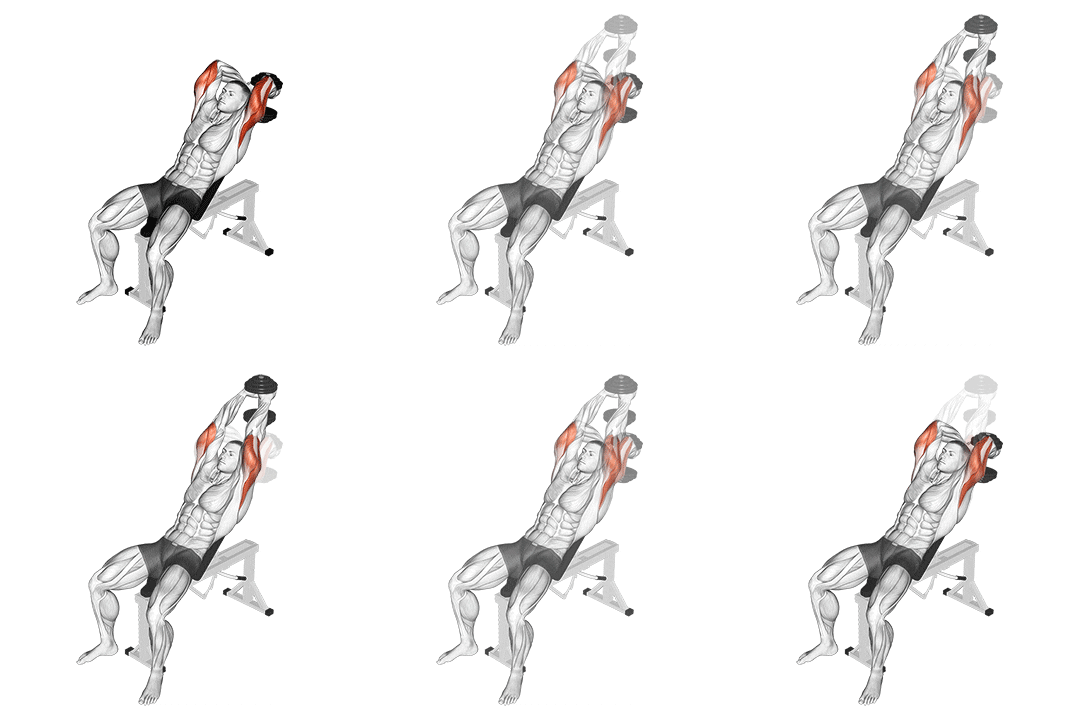
The dumbbell incline two arm extension is an exercise that primarily targets the triceps, the muscles located at the back of the upper arm. This exercise helps to strengthen and tone the triceps, contributing to overall arm strength and aesthetics. ## Instructions 1. Set an incline bench at a 45-degree angle and grab a dumbbell in each hand. 2. Sit on the bench with your back firmly against the pad and your feet flat on the floor. 3. Hold the dumbbells with an overhand grip (palms facing forward) and extend your arms straight up above your chest. Your arms should be perpendicular to the floor. 4. Keep your upper arms close to your ears throughout the exercise, with your elbows pointing forward. 5. Slowly bend your elbows and lower the dumbbells toward the sides of your head, keeping your upper arms stationary. 6. Lower the weight until your forearms are parallel to the floor or slightly below. Feel a stretch in your triceps. 7. Pause briefly at the bottom of the movement, then use your triceps to extend your arms back to the starting position, fully straightening your elbows. 8. Repeat for the desired number of repetitions. ## Variations - **Alternating Arms**: Instead of using both arms simultaneously, you can perform the exercise by alternating arms, extending one arm at a time while the other remains extended overhead. - **Single-Arm Two Arm Extension**: If you prefer, you can perform the two arm extension with one arm at a time, using a single dumbbell. This variation allows for increased focus on each arm and can help identify strength imbalances. ## Muscles Worked The dumbbell incline two arm extension primarily targets the following muscles: - Triceps (all heads) - Deltoids (shoulders) - Upper chest muscles (to a lesser extent) ## Common Mistakes - **Flaring Elbows**: Avoid allowing your elbows to flare out to the sides during the exercise. Keep them pointing forward and close to your ears throughout the movement to emphasize triceps engagement. - **Excessive Weight**: Start with a weight that allows you to maintain proper form and control throughout the exercise. Using excessively heavy weights can compromise your technique and increase the risk of injury. - **Arching the Lower Back**: Keep your lower back firmly against the bench throughout the exercise. Avoid arching or lifting your lower back off the bench, as this can strain your spine. ## Safety Precautions - If you have any shoulder, elbow, or lower back issues, consult with a healthcare professional or fitness instructor before attempting this exercise. - Warm up adequately before performing the exercise to prepare your muscles and joints. - Use a spotter or perform the exercise in a controlled environment, especially if you're using heavy weights. - If you experience any pain or discomfort during the exercise, stop immediately and seek guidance from a qualified professional.
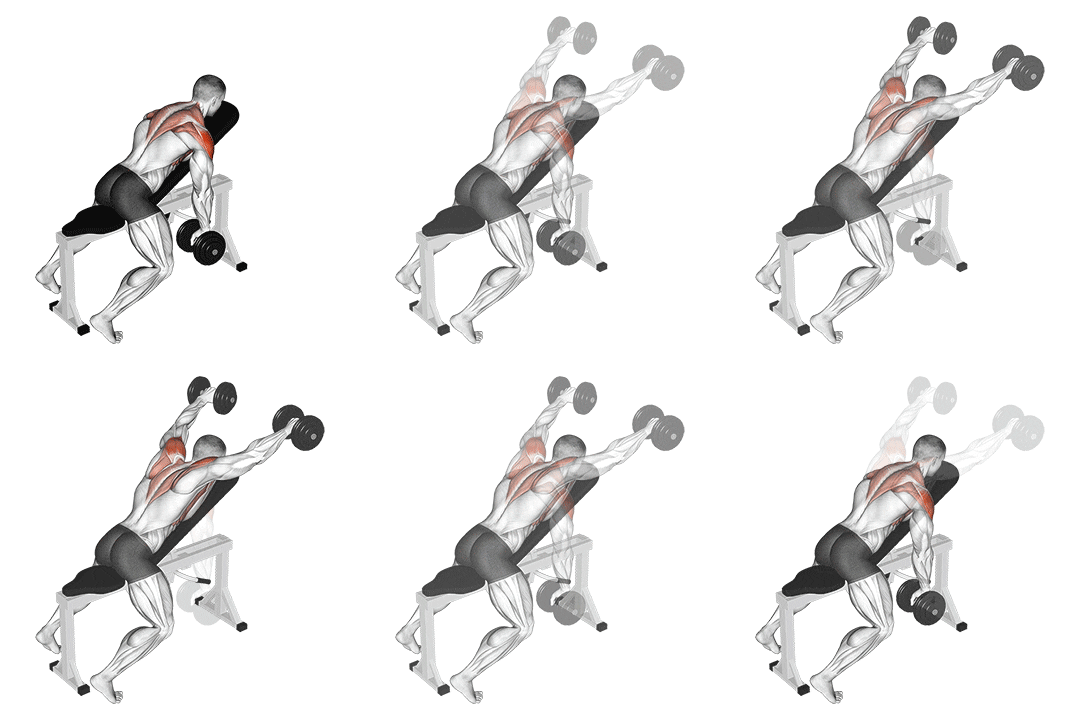
The dumbbell incline Y-raise is an exercise that primarily targets the muscles of the shoulders, specifically the rear deltoids and upper traps. It helps to strengthen the posterior shoulder muscles, improve posture, and enhance shoulder stability. ## Instructions 1. Set an incline bench at a 45-degree angle. Grab a pair of dumbbells and sit on the bench with your chest resting against the incline pad. 2. Hold the dumbbells with a neutral grip (palms facing each other), and let them hang straight down. 3. Keep your back straight, engage your core, and retract your shoulder blades. 4. Begin the movement by lifting both dumbbells out to the sides and slightly upward, creating a "Y" shape with your arms. Your arms should be at a slight angle from your body, forming the letter "Y." 5. Focus on contracting the muscles in your upper back and shoulders as you raise the dumbbells. 6. Squeeze your shoulder blades together at the top of the movement and hold for a brief pause. 7. Slowly lower the dumbbells back to the starting position, maintaining control throughout the motion. 8. Repeat for the desired number of repetitions. ## Variations - **Lighter Weight**: If you're new to this exercise or have limited strength, you can start with lighter dumbbells or even use resistance bands instead. - **Machine Variation**: If you don't have access to dumbbells or prefer using machines, you can perform a similar movement on a rear deltoid machine that targets the same muscle groups. ## Muscles Worked The dumbbell incline Y-raise primarily targets the following muscles: - Rear Deltoids (Posterior Delts) - Upper Trapezius - Rhomboids - Teres Major - Infraspinatus ## Common Mistakes - **Using Momentum**: Avoid using momentum to lift the dumbbells. Focus on controlled and deliberate movements to engage the target muscles effectively. - **Rounding the Shoulders**: Keep your shoulders pulled back and down throughout the exercise. Avoid rounding your shoulders forward, as this can diminish the effectiveness of the exercise and potentially lead to discomfort or injury. - **Lifting Too Heavy**: Choose an appropriate weight that allows you to maintain proper form and execute the movement correctly. Lifting excessively heavy weights can compromise your technique and increase the risk of injury. ## Safety Precautions - Consult with a healthcare professional or fitness instructor before attempting this exercise, especially if you have any pre-existing shoulder or back conditions. - Warm up adequately before performing the exercise to prepare your muscles and joints. - Maintain proper form throughout the exercise to avoid strain on your lower back and shoulders. - If you experience any pain or discomfort during the exercise, stop immediately and seek guidance from a qualified professional.
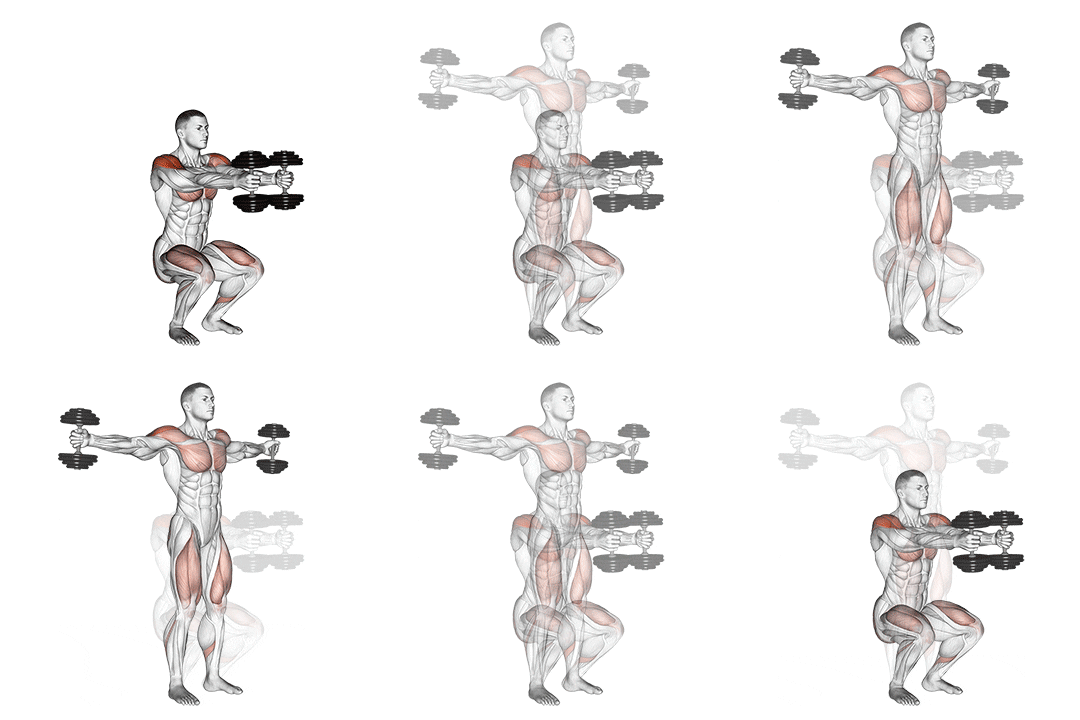
The dumbbell iron cross is an exercise that targets the muscles of the chest, primarily the pectoralis major. It involves extending the arms out to the sides in a horizontal position, resembling the shape of an iron cross. This exercise helps to develop and strengthen the chest muscles, improve shoulder stability, and enhance overall upper body aesthetics. ## Instructions 1. Stand tall with your feet shoulder-width apart and hold a dumbbell in each hand. 2. Start with your arms extended straight out to the sides, parallel to the floor, palms facing forward. This is the starting position. 3. Keep your back straight, engage your core, and maintain a slight bend in your elbows throughout the exercise. 4. Slowly and with control, bring your arms forward, crossing them in front of your body until the dumbbells meet in the middle. 5. Pause briefly at the midpoint, feeling a stretch in your chest muscles. 6. Reverse the movement by opening your arms wide and bringing them back to the starting position. 7. Repeat for the desired number of repetitions. ## Variations - **Resistance Band Iron Cross**: If you don't have access to dumbbells, you can use resistance bands with handles attached to an anchor point. Perform the same movement pattern by pulling the bands apart horizontally. - **Weighted Iron Cross**: To increase the intensity, you can use heavier dumbbells or add resistance bands to the exercise. - **Single-Arm Iron Cross**: Instead of using both arms simultaneously, you can perform the exercise with one arm at a time, alternating between arms. ## Muscles Worked The dumbbell iron cross primarily targets the following muscles: - Pectoralis Major (chest muscles) - Anterior Deltoids (front shoulders) - Biceps (to a lesser extent) - Rhomboids (back muscles) ## Common Mistakes - **Swinging or Using Momentum**: Avoid swinging your arms or using momentum to complete the movement. Focus on controlled and deliberate motions to engage the chest muscles effectively. - **Rounded Shoulders**: Keep your shoulders pulled back and down throughout the exercise. Avoid rounding your shoulders forward, as this can reduce the effectiveness of the exercise and potentially lead to discomfort or injury. - **Lifting Too Heavy**: Start with a weight that allows you to maintain proper form and execute the movement correctly. Using excessively heavy weights can compromise your technique and increase the risk of injury. ## Safety Precautions - Consult with a healthcare professional or fitness instructor before attempting this exercise, especially if you have any pre-existing shoulder or back conditions. - Warm up adequately before performing the exercise to prepare your muscles and joints. - Use a weight that challenges you but still allows for proper form and control. - If you experience any pain or discomfort during the exercise, stop immediately and seek guidance from a qualified professional.
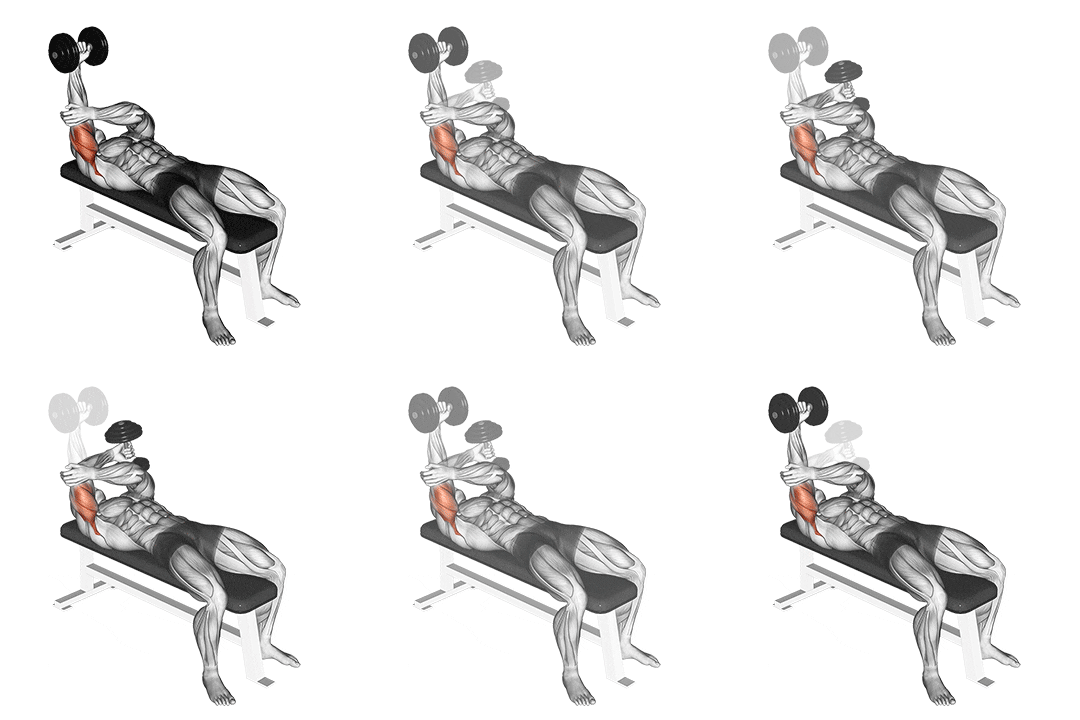
The dumbbell lying one arm pronated triceps extension is an exercise that primarily targets the triceps muscles, located at the back of the upper arm. It involves extending the arm overhead while lying down, providing a challenging isolation movement for the triceps and helping to strengthen and develop the muscle group. ## Instructions 1. Start by lying down on a flat bench with your back fully supported and your feet planted firmly on the floor. 2. Hold a dumbbell in one hand with a pronated grip (palm facing down), and fully extend your arm vertically above your shoulder. 3. Bend your elbow and slowly lower the dumbbell towards your head, keeping your upper arm stationary and close to your head. 4. Continue lowering the dumbbell until your forearm is parallel to the ground or slightly below. 5. Pause briefly at the bottom of the movement, feeling a stretch in your triceps. 6. Extend your elbow and raise the dumbbell back to the starting position, fully contracting the triceps. 7. Repeat for the desired number of repetitions, then switch arms and repeat the exercise on the opposite side. ## Variations - **Two-Arm Variation**: If you prefer, you can perform the exercise with both arms simultaneously by using two dumbbells. This variation allows for greater overall triceps engagement. - **Seated Variation**: Instead of lying down, you can perform the exercise while seated on a bench or stability ball. This seated position provides stability and support. ## Muscles Worked The dumbbell lying one arm pronated triceps extension primarily targets the following muscles: - Triceps Brachii (long head, lateral head, medial head) ## Common Mistakes - **Allowing Elbow to Drift**: Keep your upper arm stationary and close to your head throughout the movement. Avoid allowing your elbow to drift forward or away from your head, as this reduces the effectiveness of the exercise. - **Using Excessive Momentum**: Avoid using momentum or swinging the weight to lift it. Focus on controlled and deliberate movements to engage the triceps effectively. - **Hyperextending the Elbow**: While it's important to fully extend the elbow, avoid hyperextending or locking out the joint at the top of the movement. Maintain control and tension in the triceps throughout the exercise. ## Safety Precautions - Consult with a healthcare professional or fitness instructor before attempting this exercise, especially if you have any pre-existing elbow or shoulder conditions. - Use a weight that allows you to maintain proper form and execute the movement correctly. - If you experience any pain or discomfort during the exercise, stop immediately and seek guidance from a qualified professional. - It's important to warm up your triceps and surrounding muscles before performing this exercise to reduce the risk of injury.
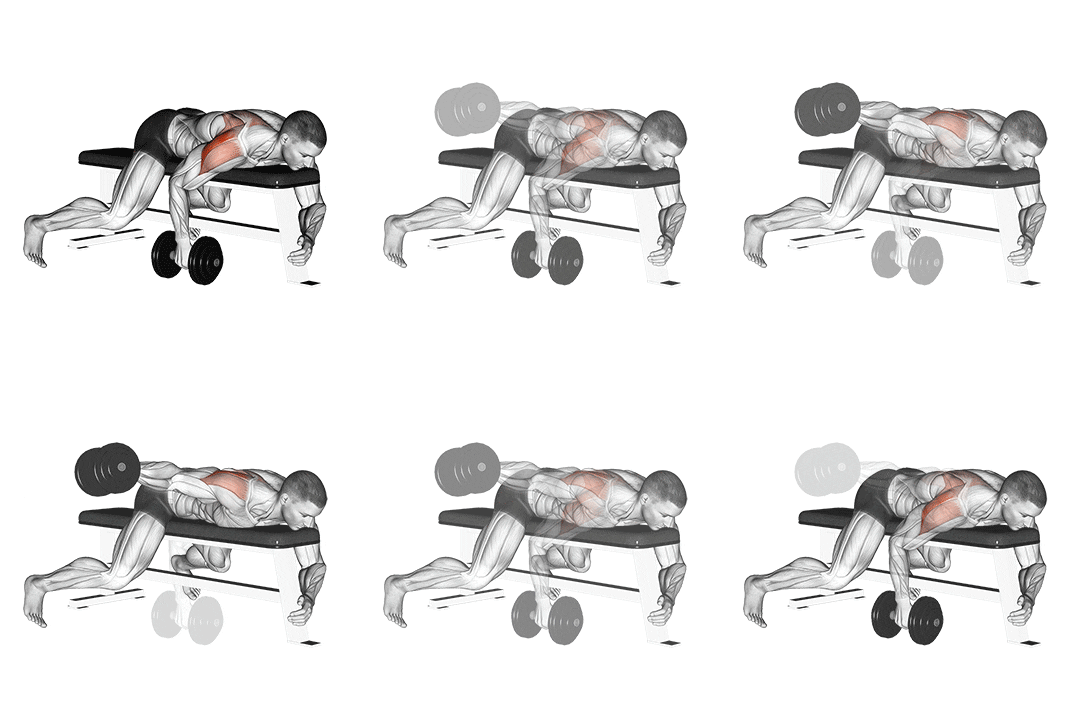
The dumbbell lying one arm rear lateral raise is an exercise that primarily targets the rear deltoid muscles, which are located at the back of the shoulder. It involves lifting a dumbbell while lying face down on a bench, helping to strengthen and develop the rear delts for improved shoulder stability and posture. ## Instructions 1. Start by lying face down on a flat bench with one arm hanging off the side and a dumbbell on the floor next to the bench. 2. Extend your legs straight behind you and position yourself so that your upper chest and torso are supported by the bench. 3. Reach down and grab the dumbbell with an overhand grip (palm facing down). 4. Engage your core and glutes to stabilize your body throughout the exercise. 5. Begin the movement by lifting the dumbbell out to the side, keeping your arm straight and maintaining a slight bend in your elbow. 6. Lift the dumbbell until your arm is parallel to the ground or slightly above shoulder level. 7. Focus on squeezing your rear deltoid at the top of the movement to maximize muscle activation. 8. Slowly lower the dumbbell back to the starting position in a controlled manner. 9. Repeat for the desired number of repetitions, then switch arms and repeat the exercise on the opposite side. ## Variations - **Bilateral Rear Lateral Raise**: If you prefer, you can perform the exercise with both arms simultaneously by using two dumbbells. This variation allows for greater overall shoulder engagement. - **Prone Incline Rear Lateral Raise**: Instead of lying face down on a flat bench, you can use an incline bench and perform the exercise in a prone position. This variation changes the angle of the movement and may provide a different stimulus for the rear delts. ## Muscles Worked The dumbbell lying one arm rear lateral raise primarily targets the following muscles: - Rear Deltoids (Posterior Deltoids) - Rhomboids - Trapezius (Upper Fibers) ## Common Mistakes - **Using Momentum**: Avoid using momentum or swinging your arm to lift the weight. Focus on controlled and deliberate movements to engage the rear deltoids effectively. - **Lifting Too Heavy**: Choose an appropriate weight that allows you to maintain proper form and execute the movement correctly. Lifting excessively heavy weights can compromise your technique and increase the risk of injury. - **Overarching the Lower Back**: Keep your lower back neutral and avoid excessive arching during the exercise. Engage your core and maintain a stable position on the bench. ## Safety Precautions - Consult with a healthcare professional or fitness instructor before attempting this exercise, especially if you have any pre-existing shoulder or back conditions. - Use a weight that allows you to maintain proper form and execute the movement correctly. - If you experience any pain or discomfort during the exercise, stop immediately and seek guidance from a qualified professional. - It's important to warm up your shoulders and surrounding muscles before performing this exercise to reduce the risk of injury.
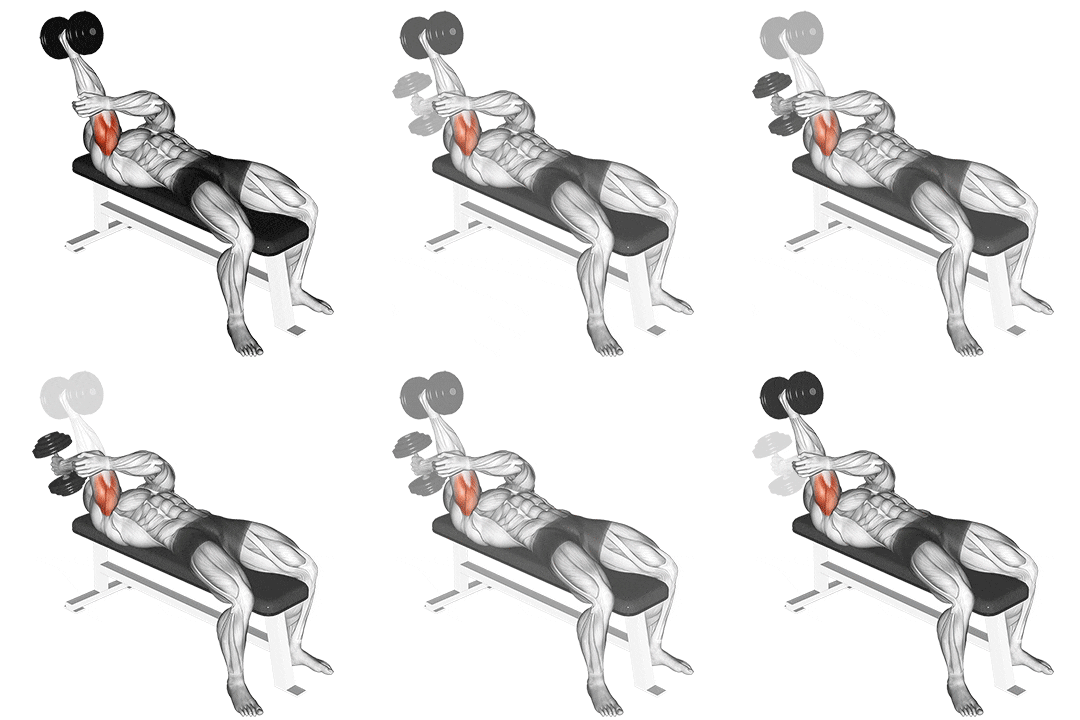
The dumbbell lying one arm supinated triceps extension is an isolation exercise that primarily targets the triceps muscles, located at the back of the upper arm. This exercise helps to strengthen and tone the triceps, contributing to improved arm definition and overall upper body strength. ## Instructions 1. Start by lying flat on a bench with your feet planted firmly on the ground. 2. Hold a dumbbell in one hand with an underhand grip (supinated grip), keeping your palm facing upward. 3. Extend your arm straight up toward the ceiling, positioning the dumbbell directly above your shoulder. 4. Lower the dumbbell slowly and with control towards your head, bending at the elbow joint. Keep your upper arm stationary throughout the movement. 5. Continue lowering the dumbbell until your forearm is parallel to the ground or until you feel a stretch in your triceps. 6. Pause briefly at the bottom of the movement, then exhale and straighten your arm, raising the dumbbell back to the starting position. 7. Repeat for the desired number of repetitions, then switch sides and perform the exercise with the other arm. ## Variations - **Two-Arm Dumbbell Lying Triceps Extension**: Perform the exercise with both arms simultaneously, holding a dumbbell in each hand. - **Cable Lying Triceps Extension**: Attach a straight bar or rope handle to a cable machine and perform the triceps extension while lying on a bench. This variation provides constant tension throughout the movement. - **Seated Dumbbell Triceps Extension**: Instead of lying on a bench, sit upright on a bench or chair while performing the triceps extension. This variation engages the core muscles to a greater extent. ## Muscles Worked The dumbbell lying one arm supinated triceps extension primarily targets the triceps brachii muscle, specifically the long head of the triceps. It also engages the lateral head and medial head of the triceps to a lesser extent. Additionally, the exercise involves the stabilizing muscles of the shoulder and upper back. ## Common Mistakes - Using excessive weight: It's important to choose a weight that allows you to maintain proper form and control throughout the movement. Using overly heavy weights can lead to swinging or jerking motions, compromising the effectiveness of the exercise and increasing the risk of injury. - Flaring the elbow out: Keep your elbow close to your head throughout the exercise. Avoid letting your elbow flare out to the side, as this shifts the emphasis away from the triceps and places unnecessary strain on the shoulder joint. - Failing to fully extend the arm: At the top of the movement, make sure to fully extend your arm and straighten your elbow. This ensures that the triceps muscles are fully engaged and maximizes the effectiveness of the exercise. ## Safety Precautions - Start with a weight that you can comfortably handle to avoid straining the muscles or joints. - Maintain proper form and control throughout the exercise to minimize the risk of injury. - If you have any pre-existing shoulder or elbow issues, consult with a healthcare professional before attempting this exercise. - If you experience any pain or discomfort during the exercise, stop immediately and seek guidance from a qualified fitness professional.
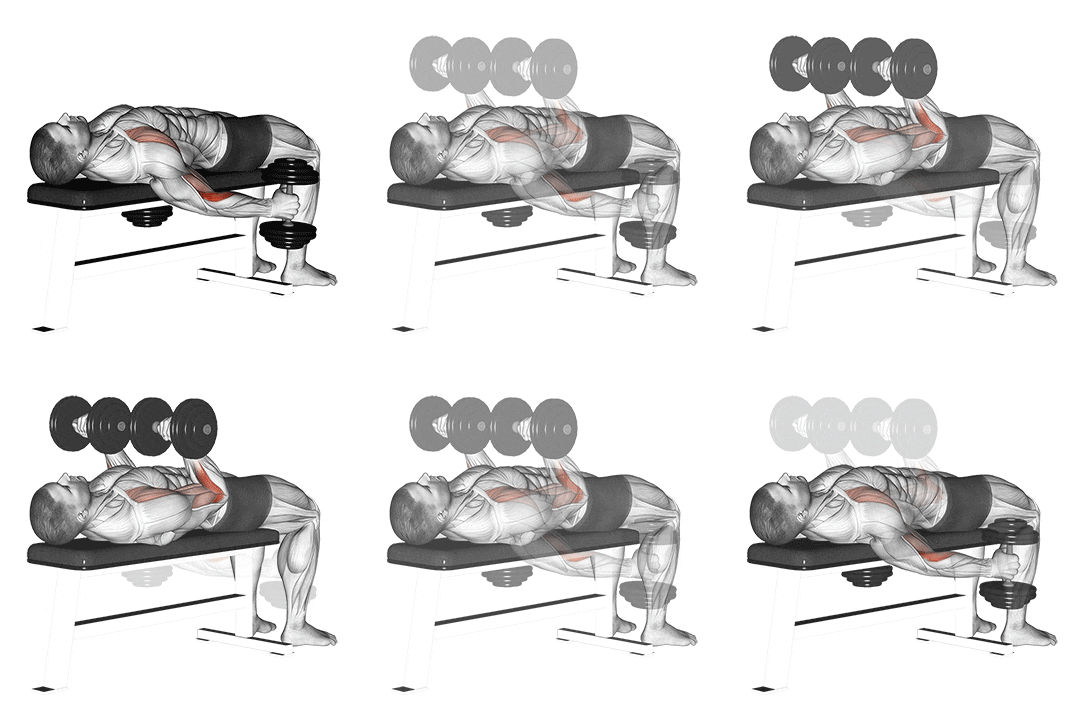
The dumbbell lying supine curl is an exercise that primarily targets the biceps muscles, located at the front of the upper arm. This exercise helps to strengthen and develop the biceps, contributing to improved arm aesthetics and overall upper body strength. ## Instructions 1. Start by lying flat on a bench with your feet planted firmly on the ground. 2. Hold a dumbbell in each hand, using an underhand grip (palms facing upward). 3. Extend your arms straight down toward the floor, keeping them perpendicular to your body. 4. Slowly curl the dumbbells upward by flexing your elbows, while keeping your upper arms stationary. Continue the movement until the dumbbells are close to your shoulders. 5. At the top of the movement, squeeze your biceps briefly to maximize the contraction. 6. Lower the dumbbells back down to the starting position in a controlled manner, fully extending your arms. 7. Repeat for the desired number of repetitions. ## Variations - **Alternating Dumbbell Lying Supine Curl**: Instead of curling both dumbbells simultaneously, curl one arm at a time while keeping the other arm extended. This variation adds an element of unilateral training and challenges stability. - **Hammer Curl**: Perform the curl with a neutral grip, holding the dumbbells with your palms facing each other. This targets the brachialis muscle in addition to the biceps, providing a more well-rounded arm workout. - **Resistance Band Lying Supine Curl**: Attach resistance bands to a stable anchor point and perform the curl while lying on the bench. This variation adds variable resistance, increasing the challenge at different points in the range of motion. ## Muscles Worked The dumbbell lying supine curl primarily targets the biceps brachii muscle, specifically the long head and short head of the biceps. It also engages the brachialis muscle to a lesser extent. Additionally, the exercise involves the stabilizing muscles of the forearm and upper arm. ## Common Mistakes - Using momentum: Avoid swinging the dumbbells or using excessive momentum to lift the weight. This takes the focus away from the biceps and reduces the effectiveness of the exercise. Keep the movement slow and controlled throughout. - Allowing the elbows to move forward: Keep your upper arms stationary throughout the movement. Avoid allowing your elbows to move forward or flare out to the sides. This ensures that the tension is placed on the biceps rather than the shoulders or chest. - Failing to fully extend the arms: At the bottom of the movement, fully extend your arms and straighten your elbows. This allows for a complete range of motion and ensures that the biceps muscles are fully engaged. ## Safety Precautions - Choose a weight that allows you to maintain proper form and control throughout the exercise. - Keep your back flat against the bench and avoid arching or lifting your hips. - If you have any pre-existing shoulder or elbow issues, consult with a healthcare professional before attempting this exercise. - If you experience any pain or discomfort during the exercise, stop immediately and seek guidance from a qualified fitness professional.
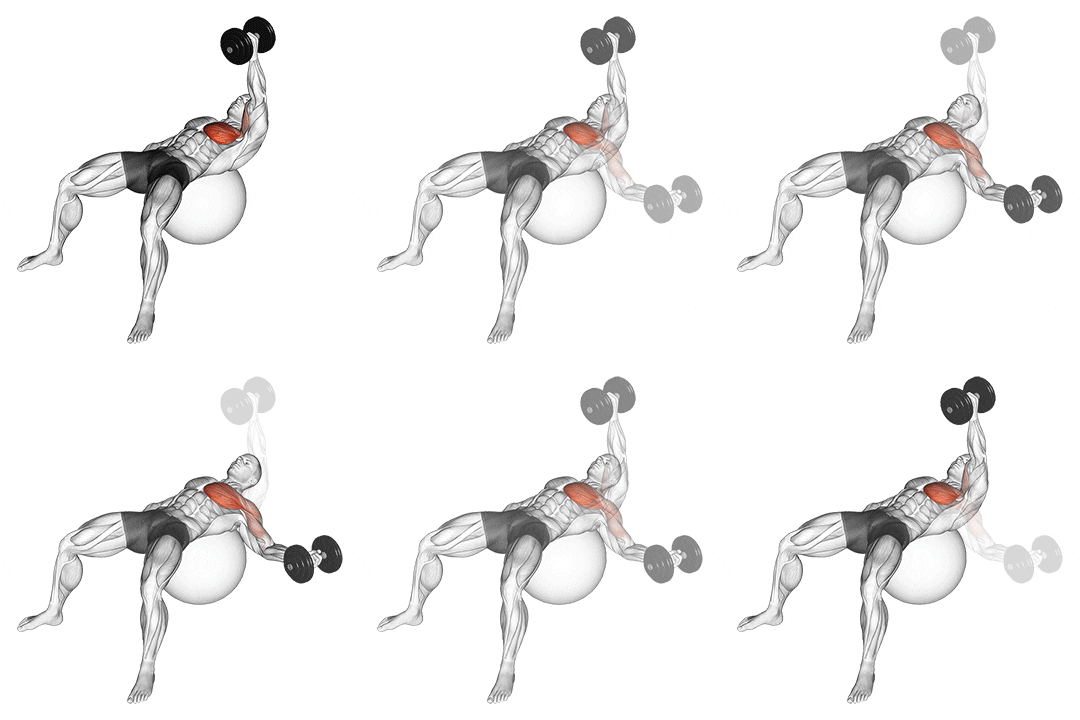
The dumbbell one arm fly on an exercise ball is an exercise that targets the chest muscles, specifically the pectoralis major. This exercise also engages the shoulders and core muscles, providing a challenging full-body workout. It helps to improve chest strength, stability, and overall upper body development. ## Instructions 1. Begin by sitting on an exercise ball with your feet planted firmly on the ground, hip-width apart. 2. Hold a dumbbell in one hand and bring it up to shoulder height, with your palm facing inward. 3. Walk your feet forward and roll your body down until your head and upper back are supported by the exercise ball. Your lower back should be off the ball, creating a slight incline. 4. Extend your arm with the dumbbell above your chest, keeping a slight bend in your elbow. 5. Slowly lower the dumbbell out to the side in a wide arc, maintaining a slight bend in your elbow. Lower the dumbbell until your arm is parallel to the ground or until you feel a stretch in your chest. 6. Pause briefly at the bottom of the movement, then exhale and return the dumbbell to the starting position, squeezing your chest muscles. 7. Repeat for the desired number of repetitions, then switch sides and perform the exercise with the other arm. ## Variations - **Dumbbell Fly on Stability Ball**: If an exercise ball is not available, you can perform the dumbbell fly on a stable bench or flat surface instead. This eliminates the instability challenge but still targets the chest muscles effectively. - **Dumbbell Fly on a Flat Bench**: Lie flat on a bench, holding a dumbbell in each hand with your arms extended above your chest. Lower the dumbbells out to the sides in a wide arc, then bring them back up to the starting position. This variation allows for greater stability and focus on the chest muscles. ## Muscles Worked The dumbbell one arm fly primarily targets the pectoralis major muscles, which are the large muscles of the chest. Additionally, it engages the anterior deltoids (front shoulders), the triceps, and the stabilizing muscles of the core and upper back. ## Common Mistakes - Using excessive weight: It's important to select a weight that allows you to maintain proper form and control throughout the exercise. Using too heavy of a weight can compromise your technique and increase the risk of injury. - Allowing the wrist to flex: Keep your wrist straight and firm throughout the movement. Avoid flexing or bending the wrist, as this can place unnecessary stress on the joint. - Dropping the elbow too low: Lower the dumbbell out to the side until your arm is parallel to the ground or until you feel a stretch in your chest. Avoid dropping the elbow too low, as this can shift the emphasis away from the chest muscles and put strain on the shoulder joint. ## Safety Precautions - Ensure that the exercise ball is properly inflated and stable before using it. - Start with a lighter weight to familiarize yourself with the exercise and your stability on the ball. - Maintain control and stability throughout the movement to minimize the risk of falling or losing balance. - If you have any existing shoulder or lower back issues, consult with a healthcare professional before attempting this exercise. - If you experience any pain or discomfort during the exercise, stop immediately and seek guidance from a qualified fitness professional.
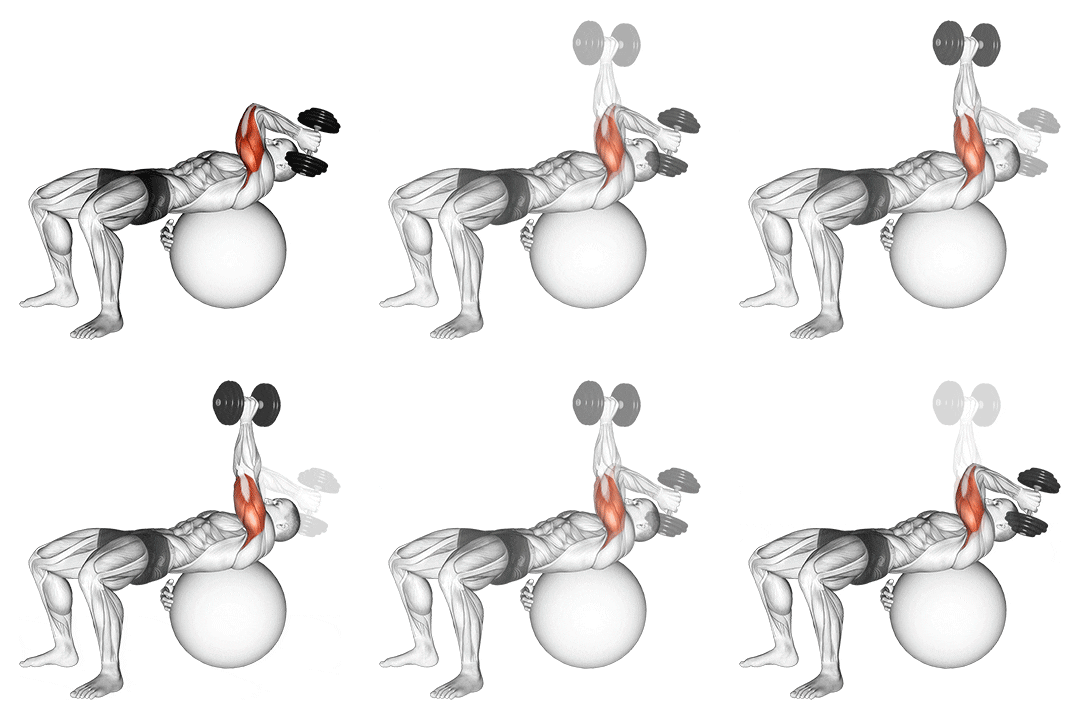
The dumbbell one arm French press on an exercise ball is an exercise that primarily targets the triceps muscles. This exercise also engages the shoulders and core muscles for stability and balance. It helps to strengthen and tone the back of the upper arm, improving overall arm definition and increasing upper body strength. ## Instructions 1. Begin by sitting on an exercise ball with your feet planted firmly on the ground, hip-width apart. 2. Hold a dumbbell in one hand and bring it up to shoulder height, with your palm facing inward. 3. Walk your feet forward and roll your body down until your head and upper back are supported by the exercise ball. Your lower back should be off the ball, creating a slight incline. 4. Extend your arm with the dumbbell above your chest, keeping a slight bend in your elbow. 5. Slowly bend your elbow and lower the dumbbell toward the back of your head, keeping your upper arm stationary. Continue the movement until your forearm is parallel to the ground or until you feel a stretch in your triceps. 6. Pause briefly at the bottom of the movement, then exhale and extend your arm, raising the dumbbell back to the starting position. 7. Repeat for the desired number of repetitions, then switch sides and perform the exercise with the other arm. ## Variations - **Dumbbell French Press on Stability Ball**: If an exercise ball is not available, you can perform the dumbbell French press on a stable bench or flat surface instead. This eliminates the instability challenge but still targets the triceps effectively. - **Dumbbell French Press on a Flat Bench**: Sit upright on a bench, holding a dumbbell in each hand with your arms extended above your chest. Lower the dumbbells behind your head, keeping your upper arms stationary, then press them back up to the starting position. This variation allows for greater stability and focus on the triceps muscles. ## Muscles Worked The dumbbell one arm French press primarily targets the triceps brachii muscle, which is located at the back of the upper arm. It specifically engages the long head of the triceps, with the lateral head and medial head being activated to a lesser extent. The exercise also involves the stabilizing muscles of the shoulder and core. ## Common Mistakes - Using excessive weight: It's important to choose a weight that allows you to maintain proper form and control throughout the exercise. Using too heavy of a weight can lead to compromised technique and increase the risk of injury. - Allowing the elbow to flare out: Keep your elbow close to your head throughout the exercise. Avoid letting your elbow flare out to the side, as this can shift the emphasis away from the triceps and put strain on the shoulder joint. - Failing to fully extend the arm: At the top of the movement, make sure to fully extend your arm and straighten your elbow. This ensures that the triceps muscles are fully engaged and maximizes the effectiveness of the exercise. ## Safety Precautions - Ensure that the exercise ball is properly inflated and stable before using it. - Start with a lighter weight to familiarize yourself with the exercise and your stability on the ball. - Maintain control and stability throughout the movement to minimize the risk of falling or losing balance. - If you have any existing shoulder or lower back issues, consult with a healthcare professional before attempting this exercise. - If you experience any pain or discomfort during the exercise, stop immediately and seek guidance from a qualified fitness professional.