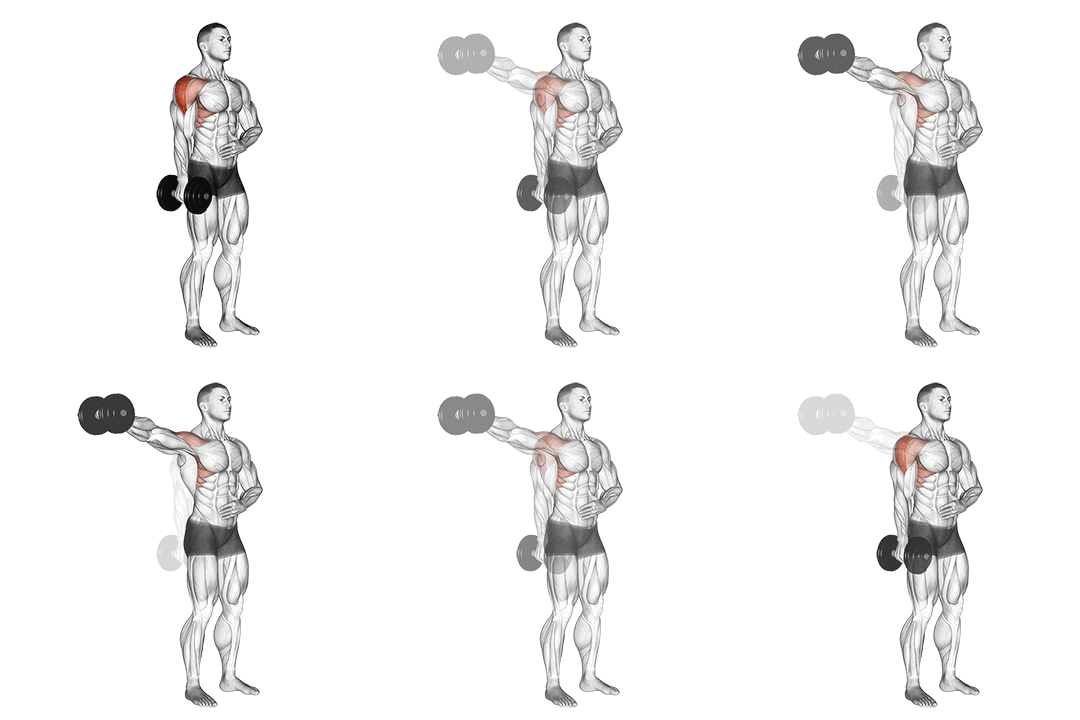
The dumbbell one arm lateral raise is an exercise that targets the deltoid muscles of the shoulder, specifically the lateral deltoid. This exercise helps to build shoulder strength and stability, improve shoulder aesthetics, and enhance overall upper body symmetry. ## Instructions 1. Stand up straight with your feet shoulder-width apart and hold a dumbbell in one hand by your side with a neutral grip (palm facing your body). 2. Keep a slight bend in your elbow and maintain good posture throughout the exercise, with your core engaged and shoulders relaxed. 3. Begin the movement by raising the dumbbell to the side, away from your body, while keeping your arm straight. Avoid using momentum and focus on engaging the lateral deltoid. 4. Continue raising the dumbbell until your arm is parallel to the ground or slightly higher. At the top of the movement, pause briefly and squeeze your shoulder muscles. 5. Slowly lower the dumbbell back down to the starting position in a controlled manner. 6. Repeat for the desired number of repetitions, then switch sides and perform the exercise with the other arm. ## Variations - **Seated Dumbbell One Arm Lateral Raise**: Perform the exercise while sitting on a bench or chair. This eliminates the lower body movement and provides stability, allowing you to focus solely on the lateral deltoid. - **Dumbbell Front Raise**: Instead of raising the dumbbell to the side, lift it directly in front of you, keeping your arm straight. This variation targets the front deltoids (anterior deltoids) more prominently. - **Resistance Band Lateral Raise**: Use a resistance band instead of dumbbells. Anchor one end of the band and hold the other end with your hand. Perform the lateral raise motion, maintaining tension on the band throughout the exercise. ## Muscles Worked The dumbbell one arm lateral raise primarily targets the lateral deltoid, which is the outer portion of the shoulder muscle. It also engages the front deltoid (anterior deltoid) and the rear deltoid (posterior deltoid) to a lesser extent. Additionally, the exercise activates the muscles of the upper back and core for stabilization. ## Common Mistakes - Using excessive weight: Start with lighter weights and focus on proper form and technique before gradually increasing the weight. Using too heavy of a weight can compromise your form and increase the risk of injury. - Lifting the arm too high: Avoid lifting the dumbbell above shoulder level, as this can put excessive stress on the shoulder joint and potentially lead to injury. Raise the dumbbell until your arm is parallel to the ground or slightly higher. - Swinging the body: Maintain a stable and upright posture throughout the exercise. Avoid using momentum or swinging the body to lift the weight. Focus on isolating the shoulder muscles and performing the movement with control. ## Safety Precautions - Choose an appropriate weight that allows you to maintain proper form and control. - Avoid shrugging your shoulder during the movement. Keep your shoulders relaxed and down. - If you have any shoulder or neck issues, consult with a healthcare professional before attempting this exercise. - If you experience any pain or discomfort during the exercise, stop immediately and seek guidance from a qualified fitness professional.
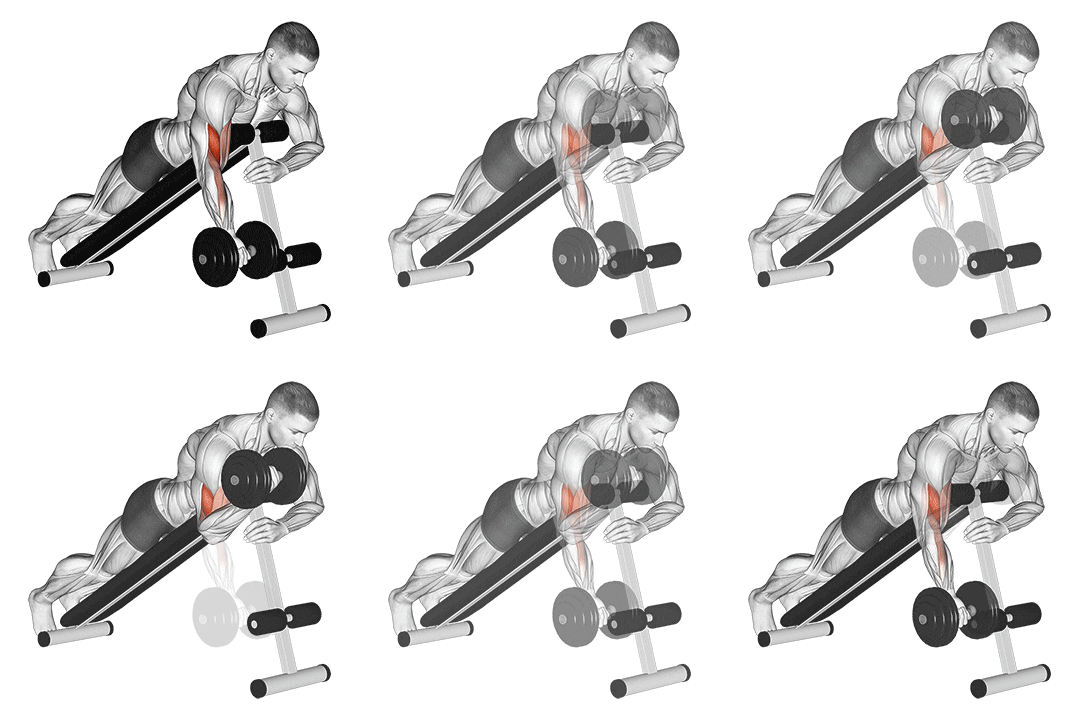
The dumbbell one arm prone curl is an exercise that targets the biceps muscles, specifically the brachialis and brachioradialis. This exercise helps to build upper arm strength and size, enhance arm definition, and improve overall upper body aesthetics. ## Instructions 1. Begin by lying face down on a flat bench or exercise ball, with your chest supported and your arm hanging down towards the floor, holding a dumbbell in one hand. 2. Keep your elbow close to your side, with your palm facing upward (supinated grip). 3. Start the movement by flexing your elbow and curling the dumbbell towards your shoulder. Keep your upper arm stationary throughout the exercise. 4. Continue curling until the dumbbell is near your shoulder or until you feel a strong contraction in your biceps. 5. Pause briefly at the top of the movement, squeeze your biceps, and then slowly lower the dumbbell back to the starting position, fully extending your arm. 6. Repeat for the desired number of repetitions, then switch sides and perform the exercise with the other arm. ## Variations - **Seated One Arm Prone Curl**: Perform the exercise while sitting on a bench or chair. This provides stability and isolates the biceps muscles. - **Alternating One Arm Prone Curl**: Instead of performing the exercise with one arm at a time, alternate between both arms in a controlled manner. This allows for continuous engagement of the biceps muscles. ## Muscles Worked The dumbbell one arm prone curl primarily targets the biceps brachii muscles, specifically the brachialis and brachioradialis. It also engages the brachialis muscle, which lies underneath the biceps. Additionally, the exercise activates the muscles of the forearms and stabilizing muscles of the shoulder and upper back. ## Common Mistakes - Using excessive weight: Start with a weight that allows you to maintain proper form and control throughout the exercise. Using too heavy of a weight can compromise your technique and increase the risk of injury. - Allowing the elbow to move forward: Keep your elbow close to your side throughout the movement. Avoid letting your elbow move forward or swing, as this can reduce the engagement of the biceps and put strain on the shoulder joint. - Using momentum: Avoid using momentum or swinging your body to lift the weight. Focus on controlled and deliberate movements, emphasizing the contraction of the biceps. ## Safety Precautions - Choose an appropriate weight that allows you to maintain proper form and control. - Ensure that your bench or exercise ball is stable and secure before performing the exercise. - If you have any pre-existing elbow, shoulder, or back issues, consult with a healthcare professional before attempting this exercise. - If you experience any pain or discomfort during the exercise, stop immediately and seek guidance from a qualified fitness professional.
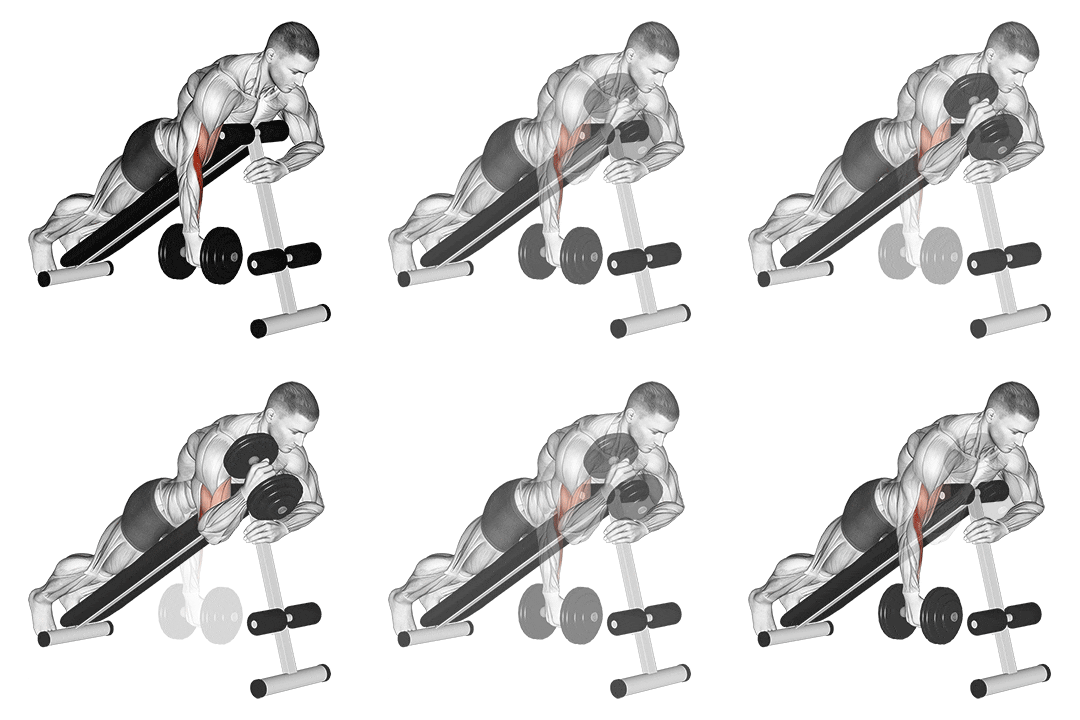
The dumbbell one arm prone hammer curl is an exercise that targets the brachialis and brachioradialis muscles of the forearm, as well as the biceps brachii. This exercise helps to develop forearm and upper arm strength, increase grip strength, and improve the overall appearance of the arms. ## Instructions 1. Begin by lying face down on a flat bench or exercise ball, with your chest supported and your arm hanging down towards the floor, holding a dumbbell in one hand. 2. Keep your elbow close to your side, with your palm facing your body (neutral grip). 3. Start the movement by flexing your elbow and curling the dumbbell towards your shoulder. Keep your upper arm stationary throughout the exercise. 4. Continue curling until the dumbbell is near your shoulder or until you feel a strong contraction in your biceps and forearms. 5. Pause briefly at the top of the movement, squeeze your muscles, and then slowly lower the dumbbell back to the starting position, fully extending your arm. 6. Repeat for the desired number of repetitions, then switch sides and perform the exercise with the other arm. ## Variations - **Seated One Arm Prone Hammer Curl**: Perform the exercise while sitting on a bench or chair. This provides stability and isolates the biceps and forearm muscles. - **Alternating One Arm Prone Hammer Curl**: Instead of performing the exercise with one arm at a time, alternate between both arms in a controlled manner. This allows for continuous engagement of the biceps and forearm muscles. ## Muscles Worked The dumbbell one arm prone hammer curl primarily targets the brachialis and brachioradialis muscles of the forearm, which lie underneath the biceps. It also engages the biceps brachii muscles. Additionally, the exercise activates the stabilizing muscles of the shoulder and upper back. ## Common Mistakes - Using excessive weight: Choose a weight that allows you to maintain proper form and control throughout the exercise. Using too heavy of a weight can compromise your technique and increase the risk of injury. - Allowing the elbow to move forward: Keep your elbow close to your side throughout the movement. Avoid letting your elbow move forward or swing, as this can reduce the engagement of the biceps and forearms and put strain on the shoulder joint. - Using momentum: Avoid using momentum or swinging your body to lift the weight. Focus on controlled and deliberate movements, emphasizing the contraction of the biceps and forearms. ## Safety Precautions - Choose an appropriate weight that allows you to maintain proper form and control. - Ensure that your bench or exercise ball is stable and secure before performing the exercise. - If you have any pre-existing elbow, shoulder, or back issues, consult with a healthcare professional before attempting this exercise. - If you experience any pain or discomfort during the exercise, stop immediately and seek guidance from a qualified fitness professional.
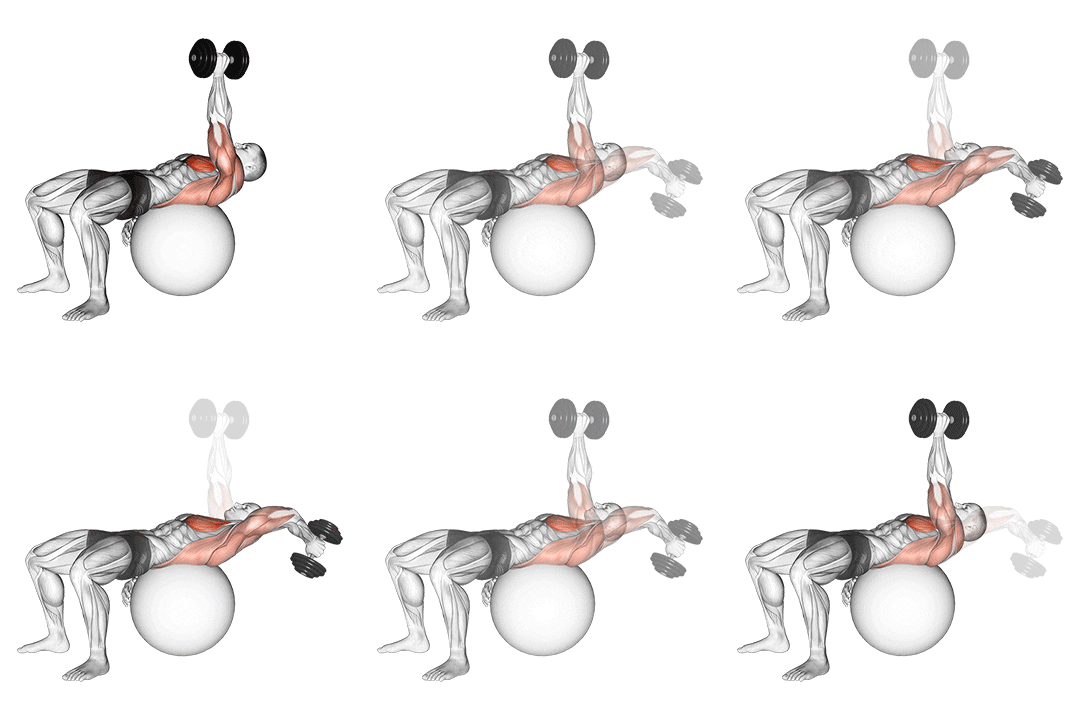
The dumbbell one arm pullover on an exercise ball is an exercise that primarily targets the muscles of the back, including the latissimus dorsi (lats), rhomboids, and trapezius. It also engages the muscles of the chest, shoulders, and core. This exercise helps to improve upper body strength, posture, and stability. ## Instructions 1. Start by sitting on an exercise ball with your feet firmly planted on the ground and your knees bent at a 90-degree angle. 2. Hold a dumbbell in one hand and place your upper back on the exercise ball, keeping your hips lifted and forming a bridge position. 3. Extend your arm straight up above your chest, perpendicular to the ground, with the dumbbell in hand. 4. Keeping your arm straight, slowly lower the dumbbell back behind your head, allowing your upper arm to move along the side of your head. 5. Once you reach a comfortable stretch position, reverse the movement by pulling the dumbbell back up and over your chest until your arm is fully extended again. 6. Repeat for the desired number of repetitions, then switch sides and perform the exercise with the other arm. ## Variations - **Dumbbell Two Arm Pullover on Exercise Ball**: Perform the exercise with both arms simultaneously, holding a dumbbell in each hand. This variation provides a balanced workload for both sides of the body. - **Dumbbell One Arm Pullover on Stability Ball**: Instead of using an exercise ball, use a stability ball to perform the exercise. The stability ball provides an unstable surface, which further engages the core muscles. ## Muscles Worked The dumbbell one arm pullover primarily targets the latissimus dorsi (lats), which are the large muscles of the back responsible for a wide, V-shaped appearance. It also engages the rhomboids, trapezius, pectoralis major, and deltoid muscles. Additionally, the exercise activates the muscles of the core for stability and balance. ## Common Mistakes - Arching the lower back excessively: Maintain a stable bridge position throughout the exercise. Avoid excessive arching of the lower back, as it can put strain on the spine. Engage your core and keep your glutes and abdominals activated. - Using too heavy of a weight: Start with a weight that allows you to maintain proper form and control. Using too heavy of a weight can compromise your technique and increase the risk of injury. - Letting the dumbbell drift too far behind the head: Be cautious not to lower the dumbbell too far behind your head, as it can strain the shoulder joint. Aim for a comfortable stretch position without discomfort or excessive strain. ## Safety Precautions - Choose an appropriate weight that allows you to maintain proper form and control. - Ensure that the exercise ball is properly inflated and stable before performing the exercise. - If you have any pre-existing back or shoulder issues, consult with a healthcare professional before attempting this exercise. - If you experience any pain or discomfort during the exercise, stop immediately and seek guidance from a qualified fitness professional.
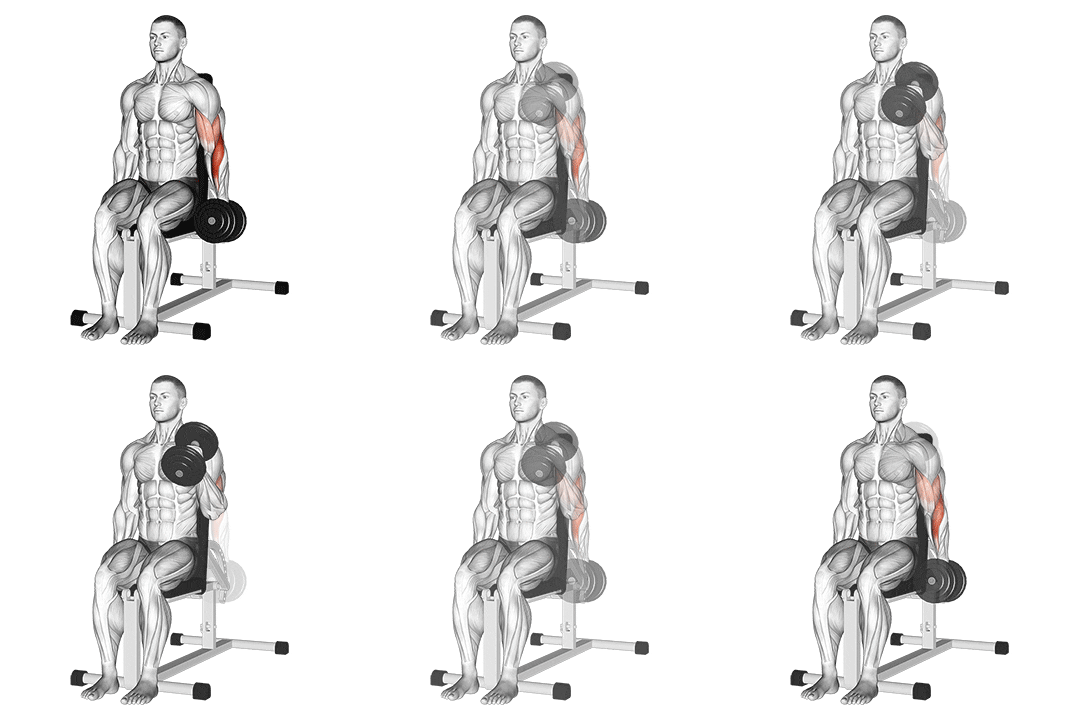
The dumbbell one arm seated hammer curl is an exercise that targets the brachialis, brachioradialis, and biceps brachii muscles of the upper arm. It also engages the forearm muscles. This exercise helps to increase overall arm strength, improve forearm development, and enhance grip strength. ## Instructions 1. Sit on a bench or chair with your back straight and feet flat on the floor. 2. Hold a dumbbell in one hand with a neutral grip (palms facing each other). 3. Start with your arm fully extended, hanging down by your side. 4. Keeping your upper arm stationary, exhale and curl the dumbbell upward by flexing your elbow. Focus on contracting the biceps and forearm muscles. 5. Continue to curl the dumbbell until your hand is close to your shoulder or until you feel a strong contraction in the biceps and forearms. 6. Pause for a brief moment at the top of the movement, squeezing the muscles. 7. In a controlled manner, inhale and slowly lower the dumbbell back to the starting position, fully extending your arm. 8. Repeat for the desired number of repetitions, then switch to the other arm and perform the exercise. ## Variations - **Alternating One Arm Seated Hammer Curl**: Instead of performing the exercise with one arm at a time, you can alternate between arms. Start the next repetition with the opposite arm while the first arm is still returning to the starting position. This allows for continuous engagement of the biceps and forearms. - **Seated Hammer Curl with Both Arms**: Sit on a bench or chair and hold a dumbbell in each hand with a neutral grip. Perform the hammer curl movement simultaneously with both arms. This variation provides a balanced workload for both arms. ## Muscles Worked The dumbbell one arm seated hammer curl primarily targets the brachialis, brachioradialis, and biceps brachii muscles of the upper arm. It also engages the forearm muscles, including the wrist flexors and extensors. ## Common Mistakes - Using momentum: Avoid swinging the weight or using momentum to lift the dumbbell. Focus on a controlled and deliberate movement throughout the exercise. - Allowing the elbow to move forward: Keep your upper arm stationary and close to your side throughout the movement. Avoid letting your elbow move forward or swing, as it can reduce the engagement of the targeted muscles. - Gripping the dumbbell too tightly: Maintain a firm grip on the dumbbell without excessive tension in your hand and forearm. Avoid gripping it too tightly, as it can lead to unnecessary strain and fatigue. ## Safety Precautions - Choose an appropriate weight that allows you to maintain proper form and control. - Keep your back straight and maintain proper posture throughout the exercise. - If you have any pre-existing elbow or shoulder issues, consult with a healthcare professional before attempting this exercise. - If you experience any pain or discomfort during the exercise, stop immediately and seek guidance from a qualified fitness professional.
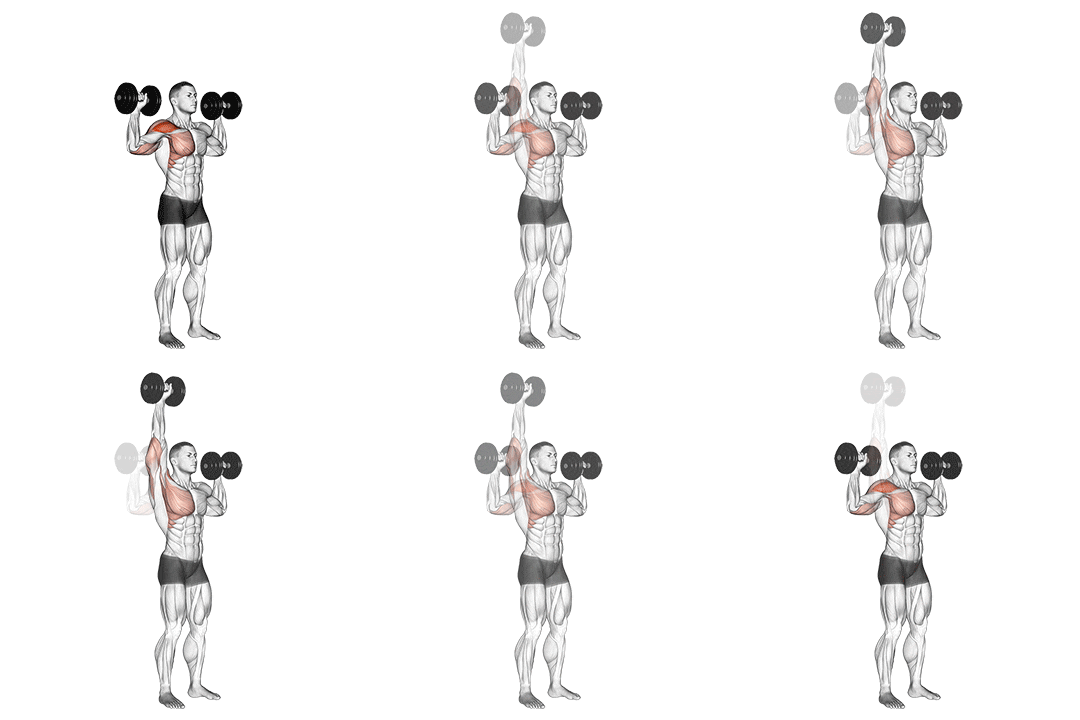
The dumbbell one arm shoulder press is a compound exercise that primarily targets the shoulder muscles, specifically the deltoids (front, middle, and rear). This exercise also engages the triceps and the stabilizing muscles of the core and upper back. It is an effective exercise for building strength and muscle in the shoulders and improving upper body pressing movements. ## Instructions 1. Start by standing with your feet shoulder-width apart, holding a dumbbell in one hand at shoulder level with your palm facing forward. Keep your core engaged and maintain good posture throughout the exercise. 2. Ensure that your elbow is slightly bent, and your upper arm is parallel to the ground. 3. Take a deep breath, brace your core, and exhale as you press the dumbbell overhead in a controlled manner. 4. Extend your arm fully without locking your elbow and pause briefly at the top. 5. In a controlled motion, lower the dumbbell back to the starting position by bending your elbow and keeping your upper arm parallel to the ground. 6. Repeat the movement for the desired number of repetitions. 7. Switch to the other arm and perform the exercise with the same technique. ## Variations - Seated Dumbbell One Arm Shoulder Press: Perform the exercise while seated on a bench or chair, which can provide better stability and isolate the shoulder muscles. - Alternating Dumbbell One Arm Shoulder Press: Instead of completing all repetitions on one side before switching, alternate between arms on each repetition, which challenges your core stability and balance. - Standing Arnold Press: Start with the dumbbells in front of your shoulders with your palms facing your body. As you press overhead, rotate your palms away from your body until they face forward. ## Muscles Worked - Primary muscles: Deltoids (front, middle, and rear) - Secondary muscles: Triceps, core muscles, upper back muscles ## Common Mistakes - Using excessive momentum: Avoid using momentum or jerking movements to lift the dumbbell. It is important to maintain control throughout the exercise. - Arching the back: Keep your core muscles engaged and avoid arching your back during the movement. Maintain a neutral spine position. - Allowing the elbow to flare out: Keep your elbow slightly in front of your body and avoid letting it flare out to the side. This helps maintain proper shoulder mechanics and reduces the risk of injury. ## Safety Precautions - Choose an appropriate weight dumbbell that allows you to maintain proper form throughout the exercise. - Start with a warm-up to prepare your muscles for the exercise. - If you have any shoulder or back injuries or pain, it is advisable to consult with a healthcare professional before performing this exercise. - If you experience any discomfort or pain during the exercise, stop immediately and seek guidance from a fitness professional or healthcare provider.
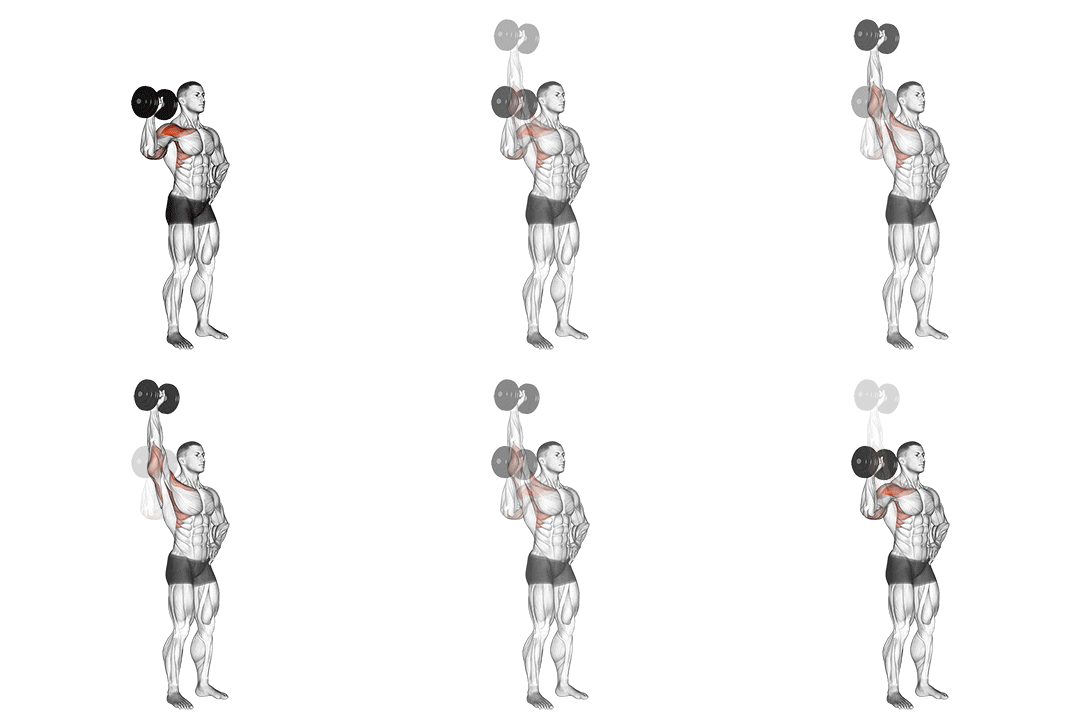
The dumbbell one arm shoulder press is a strength training exercise that primarily targets the shoulder muscles, specifically the deltoids (front, middle, and rear). It also engages the triceps, upper back muscles, and core stabilizers. This exercise helps in developing shoulder strength, improving shoulder stability, and enhancing overall upper body pressing movements. ## Instructions 1. Stand with your feet shoulder-width apart, holding a dumbbell in one hand at shoulder level. Ensure your palm is facing forward, and your elbow is slightly bent. Maintain a neutral spine and engage your core throughout the exercise. 2. Take a deep breath, brace your core, and exhale as you press the dumbbell overhead by extending your arm. 3. Keep your upper arm parallel to the ground throughout the movement. Avoid excessive arching of the lower back. 4. Extend your arm fully without locking your elbow and pause briefly at the top of the movement. 5. In a controlled manner, lower the dumbbell back to the starting position by bending your elbow and maintaining the parallel position of your upper arm. 6. Complete the desired number of repetitions on one side before switching to the other arm. 7. Repeat the exercise with proper form and technique for each arm. ## Variations - Seated Dumbbell One Arm Shoulder Press: Perform the exercise while sitting on a bench or chair. This variation offers better stability and isolates the shoulder muscles. - Alternating Dumbbell One Arm Shoulder Press: Instead of completing all repetitions on one side before switching, alternate arms on each repetition. This variation challenges core stability and balance. - Standing Arnold Press: Begin with the dumbbells in front of your shoulders, palms facing your body. As you press overhead, rotate your palms away from your body until they face forward. ## Muscles Worked - Primary muscles: Deltoids (front, middle, and rear) - Secondary muscles: Triceps, core muscles, upper back muscles ## Common Mistakes - Using momentum: Avoid using momentum to lift the dumbbell. Focus on controlled movements throughout the exercise. - Arching the back: Maintain proper form by keeping your core engaged and avoiding excessive arching of the lower back. - Flaring the elbow out: Keep your elbow slightly in front of your body and avoid letting it flare out to the side. This promotes proper shoulder mechanics and reduces the risk of injury. ## Safety Precautions - Choose an appropriate dumbbell weight that allows you to maintain proper form and control. - Warm up your muscles before starting the exercise to prevent injuries. - If you have any pre-existing shoulder or back injuries, consult with a healthcare professional before performing this exercise. - If you experience any pain or discomfort during the exercise, stop immediately and seek guidance from a fitness professional or healthcare provider.
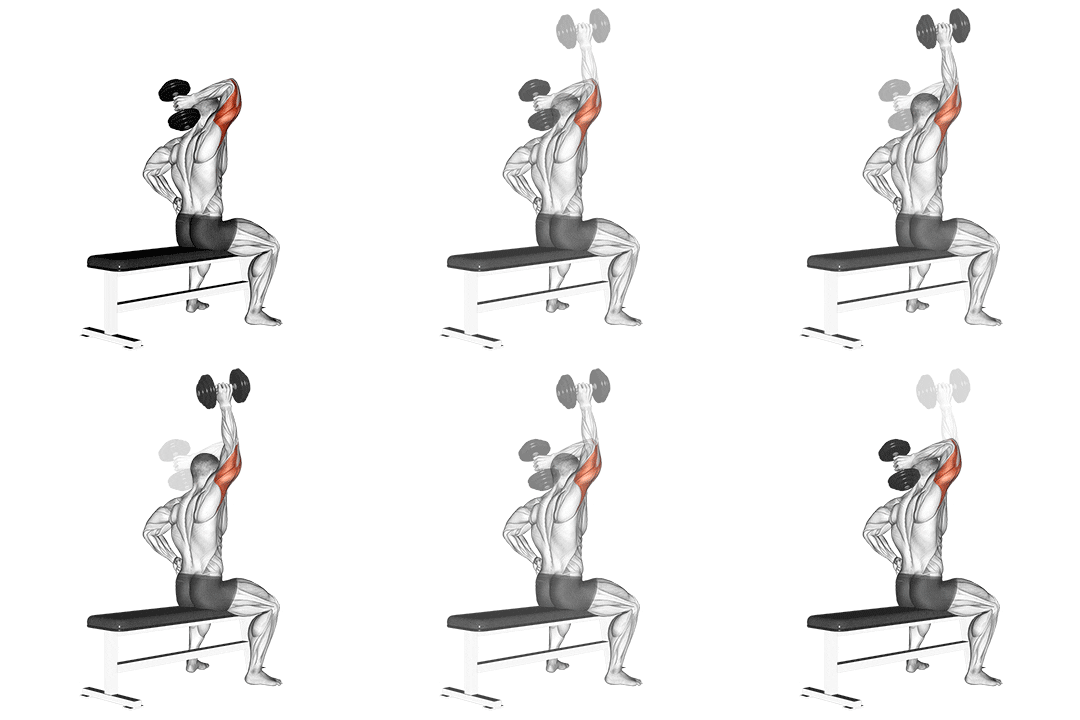
The dumbbell one arm triceps extension, performed on a bench, is an isolation exercise that targets the triceps muscles. This exercise involves extending the arm behind the head while holding a dumbbell, effectively working the back of the upper arms. It helps in strengthening and toning the triceps muscles, improving arm strength, and enhancing pushing movements. ## Instructions 1. Start by sitting on a bench with your feet planted firmly on the ground. Hold a dumbbell in one hand with an overhand grip. 2. Place your opposite hand on the bench for support and stability. 3. Position the dumbbell over your head with your elbow bent and your forearm pointing behind you. 4. Inhale, brace your core, and extend your arm, lifting the dumbbell upward until your arm is fully extended. Keep your upper arm close to your head and stationary throughout the movement. 5. Exhale as you slowly lower the dumbbell back to the starting position, maintaining control and feeling the stretch in your triceps. 6. Complete the desired number of repetitions on one side before switching to the other arm. 7. Repeat the exercise, ensuring proper form and technique for each arm. ## Variations - Seated Two Arm Triceps Extension: Perform the exercise with both arms simultaneously, holding a dumbbell in each hand. - Standing One Arm Triceps Extension: Instead of using a bench, perform the exercise while standing, with one arm at a time. - Resistance Band Triceps Extension: Use a resistance band instead of a dumbbell to perform the triceps extension exercise. This variation provides a different type of resistance and can be done anywhere. ## Muscles Worked - Primary muscle: Triceps ## Common Mistakes - Allowing the elbow to flare out: Keep your elbow pointed toward the ceiling throughout the movement. Avoid letting the elbow drift outward, as it shifts the emphasis away from the triceps. - Swinging the arm: Maintain strict control over the movement and avoid using momentum to lift the weight. Focus on a slow and controlled extension and contraction of the triceps. - Arching the back: Keep your back straight and avoid excessive arching or leaning forward. Maintain a stable and neutral spine position throughout the exercise. ## Safety Precautions - Choose an appropriate dumbbell weight that allows you to maintain proper form and control throughout the exercise. - Warm up your muscles before starting the exercise to prevent injuries. - If you have any pre-existing elbow or shoulder injuries, consult with a healthcare professional before performing this exercise. - Start with a lighter weight and gradually increase the resistance as you gain strength and confidence in your form. - If you experience any pain or discomfort during the exercise, stop immediately and seek guidance from a fitness professional or healthcare provider.
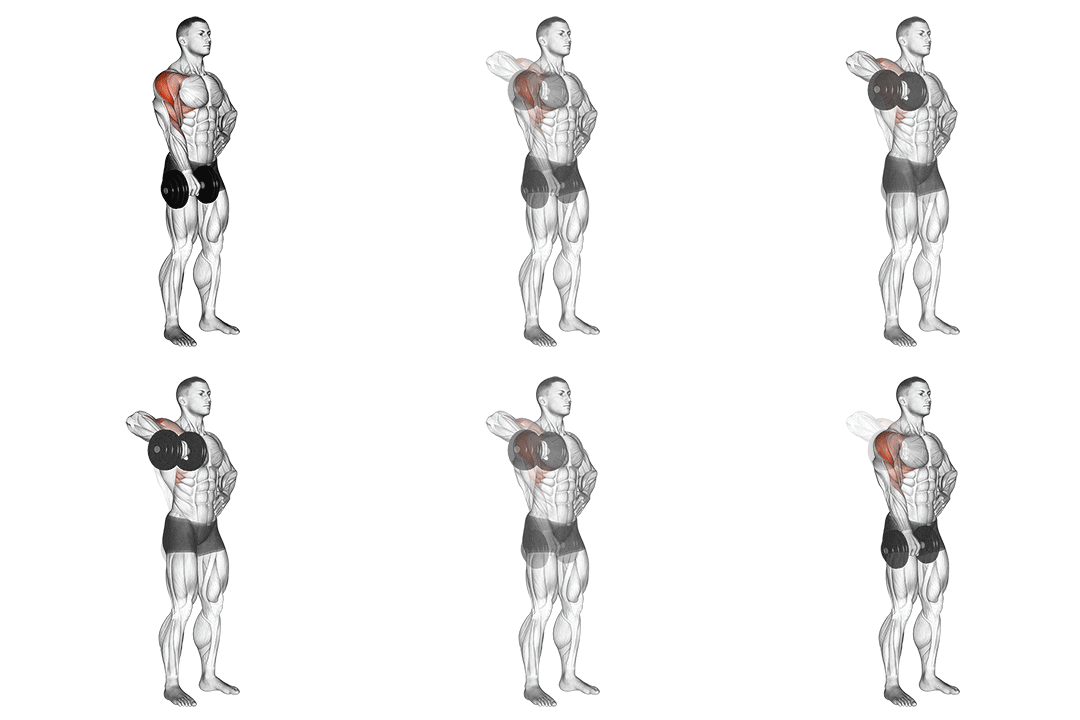
The dumbbell one arm upright row is a compound exercise that primarily targets the shoulder muscles, specifically the deltoids (front and middle). It also engages the trapezius muscles and the muscles of the upper back. This exercise helps in developing shoulder strength, improving posture, and enhancing overall upper body pulling movements. ## Instructions 1. Stand with your feet shoulder-width apart, holding a dumbbell in one hand in front of your thigh. Maintain a slight bend in your knees and keep your core engaged. 2. Begin the movement by pulling the dumbbell straight up, close to your body, leading with your elbow. Keep your elbow higher than your hand throughout the exercise. 3. As you pull the dumbbell upward, continue raising it until it reaches chest level or just below your chin. Keep your forearm close to your body and maintain control throughout the movement. 4. Pause briefly at the top of the movement, squeezing your shoulder muscles. 5. Lower the dumbbell back down to the starting position in a controlled manner. 6. Complete the desired number of repetitions on one side before switching to the other arm. 7. Repeat the exercise, ensuring proper form and technique for each arm. ## Variations - Alternating Dumbbell Upright Row: Instead of completing all repetitions on one side before switching, alternate arms on each repetition. This variation challenges core stability and balance. - Barbell Upright Row: Perform the exercise using a barbell instead of dumbbells. This variation allows you to lift heavier weights and engage both arms simultaneously. ## Muscles Worked - Primary muscles: Deltoids (front and middle) - Secondary muscles: Trapezius, upper back muscles ## Common Mistakes - Raising the dumbbell too high: Avoid lifting the dumbbell above chest level or excessively pulling with your shoulder. Keep the movement controlled and within a comfortable range of motion. - Shrugging the shoulders: Avoid shrugging your shoulders or using excessive upward movement of the upper body. Focus on isolating the shoulder muscles and keeping the movement in a vertical plane. - Using momentum: Do not use momentum or jerking motions to lift the dumbbell. Maintain a controlled and steady pace throughout the exercise. ## Safety Precautions - Choose an appropriate dumbbell weight that allows you to maintain proper form and control. - Warm up your muscles before starting the exercise to prevent injuries. - If you have any pre-existing shoulder or back injuries, consult with a healthcare professional before performing this exercise. - Avoid straining your neck or upper back. Keep your neck in a neutral position and maintain good posture throughout the exercise. - If you experience any pain or discomfort during the exercise, stop immediately and seek guidance from a fitness professional or healthcare provider.