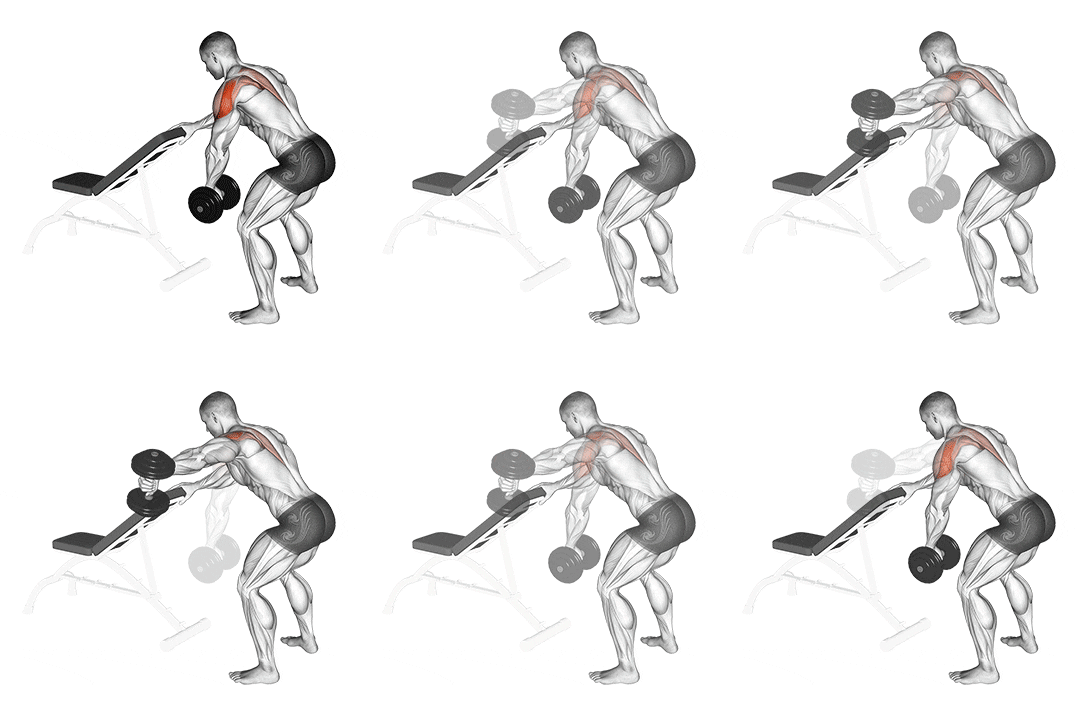
The dumbbell one arm reverse fly is an exercise that primarily targets the posterior deltoid, rhomboids, and upper back muscles. It also engages the rear shoulder muscles, trapezius, and the rotator cuff muscles. This exercise helps improve posture, strengthen the upper back, and enhance shoulder stability. ## Instructions 1. Start by standing with your feet shoulder-width apart and holding a dumbbell in your right hand. 2. Bend your knees slightly and hinge forward at the hips, keeping your back straight. Your torso should be almost parallel to the floor. 3. Place your left hand on a bench or any stable support for balance and stability. 4. Extend your right arm downward, keeping a slight bend in your elbow. The dumbbell should be hanging directly beneath your shoulder. 5. Initiate the movement by squeezing your shoulder blades together and lifting the dumbbell out to the side. Keep your elbow slightly bent throughout the movement. 6. Continue raising the dumbbell until your arm is parallel to the floor and in line with your shoulder. Keep your wrist in a neutral position. 7. Pause for a moment at the top of the movement, focusing on squeezing your shoulder blades together. 8. Slowly lower the dumbbell back to the starting position, maintaining control and feeling the muscles working. 9. Complete the desired number of repetitions on one side before switching to the other arm. ## Variations - **Resistance Band Variation:** If you don't have dumbbells, you can use resistance bands instead. Attach the band to a stationary object and follow the same motion as described above. - **Seated Variation:** If standing is uncomfortable or not feasible, you can perform this exercise while seated on a bench or chair. Keep your back straight and follow the same instructions as above. ## Muscles Worked - Posterior deltoid (rear shoulder) - Rhomboids - Trapezius (upper back) - Rotator cuff muscles ## Common Mistakes - **Using momentum:** Avoid swinging or using momentum to lift the dumbbell. Focus on controlled movements throughout the exercise. - **Rounding the back:** Maintain a straight back and avoid rounding your shoulders or hunching forward during the movement. - **Lifting the dumbbell too high:** Avoid lifting the dumbbell above shoulder level, as it can put excessive strain on the shoulder joint. ## Safety Precautions - Start with a lighter weight dumbbell and gradually increase the weight as you become more comfortable and confident with the exercise. - Maintain proper form throughout the movement to avoid strain or injury. - If you have any pre-existing shoulder or back injuries, it's advisable to consult with a healthcare professional before attempting this exercise. - If you experience any pain or discomfort during the exercise, stop immediately and seek medical advice if necessary.
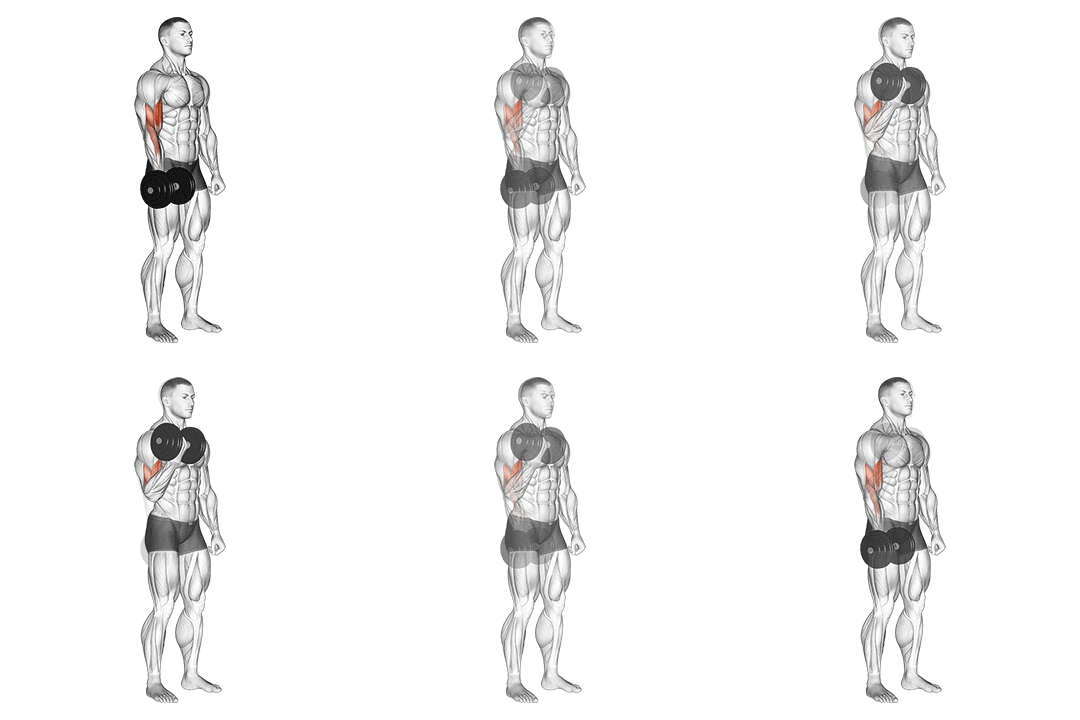
The Dumbbell One Arm Standing Curl is an exercise that primarily targets the biceps brachii muscle of the upper arm. It is an effective isolation exercise for building strength and size in the biceps. By performing this exercise one arm at a time, you can also improve muscular imbalances between the left and right sides of your body. ## Instructions 1. Stand upright with your feet shoulder-width apart and hold a dumbbell in one hand, palm facing forward. 2. Keep your back straight, chest up, and shoulders relaxed throughout the exercise. 3. Allow your arm to fully extend, with the dumbbell hanging at arm's length by your side. 4. Keeping your upper arm stationary, exhale and curl the dumbbell upwards in a smooth and controlled motion. 5. Continue curling until your forearm is fully contracted and the dumbbell is close to your shoulder. 6. Pause briefly at the top of the movement, squeezing your biceps. 7. Inhale and slowly lower the dumbbell back to the starting position, fully extending your arm. 8. Repeat for the desired number of repetitions on one arm before switching to the other arm. ## Variations - Alternating One Arm Standing Curl: Perform the exercise by curling one arm at a time while alternating between arms. This variation can provide a more balanced development of the biceps. - Hammer Curl: Instead of holding the dumbbell with a supinated grip (palm facing forward), use a neutral grip (palm facing inward) throughout the movement. This variation targets the brachialis muscle more, which lies underneath the biceps. - Seated One Arm Curl: Perform the exercise while seated on a bench or chair. This variation stabilizes the body and minimizes the involvement of other muscles, allowing for a more concentrated biceps workout. ## Muscles Worked - Primary Muscles: Biceps brachii (short and long heads) - Secondary Muscles: Brachialis, brachioradialis, forearm flexors ## Common Mistakes - Using momentum: Avoid swinging or using momentum to lift the dumbbell. The movement should be controlled throughout, focusing on the contraction of the biceps. - Partial range of motion: Ensure that you fully extend your arm at the bottom and fully contract your biceps at the top of the movement. Avoid only performing partial reps. - Leaning or arching the back: Keep your back straight and avoid leaning backward or arching your back during the exercise. Maintain good posture and engage your core for stability. ## Safety Precautions - Start with a weight that you can comfortably handle to maintain proper form. - Warm up your biceps and perform some light stretches before starting the exercise to reduce the risk of injury. - If you have any pre-existing shoulder or elbow issues, consult with a healthcare professional or fitness trainer before attempting this exercise. - If you experience any pain or discomfort, stop the exercise and seek guidance from a professional.
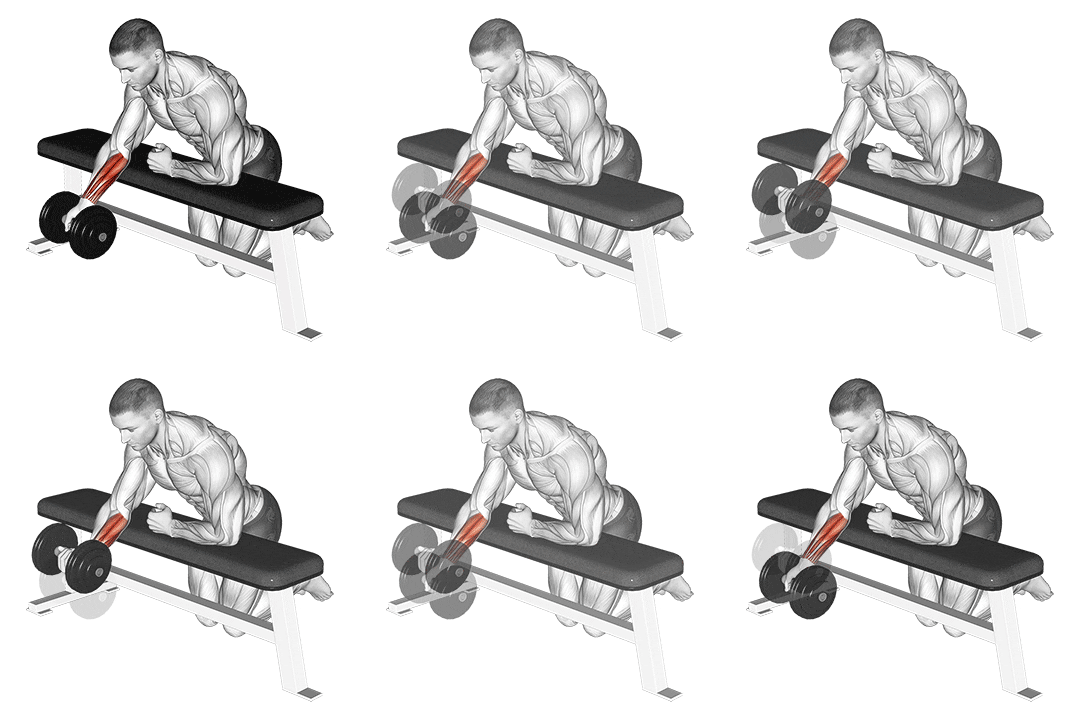
The dumbbell over bench one arm reverse wrist curl is an exercise that primarily targets the forearm muscles, specifically the extensor muscles. It involves the movement of the wrist in a reverse curling motion while the forearm is supported on a bench. This exercise helps in strengthening the extensor muscles of the forearm and improving wrist stability. ## Instructions 1. Start by placing a bench horizontally in front of you. 2. Grasp a dumbbell with an overhand grip (palms facing down) using your working hand. 3. Kneel down beside the bench and place your forearm on top of it, with your wrist extending slightly beyond the edge. 4. Rest your hand on the bench, allowing the weight to hang down with your palm facing the floor. 5. Keep your forearm stationary throughout the exercise. 6. Begin the movement by curling your wrist upward, bringing the dumbbell towards your body. 7. Pause for a moment at the top, squeezing your forearm muscles. 8. Slowly lower the weight back to the starting position, allowing your wrist to fully extend. 9. Repeat for the desired number of repetitions. 10. Switch sides and repeat the exercise with the other arm. ## Variations - **Seated Variation**: Instead of kneeling beside the bench, sit on a chair or bench with your forearm supported on your thigh. - **Two-Arm Variation**: Perform the exercise using both arms simultaneously, holding a dumbbell in each hand. - **Resistance Band Variation**: Attach a resistance band to a sturdy object, hold the other end in your hand with an overhand grip, and perform the same reverse wrist curl motion. ## Muscles Worked The dumbbell over bench one arm reverse wrist curl primarily targets the following muscles: - Forearm extensors (e.g., extensor carpi radialis longus, extensor carpi radialis brevis, extensor digitorum) ## Common Mistakes - **Using momentum**: Avoid swinging the weight or using excessive momentum to lift the dumbbell. Maintain control throughout the movement. - **Not fully extending the wrist**: Make sure to fully extend your wrist at the starting position to ensure a complete range of motion. - **Gripping the dumbbell too tightly**: Maintain a firm grip on the dumbbell but avoid excessive tension in your hand and forearm, as it may restrict the movement. ## Safety Precautions - Start with a lighter weight and gradually increase the load as you become comfortable with the exercise. - Keep your wrist and forearm aligned during the movement to prevent strain or discomfort. - If you have any wrist or forearm injuries or conditions, consult with a healthcare professional before attempting this exercise. - Always use proper form and technique to minimize the risk of injury.
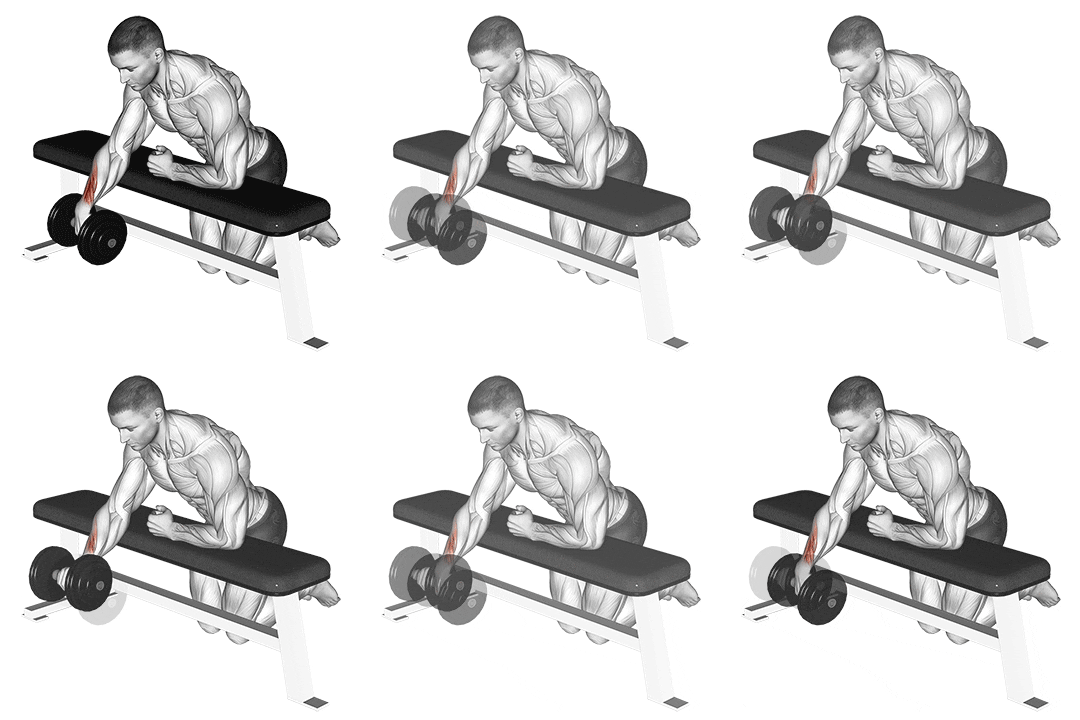
The dumbbell over bench one arm wrist curl is an exercise that primarily targets the forearm muscles, specifically the flexor muscles. It involves the movement of the wrist in a curling motion while the forearm is supported on a bench. This exercise helps in strengthening the flexor muscles of the forearm, improving grip strength, and enhancing wrist mobility. ## Instructions 1. Start by placing a bench horizontally in front of you. 2. Grasp a dumbbell with an underhand grip (palms facing up) using your working hand. 3. Kneel down beside the bench and place your forearm on top of it, with your wrist extending slightly beyond the edge. 4. Rest your hand on the bench, allowing the weight to hang down with your palm facing up. 5. Keep your forearm stationary throughout the exercise. 6. Begin the movement by curling your wrist upward, bringing the dumbbell towards your body. 7. Pause for a moment at the top, squeezing your forearm muscles. 8. Slowly lower the weight back to the starting position, allowing your wrist to fully flex. 9. Repeat for the desired number of repetitions. 10. Switch sides and repeat the exercise with the other arm. ## Variations - **Seated Variation**: Instead of kneeling beside the bench, sit on a chair or bench with your forearm supported on your thigh. - **Two-Arm Variation**: Perform the exercise using both arms simultaneously, holding a dumbbell in each hand. - **Resistance Band Variation**: Attach a resistance band to a sturdy object, hold the other end in your hand with an underhand grip, and perform the same wrist curl motion. ## Muscles Worked The dumbbell over bench one arm wrist curl primarily targets the following muscles: - Forearm flexors (e.g., flexor carpi radialis, flexor carpi ulnaris) ## Common Mistakes - **Using momentum**: Avoid swinging the weight or using excessive momentum to lift the dumbbell. Keep the movement controlled throughout. - **Not fully flexing the wrist**: Make sure to fully flex your wrist at the top of the movement to achieve a complete range of motion. - **Gripping the dumbbell too tightly**: Maintain a firm grip on the dumbbell, but avoid excessive tension in your hand and forearm, as it may restrict the movement. ## Safety Precautions - Start with a lighter weight and gradually increase the load as you become comfortable with the exercise. - Maintain proper wrist alignment during the movement to prevent strain or discomfort. - If you have any wrist or forearm injuries or conditions, consult with a healthcare professional before attempting this exercise. - Always use proper form and technique to minimize the risk of injury.
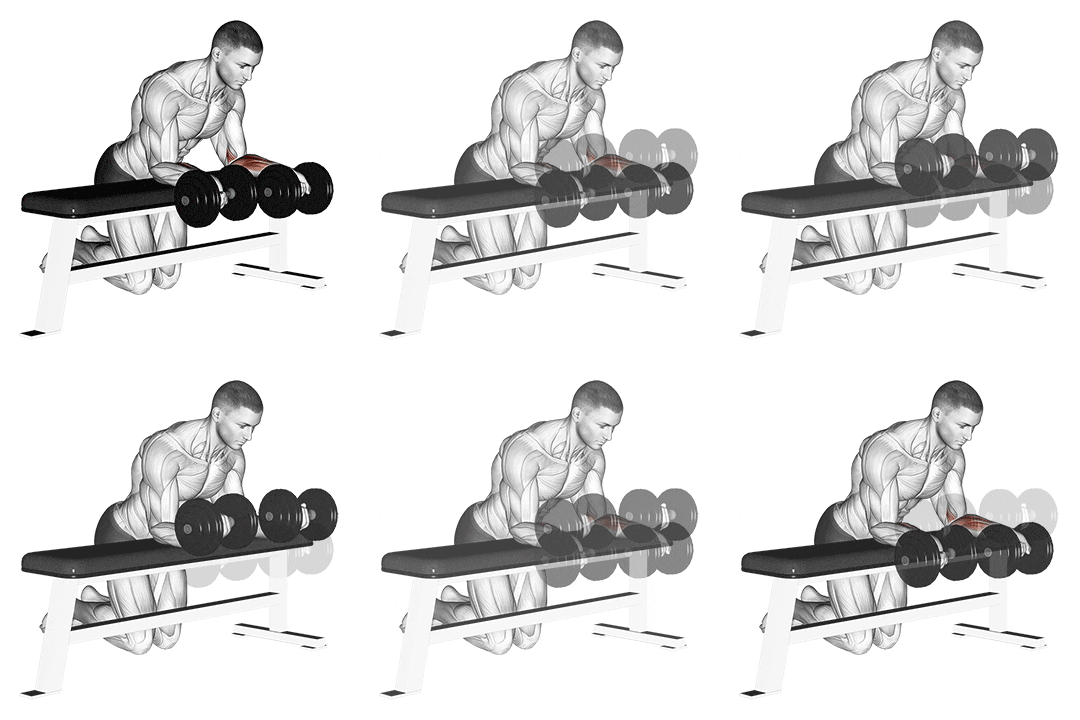
The dumbbell over bench reverse wrist curl is an exercise that primarily targets the forearm muscles, specifically the extensor muscles. It involves the movement of the wrist in a reverse curling motion while the forearm is supported on a bench. This exercise helps in strengthening the extensor muscles of the forearm, improving grip strength, and promoting wrist stability. ## Instructions 1. Start by placing a bench horizontally in front of you. 2. Grasp a dumbbell with an overhand grip (palms facing down) using your working hand. 3. Kneel down beside the bench and place your forearm on top of it, with your wrist extending slightly beyond the edge. 4. Rest your hand on the bench, allowing the weight to hang down with your palm facing the floor. 5. Keep your forearm stationary throughout the exercise. 6. Begin the movement by curling your wrist downward, bringing the dumbbell towards your body. 7. Pause for a moment at the bottom, squeezing your forearm muscles. 8. Slowly raise the weight back to the starting position, allowing your wrist to fully extend. 9. Repeat for the desired number of repetitions. 10. Switch sides and repeat the exercise with the other arm. ## Variations - **Seated Variation**: Instead of kneeling beside the bench, sit on a chair or bench with your forearm supported on your thigh. - **Two-Arm Variation**: Perform the exercise using both arms simultaneously, holding a dumbbell in each hand. - **Resistance Band Variation**: Attach a resistance band to a sturdy object, hold the other end in your hand with an overhand grip, and perform the same reverse wrist curl motion. ## Muscles Worked The dumbbell over bench reverse wrist curl primarily targets the following muscles: - Forearm extensors (e.g., extensor carpi radialis longus, extensor carpi radialis brevis, extensor digitorum) ## Common Mistakes - **Using momentum**: Avoid swinging the weight or using excessive momentum to lift the dumbbell. Maintain control throughout the movement. - **Not fully extending the wrist**: Make sure to fully extend your wrist at the top of the movement to ensure a complete range of motion. - **Gripping the dumbbell too tightly**: Maintain a firm grip on the dumbbell but avoid excessive tension in your hand and forearm, as it may restrict the movement. ## Safety Precautions - Start with a lighter weight and gradually increase the load as you become comfortable with the exercise. - Keep your wrist and forearm aligned during the movement to prevent strain or discomfort. - If you have any wrist or forearm injuries or conditions, consult with a healthcare professional before attempting this exercise. - Always use proper form and technique to minimize the risk of injury.
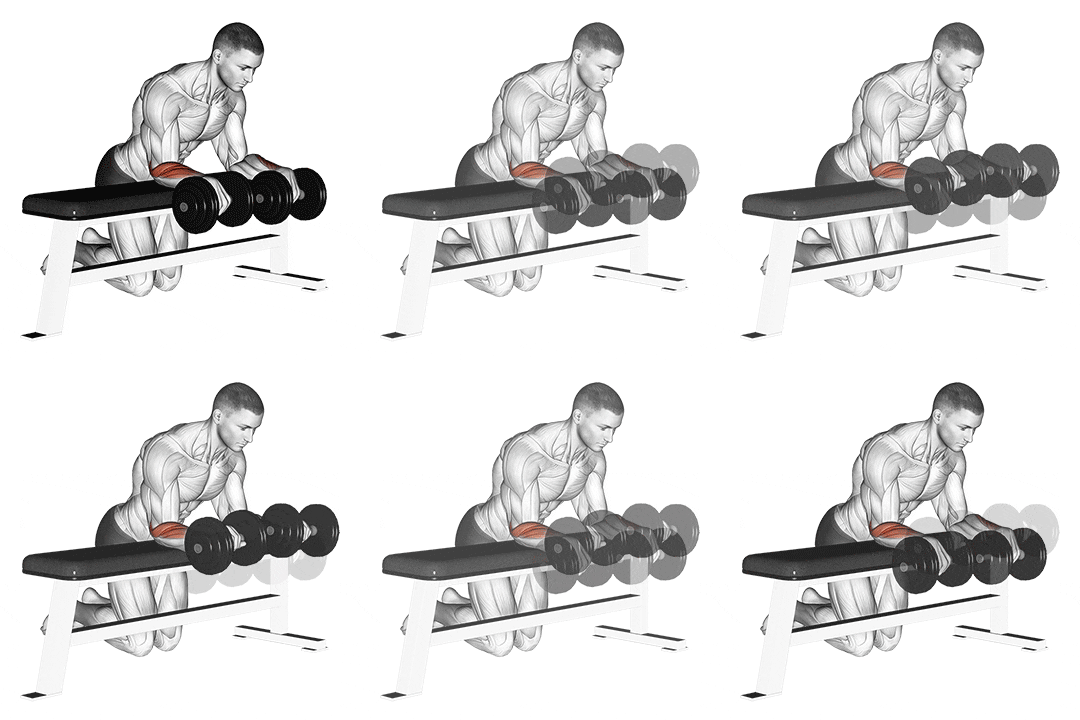
The dumbbell over bench wrist curl is an exercise that primarily targets the forearm muscles, specifically the flexor muscles. It involves the movement of the wrist in a curling motion while the forearm is supported on a bench. This exercise helps in strengthening the flexor muscles of the forearm, improving grip strength, and enhancing wrist mobility. ## Instructions 1. Start by placing a bench horizontally in front of you. 2. Grasp a dumbbell with an underhand grip (palms facing up) using your working hand. 3. Kneel down beside the bench and place your forearm on top of it, with your wrist extending slightly beyond the edge. 4. Rest your hand on the bench, allowing the weight to hang down with your palm facing up. 5. Keep your forearm stationary throughout the exercise. 6. Begin the movement by curling your wrist upward, bringing the dumbbell towards your body. 7. Pause for a moment at the top, squeezing your forearm muscles. 8. Slowly lower the weight back to the starting position, allowing your wrist to fully flex. 9. Repeat for the desired number of repetitions. 10. Switch sides and repeat the exercise with the other arm. ## Variations - **Seated Variation**: Instead of kneeling beside the bench, sit on a chair or bench with your forearm supported on your thigh. - **Two-Arm Variation**: Perform the exercise using both arms simultaneously, holding a dumbbell in each hand. - **Resistance Band Variation**: Attach a resistance band to a sturdy object, hold the other end in your hand with an underhand grip, and perform the same wrist curl motion. ## Muscles Worked The dumbbell over bench wrist curl primarily targets the following muscles: - Forearm flexors (e.g., flexor carpi radialis, flexor carpi ulnaris) ## Common Mistakes - **Using momentum**: Avoid swinging the weight or using excessive momentum to lift the dumbbell. Keep the movement controlled throughout. - **Not fully flexing the wrist**: Make sure to fully flex your wrist at the top of the movement to achieve a complete range of motion. - **Gripping the dumbbell too tightly**: Maintain a firm grip on the dumbbell, but avoid excessive tension in your hand and forearm, as it may restrict the movement. ## Safety Precautions - Start with a lighter weight and gradually increase the load as you become comfortable with the exercise. - Maintain proper wrist alignment during the movement to prevent strain or discomfort. - If you have any wrist or forearm injuries or conditions, consult with a healthcare professional before attempting this exercise. - Always use proper form and technique to minimize the risk of injury.
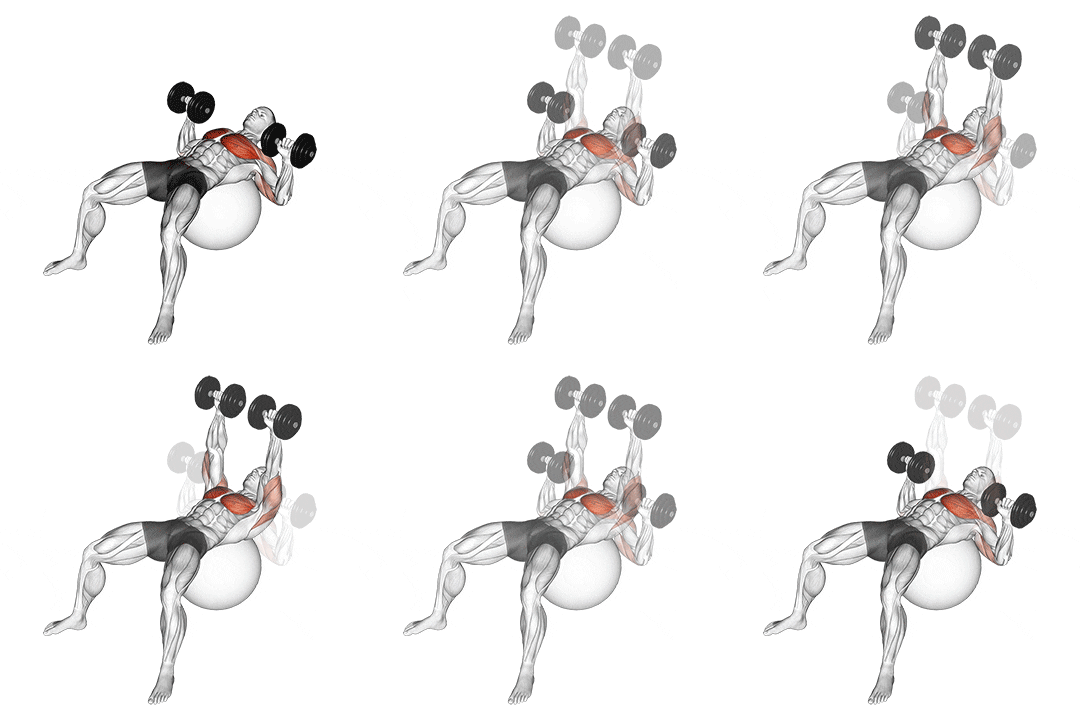
The dumbbell press on an exercise ball is a compound exercise that primarily targets the chest muscles (pectorals), along with the shoulders (deltoids) and triceps. It is an effective variation of the traditional dumbbell press, as it engages your core muscles and enhances stability due to the instability of the exercise ball. This exercise helps improve upper body strength, stability, and balance. ## Instructions 1. Start by selecting an appropriate pair of dumbbells and an exercise ball. Choose dumbbells that you can comfortably lift and control throughout the exercise. 2. Sit on the exercise ball with your feet flat on the floor, hip-width apart. Slowly walk your feet forward while rolling the ball until your upper back and head are supported on the ball. Keep your knees bent at a 90-degree angle. 3. Hold the dumbbells in each hand with an overhand grip (palms facing away from you). Extend your arms fully, positioning the dumbbells just above your chest, with your elbows slightly bent. 4. Engage your core muscles and maintain a stable position on the exercise ball. 5. Inhale and slowly lower the dumbbells to the sides of your chest while keeping your elbows at a 90-degree angle. 6. Exhale and push the dumbbells back up to the starting position, fully extending your arms without locking your elbows. 7. Repeat for the desired number of repetitions. ## Variations - Beginners can start with lighter dumbbells or no weights at all, focusing on mastering the exercise ball stability. - Advanced users can increase the intensity by using heavier dumbbells or performing the exercise on a stability ball with greater instability. - If an exercise ball is not available, the same movement can be performed on a bench or flat surface, lying on your back. ## Muscles Worked - Primary muscles: Pectorals (chest muscles), Anterior deltoids (front of the shoulders), Triceps. - Secondary muscles: Core muscles (abdominals, obliques), Scapular stabilizers. ## Common Mistakes 1. Arching the lower back: Maintain proper posture throughout the exercise by keeping your core engaged and avoiding excessive arching of the lower back. 2. Flaring the elbows: Keep your elbows at a 90-degree angle throughout the movement. Avoid allowing them to flare out to the sides, as this can strain the shoulders. 3. Using excessive weight: Choose a weight that allows you to maintain control and proper form. Using weights that are too heavy can compromise your stability and increase the risk of injury. 4. Bouncing the weights: Avoid using momentum or bouncing the weights off your chest. Maintain a controlled and smooth motion throughout the exercise. ## Safety Precautions 1. Consult with a healthcare professional or a certified fitness trainer before attempting this exercise, especially if you have any pre-existing injuries or medical conditions. 2. Ensure that the exercise ball is properly inflated and can support your weight before using it. 3. Start with lighter weights and gradually progress to heavier ones as your strength and stability improve. 4. Always maintain proper form and control throughout the exercise to avoid strain or injury. 5. If you experience any pain or discomfort, stop the exercise and seek medical advice.
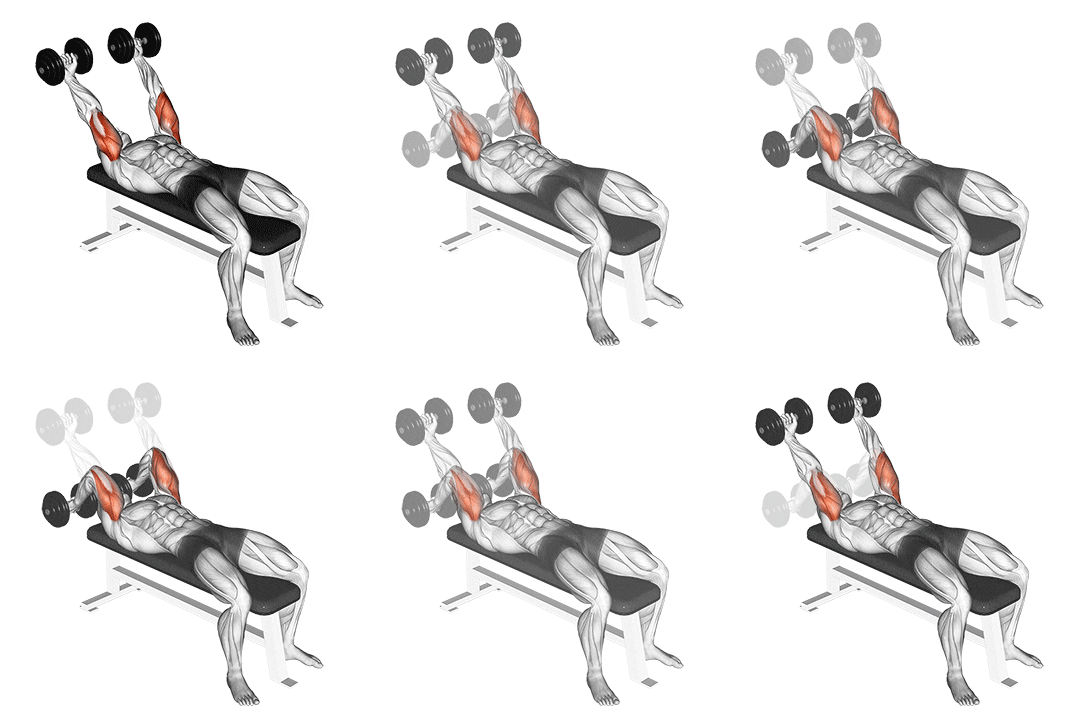
The dumbbell pronate-grip triceps extension is an isolation exercise that primarily targets the triceps, the muscles located at the back of the upper arm. This exercise helps strengthen and tone the triceps, improving arm definition and overall upper body strength. ## Instructions 1. Start by selecting an appropriate dumbbell weight for your fitness level. Hold the dumbbell with both hands using an overhand grip (palms facing down) and your hands shoulder-width apart. 2. Stand up straight with your feet shoulder-width apart, or sit on a bench with back support if preferred. 3. Raise the dumbbell overhead, fully extending your arms. Keep your elbows close to your head, pointing forward. 4. Inhale and slowly lower the dumbbell behind your head, bending your elbows. Maintain control and a steady pace throughout the movement. 5. Lower the dumbbell until your forearms are parallel to the floor or slightly lower, feeling a stretch in your triceps. 6. Exhale and extend your arms, raising the dumbbell back to the starting position. 7. Repeat for the desired number of repetitions. ## Variations - One-Arm Dumbbell Pronate-Grip Triceps Extension: Perform the exercise with one arm at a time, focusing on each triceps individually. This variation can help address muscle imbalances. - Seated Dumbbell Pronate-Grip Triceps Extension: Instead of standing, perform the exercise while seated on a bench or chair with back support. This variation provides stability and isolates the triceps effectively. ## Muscles Worked - Primary muscles: Triceps (long head, lateral head, medial head). - Secondary muscles: Deltoids (shoulders), forearms. ## Common Mistakes 1. Using excessive weight: Choose a weight that allows you to maintain control and proper form. Using weights that are too heavy can compromise your technique and lead to strain or injury. 2. Flaring the elbows: Keep your elbows pointing forward and close to your head throughout the movement. Avoid allowing them to flare out to the sides, as this reduces the emphasis on the triceps. 3. Allowing the shoulders to shrug: Keep your shoulders relaxed and down, away from your ears. Avoid shrugging or tensing the shoulder muscles during the exercise. 4. Arching the back: Maintain proper posture and avoid arching the back excessively. Engage your core muscles to stabilize your spine throughout the movement. ## Safety Precautions 1. If you have any pre-existing shoulder, elbow, or wrist injuries, consult with a healthcare professional or a certified fitness trainer before attempting this exercise. 2. Start with a lighter weight and gradually increase the load as your strength and technique improve. 3. Keep your movements controlled and avoid using momentum to lift the weight. 4. If you experience any pain or discomfort, especially in the elbows or shoulders, stop the exercise and seek medical advice. 5. If you have balance issues or concerns, perform this exercise while seated on a bench with back support to ensure stability.
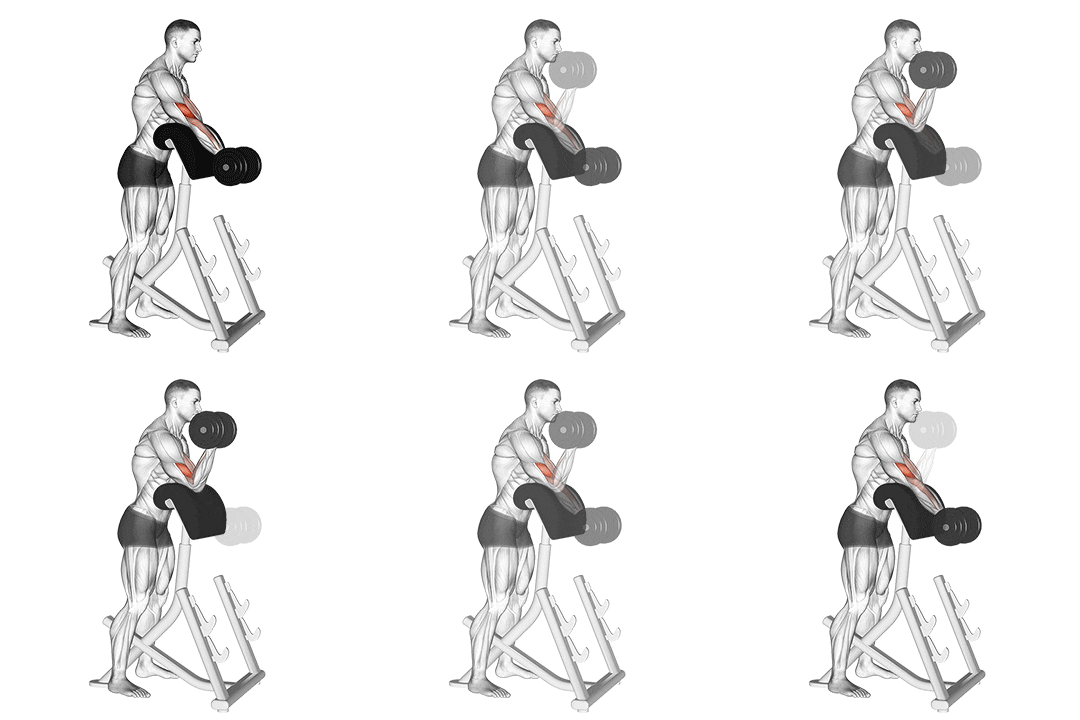
The dumbbell standing preacher curl is an isolation exercise that primarily targets the biceps muscles. It involves performing a biceps curl with the upper arm supported on an inclined surface, such as a preacher bench or an incline bench. This exercise helps to develop and strengthen the biceps, contributing to arm aesthetics and overall upper body strength. ## Instructions 1. Position a preacher bench in front of you and adjust the height to ensure that your upper arms rest comfortably on the angled surface. 2. Stand with your feet shoulder-width apart, holding a dumbbell in one hand with an underhand grip (palms facing upward). 3. Place the back of your upper arm against the preacher bench, allowing your arm to fully extend toward the floor. 4. Keep your core engaged, maintain a straight back, and avoid excessive arching or swinging motions. 5. Exhale and slowly curl the dumbbell upward, contracting your biceps while keeping your upper arm against the preacher bench. 6. Continue curling until your forearm is fully contracted and the dumbbell is close to your shoulder. 7. Hold the contracted position for a brief moment, squeezing your biceps. 8. Inhale and gradually lower the dumbbell back to the starting position, maintaining control and a full range of motion. 9. Repeat the exercise for the desired number of repetitions, then switch arms and perform the same steps. ## Variations - Seated Dumbbell Preacher Curl: Instead of standing, perform the exercise while seated on a preacher bench or an incline bench for added stability. - Alternating Dumbbell Preacher Curl: Alternate the curls between arms, performing a full set with one arm before switching to the other. - Hammer Curl on Preacher Bench: Change the grip to a neutral or hammer grip (palms facing each other) to target the brachialis muscle along with the biceps. ## Muscles Worked - Primary muscles: Biceps brachii (short and long heads) - Secondary muscles: Brachialis, brachioradialis (forearm muscle) ## Common Mistakes - Using excessive momentum: Avoid swinging or jerking the weight upward. Focus on controlled and smooth movements. - Allowing the upper arm to leave the preacher bench: Keep your upper arm in contact with the bench throughout the movement to maintain proper form and target the biceps effectively. - Using a grip that is too wide or too narrow: Find a grip width that allows your wrists, elbows, and shoulders to stay aligned and comfortable during the exercise. - Arching the back: Maintain a neutral spine and avoid excessive backward leaning or overarching. ## Safety Precautions - Choose an appropriate weight that challenges your biceps without compromising your form or causing excessive strain. - Before attempting the exercise, ensure that the preacher bench or inclined surface is stable and secure. - If you have any pre-existing elbow or shoulder injuries, consult with a healthcare professional before performing this exercise. - If you experience any pain or discomfort during the exercise, stop immediately and seek guidance from a fitness professional or healthcare provider.