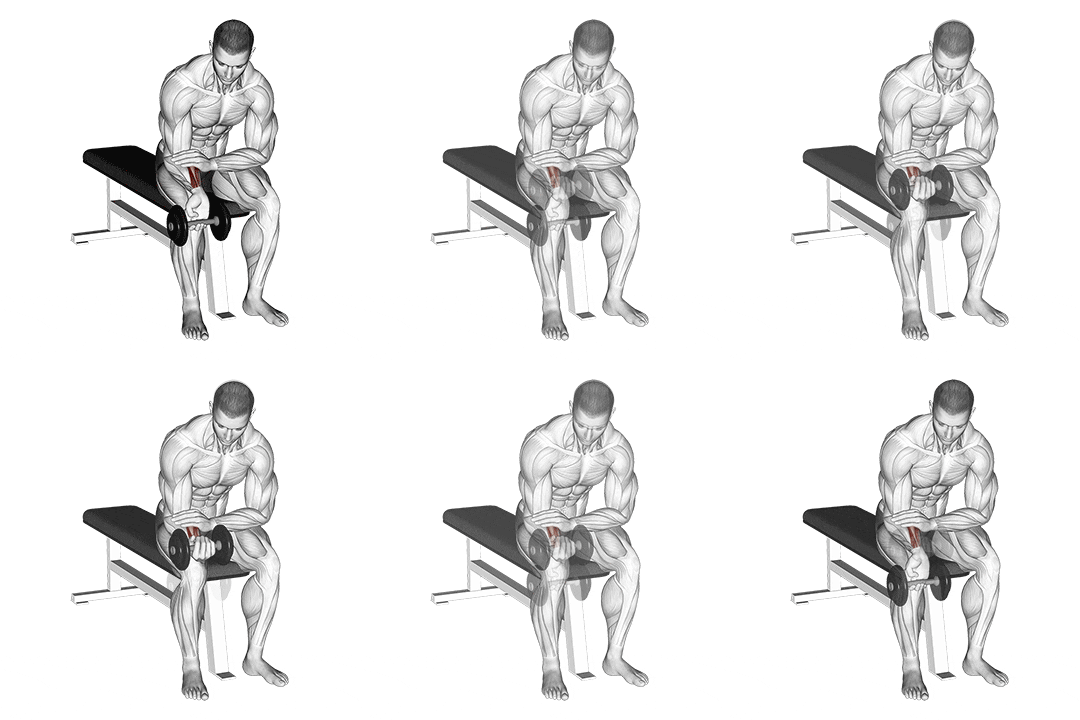
The dumbbell one arm wrist curl is an isolation exercise that targets the muscles of the forearms, specifically the wrist flexors. This exercise helps in strengthening and developing the muscles responsible for wrist flexion, which is essential for various gripping and pulling movements. ## Instructions 1. Sit on a bench or chair with your feet flat on the floor. Hold a dumbbell in one hand, palms facing up. 2. Rest your forearm on your thigh, with your wrist positioned just above your knee, allowing your hand to extend beyond your leg. 3. Inhale, brace your core, and exhale as you curl your wrist, lifting the dumbbell upward as far as comfortably possible. 4. Keep your forearm stable throughout the movement, allowing only your wrist to move. 5. Pause briefly at the top of the movement and squeeze your forearm muscles. 6. In a controlled manner, lower the dumbbell back down to the starting position, feeling a stretch in your wrist flexors. 7. Complete the desired number of repetitions on one side before switching to the other arm. 8. Repeat the exercise, ensuring proper form and technique for each arm. ## Variations - Seated Two Arm Wrist Curl: Perform the exercise with both arms simultaneously, holding a dumbbell in each hand. - Reverse Wrist Curl: Hold the dumbbell with your palms facing down and perform the same curling motion. This targets the wrist extensor muscles. ## Muscles Worked - Primary muscles: Wrist flexors (forearm muscles) ## Common Mistakes - Using momentum: Avoid swinging or using momentum to lift the dumbbell. Focus on controlled movements and keep the motion isolated to the wrists. - Gripping the dumbbell too tightly: Use a comfortable grip on the dumbbell without excessive tension. This allows the wrist flexors to engage effectively. - Raising the forearm off the thigh: Keep your forearm firmly resting on your thigh throughout the exercise to maintain stability and isolate the wrist flexors. ## Safety Precautions - Choose an appropriate dumbbell weight that allows you to maintain proper form and control. - Warm up your wrists and forearms with some light stretching before starting the exercise. - If you have any pre-existing wrist or forearm injuries, consult with a healthcare professional before performing this exercise. - Start with a lighter weight and gradually increase the resistance as you gain strength and confidence in your form. - If you experience any pain or discomfort during the exercise, stop immediately and seek guidance from a fitness professional or healthcare provider.
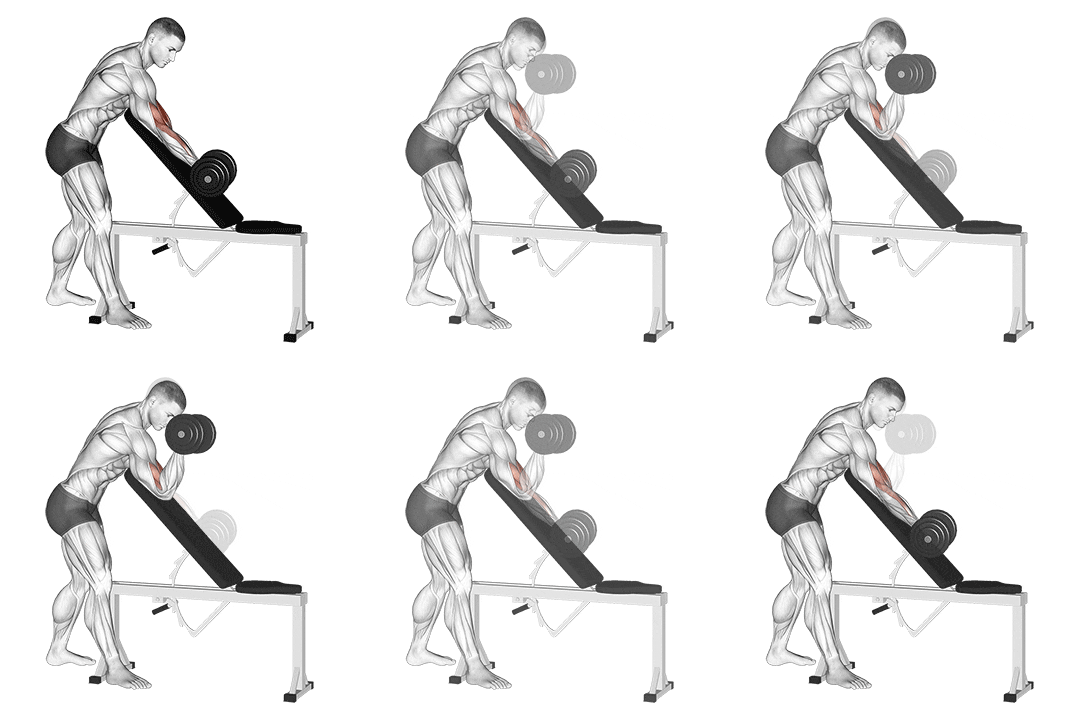
The dumbbell one arm Zottman preacher curl is a variation of the bicep curl exercise that targets the biceps, forearms, and brachialis muscles. This exercise involves a combination of supination and pronation movements, providing a comprehensive workout for the upper arm muscles. It helps in building bicep strength, improving forearm strength and grip, and enhancing overall arm aesthetics. ## Instructions 1. Adjust a preacher curl bench so that your upper arms are supported on the pad and your armpits are resting comfortably on the top edge. 2. Hold a dumbbell in one hand with an underhand grip (palms facing up), and extend your arm fully, allowing it to hang straight down. 3. Inhale, brace your core, and exhale as you curl the dumbbell upward toward your shoulder, keeping your upper arm stationary on the pad. 4. Once your forearm is fully flexed and the dumbbell reaches your shoulder, pause briefly and squeeze your biceps. 5. In a controlled manner, rotate your wrist and forearm to a pronated grip (palms facing down) at the top of the movement. 6. Begin lowering the dumbbell back down to the starting position while maintaining the pronated grip. 7. Once your arm is fully extended and the dumbbell is hanging straight down again, rotate your wrist and forearm back to an underhand grip (palms facing up). 8. Repeat the exercise for the desired number of repetitions on one side before switching to the other arm. 9. Maintain proper form and technique throughout the exercise. ## Variations - Seated Dumbbell One Arm Zottman Preacher Curl: Perform the exercise while sitting on a bench or chair with your upper arms supported on the pad. - Standing Dumbbell One Arm Zottman Curl: Perform the exercise while standing, using a dumbbell in one hand, and following the same supination-pronation movement pattern. ## Muscles Worked - Primary muscles: Biceps brachii, brachialis - Secondary muscles: Forearm muscles (pronator teres, flexor carpi radialis, etc.) ## Common Mistakes - Swinging the body: Avoid using momentum or swinging your body to lift the dumbbell. Keep your upper arm stationary on the pad and focus on controlled movements. - Rounding the shoulders: Maintain proper posture throughout the exercise. Keep your shoulders back and down, and avoid hunching or rounding the upper back. - Lifting too heavy: Start with a weight that allows you to maintain proper form and control. Avoid using excessive weight that compromises your technique. ## Safety Precautions - Choose an appropriate dumbbell weight that challenges your muscles but still allows you to maintain proper form. - Warm up your biceps and forearms with some light stretching or warm-up sets before starting the exercise. - If you have any pre-existing elbow, shoulder, or bicep tendon injuries, consult with a healthcare professional before performing this exercise. - If you experience any pain or discomfort during the exercise, stop immediately and seek guidance from a fitness professional or healthcare provider.
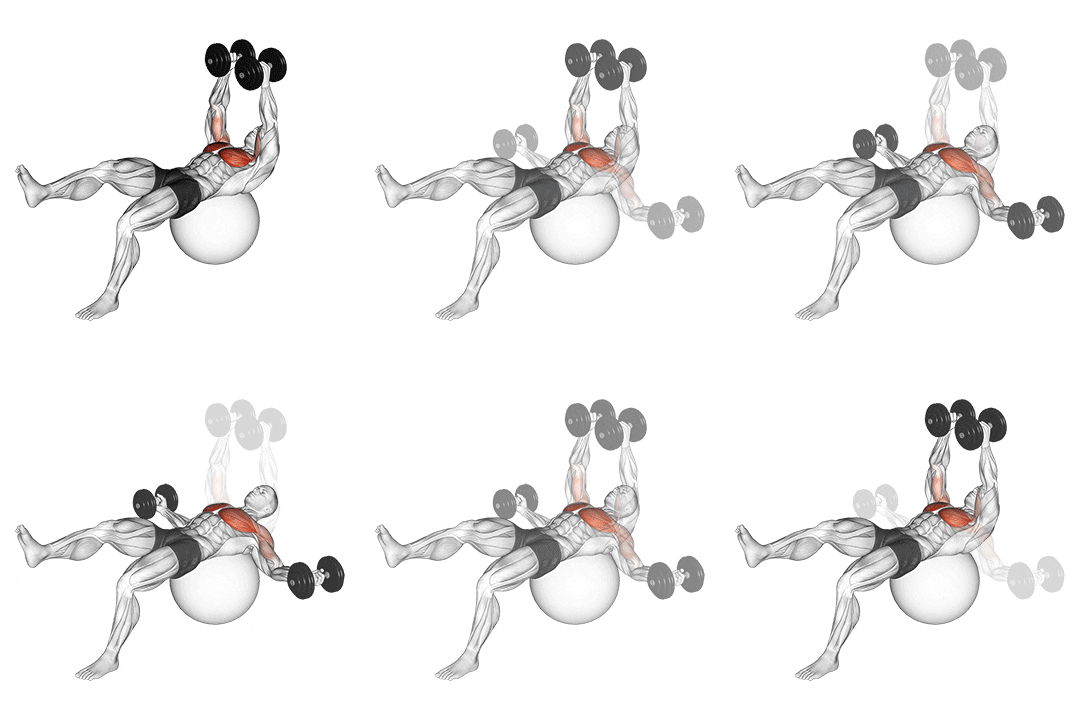
The dumbbell one leg fly on an exercise ball is a challenging exercise that targets the chest muscles (pectoralis major and minor) and engages the core muscles for stability. By performing this exercise on an exercise ball, you also enhance balance, coordination, and overall body control. ## Instructions 1. Place an exercise ball on the floor and position yourself in a prone position with your abdomen centered on the ball and your legs extended straight behind you. 2. Hold a dumbbell in each hand, palms facing inward, and extend your arms straight below your shoulders, allowing them to hang down toward the floor. 3. Lift one leg off the floor, extending it straight behind you. This will be your working leg throughout the exercise. 4. Engage your core muscles and maintain a stable body position on the ball. 5. Inhale, brace your core, and exhale as you simultaneously lift both arms out to the sides, bringing the dumbbells up to shoulder height. 6. Pause briefly at the top of the movement, squeezing your chest muscles. 7. In a controlled manner, lower the dumbbells back down to the starting position, allowing your arms to hang straight down toward the floor. 8. Complete the desired number of repetitions while maintaining proper form and control. 9. Switch legs and repeat the exercise, lifting the opposite leg off the floor. ## Variations - Bodyweight One Leg Fly on Exercise Ball: Perform the exercise without dumbbells, focusing on engaging the chest muscles and maintaining stability on the exercise ball. - Alternating Dumbbell One Leg Fly on Exercise Ball: Instead of lifting both arms simultaneously, alternate lifting one arm at a time while maintaining balance on the exercise ball. ## Muscles Worked - Primary muscles: Pectoralis major, pectoralis minor - Secondary muscles: Core muscles (abdominals, obliques, lower back), shoulder muscles (deltoids) ## Common Mistakes - Allowing the back to sag: Maintain a straight and aligned body position from head to toe. Avoid allowing your lower back to sag or your hips to drop towards the floor. - Using excessive weight: Choose dumbbells that allow you to maintain control and proper form throughout the exercise. Using weights that are too heavy can compromise stability and increase the risk of injury. - Not engaging the core: Focus on activating your core muscles to maintain stability on the exercise ball. Keep your abdominal muscles tight and avoid overarching your lower back. ## Safety Precautions - Ensure that the exercise ball is properly inflated and stable before performing the exercise. - Use a spotter or perform the exercise in a safe environment to prevent falling or losing balance. - Start with a lighter weight or bodyweight only to familiarize yourself with the exercise and build strength and stability. - If you have any pre-existing back or shoulder injuries, consult with a healthcare professional before performing this exercise. - If you experience any pain or discomfort during the exercise, stop immediately and seek guidance from a fitness professional or healthcare provider.
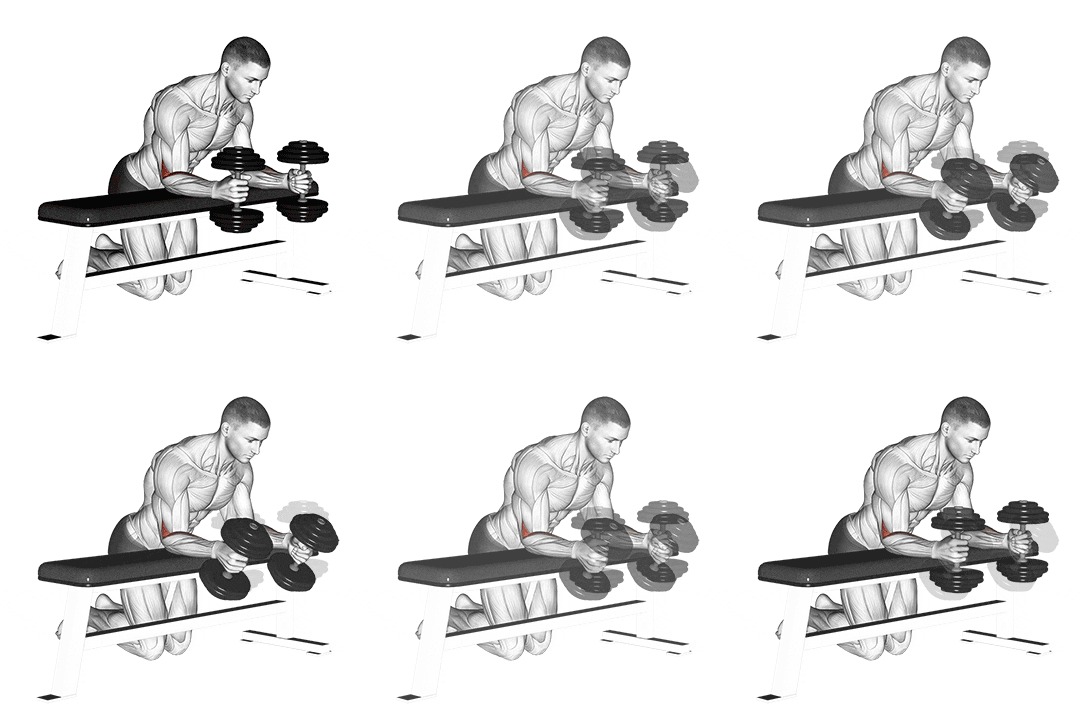
The dumbbell over bench neutral wrist curl is an exercise that targets the muscles of the forearms, specifically the wrist extensors. By performing this exercise with a neutral grip (palms facing each other), you engage the extensor muscles of the wrist and improve forearm strength and stability. ## Instructions 1. Sit on one end of a flat exercise bench with a dumbbell in one hand. 2. Place your forearm on top of the bench, with your hand and wrist extending beyond the edge, allowing the dumbbell to hang freely. 3. Grasp the dumbbell with a neutral grip (palms facing each other), keeping your wrist in a neutral position. 4. Inhale, brace your core, and exhale as you curl your wrist upward, lifting the dumbbell as high as comfortably possible. 5. Keep your forearm stable and stationary throughout the movement, allowing only your wrist to move. 6. Pause briefly at the top of the movement, squeezing your forearm muscles. 7. In a controlled manner, lower the dumbbell back down to the starting position, feeling a stretch in your wrist extensors. 8. Complete the desired number of repetitions on one side before switching to the other arm. 9. Repeat the exercise, maintaining proper form and technique for each arm. ## Variations - Seated Two Arm Neutral Wrist Curl: Perform the exercise with both arms simultaneously, holding a dumbbell in each hand. - Wrist Roller: Use a wrist roller device instead of dumbbells to perform the wrist curl exercise. This allows for continuous resistance throughout the movement. ## Muscles Worked - Primary muscles: Wrist extensors (forearm muscles) ## Common Mistakes - Using excessive weight: Start with a weight that allows you to maintain proper form and control. Avoid using a weight that causes excessive strain on your wrists or compromises your technique. - Rounding the shoulders: Maintain proper posture throughout the exercise. Keep your shoulders back and down, and avoid hunching or rounding the upper back. - Allowing the forearm to move: Focus on isolating the movement to the wrist joint. Keep your forearm stable and avoid any unnecessary movement or rotation. ## Safety Precautions - Choose an appropriate dumbbell weight that challenges your muscles but still allows you to maintain proper form. - Warm up your wrists and forearms with some light stretching or warm-up sets before starting the exercise. - If you have any pre-existing wrist or forearm injuries, consult with a healthcare professional before performing this exercise. - Start with a lighter weight and gradually increase the resistance as you gain strength and confidence in your form. - If you experience any pain or discomfort during the exercise, stop immediately and seek guidance from a fitness professional or healthcare provider.
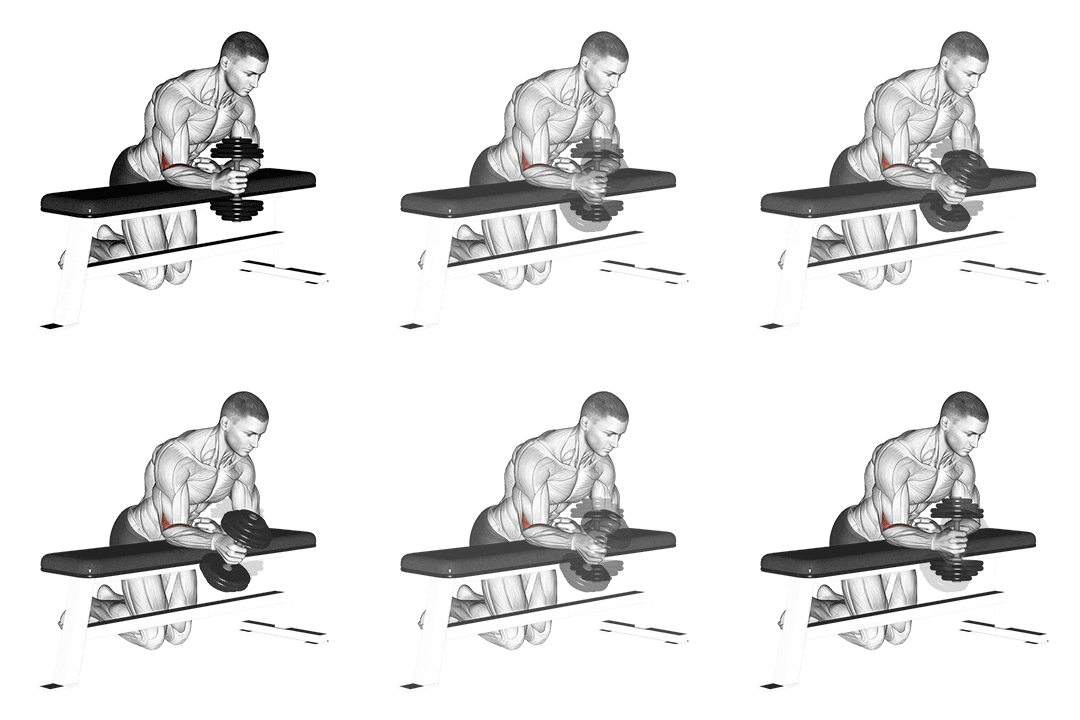
The dumbbell over bench one arm neutral wrist curl is an exercise that targets the muscles of the forearm, specifically the wrist extensors. By performing this exercise with a neutral grip (palms facing each other) and on a bench, you isolate and strengthen the wrist extensors, improving forearm strength and stability. ## Instructions 1. Sit on one end of a flat exercise bench and hold a dumbbell in one hand. 2. Place your forearm on top of the bench, with your hand and wrist extending beyond the edge, allowing the dumbbell to hang freely. 3. Grasp the dumbbell with a neutral grip (palms facing each other), keeping your wrist in a neutral position. 4. Inhale, brace your core, and exhale as you curl your wrist upward, lifting the dumbbell as high as comfortably possible. 5. Keep your forearm stable and stationary throughout the movement, allowing only your wrist to move. 6. Pause briefly at the top of the movement, squeezing your forearm muscles. 7. In a controlled manner, lower the dumbbell back down to the starting position, feeling a stretch in your wrist extensors. 8. Complete the desired number of repetitions on one side before switching to the other arm. 9. Repeat the exercise, maintaining proper form and technique for each arm. ## Variations - Seated Two Arm Neutral Wrist Curl: Perform the exercise with both arms simultaneously, holding a dumbbell in each hand. - Wrist Roller: Use a wrist roller device instead of dumbbells to perform the wrist curl exercise. This allows for continuous resistance throughout the movement. ## Muscles Worked - Primary muscles: Wrist extensors (forearm muscles) ## Common Mistakes - Using excessive weight: Start with a weight that allows you to maintain proper form and control. Avoid using a weight that causes excessive strain on your wrists or compromises your technique. - Rounding the shoulders: Maintain proper posture throughout the exercise. Keep your shoulders back and down, and avoid hunching or rounding the upper back. - Allowing the forearm to move: Focus on isolating the movement to the wrist joint. Keep your forearm stable and avoid any unnecessary movement or rotation. ## Safety Precautions - Choose an appropriate dumbbell weight that challenges your muscles but still allows you to maintain proper form. - Warm up your wrists and forearms with some light stretching or warm-up sets before starting the exercise. - If you have any pre-existing wrist or forearm injuries, consult with a healthcare professional before performing this exercise. - Start with a lighter weight and gradually increase the resistance as you gain strength and confidence in your form. - If you experience any pain or discomfort during the exercise, stop immediately and seek guidance from a fitness professional or healthcare provider.
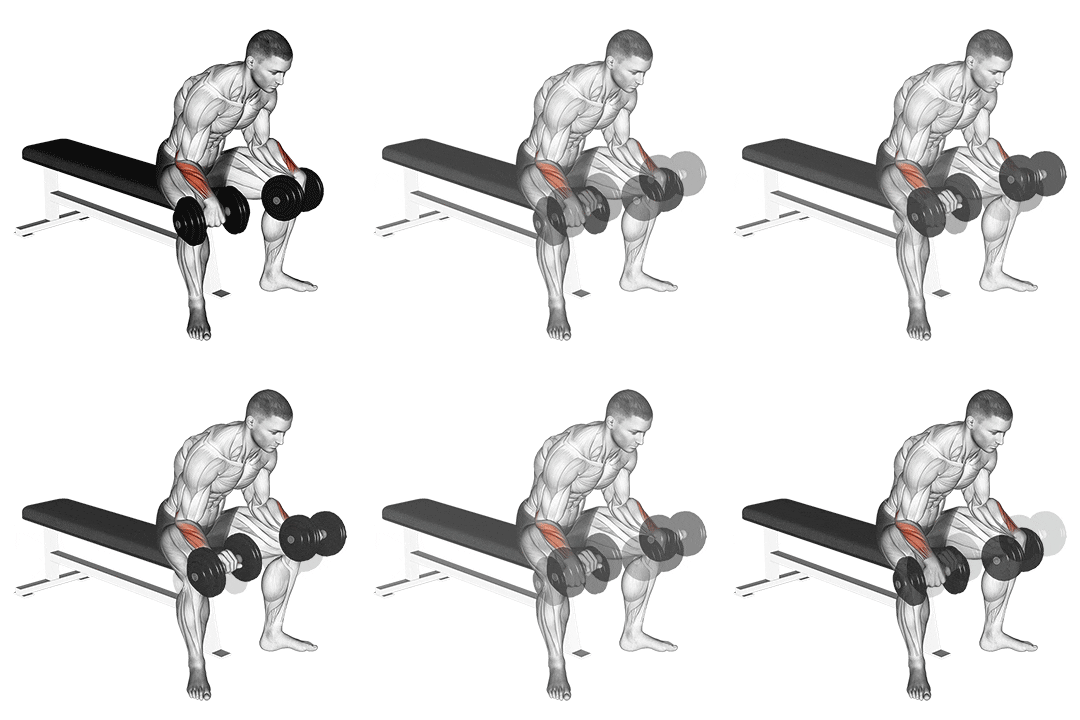
The dumbbell reverse wrist curl is an exercise that targets the muscles of the forearm, specifically the wrist extensors. This exercise helps to strengthen the extensor muscles of the forearm, improving grip strength, wrist stability, and overall forearm development. ## Instructions 1. Sit on a bench or chair with your feet flat on the floor and hold a dumbbell in each hand with an overhand grip (palms facing down). 2. Rest your forearms on your thighs, allowing your wrists to extend off the knees and the dumbbells to hang down. 3. Keep your forearms stationary throughout the exercise. This will be your starting position. 4. Exhale and slowly curl your wrists upward, bringing the dumbbells toward your body as far as comfortably possible. 5. Hold the top position briefly, squeezing your forearm muscles. 6. In a controlled manner, inhale and slowly lower the dumbbells back to the starting position, allowing your wrists to extend. 7. Repeat the movement for the desired number of repetitions. ## Variations - One-Arm Dumbbell Reverse Wrist Curl: Perform the exercise one arm at a time by holding a dumbbell in one hand and resting your forearm on your thigh. This variation allows for focused work on each forearm individually. - Barbell Reverse Wrist Curl: Instead of dumbbells, you can use a barbell to perform the exercise. Hold the barbell with an overhand grip and follow the same curling motion as described in the instructions. ## Muscles Worked - Primary muscles: Wrist extensors (brachioradialis, extensor carpi radialis longus and brevis, extensor carpi ulnaris) - Secondary muscles: Forearm muscles (brachialis, brachioradialis) ## Common Mistakes - Using excessive weight: Start with a weight that allows you to maintain proper form and control throughout the exercise. Using excessively heavy weights can strain the wrists and compromise your technique. - Moving the forearms: Keep your forearms stationary throughout the exercise. Avoid any movements or rotations at the elbow joint. - Allowing the wrists to drop: Keep your wrists extended throughout the exercise. Avoid allowing the dumbbells to pull your wrists down or flex them. - Using momentum: Focus on using the muscles of the forearms to curl the weight. Avoid swinging or using momentum to lift the dumbbells. ## Safety Precautions - Start with lighter weights and gradually increase the load as your strength and technique improve. - If you have any pre-existing wrist or forearm injuries, consult with a healthcare professional before attempting this exercise. - Maintain a controlled and smooth motion throughout the exercise, avoiding any sudden jerking movements. - If you experience any pain or discomfort in your wrists or forearms, stop the exercise and consult with a fitness professional or healthcare provider. - Perform the exercise in a well-balanced and stable position, with your feet firmly planted on the floor, to ensure stability and prevent any strain on your lower back.
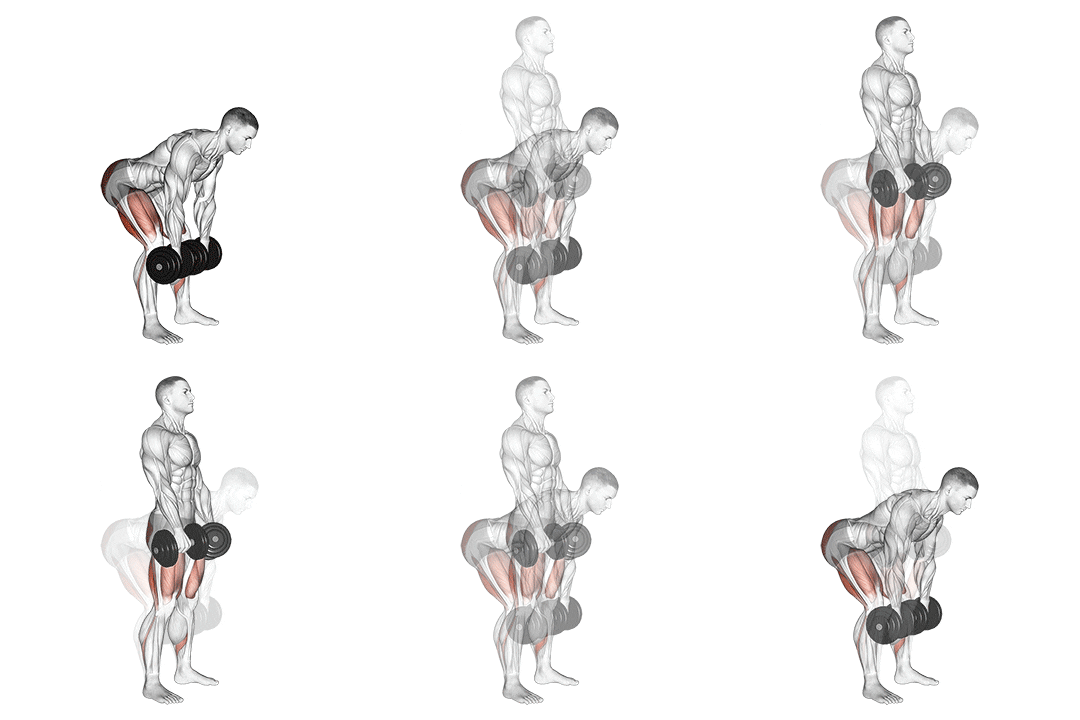
The dumbbell Romanian deadlift (RDL) is a compound exercise that primarily targets the muscles of the posterior chain, including the hamstrings, glutes, and lower back. It also engages the core muscles for stability. This exercise helps to develop strength, stability, and mobility in the lower body while promoting proper hip hinge mechanics. ## Instructions 1. Stand up straight with a dumbbell in each hand, palms facing your body. 2. Position your feet shoulder-width apart, toes pointing forward or slightly outward. 3. Engage your core and maintain a straight back with a slight natural curve in your lower back throughout the exercise. 4. Keeping a slight bend in your knees, initiate the movement by pushing your hips back while allowing your upper body to lean forward. 5. Lower the dumbbells along the front of your legs, maintaining a straight back and allowing a stretch to occur in your hamstrings. 6. Continue the descent until you feel a mild stretch in your hamstrings or until your torso is parallel to the floor, whichever comes first. Be mindful not to round your back. 7. Pause for a moment in the bottom position, then exhale and reverse the movement by driving your hips forward and standing up tall. 8. As you return to the starting position, maintain control and feel the tension in your hamstrings and glutes. 9. Repeat the movement for the desired number of repetitions. ## Variations - Barbell Romanian Deadlift: Instead of dumbbells, you can use a barbell to perform the exercise. Hold the barbell with an overhand grip and follow the same movement pattern as described in the instructions. - Single-Leg Romanian Deadlift: Perform the exercise using one leg at a time, while keeping the other leg slightly elevated behind you. This variation challenges balance and stability while further engaging the hamstrings and glutes. - Sumo Romanian Deadlift: Take a wider stance with your feet turned out at a wider angle. This variation places more emphasis on the inner thighs and glutes. ## Muscles Worked - Primary muscles: Hamstrings, glutes (gluteus maximus), lower back (erector spinae) - Secondary muscles: Core muscles, including the abs and obliques ## Common Mistakes - Rounding the back: Maintain a neutral spine throughout the exercise. Avoid rounding your back by engaging your core and keeping your shoulders pulled back. - Using too much weight: Start with lighter weights to master the technique and ensure proper form. Gradually increase the weight as your strength and technique improve. - Overextending the lower back: Avoid hyperextending your lower back at the top of the movement. Squeeze your glutes and maintain a neutral spine position. - Allowing the knees to straighten: Keep a slight bend in your knees throughout the exercise. Avoid fully straightening your knees as it can place excessive stress on the joints. ## Safety Precautions - Prioritize proper form and technique over heavy weights. Focus on maintaining a neutral spine and engaging the appropriate muscle groups. - If you have any existing lower back or hamstring injuries, consult with a healthcare professional before attempting this exercise. - Start with lighter weights and gradually increase the load as your strength and technique improve. - Keep the movement controlled and avoid any jerking or sudden motions. - If you experience any pain or discomfort during the exercise, stop immediately and seek advice from a qualified fitness professional.
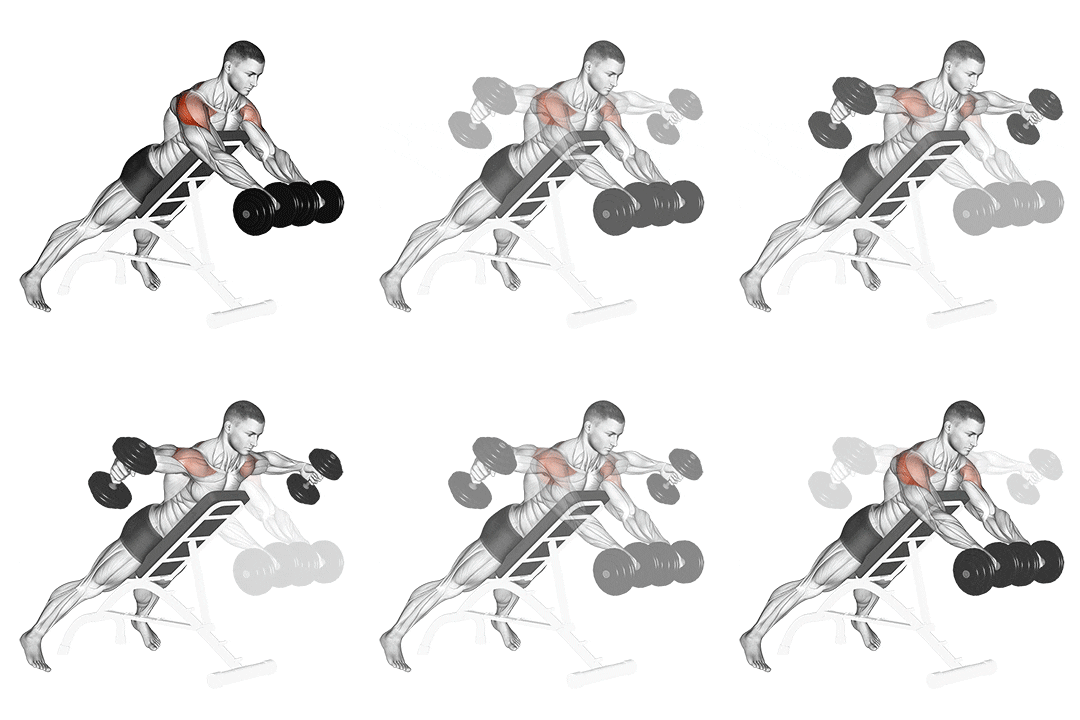
The dumbbell rotation reverse fly is an exercise that targets the muscles of the upper back, specifically the posterior deltoids, rhomboids, and the muscles of the rotator cuff. This exercise helps to improve posture, strengthen the upper back, and enhance shoulder stability. ## Instructions 1. Stand with your feet shoulder-width apart and hold a dumbbell in each hand. 2. Bend your knees slightly and hinge forward at the hips, maintaining a neutral spine position. 3. Allow your arms to hang down in front of you with your palms facing each other (neutral grip). 4. Engage your core and retract your shoulder blades, creating a stable base. 5. Exhale and lift your arms out to the sides in a wide arc, keeping a slight bend in your elbows. 6. As you lift, rotate your forearms externally so that your palms face the ceiling at the top position. 7. Pause briefly at the top of the movement, squeezing your shoulder blades together. 8. In a controlled manner, inhale and slowly lower the dumbbells back to the starting position, rotating your forearms internally so that your palms face each other again. 9. Repeat the movement for the desired number of repetitions. ## Variations - Seated Dumbbell Rotation Reverse Fly: Perform the exercise while sitting on a bench or chair. This variation provides additional stability and isolates the upper back muscles. - Cable Rotation Reverse Fly: Attach two stirrup handles to the low pulley cables of a cable machine. Stand in a split stance and perform the same movement pattern, keeping your arms straight and palms facing down throughout the exercise. ## Muscles Worked - Primary muscles: Posterior deltoids (rear delts), rhomboids - Secondary muscles: Rotator cuff muscles, trapezius, posterior shoulder muscles ## Common Mistakes - Using excessive weight: Start with lighter weights to ensure proper form and control. Focus on engaging the targeted muscles rather than using momentum or heavy weights. - Rounding the shoulders: Keep your shoulder blades retracted and down throughout the exercise. Avoid shrugging your shoulders or allowing them to roll forward. - Overarching the lower back: Maintain a neutral spine position throughout the exercise. Avoid excessive arching or hyperextension of the lower back. - Swinging the body: Keep your body stable and avoid swinging or using momentum to lift the weights. Focus on controlled and isolated movements. ## Safety Precautions - Choose an appropriate weight that allows you to maintain proper form and control throughout the exercise. - If you have any pre-existing shoulder or back injuries, consult with a healthcare professional before attempting this exercise. - Engage your core and maintain a stable base throughout the movement. - Perform the exercise in a controlled manner, avoiding any sudden or jerking motions. - If you experience any pain or discomfort during the exercise, stop immediately and consult with a fitness professional or healthcare provider.
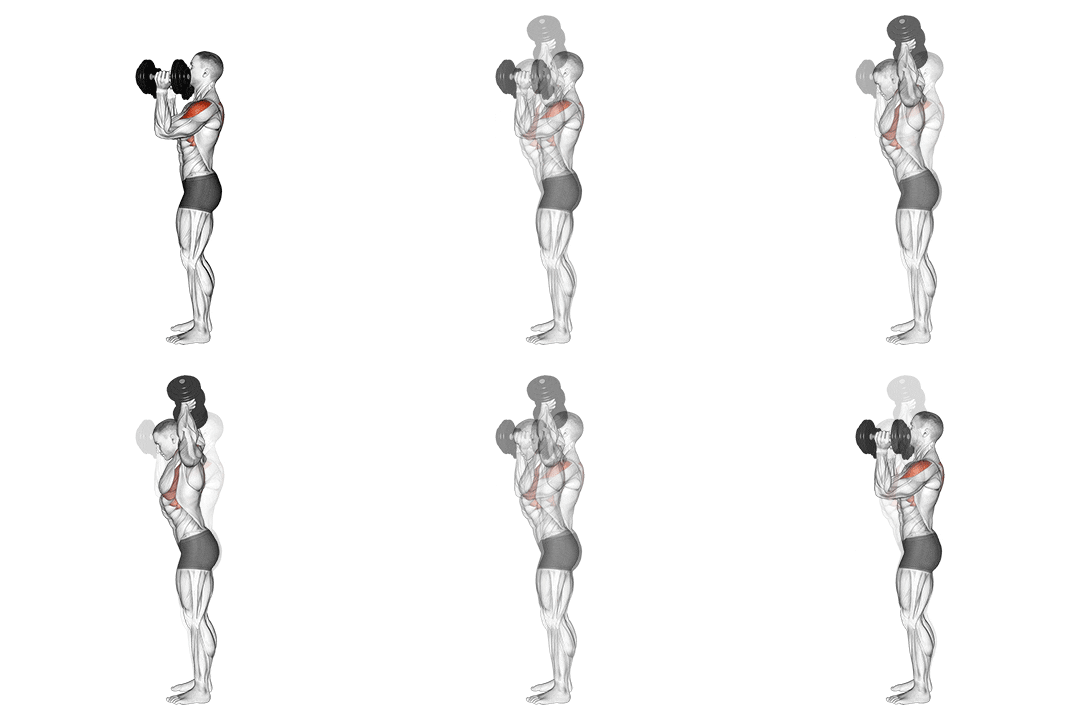
The dumbbell Scott press, also known as the preacher curl press, is a compound exercise that targets the muscles of the shoulders, specifically the anterior deltoids (front delts), as well as the biceps and triceps. This exercise helps to develop strength and size in the shoulders and arms, improving upper body pressing movements and overall upper body development. ## Instructions 1. Set up a Scott bench or use a preacher curl bench with an inclined pad. 2. Adjust the seat height so that your upper arms are supported by the pad, allowing your elbows to rest comfortably on it. 3. Hold a dumbbell in each hand, palms facing forward (pronated grip), and position your upper arms on the pad with your elbows slightly bent. 4. Engage your core and maintain a neutral spine throughout the exercise. 5. Exhale and press the dumbbells upward, extending your arms while keeping your elbows in line with your shoulders. 6. At the top of the movement, your arms should be fully extended, but avoid locking out your elbows. 7. Pause briefly, then inhale and slowly lower the dumbbells back to the starting position, maintaining control and tension in the muscles. 8. Repeat the movement for the desired number of repetitions. ## Variations - Single-Arm Dumbbell Scott Press: Perform the exercise one arm at a time by holding a dumbbell in one hand while keeping the other hand resting on your thigh or hip. This variation challenges stability and allows for focused work on each arm individually. - Barbell Scott Press: Instead of dumbbells, you can use a barbell to perform the exercise. Hold the barbell with an overhand grip (pronated grip) and follow the same pressing motion as described in the instructions. ## Muscles Worked - Primary muscles: Anterior deltoids (front delts), biceps, triceps - Secondary muscles: Forearm muscles, stabilizer muscles of the shoulders and upper body ## Common Mistakes - Using excessive weight: Start with lighter weights to master the technique and ensure proper form. Gradually increase the weight as your strength and technique improve. - Arching the back: Maintain a neutral spine throughout the exercise. Avoid arching your back or using momentum to lift the weights. - Allowing the elbows to flare out: Keep your elbows in line with your shoulders throughout the movement. Avoid allowing your elbows to flare out to the sides, which can place excessive stress on the shoulder joint. - Using a limited range of motion: Lower the dumbbells until your elbows are slightly bent, allowing a full stretch in the muscles. Extend your arms fully at the top of the movement without locking out your elbows. ## Safety Precautions - Prioritize proper form and technique over heavy weights. Focus on maintaining a stable position and engaging the appropriate muscle groups. - If you have any existing shoulder or elbow injuries, consult with a healthcare professional before attempting this exercise. - Start with lighter weights and gradually increase the load as your strength and technique improve. - Keep the movement controlled and avoid any jerking or sudden motions. - If you experience any pain or discomfort during the exercise, stop immediately and seek advice from a qualified fitness professional.